Quick answer
Neither method wins outright. Fusible bonding web is faster and needs no machine, making it ideal for quick fixes, delicate fabrics, and temporary hems. Sewing creates a stronger, longer-lasting hem that withstands repeated washing and heavy wear. Choose fusible web for speed and simplicity; choose stitching for durability and a polished, permanent finish.
Hemming is one of the most common sewing tasks, whether you are shortening pants, finishing a skirt, or repairing a fallen hem. Two main approaches dominate: fusible bonding web (often called iron-on hem tape) and traditional sewing with needle and thread. Each has clear strengths and trade-offs.
This comparison breaks down how they differ in speed, durability, fabric compatibility, and finished look. You will also see how specific Prym Americas products fit into each method, so you can pick the right approach for your next project.
How fusible bonding web works
Fusible bonding web is a heat-activated adhesive strip or sheet. You place it between the fabric layers, apply heat with an iron, and the web melts to bond the hem in place. No needle, thread, or sewing machine is required. It is a popular choice for quick repairs and for people who do not sew.
The bond is immediate and strong enough for many everyday situations, but it is not permanent in the same way stitching is. Repeated washing, high heat, or heavy friction can weaken the adhesive over time. It works best on fabrics that can tolerate iron heat without scorching or melting.
- Always test the web on a scrap of your fabric first to check heat tolerance and bond strength.
- Use a pressing cloth to protect delicate fabrics from direct iron contact.
How sewn hems work
A sewn hem uses needle and thread to mechanically secure the folded fabric. You can sew by hand with a blind stitch or running stitch, or by machine with a straight or blind hem stitch. The result is a durable hem that moves with the fabric and survives repeated laundering.
Sewing takes more time and requires basic skill, but it gives you control over tension and stitch visibility. It also works on almost any fabric, including heavy denim, stretch knits, and delicate sheers, as long as you match the needle and thread to the material.
- Match needle type to fabric: use a sharp for wovens and a ballpoint for knits.
- For stretch fabrics, use a stretch stitch or a narrow zigzag to avoid popped threads.
Speed and skill: which is faster?
Fusible web wins on speed. A simple hem can be done in minutes with just an iron and a strip of web. There is no threading, no pinning (though pins help), and no stitch removal if you make a mistake. This makes it ideal for last-minute fixes or for sewers who lack confidence with a needle.
Sewing is slower, especially by hand, but the time investment pays off in longevity. If you are hemming a pair of pants you will wear weekly, the extra minutes spent stitching will likely save you from redoing the hem later. For one-off costumes or temporary adjustments, fusible web is often the smarter time saver.
Durability and washing
Sewn hems are generally more durable. The thread creates a flexible, mechanical hold that withstands agitation in the washing machine and heat in the dryer. Even if a stitch breaks, the hem usually stays mostly intact until you repair it.
Fusible bonding web can hold up to gentle washing, but it is more susceptible to heat and friction. Over time, the adhesive may release, especially at stress points like the back of a pant leg. If you choose fusible web for a garment you wash often, consider it a semi-permanent solution and check the hem periodically.
- Turn garments inside out and wash in cool water to extend the life of fusible hems.
- Avoid high dryer heat with fusible web; air-dry or use low heat.
Fabric compatibility and finished look
Fusible web works best on medium-weight woven fabrics like cotton, linen, and some blends. It can be tricky on very stretchy knits, heavily textured fabrics, or heat-sensitive materials like some synthetics. The bond can also feel slightly stiff, which may show on lightweight or drapey fabrics.
Sewing is more versatile. With the right needle and thread, you can hem almost anything, from delicate silk to heavy canvas. A hand-sewn blind hem is nearly invisible on the outside, giving a clean, professional finish. Machine hems are faster but may show a visible stitch line unless you use a blind hem foot.
Tools that support each method
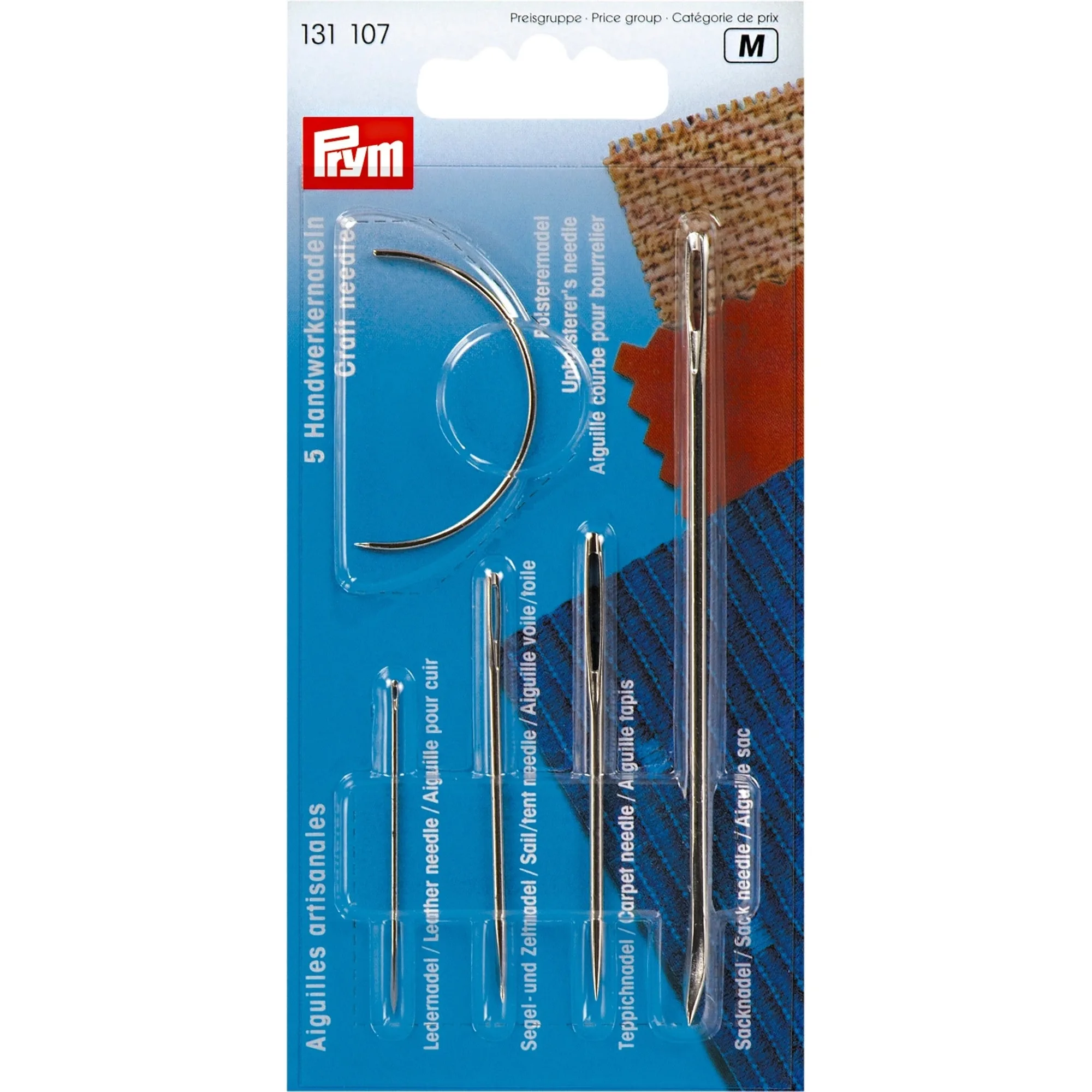
If you go the fusible route, you will need an iron, a pressing cloth, and the bonding web itself. A sewing machine or needle and thread are not required. For sewn hems, you will need a hand needle or sewing machine, thread, and possibly a thimble for thick fabrics. Prym Americas offers a range of needles and notions that suit both approaches.
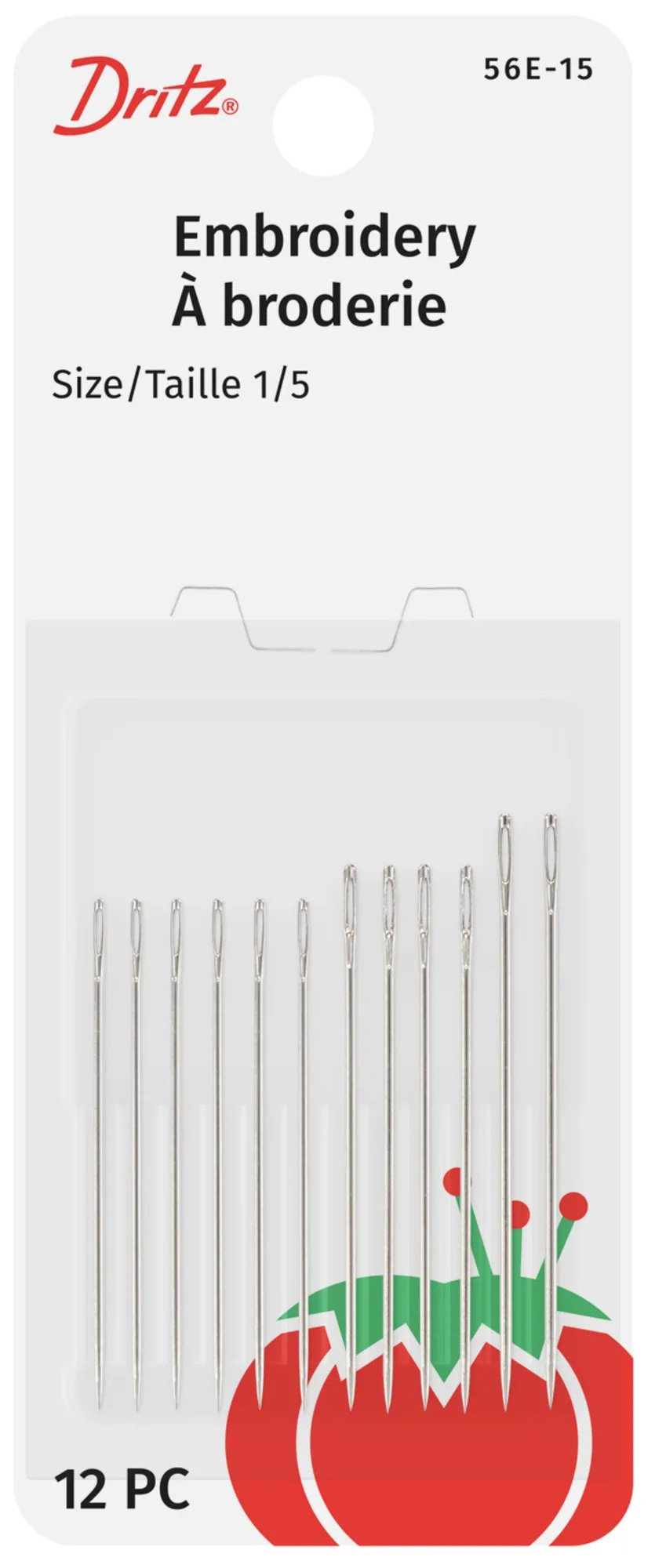
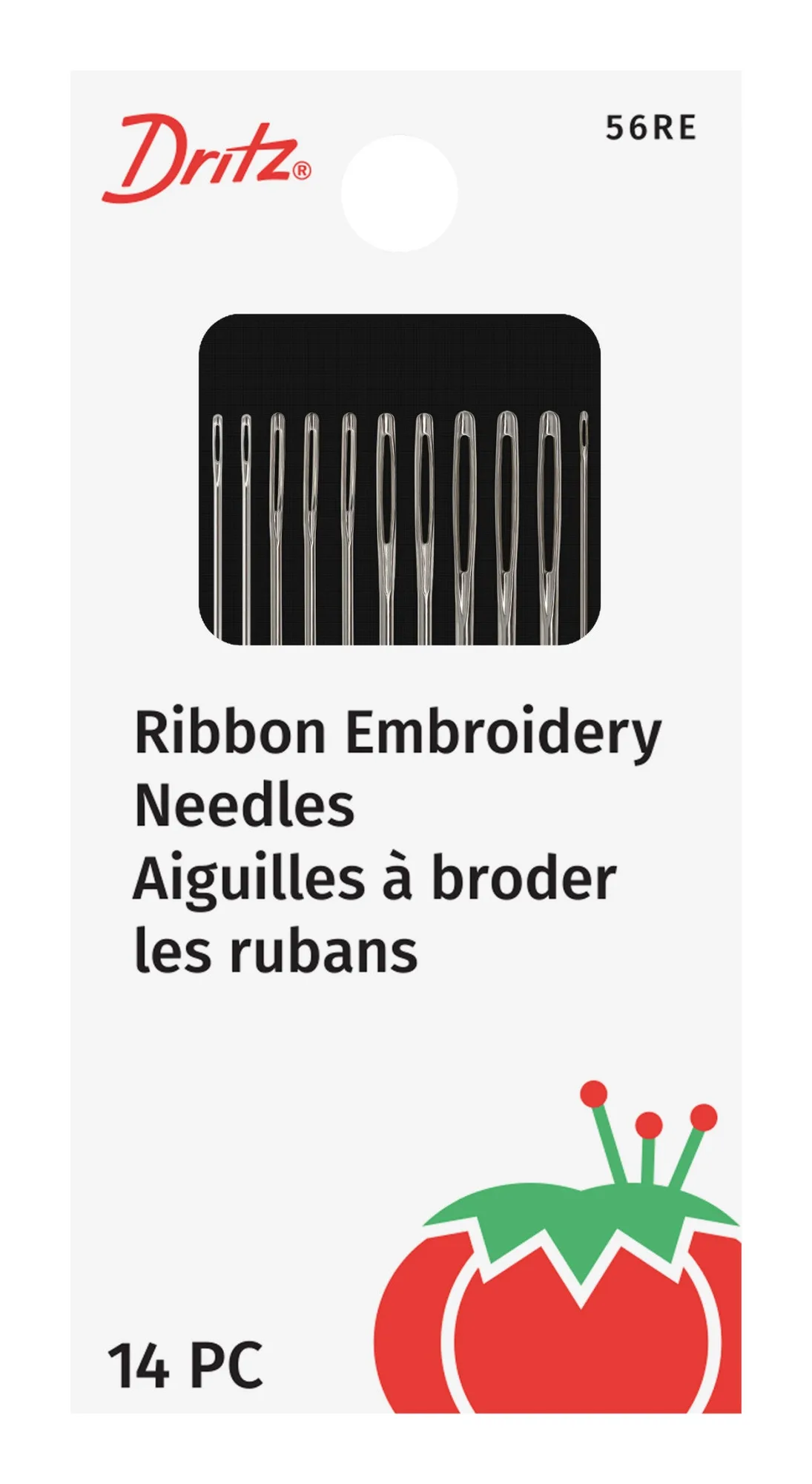
For hand sewing, a needle assortment like the Dritz https://prymamerica.com/products/56re-292dfb0a1296834256bd01ce-1316421Ribbon https://prymamerica.com/products/dritzneedlesembrdhnd-1ab617686e88ee94b93e92fa-1316441Embroidery Hand Needles, 14 pc includes chenille and tapestry needles that can handle thicker threads and heavier fabrics, though it is designed primarily for embroidery and embellishment. For closures and hardware, the Dritz Hooks & Eyes, 3 pc, Black can secure waistbands and overlapping edges, which is useful for skirt and pant hems that need extra hold.
- Keep a small sewing kit with both fusible web and a few hand needles for quick repairs.
- Use a dedicated pair of scissors for cutting fusible web to avoid gumming up fabric shears.
Trade-offs at a glance
- Speed vs. durability: Fusible bonding web is much faster and requires no sewing skills, but the bond can weaken with repeated washing and heat. Sewn hems take longer but hold up better over time. Choose fusible web for quick fixes; choose sewing for hems you want to last.
- Fabric versatility: Sewing works on nearly any fabric with the right needle and thread. Fusible web is best on medium-weight wovens and can be risky on heat-sensitive or very stretchy fabrics. Check your fabric type before committing to fusible web; when in doubt, sew.
- Finished appearance: A hand-sewn blind hem is nearly invisible and drapes naturally. Fusible web can leave a slightly stiff edge and may show a faint line on lightweight fabrics. For a polished, professional look on visible garments, sewing is usually the better choice.
Product facts that matter for hemming
- Ribbon Embroidery Hand Needles, 14 pc: Includes 2 beading needles size 10, 3 chenille needles size 20, 3 chenille needles size 18, 3 crewel needles size 8, and 3 tapestry needles size 24. The variety of needle types and sizes gives you options for different threads and fabric weights, though this set is intended for embroidery and embellishment rather than general hemming.
- Hooks & Eyes, 3 pc, Black: Extra-large metal hook and eye sets that act as closures to hold finished edges together, ideal for waistbands of skirts and pants. Useful for adding a secure closure above a hem or for holding a folded edge in place before stitching or fusing, especially on garments that need extra hold.
Which method should you choose?
Best for
- Quick repairs or temporary hems when you do not have a sewing machine
- Delicate fabrics that cannot handle stitching or where you want to avoid needle holes
- Sewers who lack confidence with a needle and thread but need a fast fix
Not for
- Garments that will be washed frequently or subjected to heavy wear
- Fabrics that cannot tolerate iron heat or that require a flexible, drapey hem
- Projects where a permanent, professional finish is the top priority
Both fusible bonding web and sewing have a place in your sewing kit. Use fusible web for speed and simplicity on low-stress hems, and turn to needle and thread when you need a durable, polished finish. Matching the method to the fabric and the wear the garment will get is the surest way to get a hem you are happy with.