The office furniture industry is undergoing a radical transformation. Gone are the days when a desk was merely a flat surface for a computer and a stack of papers. Today, the rise of the Internet of Things (IoT) and smart technology is turning traditional workstations into intelligent, connected hubs that adapt to your needs. This shift is not just about convenience—it's about redefining productivity, health, and workplace design for the modern era.
Smart desks, equipped with sensors, motors, and connectivity, are at the forefront of this revolution. They can remember your preferred height settings, remind you to stand, track your activity, and even integrate with your other devices. As we look toward the future, the concept of a 'tech desk' is becoming a reality, blending ergonomics with digital intelligence to create a workspace that works as hard as you do.
What Makes a Desk 'Smart'? The IoT Revolution in Furniture
A smart desk is more than just an adjustable standing desk. It is a piece of furniture embedded with technology that communicates with you and your environment. IoT-enabled desks can connect to your smartphone, smartwatch, or office network to provide real-time data and automation. For example, a smart desk might automatically adjust its height based on your calendar (sitting for meetings, standing for deep work) or send a gentle vibration when it's time to change posture.
These desks often include built-in sensors that track your movement, weight distribution, and even air quality. Some models feature wireless charging pads, USB-C ports, and integrated cable management systems to reduce clutter. The goal is to create a seamless, intuitive experience that minimizes distractions and maximizes comfort. As IoT technology becomes cheaper and more reliable, we can expect even more advanced features like voice control, AI-driven ergonomic coaching, and integration with building management systems.
- Height memory presets that sync across multiple desks via cloud profiles.
- Health reminders and activity tracking synced with fitness apps.
- Environmental sensors that adjust lighting or temperature in your workspace.
Key Features of a Future-Ready Tech Desk
When envisioning the smart desk of tomorrow, several features stand out as essential. First and foremost is seamless connectivity. A tech desk should act as a central hub for your devices, offering multiple ports, wireless charging, and easy pairing with peripherals. The Logitech G915 X Lightspeed Wireless RGB Mechanical Gaming Keyboard exemplifies how even input devices are becoming smarter and more integrated, but the desk itself must provide the foundation for this ecosystem.
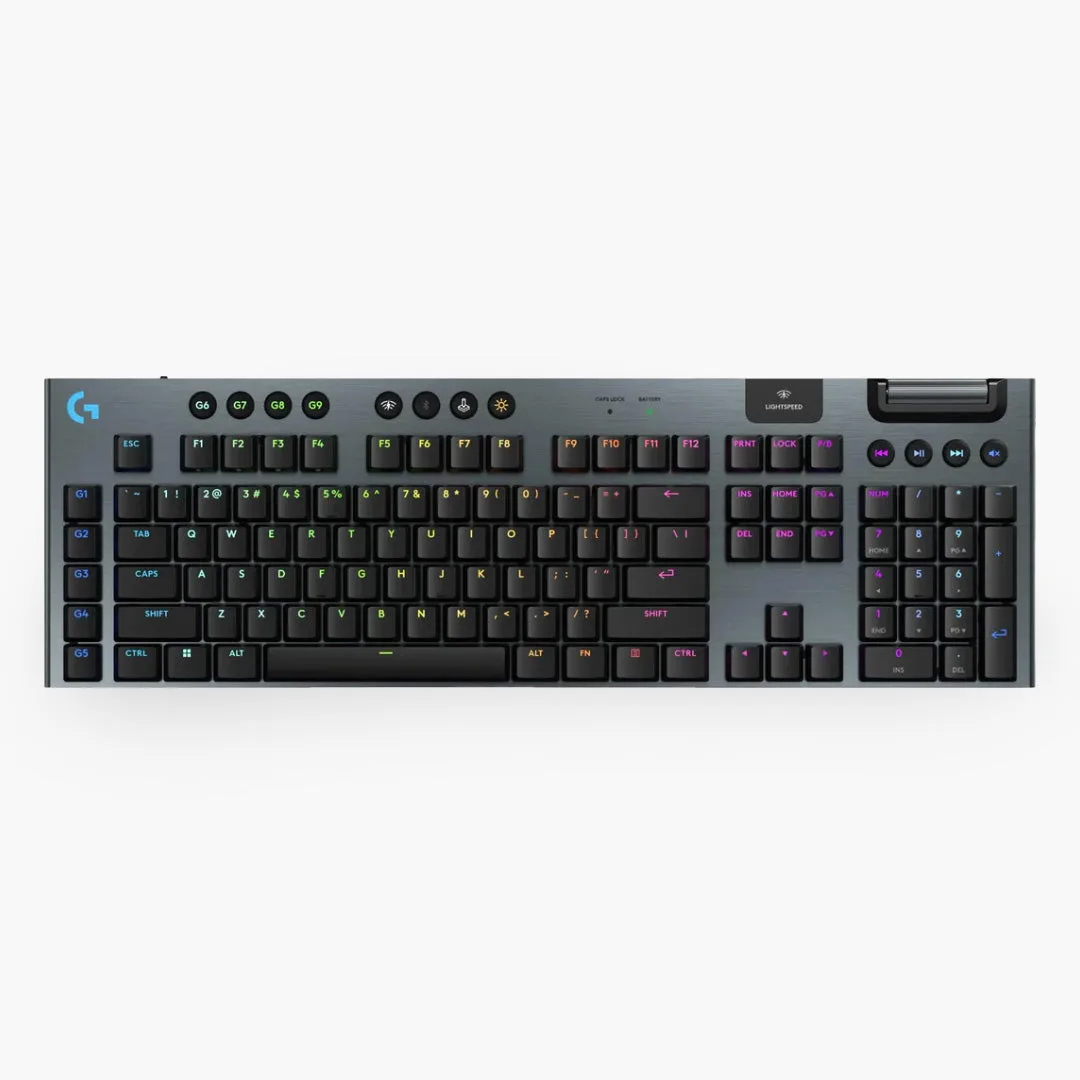
Logitech G915 X Lightspeed Wireless RGB Mechanical Gaming Keyboard
Another critical feature is intelligent cable management. A truly smart desk eliminates the mess of wires that plagues most workstations. Products like the Advanced Cable Management Bar are designed to route cables cleanly, but future desks will likely incorporate built-in channels, retractable cords, and wireless power transmission. Additionally, smart desks will prioritize material quality and sustainability, using eco-friendly woods and finishes that are both durable and beautiful.
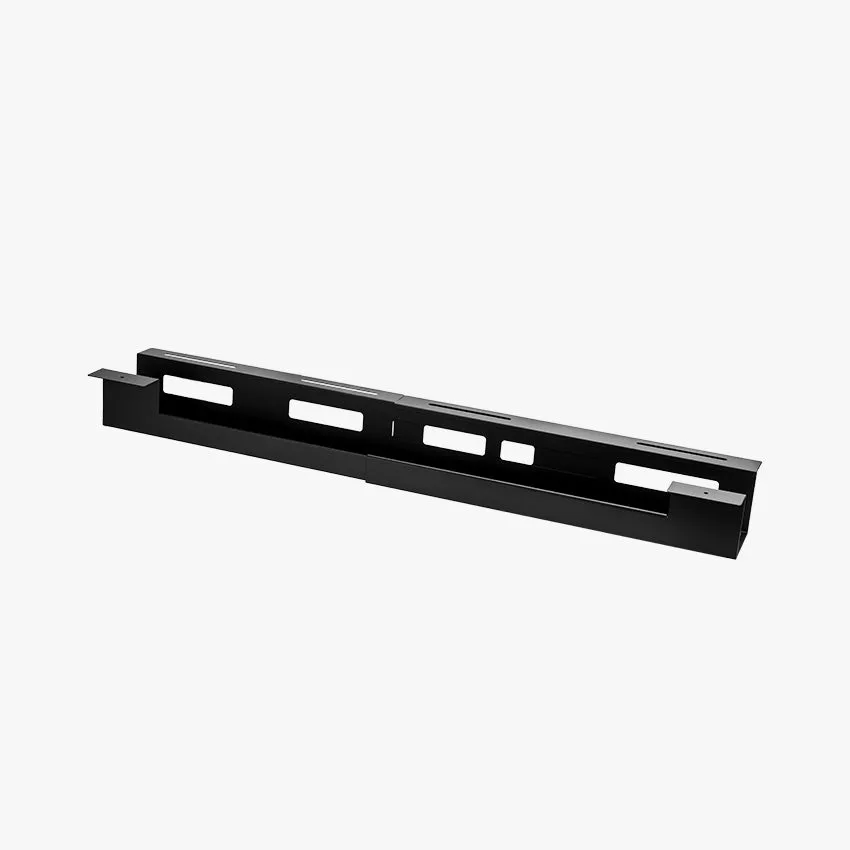
Advanced Cable Management Bar
- Integrated wireless charging pads for phones and tablets.
- Built-in surge protectors and USB hubs with data transfer capabilities.
- Modular designs that allow you to add or swap components like monitor arms or drawers.
How Smart Desks Improve Health and Productivity
The primary driver behind the smart desk movement is the growing awareness of the health risks associated with prolonged sitting. IoT-enabled desks encourage movement through reminders and data visualization. They can track how many hours you've spent sitting versus standing and provide personalized recommendations. This data can be shared with your healthcare provider or wellness app, creating a holistic view of your daily activity.
Beyond physical health, smart desks boost productivity by reducing friction. Imagine a desk that automatically adjusts to your preferred height when you sit down, or one that dims the lights when it's time to focus. By automating routine adjustments, these desks free up mental energy for more important tasks. They also integrate with smart home systems, allowing you to control your entire workspace from a single interface. As hybrid work becomes the norm, the ability to create a personalized, responsive environment at home will be invaluable.
- Automatic posture correction alerts based on sensor data.
- Integration with calendar apps to prepare your desk for meetings or focus sessions.
- Energy-saving modes that power down peripherals when not in use.
The Role of Accessories in the Connected Workspace
While the desk itself is the centerpiece, a truly smart workspace relies on a ecosystem of accessories that work in harmony. For instance, the Edifier QR65 Desktop Active Monitor with GaN Charger is a perfect example of a smart accessory that combines high-quality audio with fast charging capabilities. Such devices reduce cable clutter and add functionality without compromising aesthetics.
Similarly, desk organizers are evolving to become part of the IoT network. The Hestia Mini Desktop Organiser can be more than just a storage solution—it can include a wireless charging pad, a digital clock, or even a voice assistant. These accessories communicate with your smart desk to create a cohesive experience. As technology miniaturizes, we'll see even more integration, with sensors embedded in desk mats, monitor arms, and chair arms.
- Smart desk mats that track mouse movement and pressure for ergonomic insights.
- Monitor arms with built-in cable management and USB hubs.
- IoT-enabled chair sensors that sync with your desk to suggest optimal height.
Challenges and Considerations for Adopting Smart Furniture
Despite the exciting potential, smart desks face several hurdles before becoming mainstream. Cost is a significant barrier—IoT-enabled furniture is often priced higher than traditional options. Additionally, concerns about data privacy and security must be addressed, as these desks collect sensitive health and usage data. Manufacturers need to ensure robust encryption and user control over data sharing.
Another challenge is interoperability. With multiple brands and protocols (Zigbee, Z-Wave, Wi-Fi, Bluetooth), ensuring that all devices work together seamlessly can be difficult. Industry standards are still evolving, and early adopters may face compatibility issues. Finally, the longevity of technology is a concern—a desk might last 20 years, but its electronics could become obsolete in five. Modular designs that allow for easy upgrades will be crucial for long-term adoption.
- Look for desks with firmware updates and open APIs for future compatibility.
- Prioritize brands that offer strong privacy policies and local data processing.
- Consider refurbished or upgradeable models to reduce electronic waste.
What to Look for When Buying a Smart Desk Today
If you're ready to invest in a future-proof workspace, start by evaluating your needs. Do you primarily work from home or in an office? How many devices do you need to connect? Look for a desk with a sturdy frame and a high weight capacity, as smart components add weight. The Ascent Black Ash is an example of a desk that combines solid construction with a sleek design, but ensure it offers the connectivity ports you need.
Check for compatibility with your existing ecosystem—if you use Apple devices, look for desks that support HomeKit; for Android users, Google Assistant integration is key. Also, consider the warranty and support for the electronic components. A good smart desk should have a separate warranty for its motors and electronics, typically 3-5 years. Finally, read reviews from other users to see how the desk performs in real-world conditions, especially regarding noise levels and reliability of the height adjustment mechanism.
- Test the desk's motor speed and noise level before purchasing.
- Ensure the desk has enough power outlets and USB ports for your setup.
- Verify that the desk's companion app is well-reviewed and regularly updated.
The future of office furniture is undeniably smart, connected, and personalized. By embracing IoT and smart technology, you can transform your workspace into a hub of productivity and well-being. Whether you're upgrading your home office or outfitting a corporate floor, now is the time to explore the possibilities of a tech desk. Start your journey with the Ascent Black Ash, a desk that combines timeless design with the potential for smart integration, and experience the next generation of work.