Quick answer
Keep at least two sock weights on hand: thin, breathable pairs for warm months and thicker, cushioned pairs for cold ones. Rotate them by season instead of wearing the same pair year-round, and wash in cold water and air dry to protect prints and elastic.
Your gaming socks probably get worn the same way all year, but your feet do not run the same temperature in July as they do in January. A pair that feels fine during a winter marathon can turn swampy during a summer session, and a thin summer pair leaves your toes cold on a drafty floor.
The fix is not buying more socks blindly. It is matching fabric weight and fit to the season, then rotating and caring for each pair so it lasts. Here is how to diagnose what your feet are telling you and choose the right pair for the conditions.
Why one pair of gaming socks cannot do every season
Sock comfort comes down to three things: fabric weight, breathability, and how much cushioning sits under your foot. Warm air and sweat need an escape route, so summer calls for thinner knits and moisture-friendly fibers. Cold floors and longer sitting sessions call for thicker cushioning that traps warmth and softens pressure from a chair or controller.
That is why a seasonal sock rotation works better than a single favorite pair. You are not replacing your socks, you are giving each pair a job. Two weights cover most climates, and a third midweight pair handles the in-between weeks of spring and fall.
- Warm months: prioritize thin, breathable fabric and a snug but not tight fit.
- Cold months: prioritize cushioning and warmth, especially under the heel and ball of the foot.
- Shoulder seasons: a midweight pair you can wear with or without a blanket.
Symptoms, causes, and what to do about each
If your feet feel hot and damp after an hour of play, the sock is likely too thick or too tightly knit for the room temperature. Switch to a thinner, breathable pair and change socks after long sessions. If your toes feel cold even indoors, the sock is probably too thin or too loose, so warm air escapes and cold air sits against the skin.
If the sock slides down into your shoe, the cause is usually a stretched cuff or a size that does not match your foot length, not the season. Check the size before blaming the fabric. If seams or prints irritate your skin, that is a construction issue, and no seasonal swap will fix it. In that case, choose a different pair rather than layering.
- Damp and hot: go thinner and more breathable, and change socks mid-session if needed.
- Cold toes: go thicker and check that the cuff stays up without pinching.
- Sliding or bunching: verify size and cuff condition before changing seasons.
Building a simple seasonal sock rotation
A practical rotation has three slots: summer, winter, and transitional. Label them mentally or physically so you are not digging through a drawer mid-session. Wash each pair after one or two wears depending on sweat, and give elastic cuffs a rest day so they recover their shape.
When a season changes, move the outgoing pairs to the back of the drawer and bring the incoming ones forward. This small habit makes it obvious when a pair is worn out, and it stops you from wearing a heavy winter sock in a warm room simply because it was on top.
- Keep at least two pairs per season so one can rest while the other is washed.
- Store clean, fully dry socks loosely folded, not stretched over a hanger.
- Retire any pair with a loose cuff, thin heel, or cracked print.
Care rules that keep every pair in the rotation longer
Heat is the main enemy of sock elastic and printed designs. Wash in cold water on a gentle cycle, turn printed socks inside out, and skip the dryer when you can. Air drying flat or on a line preserves the cuff and keeps screen-printed graphics from cracking.
If you must machine dry, use low heat and remove the socks while slightly damp. Avoid fabric softener, which coats fibers and reduces breathability, and never bleach colored or printed pairs. These habits matter more than the brand name on the label.
- Cold wash, gentle cycle, inside out for printed designs.
- Air dry when possible; low heat only if necessary.
- No fabric softener and no bleach on printed or colored socks.
Seasonal sock diagnosis
- Hot, damp feet during play: The sock is likely too thick or too tightly knit for the room. Switch to a thinner, breathable pair and change socks after long sessions. If feet stay damp after switching to a thin pair, the room is the problem, not the socks.
- Cold toes on a cold floor: The sock is too thin or too loose. Move to a cushioned, warmer pair and confirm the cuff stays up without pinching. If toes stay cold in a thick pair, add a rug or slippers instead of doubling socks.
- Sock slides down or bunches: This is usually a size or stretched-cuff issue rather than a seasonal one. Check the size and the elastic before buying a different weight. If the cuff is stretched out, retire the pair; no seasonal swap will fix it.
- Print cracks or fades quickly: Heat and harsh washing are the usual causes. Wash cold, inside out, and air dry to slow the damage. If the print is already cracked through, it is a care limit, not a season problem.
Merch that pairs with a seasonal setup
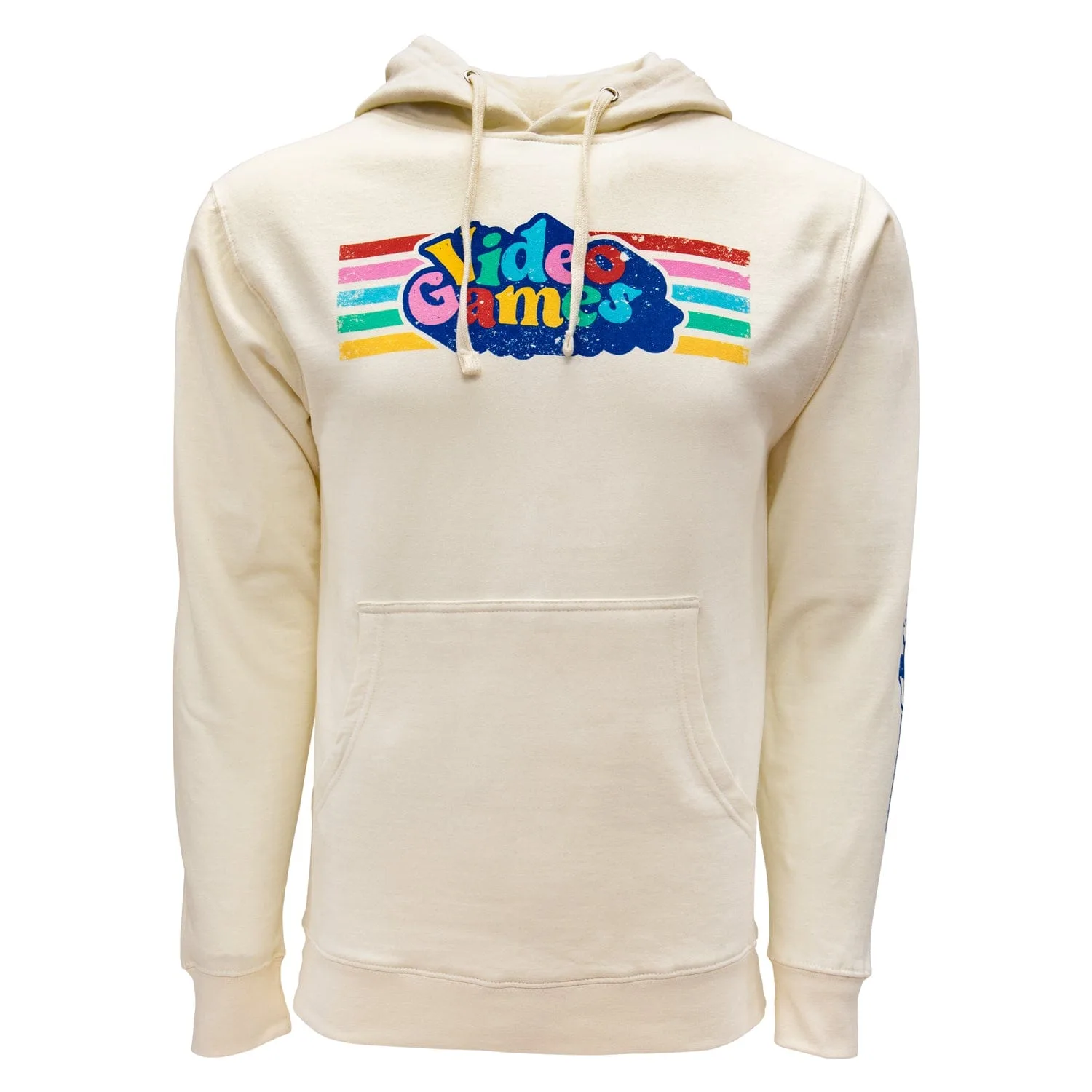
- Sanshee - Video Games Kidcore Vintage Hoodie: Screen printed on an ultra soft, midweight hoodie, available in multiple sizes. A midweight layer is the clothing equivalent of transitional socks: useful when the room is cool but not cold, and easy to remove once a session warms up.
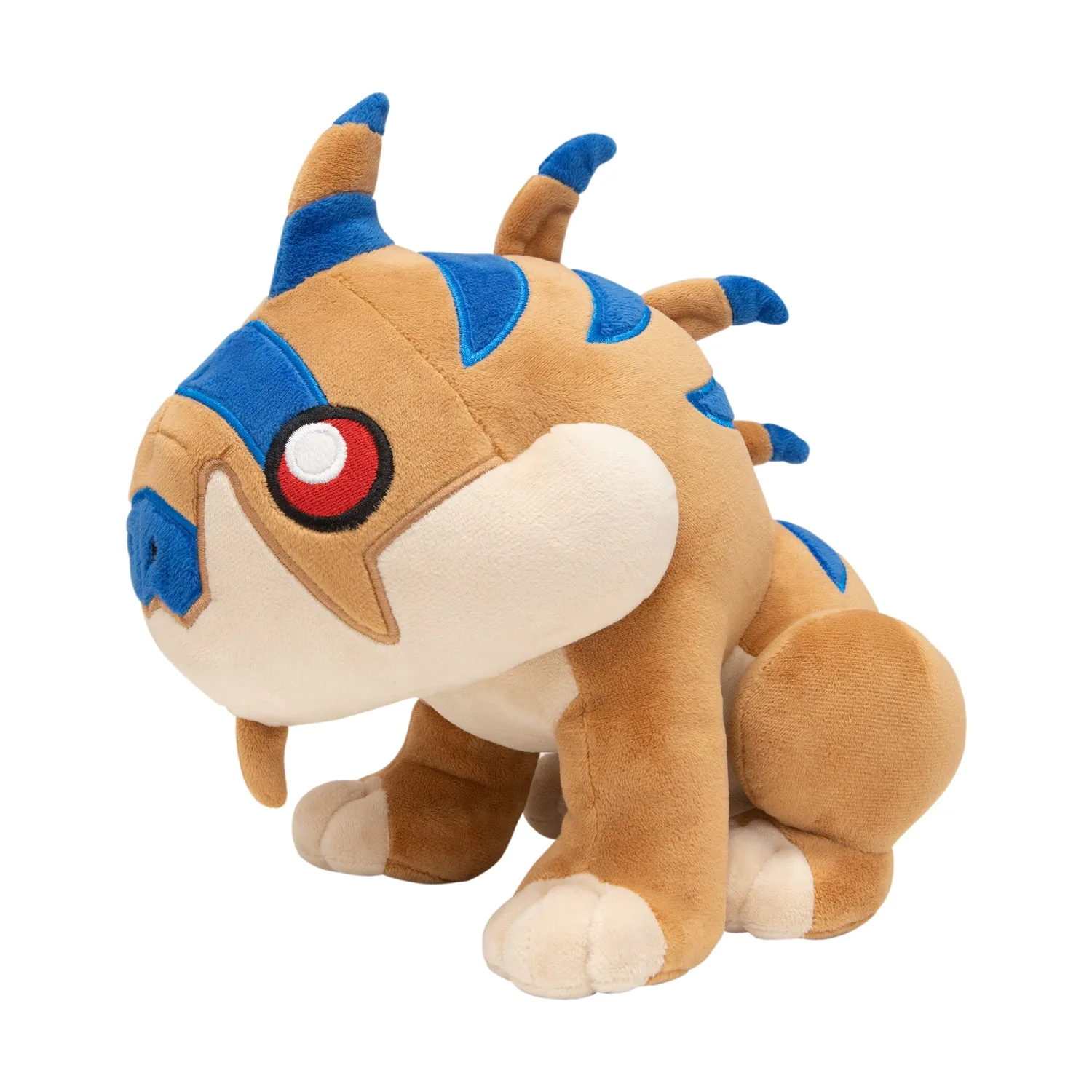
- Mass Effect - Varren Pup Plush: A lovable varren plush inspired by Urz from Tuchanka. A small comfort item near your setup makes long winter sessions cozier, and it gives you a reason to keep your sock drawer organized rather than buried under other gear.
Treat your socks like any other piece of gaming gear: match them to the conditions, rotate them by season, and care for them so they last. Two weights and a simple wash routine solve most foot comfort problems before they start.