Quick Answer
Before buying any gel polish, check three things on the label: the cure type (UV or LED), the removal method (soak-off or peel-off), and the formula description (pigment level, consistency, and any anti-spread claims). If a bottle does not state these basics, treat that as a gap, not a neutral. A 15ml UV/LED soak-off gel with a clearly described creamy formula, like the Ballpit Nails classic line, gives you enough information to predict how it will apply and come off.
Gel polish labels are not decoration. They tell you how the product cures, how it removes, and how it behaves on the nail, and those three details determine whether a bottle becomes a staple or a regret. Most buying mistakes happen because a shopper picks a shade first and reads the label never.
This guide walks through the label details that actually change your results, the trade-offs between different formula claims, and the questions to ask before you add a bottle to your cart. It is written for anyone who does their own gel at home and wants fewer surprises after checkout.
The Three Label Details That Matter Most
Cure type, removal method, and formula description are the non-negotiables. Cure type tells you which lamp the gel needs, and using the wrong one means the polish will not set properly no matter how long you wait. Removal method tells you whether you will soak in acetone or peel, which affects how much time and prep each manicure costs. Formula description, usually a short phrase like creamy gel or anti-spread, tells you how the product will flow and cover.
If a listing omits any of these, you are guessing. A missing cure type is the most serious gap because it affects whether the product works at all. A missing formula description is less risky but still means you cannot predict opacity or control until the bottle arrives. Treat incomplete labels as a reason to look elsewhere rather than a reason to hope for the best.
- Write down your lamp type before you shop so you only consider compatible gels.
- Decide upfront whether you prefer soak-off or peel-off removal, then filter by that.
- If a label lists no formula details, assume you will need more coats than expected.
What Is in Gel Polish and Why the Formula Description Matters
Gel polish is a light-cured product, which means its ingredients are designed to stay liquid until exposed to a UV or LED lamp and then harden. That is why the cure type is printed on the bottle and why a gel that never cures usually points to a lamp mismatch rather than a bad batch. The formula description on a label is the brand's shorthand for how the gel is built: pigment load, consistency, and whether it resists spreading into the sidewalls.
Extreme pigment and anti-spread claims are practical, not marketing fluff. High pigment means fewer coats for full coverage, which saves time and reduces the chance of uneven layers. Anti-spread means the gel holds its position instead of flooding your cuticles, which is the difference between a clean application and a cleanup job. When a label states these properties, you can plan your application around them.
- High-pigment gels usually need one to two coats; sheer or glitter shades may need three or more.
- Anti-spread formulas are easier for beginners because they are more forgiving near the cuticle.
- If a shade is described as sheer, expect the natural nail to show through by design.
Cure Type and Removal: The Trade-Offs You Are Actually Choosing
UV and LED lamps both cure gel, but they are not interchangeable for every product. A gel labeled UV/LED works with either, which gives you flexibility if you already own one lamp or plan to upgrade later. If a gel lists only one cure type, you need that specific lamp, and buying the wrong one is the most common reason a first gel manicure fails.
Removal is the other half of the decision. Soak-off gels are removed with acetone and give you a durable wear that resists lifting, which suits people who want two or more weeks from a set. Peel-off options come off without solvent but generally trade some longevity for convenience. Neither is better in the abstract; the right choice depends on how long you want the manicure to last and how much removal time you are willing to spend.
- If you want maximum wear time, choose soak-off and budget time for acetone removal.
- If you change your nails weekly, peel-off removal may save you more time overall.
- Never assume a gel is soak-off just because it is gel; check the label.
Reading Shade Descriptions Before You Commit
Shade descriptions tell you more than color. A shade listed as a deep tone with a specific undertone, like purple, will read differently on warm and cool skin than a neutral. A shade described as sheer iridescent glitter is designed to layer and catch light, not to give opaque coverage, so buying it expecting a solid color leads to disappointment. The description is your preview of how the polish behaves in real light.
Vibe descriptions, such as winter or holiday references, are useful context for when a shade fits your rotation. They are not specifications, but they help you decide whether a bottle earns its place in your collection or sits unused. Match the shade description to how you actually wear polish, not to how it looks in a single product photo.
- Sheer and glitter shades are best over a base color or worn alone intentionally.
- Deep shades with undertones can shift appearance depending on your lighting.
- If you only wear opaque cremes, skip sheer and glitter listings.
Where Cheap Gel Polish Labels Cut Corners
A low price is not automatically a red flag, but vague labeling often is. When a bottle lists no cure type, no removal method, and no formula description, you cannot verify compatibility with your lamp or predict application. That uncertainty costs you time and sometimes a wasted manicure, which erases the savings from a lower sticker price.
A better signal is a label that states size, cure type, removal, and formula in plain terms. Ballpit Nails lists its classic creamy gel formula with extreme pigment and anti-spread properties on its 15ml UV/LED soak-off gels, which gives you enough to compare bottles directly. That level of detail is what makes a buying decision possible instead of a gamble.
- Compare cost per milliliter, not just the bottle price.
- A 15ml bottle is a reasonable size for trying a new formula without committing to a large volume.
- If a listing shows a comparison price, check whether the regular price is clearly stated.
Decision Rules for Choosing a Gel Polish
- Rule 1: Match the cure type to your lamp: Only buy a gel if the label lists a cure type your lamp supports. A UV/LED label works with either lamp, which is the safest choice if you are unsure. Checkpoint: if no cure type is listed, do not buy.
- Rule 2: Choose removal based on your wear time: Pick soak-off if you want the longest wear and do not mind acetone. Pick peel-off if you change your manicure weekly and value speed over durability. Checkpoint: your removal choice should match how often you redo your nails.
- Rule 3: Let the formula description set your expectations: Extreme pigment means fewer coats; anti-spread means cleaner edges. Sheer or glitter descriptions mean layering, not full coverage. Buy the formula that matches the finish you actually wear. Checkpoint: if the finish is not described, expect to experiment.
- Rule 4: Compare cost per milliliter, not bottle price: A 15ml bottle at a low price can be better value than a smaller bottle at a similar price. Divide price by volume before deciding which is cheaper. Checkpoint: the smaller bottle is only a better deal if you will not use the larger one.
Formula Examples From the Ballpit Nails Line
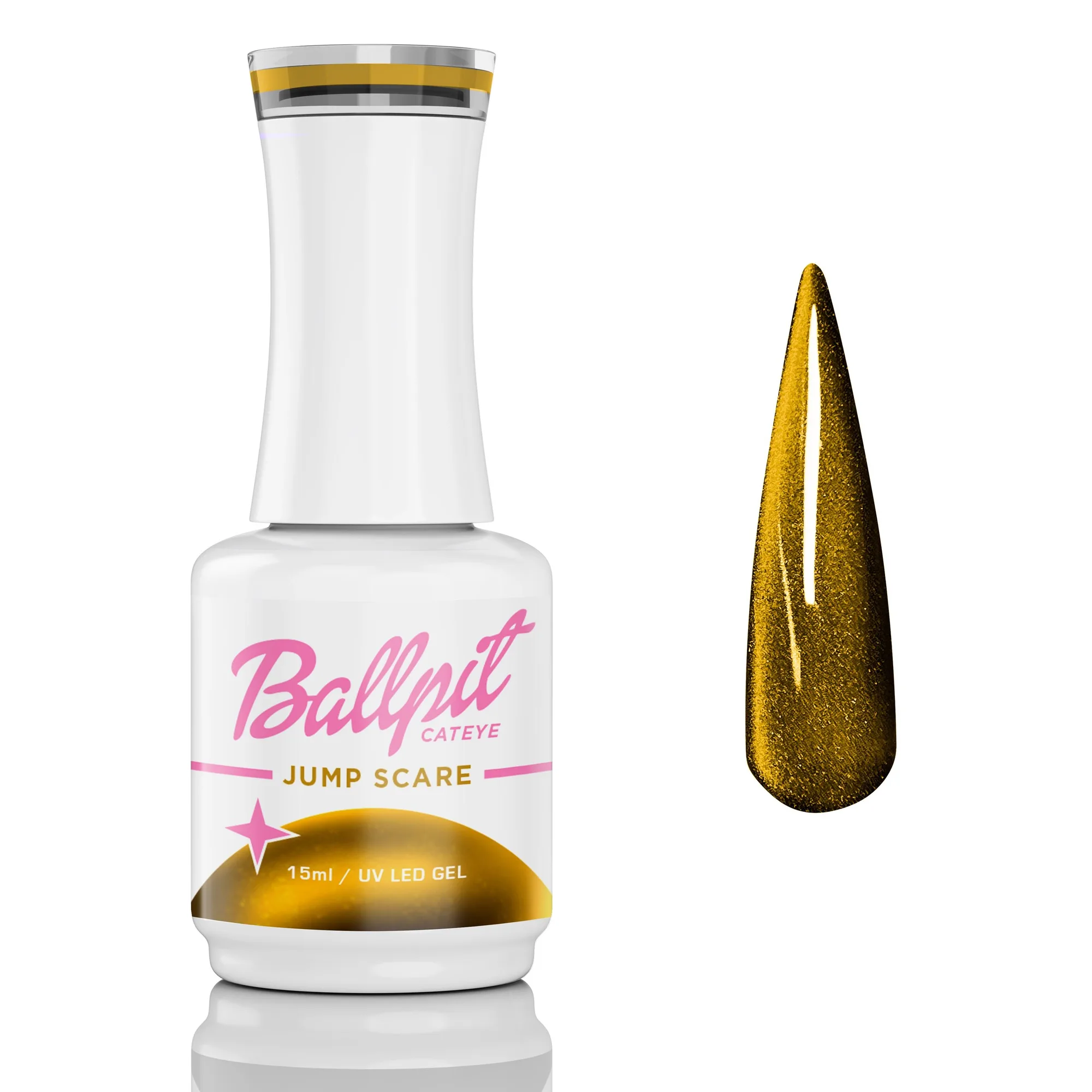
- Jumpscare - Gel Polish: 15ml UV/LED soak-off gel made with the brand's classic creamy gel formula, described as extreme pigment with anti-spread performance. The label states cure type, removal, and formula, so you can confirm lamp compatibility and expect fewer coats with cleaner edges.
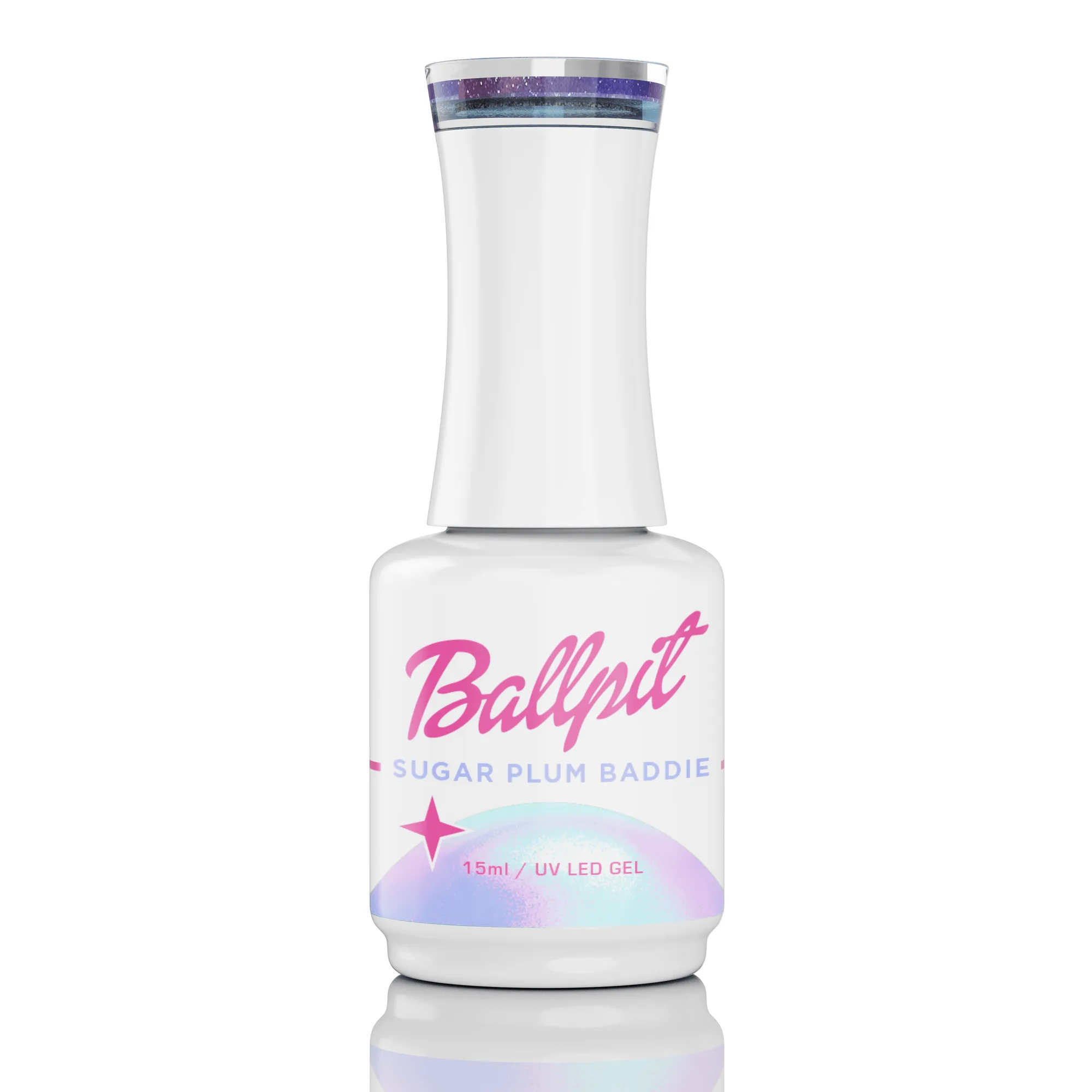
- Sugar Plum Baddie - Gel Polish: 15ml UV/LED soak-off gel in a sheer purple iridescent glitter shade, described with winter Bratz and Swan Lake Barbie vibes. The sheer glitter description sets the right expectation: this is a layering or light-catching shade, not an opaque creme.
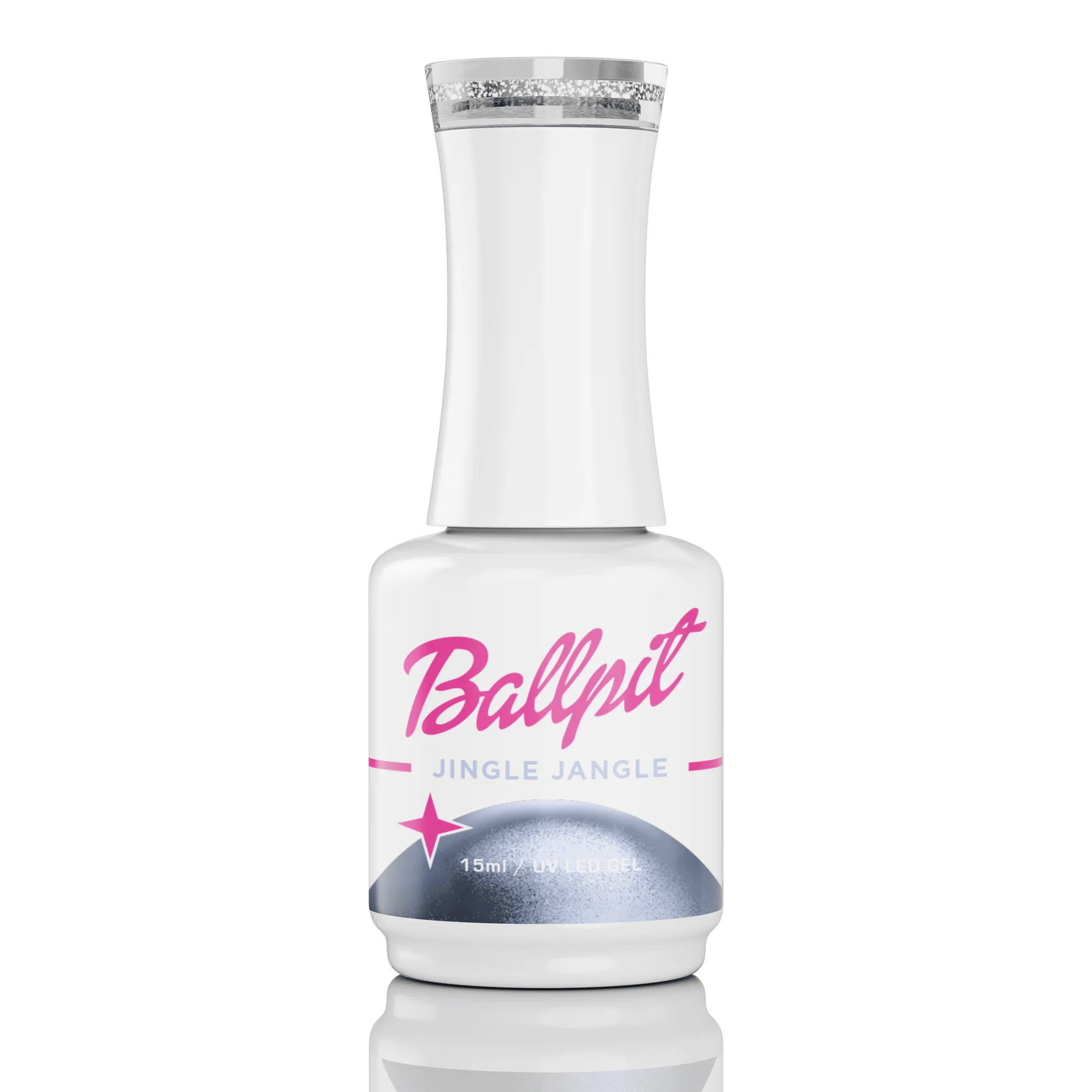
- Jingle Jangle - Gel Polish: 15ml UV/LED soak-off gel with a lightbulb gel formula that illuminates in direct light, in a semi-sheer twinkling silver shade. The formula note explains why the shade behaves differently in flash versus indoor light, so you know what you are buying before it arrives.
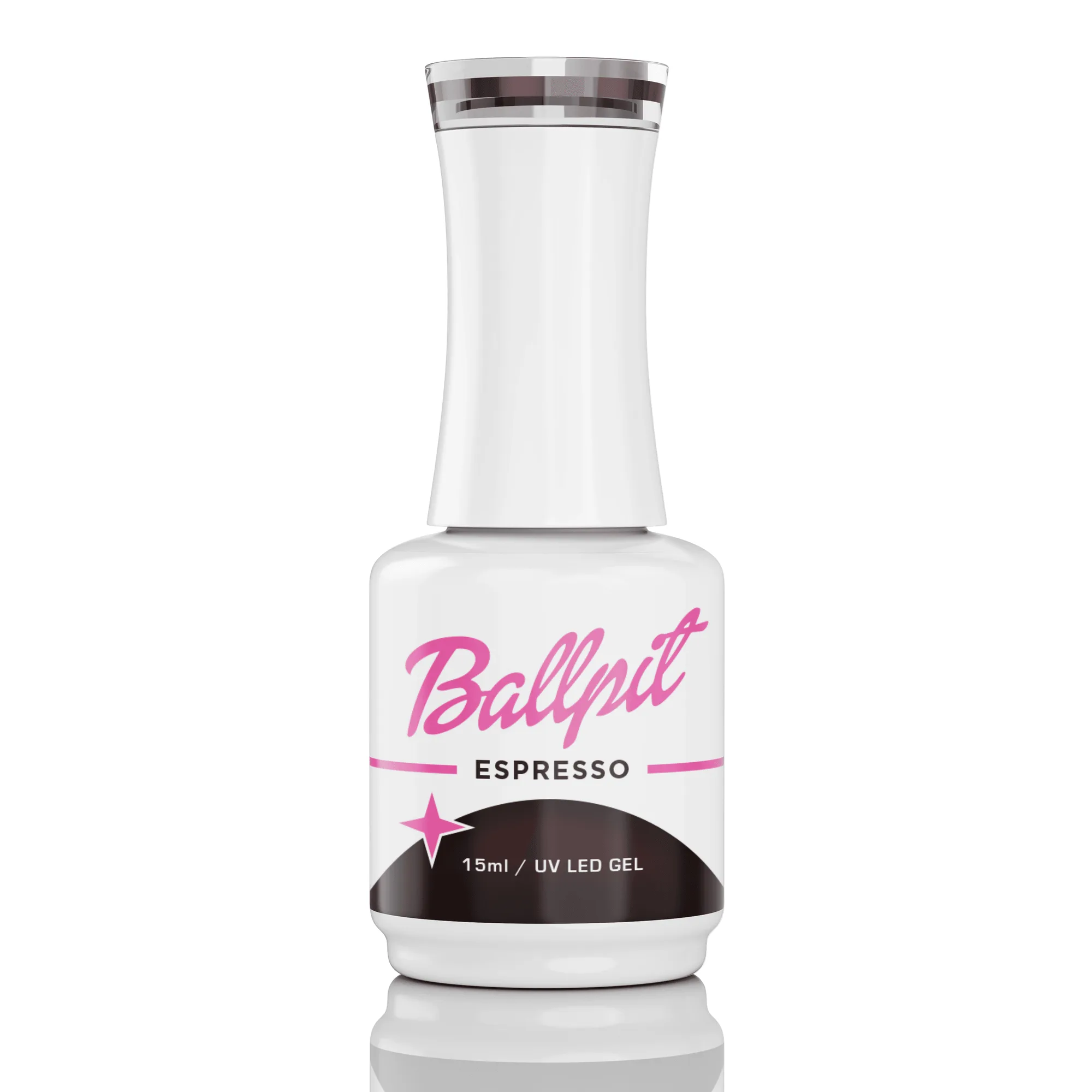
- Espresso - Gel Polish: 15ml UV/LED soak-off gel in a deep shade with purple undertones, using the classic creamy gel formula with extreme pigment and anti-spread properties. The undertone is stated, which helps you predict how the shade will read against your skin tone rather than guessing from a photo.
Who This Buying Approach Fits
Best for
- At-home gel users who want to compare bottles using stated facts rather than photos
- Shoppers replacing a gel that cured poorly or removed badly and want to avoid repeating the mistake
- Anyone building a small, deliberate collection and unwilling to buy shades they will not wear
Not for
- Shoppers looking for a single universal gel that works with every lamp and removal preference
- Buyers who prioritize shade variety over label detail and are comfortable experimenting
- Professional techs who already have a established product line and protocol
Read the label before you read the shade name. Cure type, removal method, and formula description tell you whether a gel will work with your setup and how it will behave on the nail, and a bottle that states all three, like the 15ml UV/LED soak-off gels in the Ballpit Nails classic line, gives you a real basis for comparison. Buy the formula that matches your routine, and you will spend less time fixing application problems and more time wearing the manicure.