Quick Answer
A slightly tacky, sticky film on top of cured color gel is normal and is called the inhibition layer. Leave it alone if you are applying another gel layer on top, and wipe it only after your final glossy top coat. If the stickiness sits underneath the surface, feels wet when you press it, or smears when you touch it, the gel is undercured and needs more time under the lamp.
You finish your last coat, cure it, and tap the nail with your finger. It feels sticky. Before you assume the manicure is ruined, know that some tackiness is built into how gel polish works. The confusion is that two very different problems look almost identical at first touch: a normal inhibition layer and gel that has not fully cured.
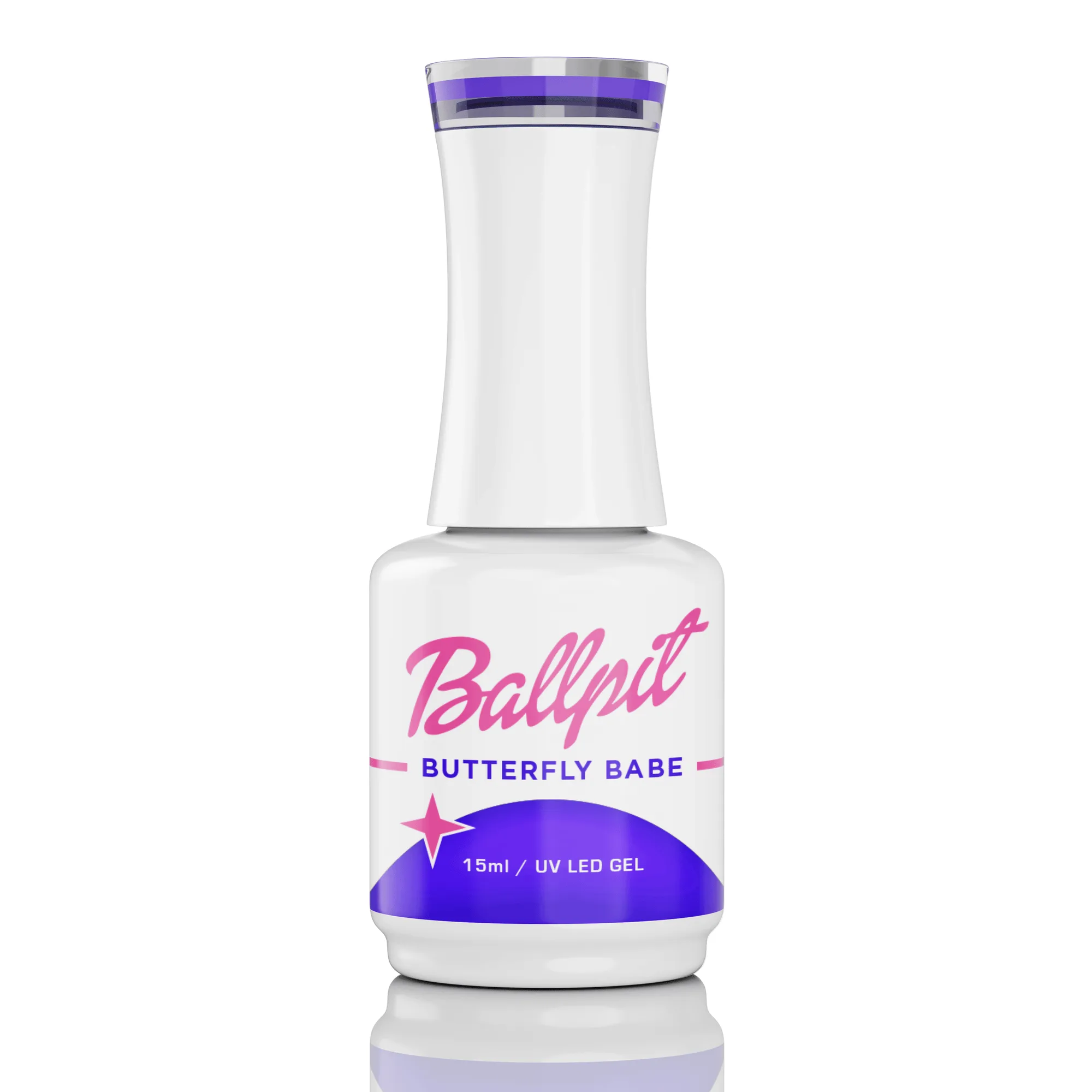
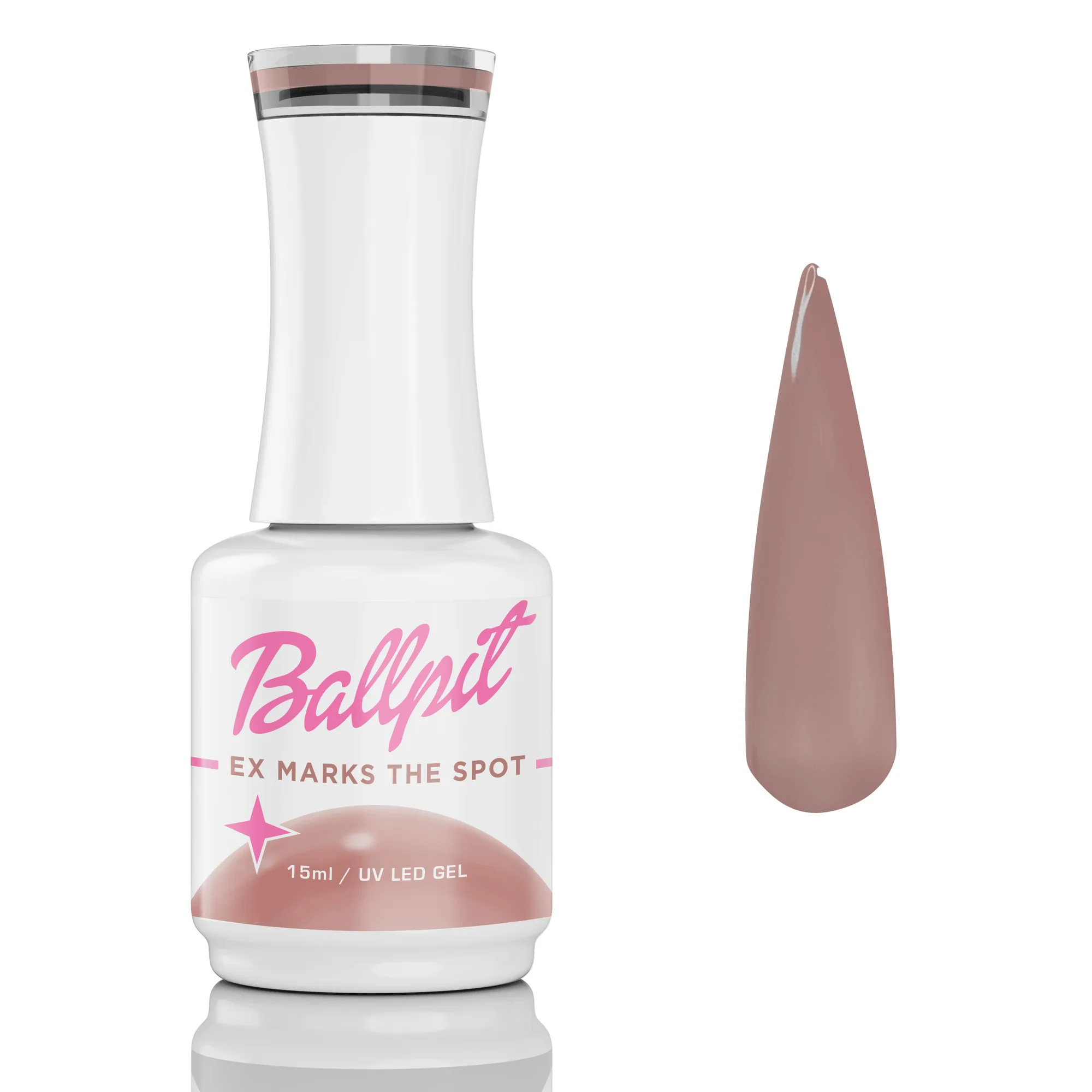
This guide separates the symptom from the cause, gives you a corrective action for each, and tells you the point where you should stop trying to rescue the manicure and remove it instead. The same logic applies whether you are using a soft purple like Butterfly Babe or a deeper shade such as Ex Marks The Spot.
What the Inhibition Layer Actually Is
UV and LED gels cure by a chemical reaction that needs light. The top surface of the gel is exposed to air, and oxygen slows that reaction right at the surface. The result is a thin, uncured, sticky film called the inhibition layer. It is not a defect. It is a normal part of the process, and most gel systems expect it to be there.
This is why your color coats feel tacky after curing and why instructions usually tell you not to wipe between layers. That sticky surface gives the next coat something to grab onto. If you wipe it with cleanser before your top coat, you remove that grip and can end up with lifting or a patchy finish.
- Do not wipe the inhibition layer between color coats unless your specific system tells you to.
- Wipe only after the final top coat has cured.
- Use a lint-free pad and gel cleanser or 91% or higher isopropyl alcohol.
How to Tell Sticky From Undercured
The inhibition layer is thin and superficial. Press it lightly and it feels like a tacky film sitting on top of a hard surface. Undercured gel is different. It feels soft or wet when you press, it dents instead of resisting, and it can smear or drag when you touch it. If the stickiness goes deeper than the surface, you are not looking at a normal inhibition layer.
Another quick check is the sidewall and free edge. If those areas are still soft while the center of the nail is hard, your lamp is likely not reaching the edges properly. That points to a curing problem rather than a formulation issue.
- Hard surface plus thin tacky film equals normal inhibition layer.
- Soft, wet, or dentable surface equals undercured gel.
- Soft edges with a hard center usually means the lamp missed those areas.
Common Reasons Gel Polish Does Not Cure
The most frequent cause is a lamp that does not match the gel. UV and LED gels are formulated for specific wavelengths, and a weak or aging lamp can leave the surface undercured even when you follow the recommended time. Bulb or LED life matters here, because output drops over time without any visible change.
Application thickness is the second big one. Gel polish needs to be applied in thin coats. A thick, flooded coat blocks light from reaching the bottom layers, so the top cures while the underside stays soft. Painting too close to the cuticle or sidewalls also traps gel where light cannot reach, which is why those areas stay tacky or peel early.
- Check that your lamp is rated for the gel you are using.
- Apply thin coats rather than one thick coat.
- Keep gel off the cuticle and sidewalls so light can reach the edges.
Corrective Actions That Actually Help
If the surface is tacky but hard, finish your manicure. Apply your top coat over the inhibition layer, cure it, then wipe with cleanser. That single wipe after the final cure is what removes the sticky film and leaves the shine. If you already wiped too early and your color looks dull or patchy, add another thin color coat and cure it before topping.
If the gel is genuinely undercured, do not just wipe and hope. Cure the nail again for the full recommended time, and if it is still soft, remove it. Adding more layers over uncured gel traps solvent and soft gel underneath, which leads to peeling, irritation, and a manicure that fails within a day or two.
- Re-cure undercured nails for the full recommended time before adding anything on top.
- If a second full cure does not harden it, remove and start over.
- Never seal over gel that still feels wet or dents.
When to Stop and Remove Instead
There is a point where fixing becomes more work than restarting. If the gel is soft across the whole nail after two full cures, if it smears when you touch it, or if you feel any heat, throbbing, or itching, stop. Remove the manicure with a soak-off method rather than filing aggressively at soft gel, which can damage the nail plate.
The same applies if only the edges keep failing while the center cures fine. That pattern usually means your application or lamp placement is the issue, not the polish, so redoing the same steps will give you the same result. Fix the technique first, then reapply.
- Two failed full cures means remove, do not keep adding layers.
- Any heat, pain, or itching means stop and remove immediately.
- Repeated edge-only failures point to technique, not product.
Sticky Nail Diagnosis
- Thin tacky film on a hard surface: This is the normal inhibition layer. Do not wipe it until after your final top coat. Proceed with your next layer as planned.
- Soft, wet, or dentable surface: The gel is undercured. Re-cure for the full recommended time under a lamp rated for your gel. If it is still soft after a second full cure, remove it.
- Hard center with soft edges or sidewalls: Light is not reaching the edges, usually because gel was applied too close to the cuticle or too thickly. Remove, then reapply thinner coats with a clean margin at the cuticle.
- Heat, throbbing, or itching during or after curing: Stop the manicure and remove the gel with a soak-off method. Do not file at soft gel. Do not reapply until the nail feels normal again.
Products Used in This Guide
- Butterfly Babe - Gel Polish: Butterfly Babe is a 15 ml UV / LED soak-off gel in a soft purple shade, made with the brand's classic creamy gel formula for extreme pigment and anti-spread application. A creamy, high-pigment formula can look fully opaque in one coat, which tempts you to apply it thick. Keep it thin so the light reaches the bottom layer and the surface cures evenly.
- Ex Marks The Spot - Gel Polish: Ex Marks The Spot is a 15 ml UV / LED soak-off gel made with the classic creamy gel formula, featuring extreme pigment and an anti-spread consistency. The anti-spread consistency helps you keep gel away from the cuticle and sidewalls, which is exactly where undercuring and early lifting tend to start.
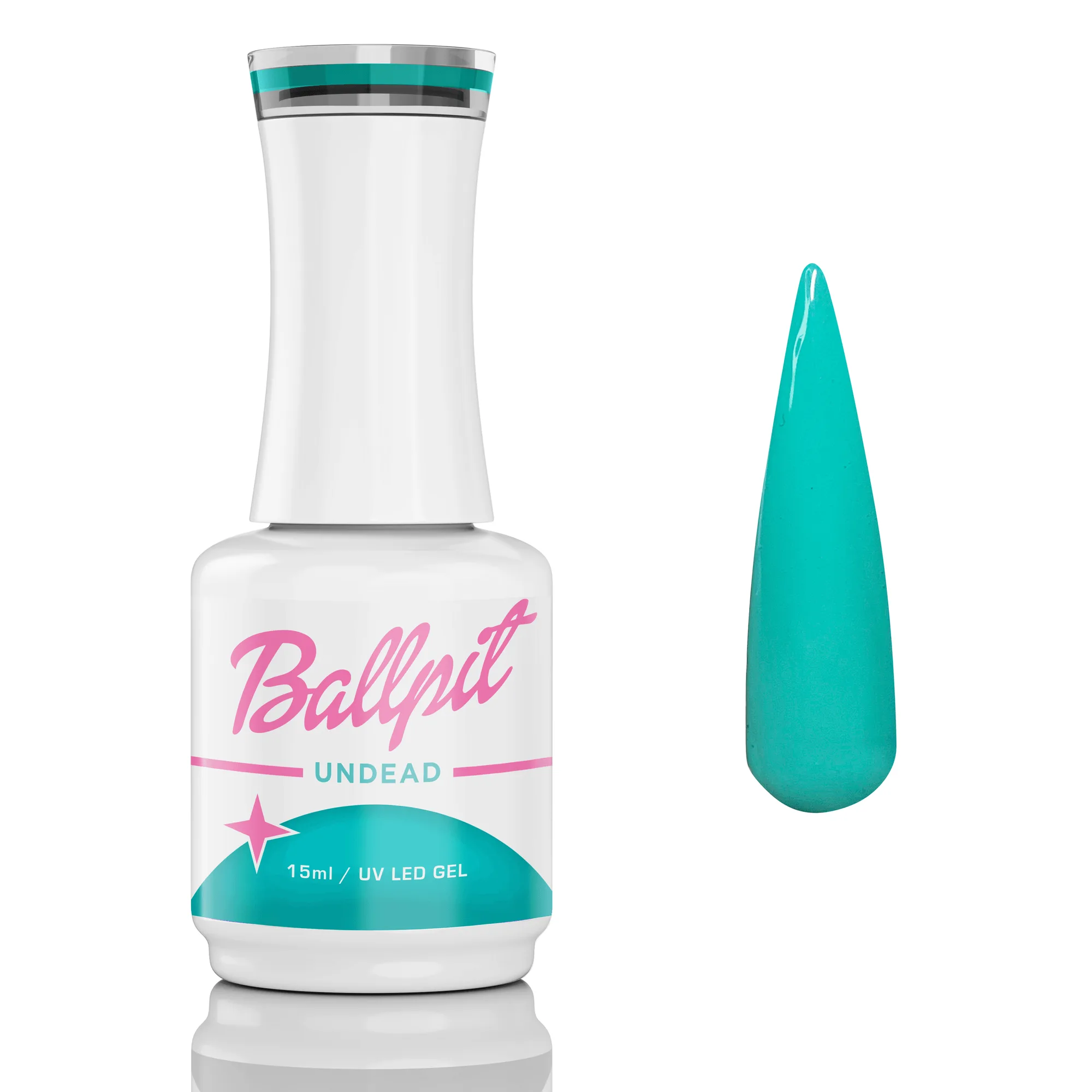
- Undead - Gel Polish: Undead is a 15 ml UV / LED soak-off gel in a Zombie skin teal shade, using the classic creamy gel formula with extreme pigment and anti-spread properties. Deeper and more saturated shades show curing problems clearly, because soft or smeared areas look uneven in color. Use it as an easy visual check after curing.
Sticky gel polish after curing is usually the inhibition layer doing its job, so wipe it only after your final top coat. When the stickiness runs deeper than the surface, treat it as an undercuring problem, fix the lamp or application, and remove rather than layer over gel that never hardened.