Moisturizing is a non-negotiable step in any skincare routine, but with so many textures on the market, it's easy to feel overwhelmed. The most common dilemma? Gel vs cream. Both serve the same purpose—hydrating the skin—but they do so in very different ways. Choosing the wrong one can leave your skin feeling greasy, tight, or even break you out. In this guide, we'll break down the differences between gel and cream moisturizers, explore their benefits, and help you decide which is best for your skin type.
Understanding your skin's needs is the first step. Oily skin often craves lightweight hydration, while dry skin needs richer, more emollient formulas. Combination skin, meanwhile, may require a bit of both. By the end of this article, you'll know exactly what to look for and how to incorporate the right moisturizer into your daily routine.
What Is a Gel Moisturizer?
Gel moisturizers are water-based formulas that typically have a light, almost jelly-like texture. They are designed to deliver hydration without adding heavy oils or lipids to the skin. Because they absorb quickly and leave no greasy residue, they are particularly popular among people with oily or combination skin. The primary benefit of a gel moisturizer is its ability to provide a refreshing burst of moisture that feels weightless on the skin.
Many gel moisturizers also contain humectants like hyaluronic acid or glycerin, which draw water into the skin. This makes them excellent for daytime use, especially under makeup, as they create a smooth, non-slippery base. If you live in a humid climate or have acne-prone skin, a gel formula can help keep your skin balanced without clogging pores.
- Lightweight and fast-absorbing
- Ideal for oily and combination skin
- Often oil-free and non-comedogenic
What Is a Cream Moisturizer?
Cream moisturizers have a thicker, richer consistency because they contain a higher proportion of oils, butters, and emollients. They are formulated to create a protective barrier on the skin that locks in moisture and prevents water loss. This makes them the go-to choice for dry or mature skin, which benefits from the added lipids that help restore the skin's natural lipid barrier.
Creams are also more nourishing and can provide long-lasting hydration, making them ideal for nighttime use or during colder months. However, they can feel heavy on oily skin and may contribute to clogged pores if not chosen carefully. For those with normal to dry skin, a well-formulated cream can make a world of difference in maintaining softness and suppleness.
- Rich, emollient texture
- Best for dry and mature skin
- Provides a protective barrier and long-lasting moisture
Key Differences Between Gel and Cream Moisturizers
The fundamental difference lies in their composition. Gels are water-dominant, while creams are oil-dominant. This affects not only the texture but also how they interact with your skin. Gels are ideal for delivering hydration quickly, but they may not be enough for very dry skin. Creams, on the other hand, offer more occlusion, which helps prevent transepidermal water loss—a key factor in maintaining skin health.
Another difference is the feel. Gels often have a cooling sensation and are perfect for morning routines or hot weather. Creams feel more luxurious and soothing, making them a favorite for evening rituals. When choosing between the two, consider your skin's immediate needs. If you're experiencing dehydration, a gel might be more refreshing; if you're dealing with flakiness, a cream will provide the comfort you need.
- Water-based vs. oil-based
- Lightweight vs. rich
- Quick absorption vs. longer-lasting barrier
- Ideal for oily vs. dry skin
How to Choose the Best Moisturizer for Your Skin Type
Your skin type is the most important factor in this decision. If you have oily skin, look for a gel moisturizer that is oil-free and non-comedogenic. Ingredients like niacinamide or salicylic acid can also help control excess oil. A product like the Repairing Gel is a great example—it offers lightweight hydration while soothing the skin, making it an excellent choice for oily or combination skin.
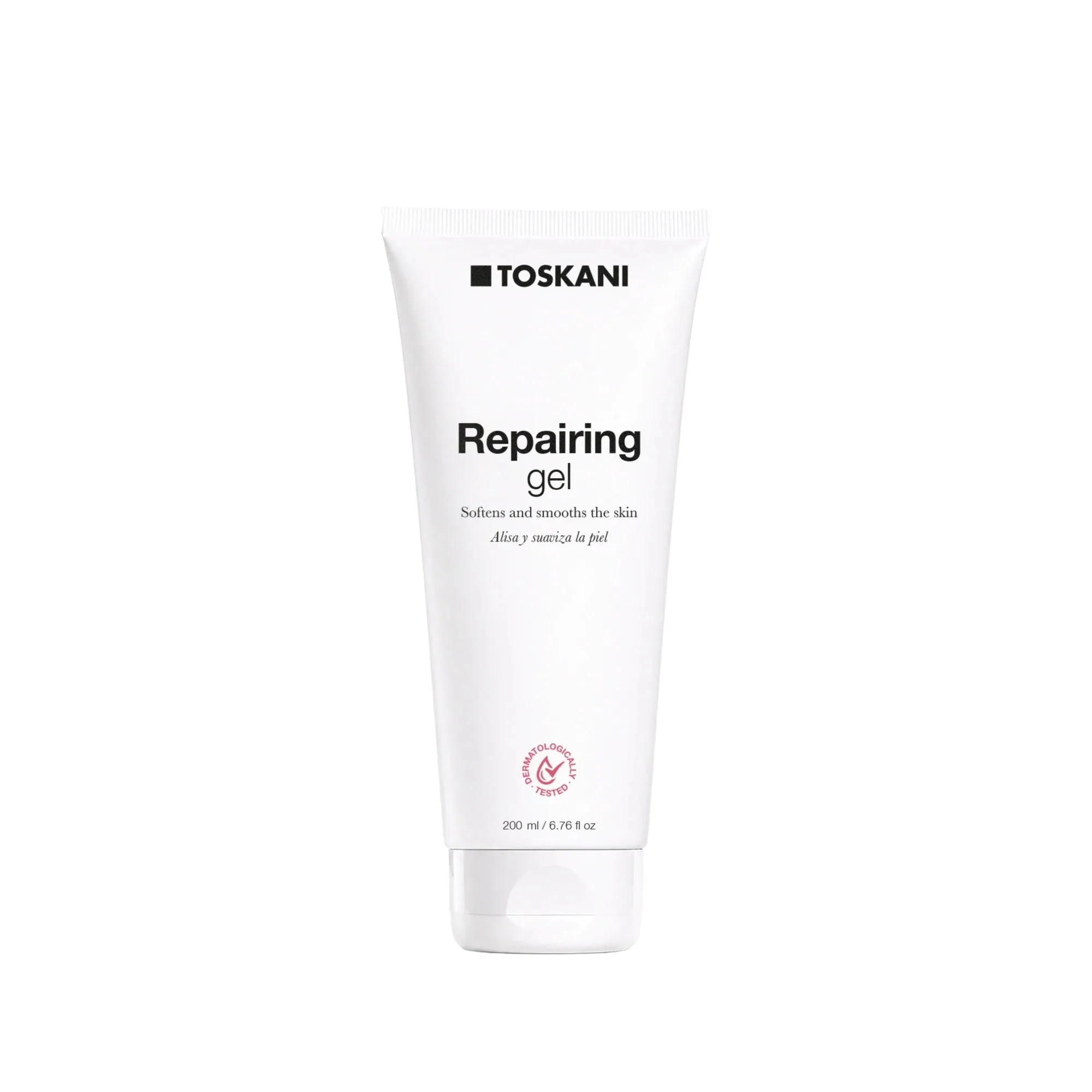
Repairing Gel
For dry skin, you'll want a cream that contains ceramides, shea butter, or hyaluronic acid. These ingredients help restore the skin barrier and lock in moisture. The Total Recovery Cream is a fantastic option, as it provides intense nourishment and helps repair damaged skin. If your skin is sensitive or prone to redness, look for calming ingredients like aloe or allantoin.
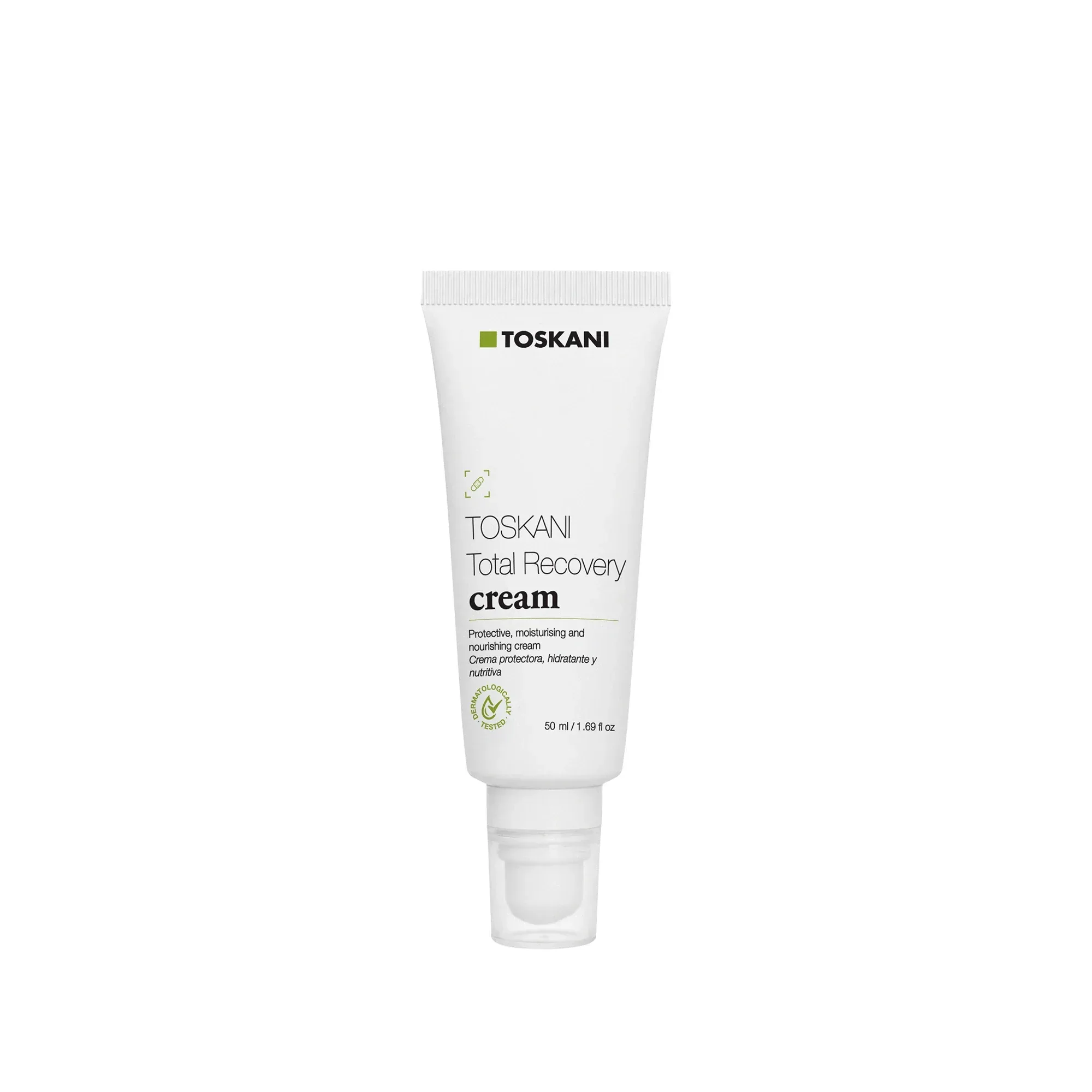
Total Recovery Cream
Combination skin can be trickier. You might need a gel in the summer and a cream in the winter, or you can use a gel-based moisturizer on your T-zone and a cream on your cheeks. Some people find that a light cream works well all year round. Experiment to see what feels best, and don't be afraid to switch depending on the season or your skin's current state.
- Oily skin: opt for a gel moisturizer with oil-controlling ingredients
- Dry skin: choose a rich cream with barrier-repairing ingredients
- Combination skin: consider layering or using different products on different areas
Gel and Cream Moisturizers in Professional Skincare
Professional skincare brands often offer both formats to cater to different needs. For example, Toskani's line includes products like the Repairing Gel and the Total Recovery Cream, each formulated to address specific concerns. The Repairing Gel is perfect for those who want a lightweight, soothing option, while the Total Recovery Cream is designed for intensive repair and hydration.
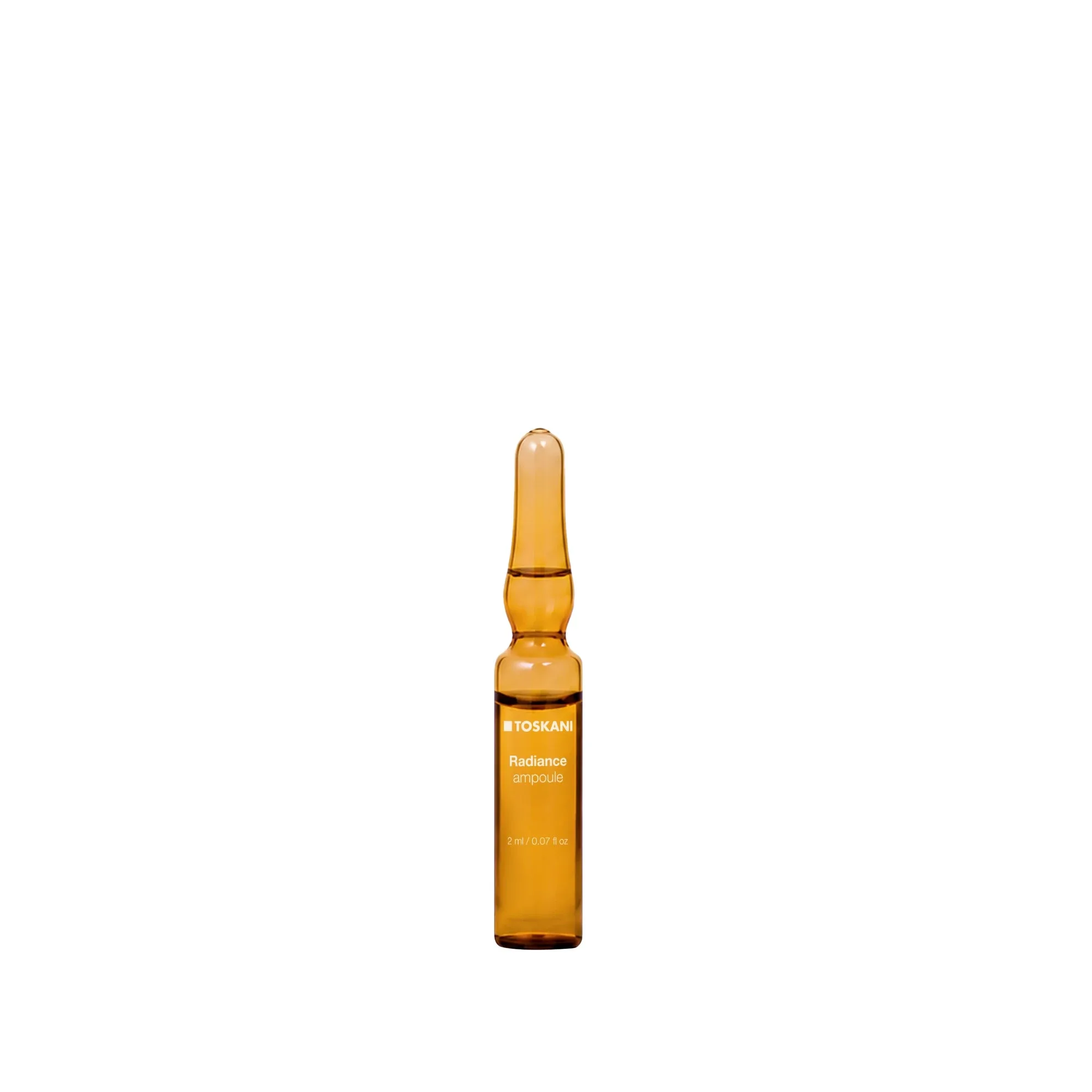
When building your routine, you can also incorporate other products that complement your moisturizer choice. For instance, using a serum before your moisturizer can boost hydration. The Radiance ampoule is an excellent addition for dull skin, providing a concentrated dose of active ingredients. Remember, the right moisturizer is the final step that seals in all the benefits of your previous products.
- Professional products often offer both gel and cream options
- Serums and ampoules can enhance your moisturizer's effectiveness
- Always apply moisturizer on slightly damp skin for better absorption
Practical Tips for Incorporating Your Moisturizer
To get the most out of your moisturizer, apply it to slightly damp skin. This helps lock in water and enhances absorption. Use a pea-sized amount for your face and gently press it into the skin rather than rubbing. This is especially important for creams, as pressing helps the product penetrate without pulling the skin.
In the morning, you might prefer a gel to avoid a heavy feel under sunscreen and makeup. At night, a cream can work while you sleep to repair and nourish. If you're using active ingredients like retinol, a moisturizer can help buffer irritation. For example, after applying a retinol serum, follow with a soothing cream like the Total Recovery Cream to minimize dryness.
- Apply on damp skin
- Use a pea-sized amount
- Consider using a gel in the morning and a cream at night
Choosing between a gel and cream moisturizer doesn't have to be complicated. By understanding your skin type and the benefits of each texture, you can make an informed decision that keeps your skin healthy and happy. Whether you opt for the lightweight Repairing Gel or the nourishing Total Recovery Cream, the key is to listen to your skin and adjust as needed. Explore our range of professional moisturizers to find your perfect match today.