Quick answer
Start with the contents, not the packaging. For fragile pastries, cookies, or anything traveling more than a day, choose a metal tin with a snug lid. For lightweight, shelf-stable gifts you'll hand-deliver or ship short distances, a rigid gift box with tissue and a filler works well. Match the interior size to the item, then add 1/2 to 1 inch of cushioning on all sides.
A beautiful gift box or tin does two jobs: it protects what's inside and it tells the recipient you thought about the presentation. The trouble is that most people pick the container first, then discover the contents rattle, crush, or arrive stale. This guide walks through the practical decisions — material, size, closure, and shipping method — so your baked gifts arrive looking as good as they did when you packed them.
We'll focus on food gifts specifically, since baked goods have different needs than clothing or candles. You'll see how real products from our bakery range fit different scenarios, and you'll get decision rules you can apply to any box or tin you're considering.
Tin vs. box: pick by fragility and transit time
Metal tins win on protection. They resist crushing, hold their shape in a mailer, and their lids create a tighter seal than most folding boxes. That makes them the better choice for fragile items like tarts, cookies, or anything with a delicate glaze. The trade-off is weight and cost — a tin adds ounces and dollars that a box doesn't.
Rigid gift boxes are lighter and often more customizable in shape and print, which helps if presentation is the priority. But they dent, and a box that isn't filled snugly lets contents slide. If you're shipping a box, plan on a corrugated outer carton and enough void fill to stop movement. For hand delivery, a box is usually fine and often looks more polished.
- Choose a tin when the gift is fragile, traveling by mail, or sitting under a tree for a week.
- Choose a box when the gift is lightweight, shelf-stable, and hand-delivered or shipped short distances.
- Never ship a bare gift box without an outer carton — the box is presentation, not protection.
Sizing: measure the contents, then add cushioning
Gift box sizes are usually listed as outer dimensions, but what matters is interior space. Measure the widest point of what you're packing, then add 1/2 to 1 inch on every side for cushioning. If the item is irregular — a pie, a tart, a cluster of pastries — measure the container it sits in, not the food itself.
Depth is the dimension people forget. A box that's wide enough but too shallow will crush a domed pie or a stacked cookie. For tins, check the interior depth against the tallest item plus its padding. If a product listing doesn't state interior dimensions, treat that as a decision limitation and ask before buying — guessing leads to returns.
- Measure the widest and tallest points of the packed contents, not the raw food.
- Add 1/2 to 1 inch of cushioning per side for shipping; 1/4 inch is enough for hand delivery.
- If interior dimensions aren't listed, contact the seller — don't assume.
Shipping baked goods without a crushed arrival
The outer carton does the heavy lifting. Use a corrugated box rated for the weight, line it with bubble wrap or kraft paper, and place the gift box or tin in the center so it can't touch the walls. Fill every gap — movement is what breaks cookies and cracks tarts. For tins, tape the lid shut with painter's tape so it doesn't pop in transit.
Temperature matters as much as padding. Chocolate, glazes, and jam fillings soften in heat, so ship early in the week and avoid routes that sit in a hot truck over a weekend. If you're shipping a perishable item, choose expedited service and tell the recipient when to expect it. For shelf-stable items like granola or firm cookies, standard shipping is usually fine.
granola
- Double-box: gift container inside, corrugated shipper outside, no contact between them.
- Tape tin lids and box flaps; a lid that shifts will crush what's underneath.
- Ship Monday through Wednesday for perishable or heat-sensitive gifts.
Presentation that survives the trip
Tissue paper, crinkle cut filler, and a ribbon all look great when packed, but they compress. If presentation matters on arrival, put the decorative layer inside the gift container and keep the outer shipper plain. That way the recipient opens a clean box, not a battered one. For tins, a simple belly band or a handwritten tag on the lid reads as thoughtful without adding bulk.
If you're sending multiple items, group them by weight. Heavy items go on the bottom, light and fragile on top, with a divider if the box allows. A divider isn't just neat — it stops a heavy jar from sliding into a delicate pastry during transit. When in doubt, pack one layer per box and use two boxes rather than overstuffing one.
- Keep the decorative wrap inside the gift container; let the shipper take the abuse.
- Layer by weight: heavy on the bottom, fragile on top, divider between.
- A handwritten tag or belly band adds presentation without adding crush risk.
Decision rules for gift boxes and tins
- Rule 1: Fragile or perishable?: Choose a metal tin with a tight lid and tape it shut. Tins resist crushing and hold a seal better than folding boxes. If it can crack, melt, or stale, tin beats box.
- Rule 2: Shipping more than one day?: Use a corrugated outer carton with 2 inches of cushioning on all sides. The gift container never touches the shipper wall. The outer box protects; the gift box presents.
- Rule 3: Hand delivery or local pickup?: A rigid gift box with tissue and a ribbon is lighter, cheaper, and often more attractive than a tin. Skip the tin when the trip is short.
- Rule 4: Sizing the interior: Measure the packed contents at their widest and tallest, then add 1/2 to 1 inch per side for shipping and 1/4 inch for hand delivery. If interior dimensions aren't listed, ask before you buy.
- Rule 5: Multiple items in one gift: Layer by weight — heavy on the bottom, fragile on top — with a divider between layers. If it doesn't fit without pressure, use two containers. Overstuffing is the most common cause of broken gifts.
How our bakery items fit different packaging
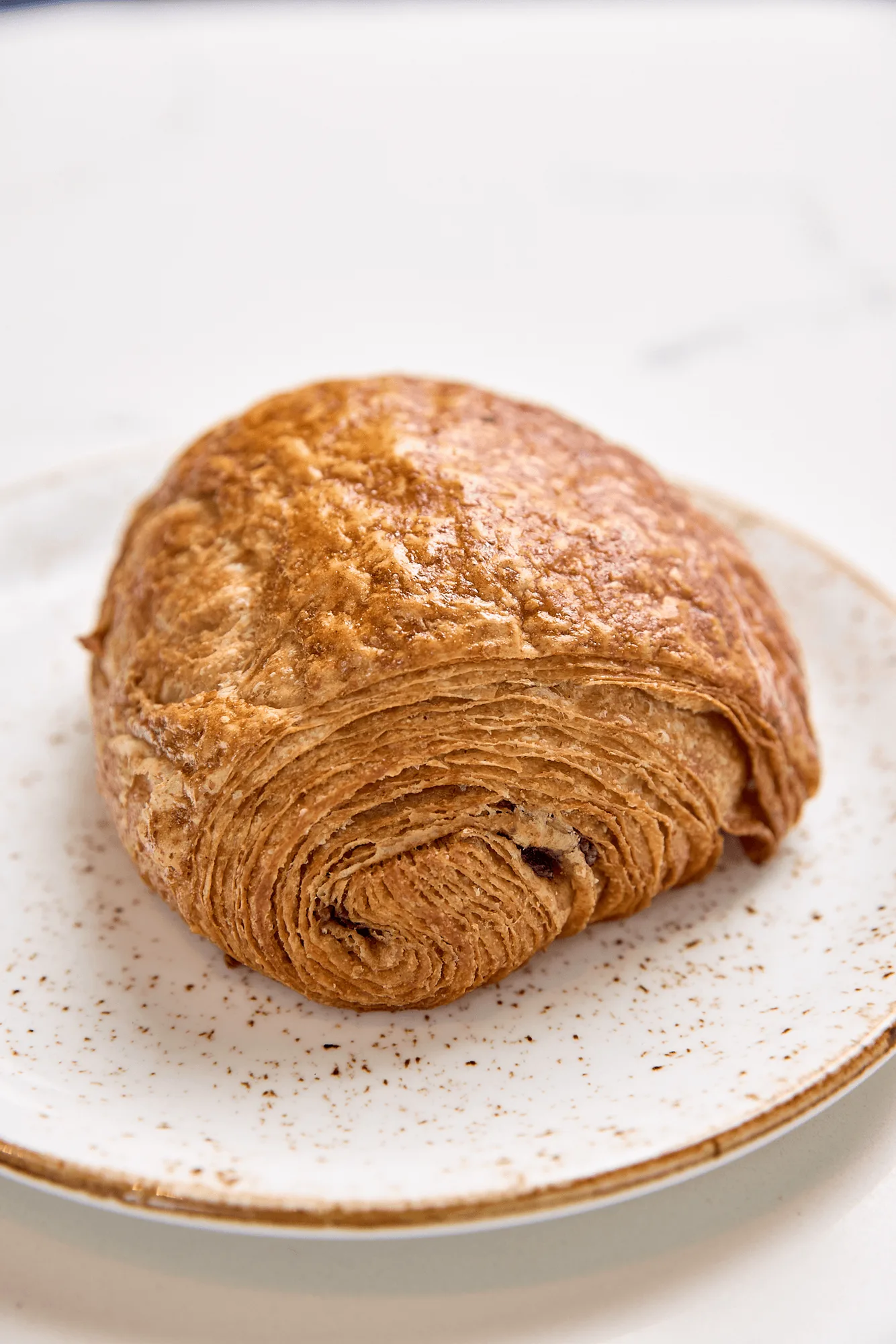
- https://kneadsbakeshopcafe.com/products/pain-au-chocolat-box-f278bcd05bdfacc764247349-1645746Pain Au Chocolat Box: One dozen chocolate croissants per box, freshly milled, tagged for pastry catering and ideal for gatherings, meetings, or café-style service. A dozen croissants is bulky and fragile. Pack them in a shallow, wide tin or a rigid box with a divider so they don't stack and crush; a deep box will flatten the layers.
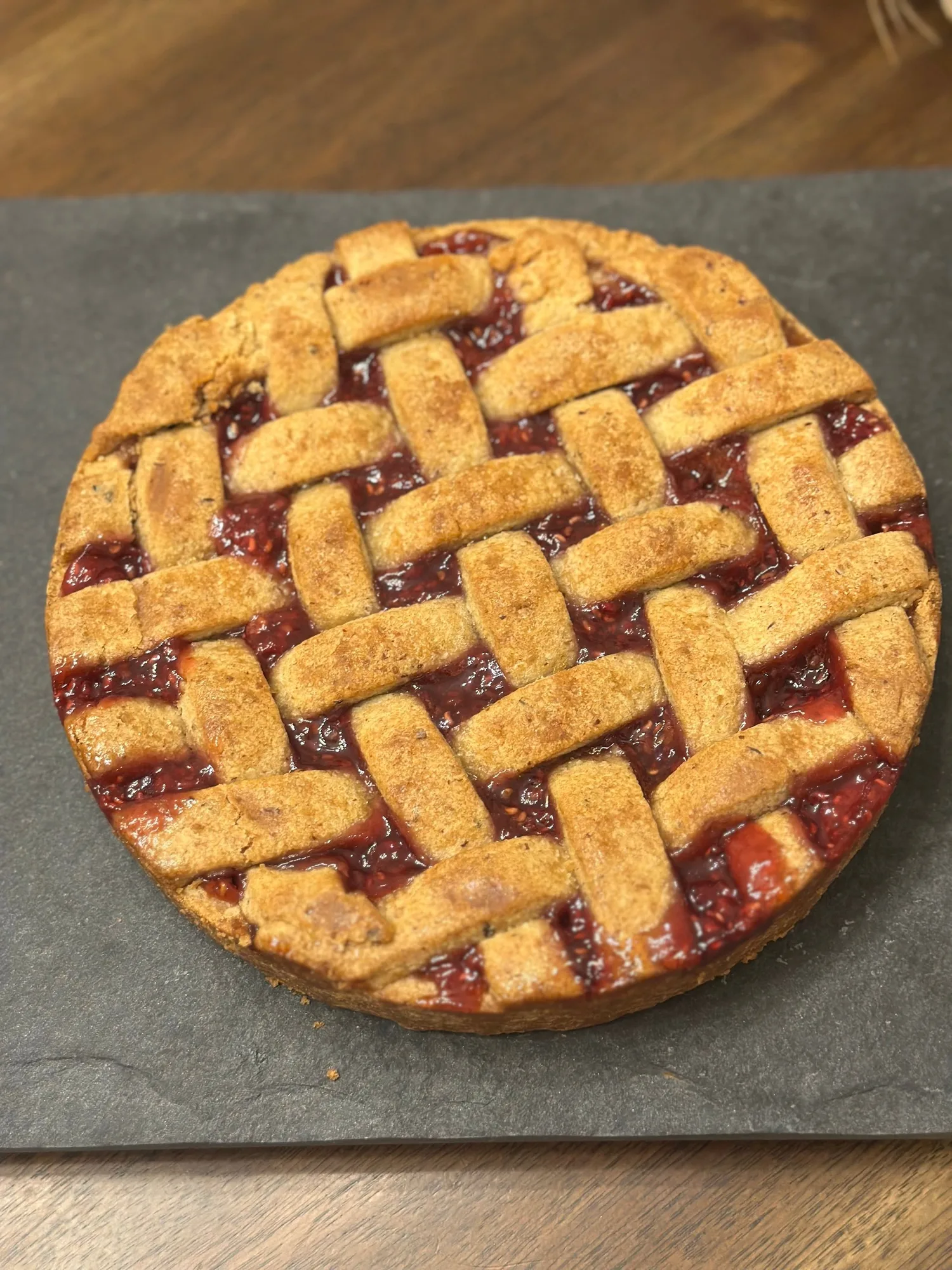
- Raspberry Linzer Tart: Almond and hazelnut shortcrust with raspberry jam filling, listed among Christmas Desserts and Pies. A jam-filled tart is heavy and prone to cracking. Choose a tin with a snug lid and a flat base, and cushion the top so the crust doesn't shatter in transit.
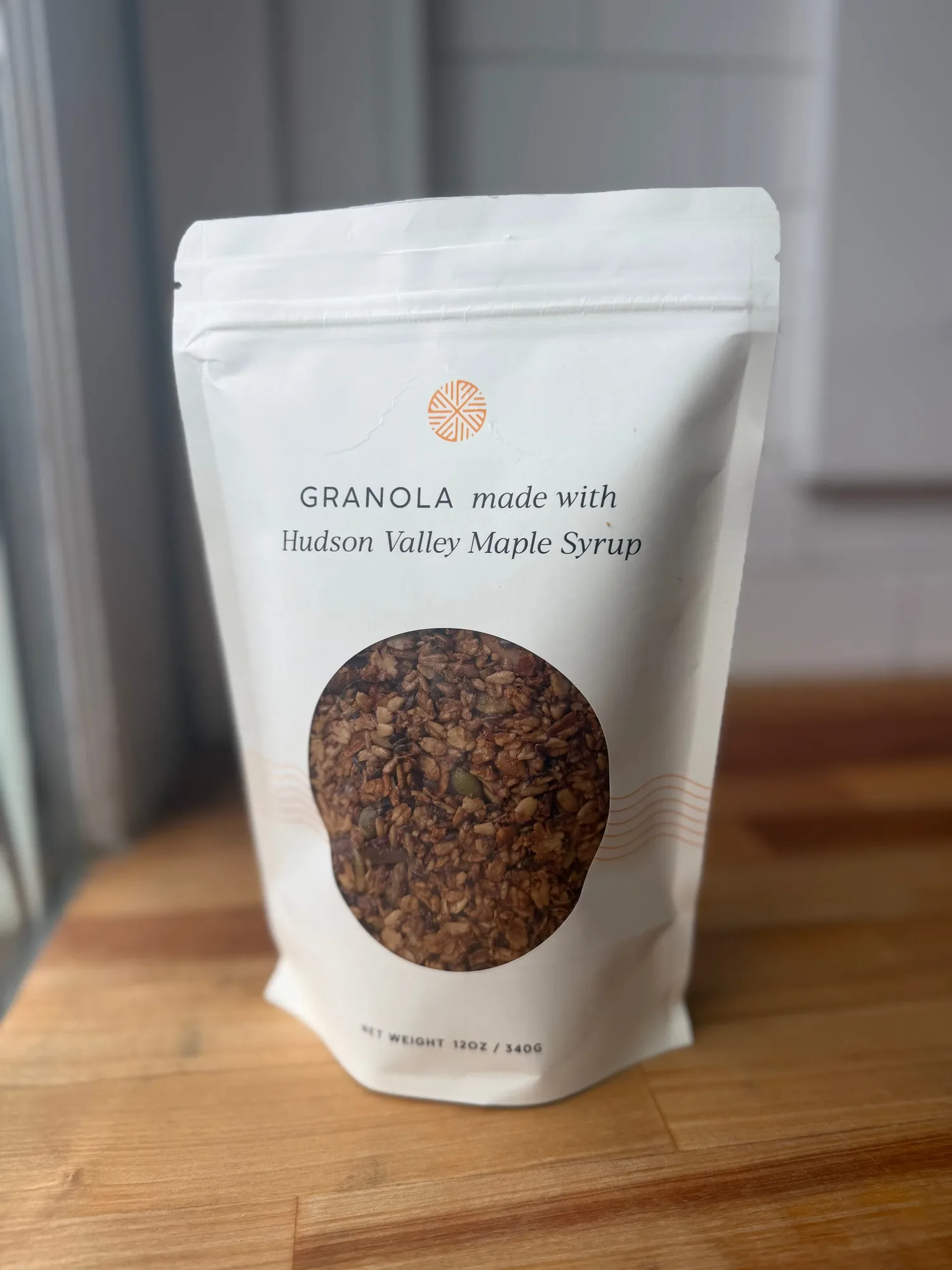
- Retail Granola 12 pk: Offered as a retail granola package, presented for wholesale buyers, part of the commissary retail range. Granola is shelf-stable and relatively light, so a rigid gift box with tissue works well and keeps shipping costs down. No need for a heavy tin unless you want the reuse value.
- Apple Crumb Pie 9": Made with Woodland Farm mutsu apples and a wholegrain crust, 9-inch pie size, tagged for occasions such as Thanksgiving, Christmas, July 4th, Memorial Day, and Father's Day. A 9-inch pie needs a box or tin at least 10 inches across with 2 to 3 inches of depth. Anything shallower will press the crumb topping into the lid.
Who should choose a gift box vs. a gift tin
Best for
- Shoppers hand-delivering baked goods who want a lightweight, printable, presentable package.
- Sending shelf-stable items like granola or firm cookies where shipping cost matters more than crush resistance.
- Gifts that need custom branding or a specific shape that tins don't offer.
Not for
- Shipping fragile tarts, pies, or iced pastries long distances — choose a tin instead.
- Anyone who needs a reusable, airtight container after the gift is opened.
- Very heavy contents that would dent or burst a folding box in transit.
Pick the container after you've measured and weighed what's going inside. Tins protect fragile, perishable, or long-haul gifts; rigid boxes win on cost and presentation for short trips and sturdy contents. Whichever you choose, cushion it, tape it, and double-box it for shipping — the prettiest packaging can't save a gift that shifted in transit.