Quick answer
Choose a gift set when you know the recipient's general taste but not their exact preference, or when you want the gift to feel complete on arrival. Choose an individual gift when you know one specific thing they will use or display. A gift set spreads your budget across several smaller items; an individual gift concentrates it on one piece the recipient keeps.
Gift sets and individual gifts solve different problems. A set says, "I know the kind of thing you like." A single gift says, "I know exactly what you like." Both can be thoughtful, but they fail in different ways, and the failure is usually about fit rather than money.
The useful question is not which format is better overall. It is which format matches what you actually know about the recipient, how the gift will be opened, and whether you want the present to be usable immediately or to become part of a collection over time.
What a gift set actually gives you
A gift set combines several related items into one presentation. The advantage is coverage: if the recipient likes tea, a set with tea and a mug covers more ground than a single tin. It also solves the presentation problem, because the set arrives looking intentional even if you assembled nothing yourself.
The trade-off is dilution. When a set includes four or five items, some will land and some will sit in a drawer. You are also paying for packaging and coordination, not just the objects. If the recipient already owns the basics in that category, a set can repeat what they have.
- Buy a set when the recipient's taste is broad but unconfirmed.
- Skip a set if you know they already own the core items in that category.
What an individual gift actually gives you
A single gift concentrates your budget and your message. One well-chosen item usually costs less than a comparable set and feels more personal because it reflects a specific observation. It also takes up less space, which matters for recipients in small apartments or for anyone trying to own less.
The trade-off is risk. If you guess wrong, there is no second item to soften the miss. An individual gift also requires more knowledge up front, and it can feel thin if the item is small and the occasion is significant. Presentation becomes your job rather than the manufacturer's.
- Buy an individual gift when you can name the exact reason you chose it.
- Pair a small individual gift with a card or note if the occasion calls for more weight.
Gift baskets vs gift sets: a practical distinction
People use these terms interchangeably, but they behave differently. A gift basket is usually assembled from unrelated consumables and is judged on abundance. A gift set is usually a matched group from one maker or theme and is judged on coherence. Baskets are easier to customize but harder to make look intentional; sets are easier to present but harder to personalize.
If you are short on time, a set is the safer choice because the coordination is already done. If you know the recipient well and want to include something specific, a basket gives you room to add it. Neither is inherently more thoughtful, but they demand different amounts of your attention.
- Choose a set when you want a finished presentation out of the box.
- Choose a basket when one specific item must be included.
How to decide in under five minutes
Ask three questions. First, can you name one specific thing the recipient uses or displays? If yes, buy that thing. Second, will the gift be opened in front of others? If yes, a set or basket photographs and reads better in the moment. Third, is the recipient trying to own less? If yes, a single durable item beats a group of small ones.
If you answer yes to the first question and no to the second, an individual gift is almost always the better call. If you cannot name a specific item and the gift will be opened publicly, a set or basket removes the guesswork without looking lazy.
- Specific item known, private opening: individual gift.
- No specific item known, public opening: set or basket.
Trade-offs to weigh before you buy
- Coverage vs dilution: A set covers more categories and reduces the chance of a total miss, but it also guarantees that at least one item will go unused. An individual gift either lands completely or misses completely. Choose coverage only when your knowledge of the recipient is genuinely thin.
- Presentation vs personalization: Sets and baskets arrive looking finished, which helps at a public opening. Individual gifts require you to supply the context through a card, a note, or the reason you give when handing it over. If you buy an individual gift, budget two minutes to write the reason you chose it.
- Lead time and hidden cost: Some individual items are made to order. The At the Seaside needlepoint canvas can take up to 6 weeks and does not include threads or a stitch guide. A set usually ships as one complete unit. Check fulfillment windows before you commit, especially for handmade or made-to-order pieces.
Product facts that show the difference
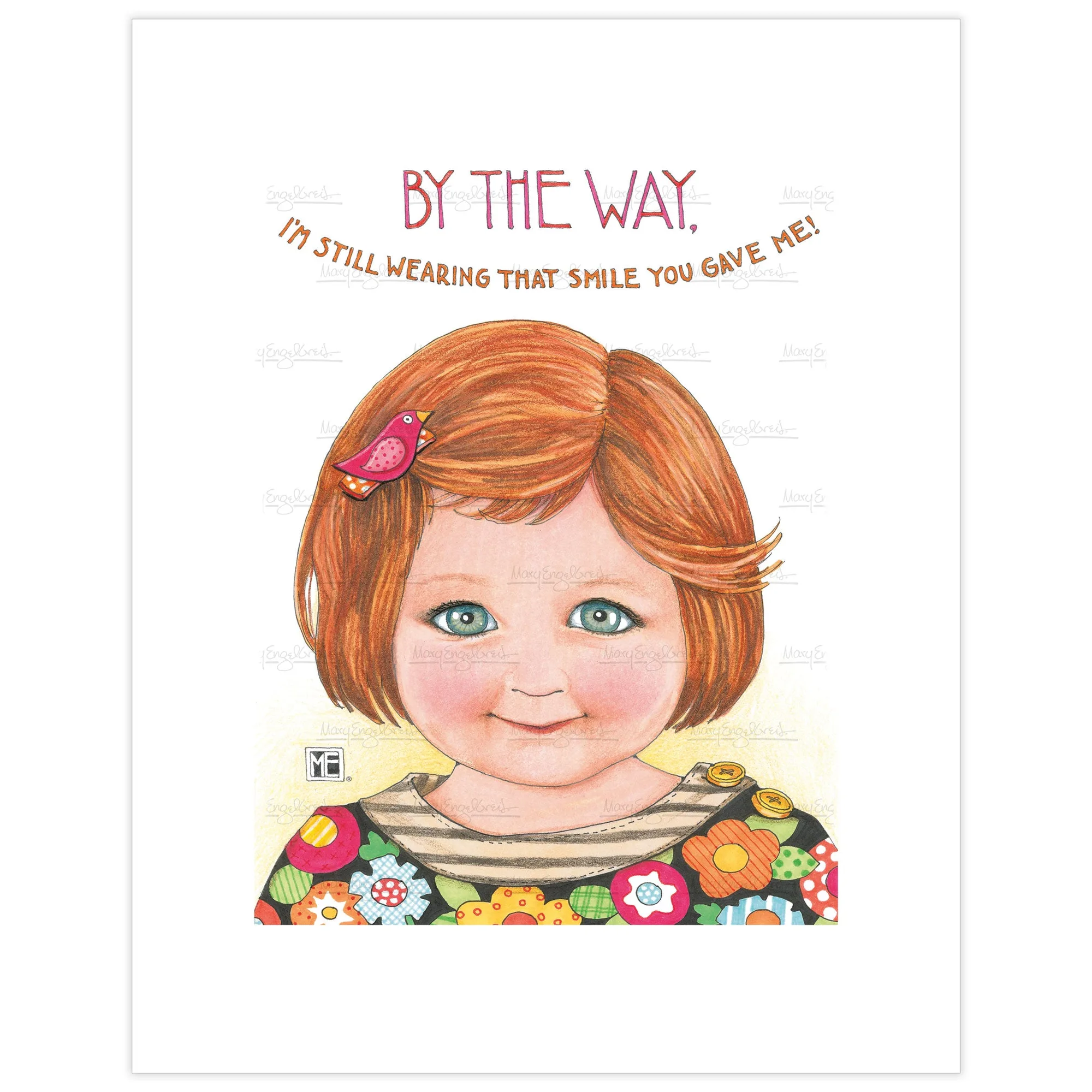
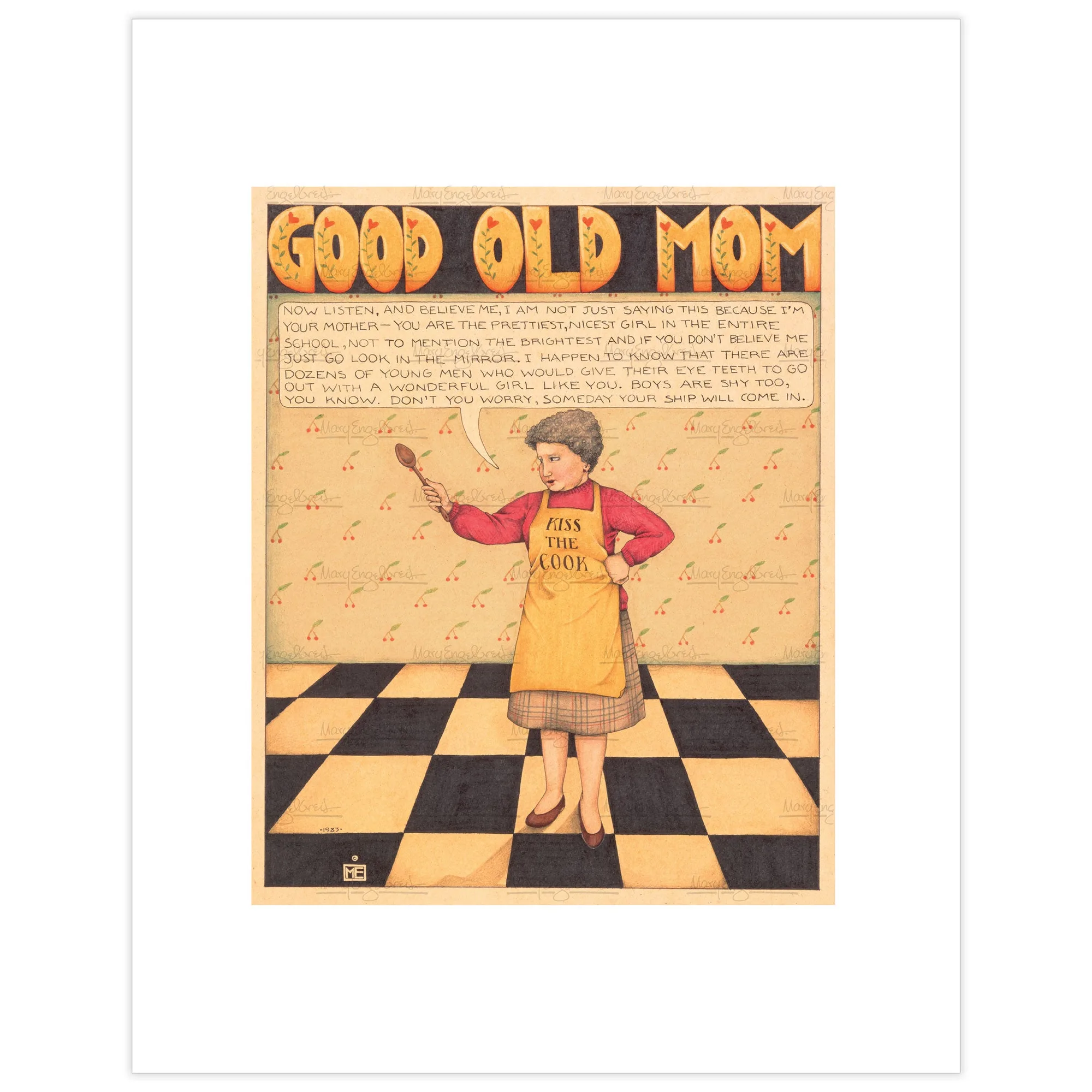
- Wearing That Smile Fine Art Print: Reads "By the way, I'm still wearing that smile you gave me!" Printed on high-quality paper in standard frame sizes, available with Mary's signature, and created to order with up to one week for processing. This is the individual-gift case: one specific piece with a specific message, easy to frame, and it works for a recipient whose taste you actually know.
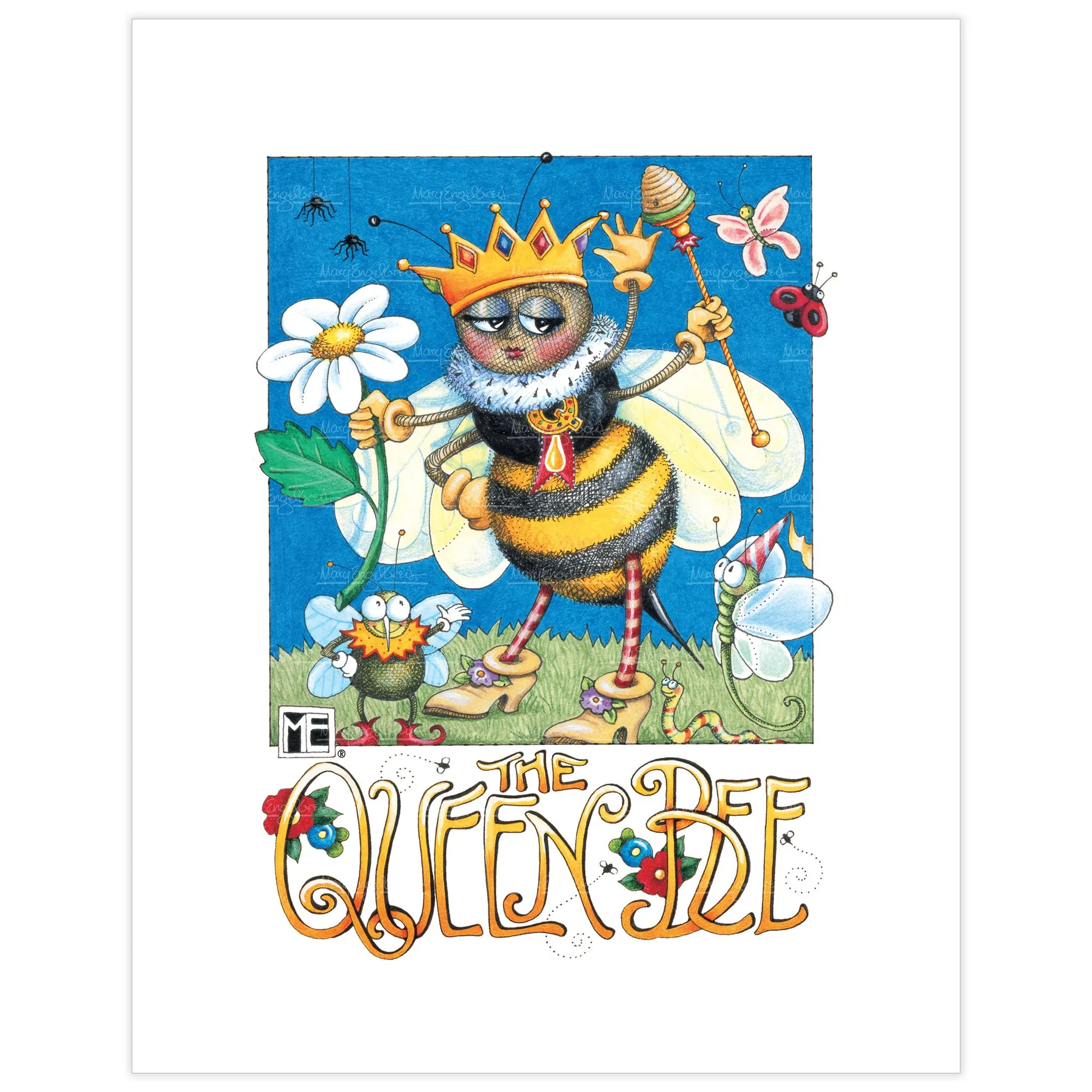
- The Queen Bee Fine Art Print: Reads "The Queen Bee" on high-quality textured paper in standard frame sizes, available with Mary's signature, and created to order with up to one week for processing. A second single-piece option that suits a known recipient, such as a manager, a mentor, or a friend who collects bee motifs. It concentrates the gift on one clear idea.
- Needlepoint Canvas: At the Seaside: Hand-painted 18 count canvas, design measures 8" x 8", threads and stitch guide not included, and because it is painted to order it can take up to 6 weeks to fulfill. This shows the set-adjacent trade-off: a single craft item can require you to buy threads and a stitch guide separately, so the real cost and lead time exceed the listed item.
- Fight. Resist. Protest. Button Pin: Lightweight, sturdy pin button with a scratch and UV-resistant coating and glossy finish, reading "Fight. Resist. Protest. Then Party! Save Your Sanity," sold individually. A low-cost individual gift that works as an add-on or stocking filler. It is a good example of concentrating a small budget on one clear statement rather than spreading it across a set.
Which should you give?
A gift set or basket is best for
- Recipients whose taste you know broadly but not specifically, such as a new coworker or a host whose home you have not visited
- Gifts opened in front of a group, where a finished presentation carries the moment
- Anyone who enjoys variety and consumables more than a single keepsake
An individual gift is best for
- Recipients you can name a specific preference for, such as a print collector or a needlepointer
- People actively trying to own less, for whom several small items are a burden
- Anyone in a small space where a set has nowhere to go after the wrapping comes off
Match the format to what you actually know. If you can name the specific thing the recipient will use, buy that one thing and write down why. If you cannot, a curated set or basket removes the guesswork and still looks deliberate.