Quick Answer
For mailing fragile cookies or anything stacked and brittle, a gift tin ships better because its rigid walls resist crushing in transit. For pastries, scones, or soft baked goods that need breathing room and a lower shipping weight, a gift box is the better call. If you are shipping a mixed assortment, use a tin for the cookies and a box for the pastries, and cushion both.
You baked. You packed. You handed the parcel to the carrier, and somewhere between your kitchen and your recipient's door, the box got crushed and the cookies arrived as crumbs. The container you choose is often the difference between a gift that lands intact and one that lands in a sad pile.
This comparison looks at gift tins and gift boxes on the factors that actually matter for shipping baked goods: crush protection, freshness, weight, cost, and how well each handles different baked items. There is no single winner, only a right container for the specific thing you are mailing.
Crush Protection: Where Tins Pull Ahead
A metal gift tin holds its shape under stacking and moderate impact, which is why it is the safer choice for mailing cookies without breaking. The rigid wall does not flex when a heavier parcel lands on top, so the contents keep their structure. A gift box, by contrast, is only as strong as its board and how well you fill it. A loosely packed box collapses inward; a tightly packed one with no cushioning transmits impact straight to the cookies.
That does not make boxes weak. It makes them dependent on packing technique. If you choose a box, fill every gap so nothing shifts, and add a cushioning layer on all six sides. If you choose a tin, still cushion the exterior, but you can worry less about the walls themselves.
- Shake the packed container gently. If contents move, add filler before sealing.
- For tins, add a paper or foam layer between stacked cookie rows to stop surface rubbing.
Freshness: Tin vs Box for Short and Long Trips
Tin vs box freshness comes down to air and moisture. A tin with a snug lid limits air exchange, which helps crisp cookies stay crisp and protects against humidity better than an open-cornered box. A box is more breathable, which is actually an advantage for pastries and scones that can turn soggy when sealed too tightly while still warm.
The practical rule: cool everything completely before packing, then match the container to the texture. Crisp items do better in a tin. Tender, flaky, or soft items do better in a box that lets a little moisture escape. Neither container replaces proper cooling, and no container fixes a bake that was packed warm.
- Never seal warm baked goods in a tin; trapped steam softens crusts and can cause mold.
- For multi-day shipping, choose the container that matches the texture, not the one that looks prettier.
Weight, Cost, and Shipping Practicalities
A tin adds metal weight before you add a single cookie, and shipping is priced partly by weight. A box is lighter and usually cheaper to buy and to mail, which matters when you are sending several parcels. Tins also dent, and a dented tin looks damaged even when the cookies inside are fine. Boxes can be crushed, but a crushed corner is often less noticeable than a dented lid.
If budget and volume drive your holiday baked gift packaging, boxes give you more room to spend on the contents. If the gift is a single high-value shipment, the extra cost and weight of a tin is easier to justify because it buys protection.
- Weigh the empty container first so you know how much of your shipping cost is packaging.
- Double-box a tin for long transit; the outer box absorbs impacts the tin would otherwise take.
Which Container Fits Which Baked Good
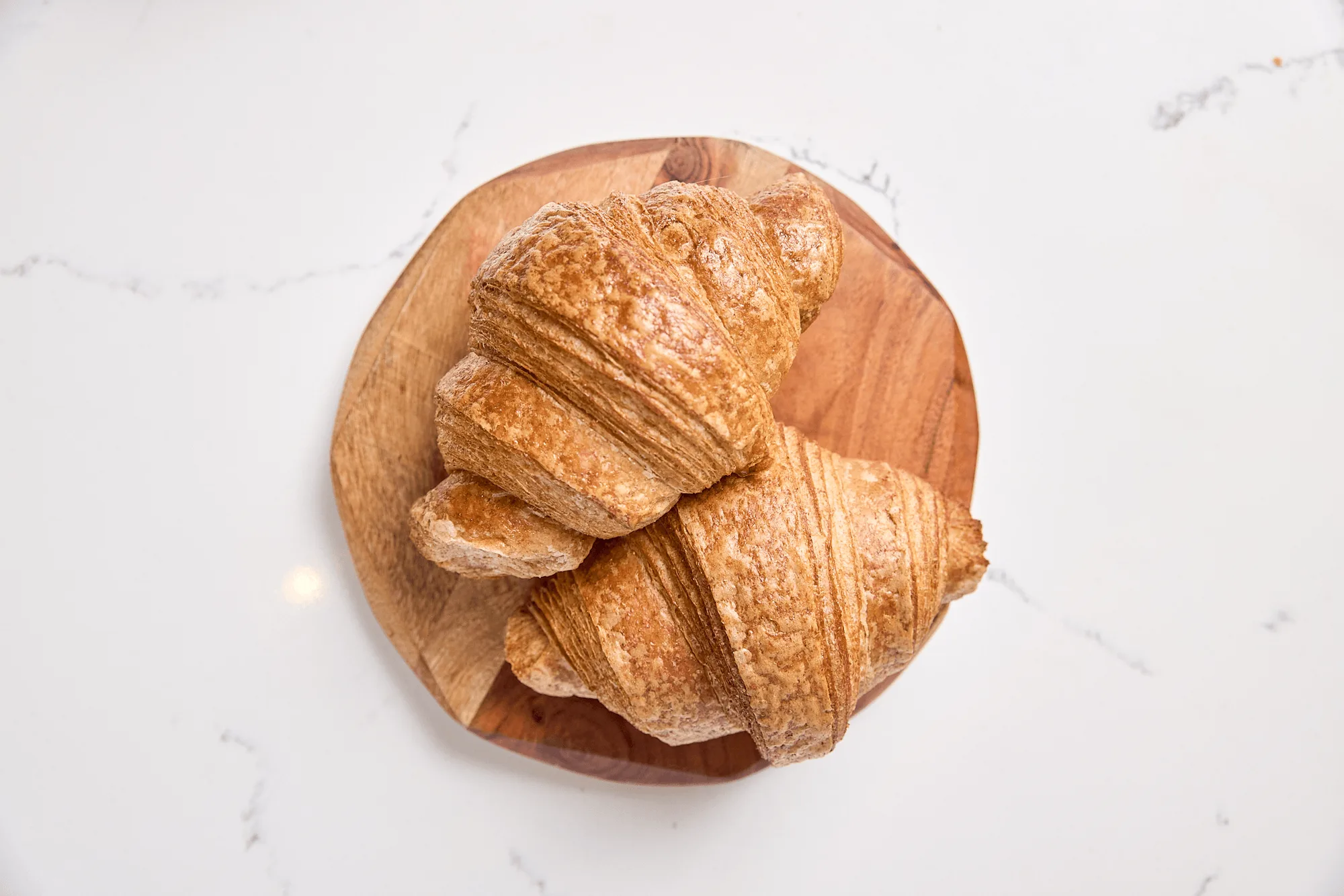
Shape decides as much as material. Flat, stackable items like cookies, bars, and crackers sit well in a shallow tin. Tall or delicate items like croissants, scones, and tarts need vertical clearance that most tins do not offer, so a box with a deeper footprint is the better fit. Very fragile items such as a filled pastry or a decorated tart need a box plus internal bracing so the item cannot slide.
If you are shipping a mix, split the shipment by texture rather than forcing everything into one container. Crisp cookies in a tin, pastries in a box, both cushioned, both labeled fragile.
- Measure the tallest item before choosing a container depth.
- For tarts and pies, a box with a flat base and a rigid insert beats a deep tin.
Presentation and Reuse After the Gift Is Opened
Tins often get kept. They are reused for sewing supplies, tea, or next year's cookies, which extends the life of your gift and keeps your effort visible on a shelf. Boxes are usually recycled, though a well-made box with a ribbon can look more deliberate and gift-like on arrival, especially for pastries that are meant to be eaten within a day or two.
Neither choice is wrong. If you want the container to feel like part of the gift, a tin carries more long-term presence. If you want the baked goods themselves to be the star and the packaging to be elegant but disposable, a box is the cleaner choice.
- Line a tin with parchment before packing to reduce scratching and make cleanup easier.
- Skip strong-smelling wrapping materials; both tins and boxes can transfer odors to baked goods.
The Trade-Offs at a Glance
- Crush protection: Tins resist stacking and impact; boxes depend on how well you fill and cushion them. Choose a tin when the parcel will be stacked or handled roughly.
- Freshness control: Tins limit air and moisture exchange for crisp items; boxes breathe, which suits pastries and scones. Match the container to the texture, not to the holiday.
- Weight and cost: Tins add metal weight and cost per parcel; boxes are lighter and cheaper to buy and ship. For multiple shipments, boxes usually win on total spend.
- Durability of the container itself: Tins dent and look damaged; boxes crush but often hide it better at the corners. Double-box either one for long transit.
- Fit for the baked good: Flat cookies and bars suit shallow tins; croissants, scones, and tarts need box depth and bracing. Split mixed shipments by texture instead of forcing one container.
Products That Fit These Shipping Choices
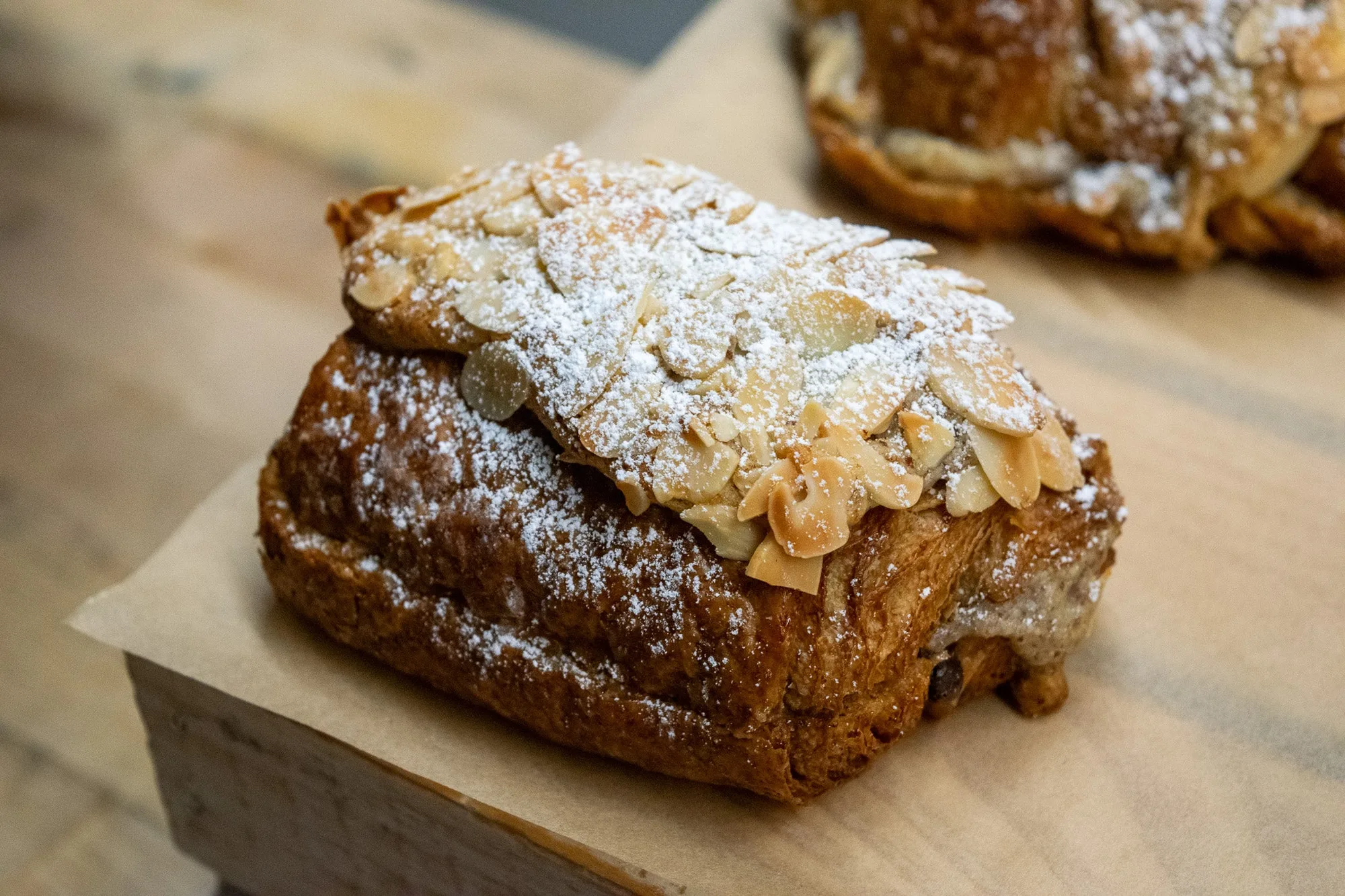
- croissant-box-eb64e10b63ae1a0983f915ab-1645712">Assorted Almond Croissant Box: Includes six almond croissants and six chocolate almond croissants, an assortment of two almond croissant styles in a single box suited to pastry catering and group settings. This is a box-format pastry assortment, which shows how a box handles taller, flakier items that would be awkward to stack in a shallow tin.
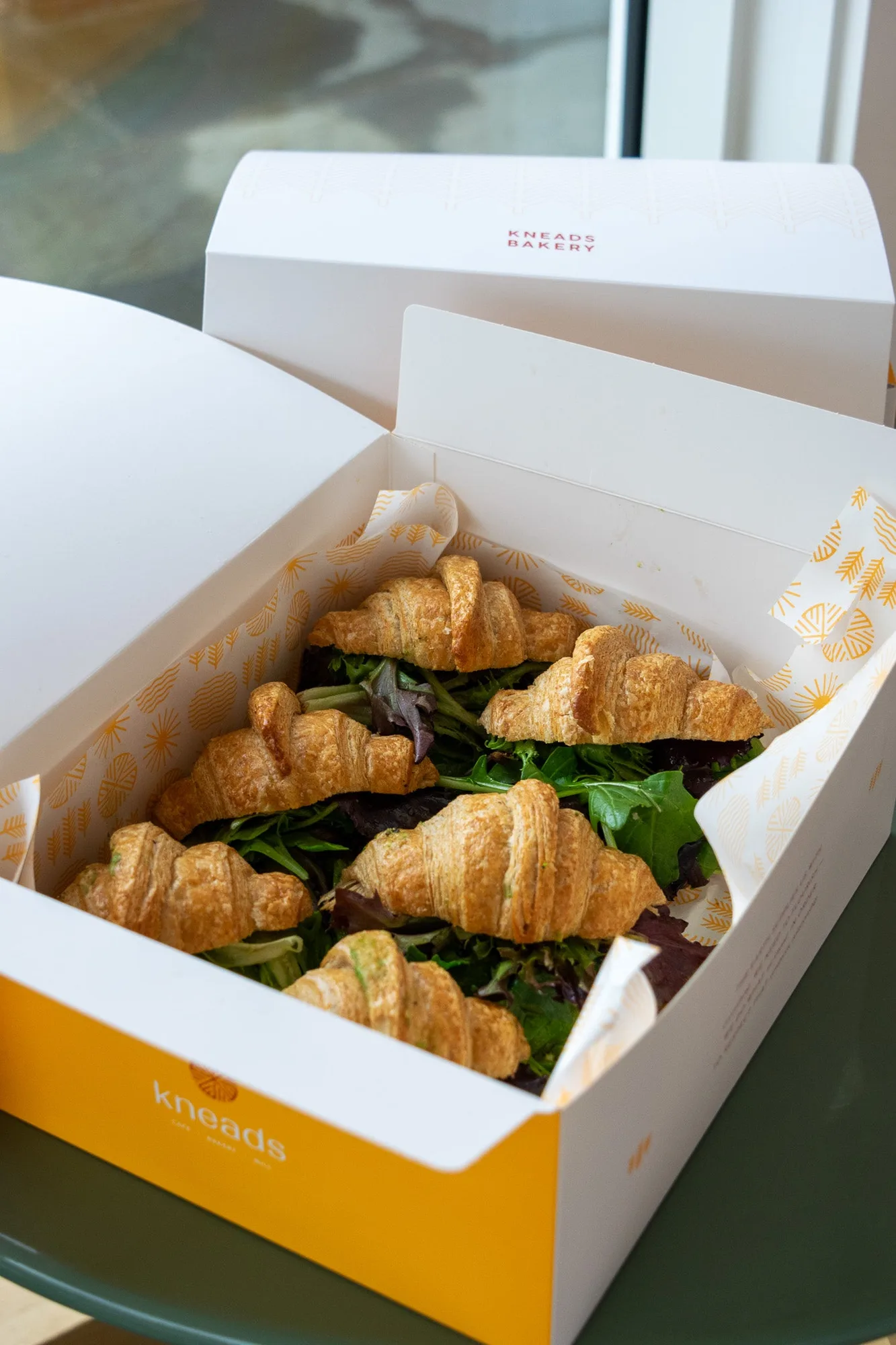
- Mini Avocado and Egg Sandwich Box: Each box includes hard boiled egg, avocado, and mesclun on a whole wheat croissant, and the box contains 12 servings. A 12-serving boxed format is built for group delivery, so it needs a container that keeps items separated and upright rather than crushed together.
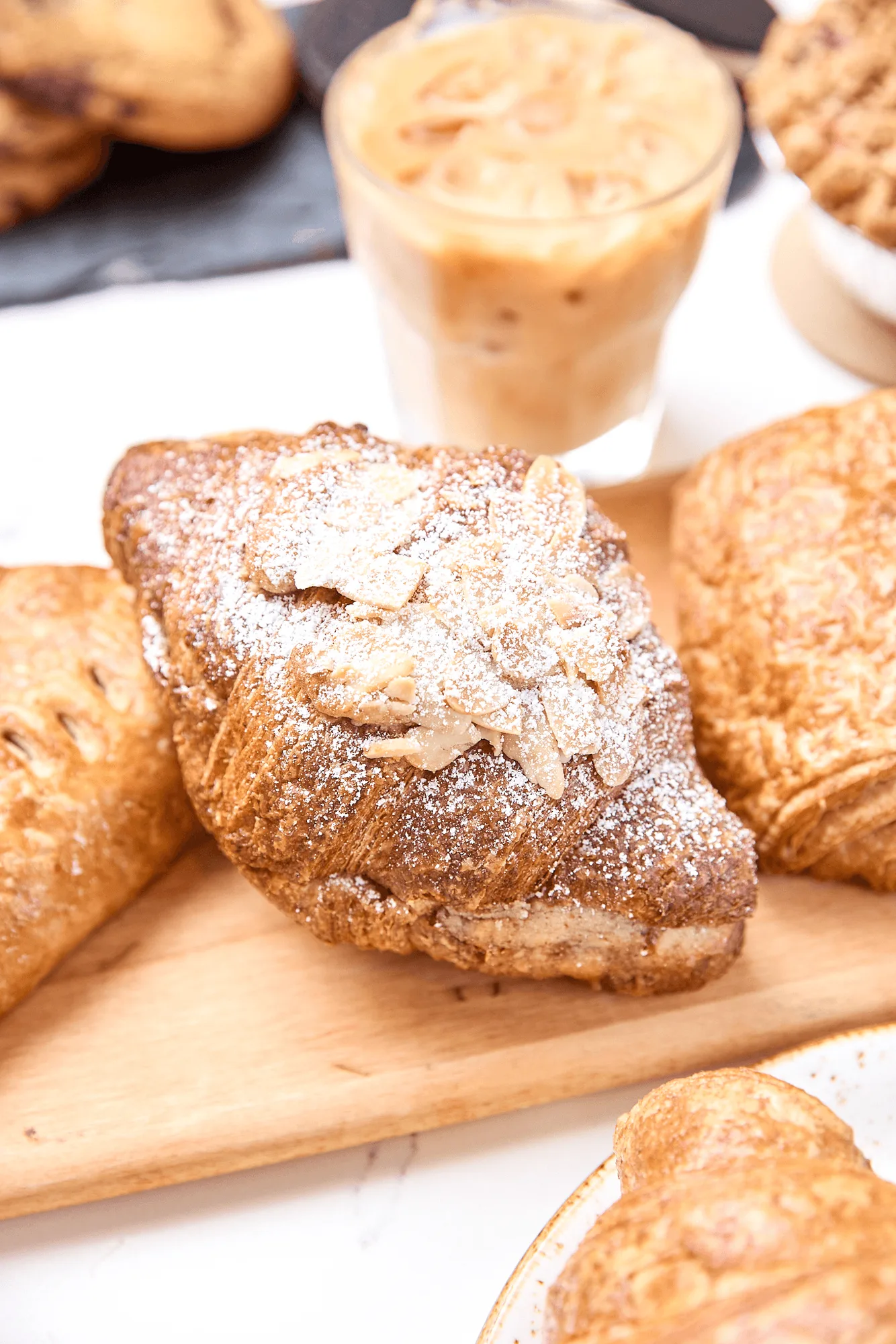
- Almond Croissant: A bakery case pastry in the Pastries & Scones category, listed for Mother's Day and pastry occasions, available in a Standard option. A single flaky pastry is exactly the item that benefits from a box with vertical clearance and internal bracing, not a flat tin.
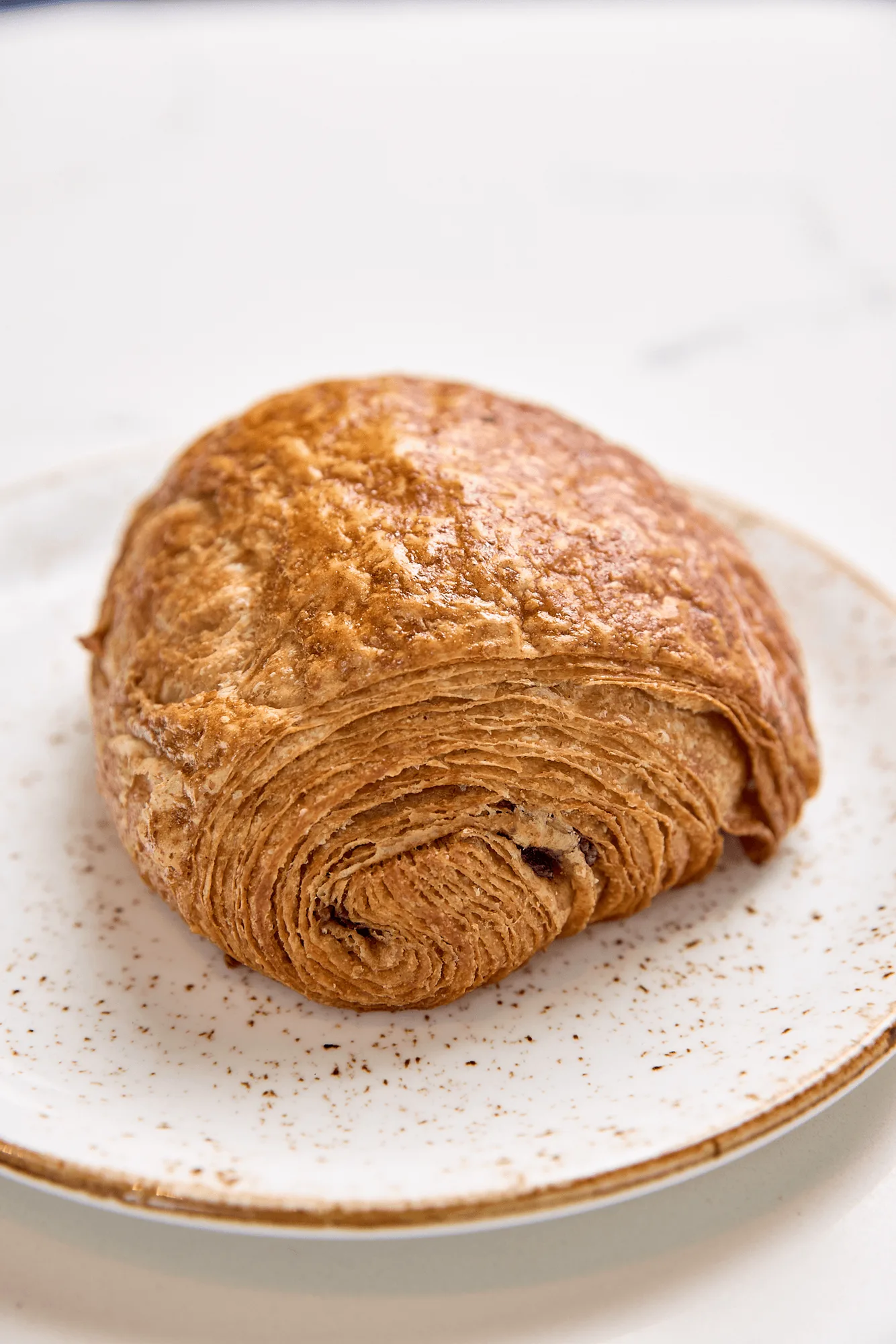
- Pain Au Chocolat: A pastry in the Pastries & Scones category, tagged for Mother's Day gifting and pastry occasions, available in a Standard option. Chocolate-filled laminated pastry is fragile and heat-sensitive, so shipping it calls for a box plus cushioning rather than a sealed tin.
Which Should You Choose?
Best for
- Mailing crisp cookies, bars, or crackers that need crush protection and a tight seal
- Single high-value shipments where the container is part of the gift
- Recipients who will reuse the tin after the cookies are gone
Not for
- Tall or flaky pastries like croissants and scones that need vertical clearance
- High-volume holiday shipping where weight and per-parcel cost matter
- Soft or warm-packed baked goods that need to breathe rather than seal
Pick the container that matches the baked good and the journey, not the one that looks best on the counter. Tins protect crisp, stackable items through rough handling; boxes handle pastries, weigh less, and cost less. When in doubt, cushion generously, label the parcel fragile, and split a mixed assortment into the container each item actually needs.