Quick answer
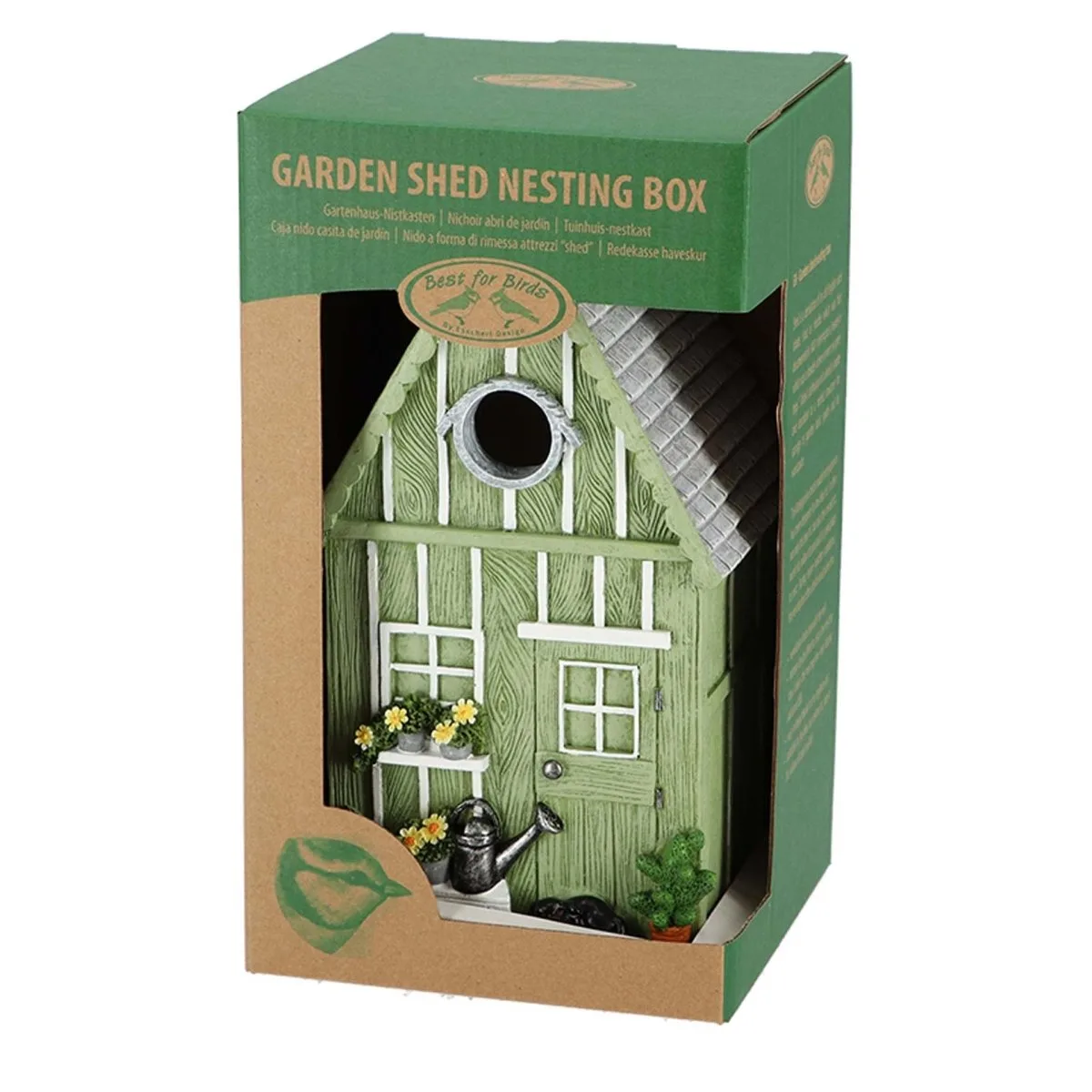
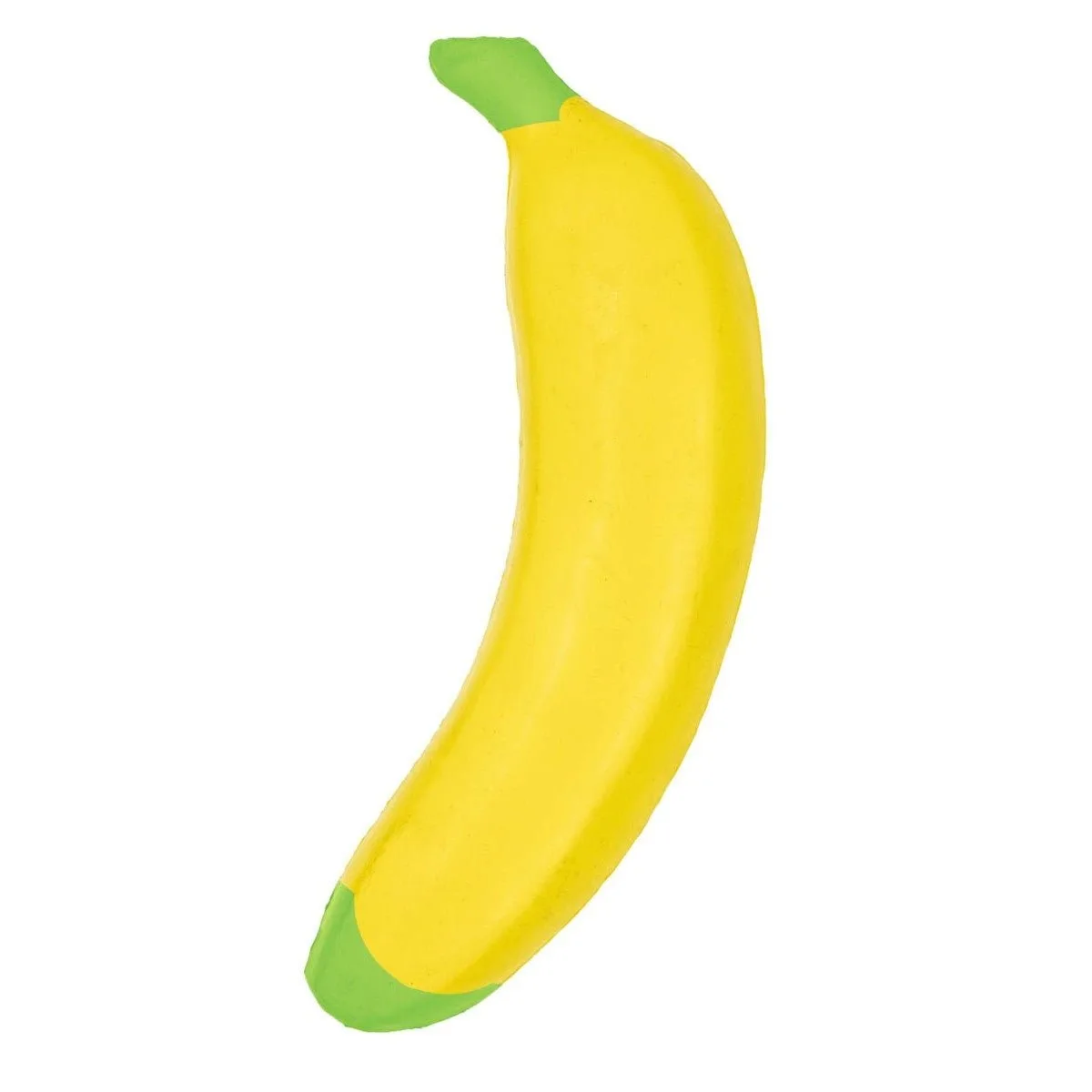
Start with the animal the recipient actually lives with or watches, then decide whether the gift should be used, kept, or read. If you are unsure, choose a practical pet item such as the TUFFS Rubber Banana Dog Toy or a wildlife-friendly piece like the Garden Shed Bird House, because both have a clear job and suit a range of budgets.
Match the gift to the animal, not the personality
Animal lovers are not one audience. A dog owner will use a chew toy, a cat owner wears cat-themed jewellery, a gardener wants help with wildlife, and a reader enjoys a book they can act on. Before browsing, name the species involved. That single step removes most of the guesswork and prevents a gift that looks charming but never gets used.
If the recipient has more than one animal, choose the one they talk about most. If they have no pets but feed birds or grow plants, wildlife and garden gifts are the safer fit.
Decide whether the gift is used, kept, or read
Charity presents fall into three practical groups: items the recipient uses with their animal, items they keep for themselves, and items they read or refer back to. Used gifts need to be durable and safe; kept gifts need to match their style; read gifts need to solve a problem they care about.
This is where a charity gift buying guide earns its keep. A tough rubber toy is a used gift. A pair of earrings is a kept gift. A pest-control handbook is a read gift. Mixing these categories up is the most common reason a well-meant present misses.
Check the practical details before you buy
For pet toys, look at material and size. For wildlife homes, look at the species they are designed for and how they are cleaned. For jewellery, look at weight and comfort. For books, look at whether the advice is chemical-free and practical rather than theoretical.
These details matter more than packaging. A bird house designed for the tit family will not suit every garden visitor, and a toy sized for a small dog may be unsuitable for a heavy chewer. Read the description as a checklist, not as marketing.
Set a budget that still feels generous
Charity gifts do not need to be expensive to be thoughtful. A small, well-chosen item often lands better than a large generic one. Set a range before you browse, then pick the best-made option inside it rather than stretching for something the recipient did not ask for.
If you are buying for a group, such as a pet-owning family or a wildlife-loving colleague, a single practical item plus a card usually reads as more considered than several small novelties.
Decision rules for charity gift buying
- Rule 1: Name the species first: If the recipient has a dog, choose a dog item; if they have a cat, choose a cat item; if they have no pets but feed birds, choose a wildlife item. Only move to general animal-themed gifts when no species is clear. Species first, style second.
- Rule 2: Match the gift to its job: Used gifts must be durable and safe, kept gifts must match taste, and read gifts must solve a real problem. Do not buy a decorative item for someone who wanted something practical, or vice versa. Pick one job and do it well.
- Rule 3: Check the maintenance burden: A bird house needs cleaning in autumn, a treat toy needs filling, and a book needs reading time. If the recipient will not do the upkeep, choose a lower-maintenance gift. A gift that is used beats a gift that is stored.
Product facts to guide your choice
- TUFFS Rubber Banana Dog Toy: An appealing interactive 100% rubber banana dog toy that can be filled with treats, is extra tough, and has ridges and grooves to help scrape away plaque and tartar from the teeth. It measures 18cm long. A used gift for dog owners who want an outlet for chewing and a toy that does double duty for dental care.
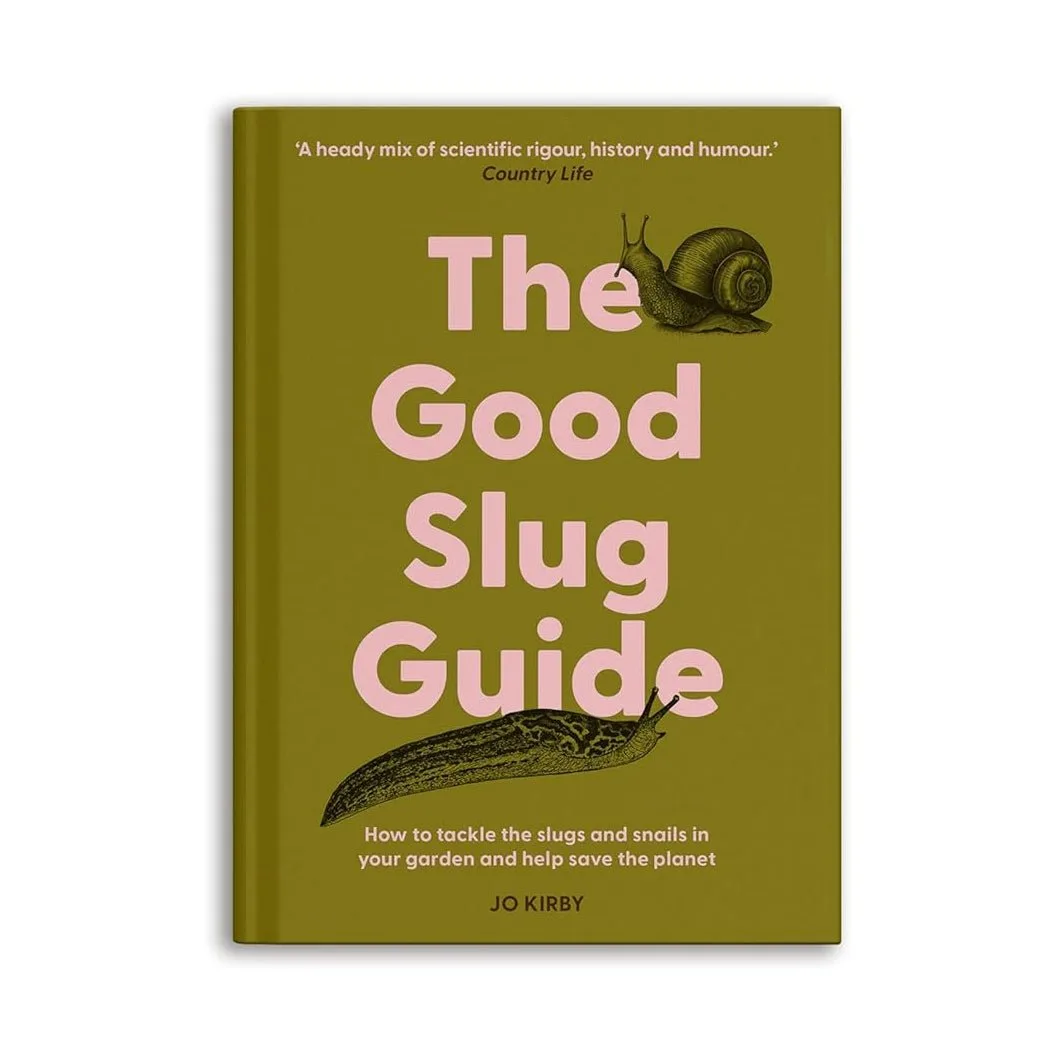
- The Good Slug Guide: The Good Slug Guide is written by ecologist and lifelong gardener Jo Kirby and teaches practical, pesticide-free strategies for protecting plants by working with nature. A read gift for gardeners who want a chemical-free approach and a book they can act on season after season.
- Garden Shed Bird House: A polyresin garden shed bird house designed for members of the tit family, with a liftable bottom for cleaning and dimensions of 14cm x 13cm x 25cm. A kept wildlife gift that gives shelter and protection, but only if the recipient has the right garden visitors and will clean it in autumn.
Who this guide is for
Best for
- Shoppers buying a birthday or holiday present for a dog owner, cat owner, gardener, or wildlife watcher
- People who want a charity gift that supports animal welfare without guessing at the recipient's taste
- Buyers working to a small or mid-range budget who still want the gift to feel specific
Not for
- Shoppers looking for a purely decorative ornament with no animal or welfare connection
- Buyers who cannot confirm the recipient's pet species or garden visitors and want a one-size-fits-all gift
- Anyone seeking a personalised or engraved item, which this guide does not cover