Quick answer
Gilded means the edges of the cards are coated with metallic foil. Foil means metallic stamping is applied to the card backs or tuck box surface. Embossed means the paper or tuck box is pressed to create a raised texture. They are three different processes, and a deck can use one, two, or all three. When you see 'gold foil playing cards,' check whether the foil is on the edges (gilded) or on the surface (foil stamped).
Gilded decks: edge treatment, not a surface finish
Gilding is the application of metallic foil to the cut edges of a deck. The cards themselves may have a standard paper or air-cushion finish; the gilding only affects the sides. This is why a gilded deck can still fan and shuffle like a normal deck, though some collectors prefer to handle gilded cards more carefully to avoid flaking at the edges. If a product listing says 'gilded' without mentioning edges, ask the seller to confirm. Foil on the back is not gilding.
Foil stamping: metallic design on card backs or tuck boxes
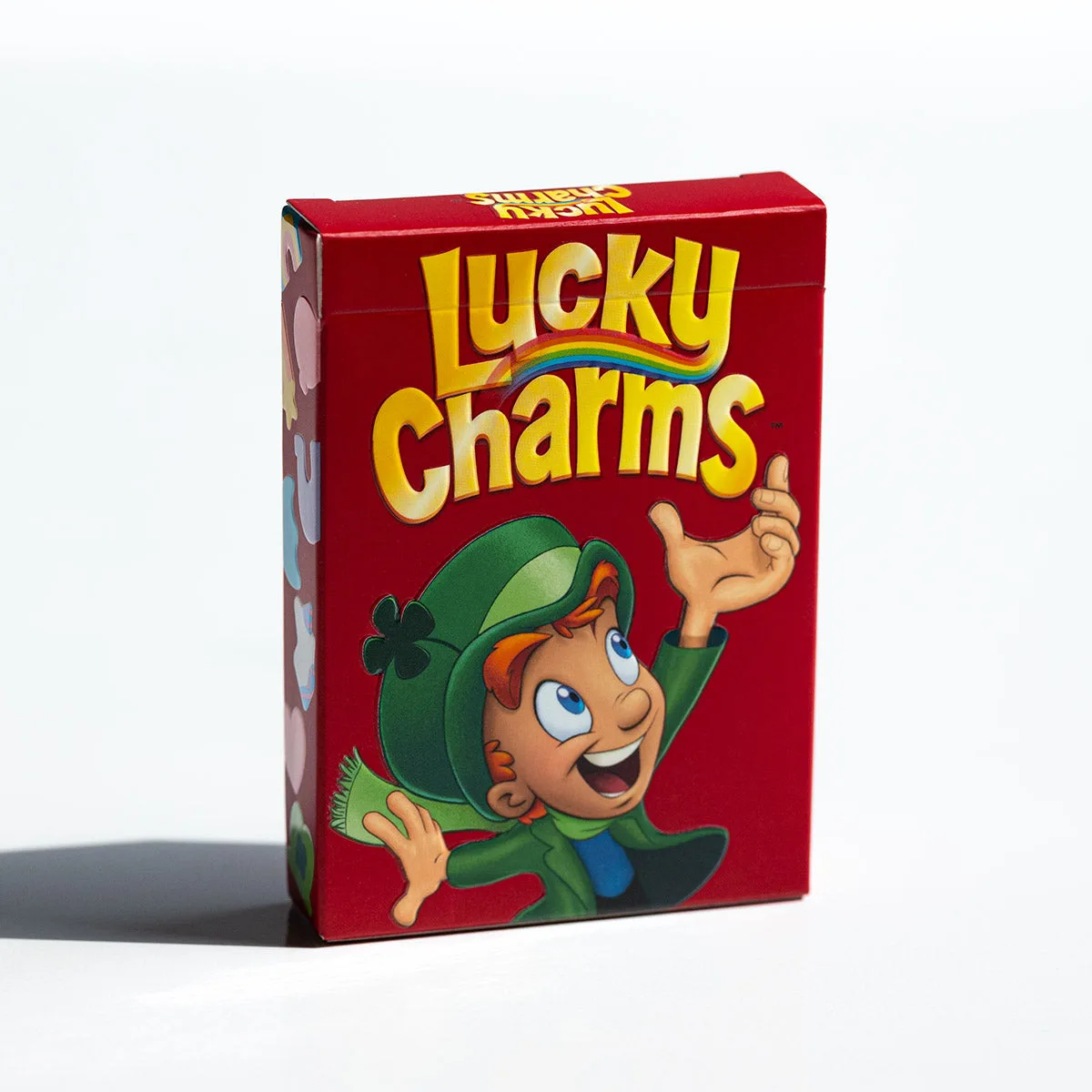
Foil stamping uses heat and pressure to transfer a metallic layer onto paper or card stock. On playing cards, this usually appears on the back design or the tuck box. For example, the LUCKY CHARMSTM GOLD FOIL PLAYING CARDS feature hot-foil stamped borders on the back design to symbolize Lucky's Pot of Gold. That is foil stamping, not gilding. Foil can also appear on tuck boxes, often alongside embossing. Foil does not change how the cards handle, but it can make a deck more collectible and visually distinctive.
Embossed: raised texture, usually on tuck boxes
Embossing presses the paper into a raised pattern. On playing cards, embossing is most common on tuck boxes, where it adds tactile texture and can combine with foil for a premium look. Some card backs also use embossing, but it is less common because it can interfere with shuffling and fanning. If a deck is described as 'embossed playing cards,' check whether the embossing is on the box or the cards. The distinction matters for handling and for storage.
Why the confusion persists
Many sellers use 'gilded,' 'foil,' and 'embossed' interchangeably, especially in marketing copy. That leads to mismatched expectations. A buyer looking for shiny edges may receive a deck with a foil-stamped box but plain edges. A collector looking for a textured box may receive a smooth one. The fix is simple: read the product description for words like 'edges,' 'back design,' or 'tuck box.' If the description does not specify, ask before buying. Reputable listings will state exactly where the finish is applied.
How to identify finishes on a deck you already own
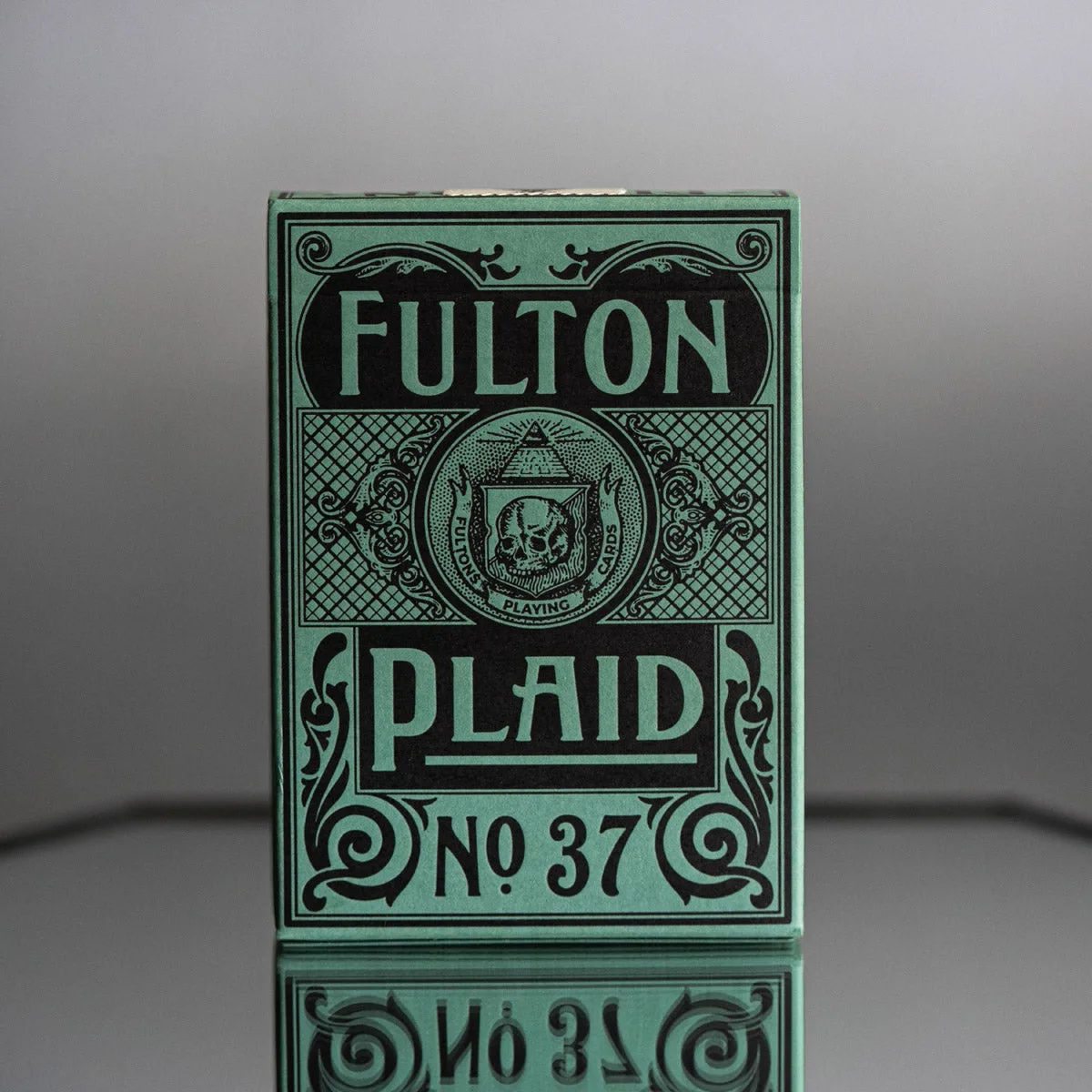
Hold the deck at an angle. If the shine is only on the sides, it is gilded. If the shine is on the back design or the box, it is foil. If you can feel a raised pattern with your fingertip, it is embossed. You can also check the tuck box for a seal or label that mentions the finish. For example, the FULTON PLAID PLAYING CARDS LUCKY GREEN TUCK EDITION includes a custom pressed '037 Spade Seal' that signifies its place in the limited CLUB 37 Series. That seal is an embossed detail on the tuck box, not a gilded edge.
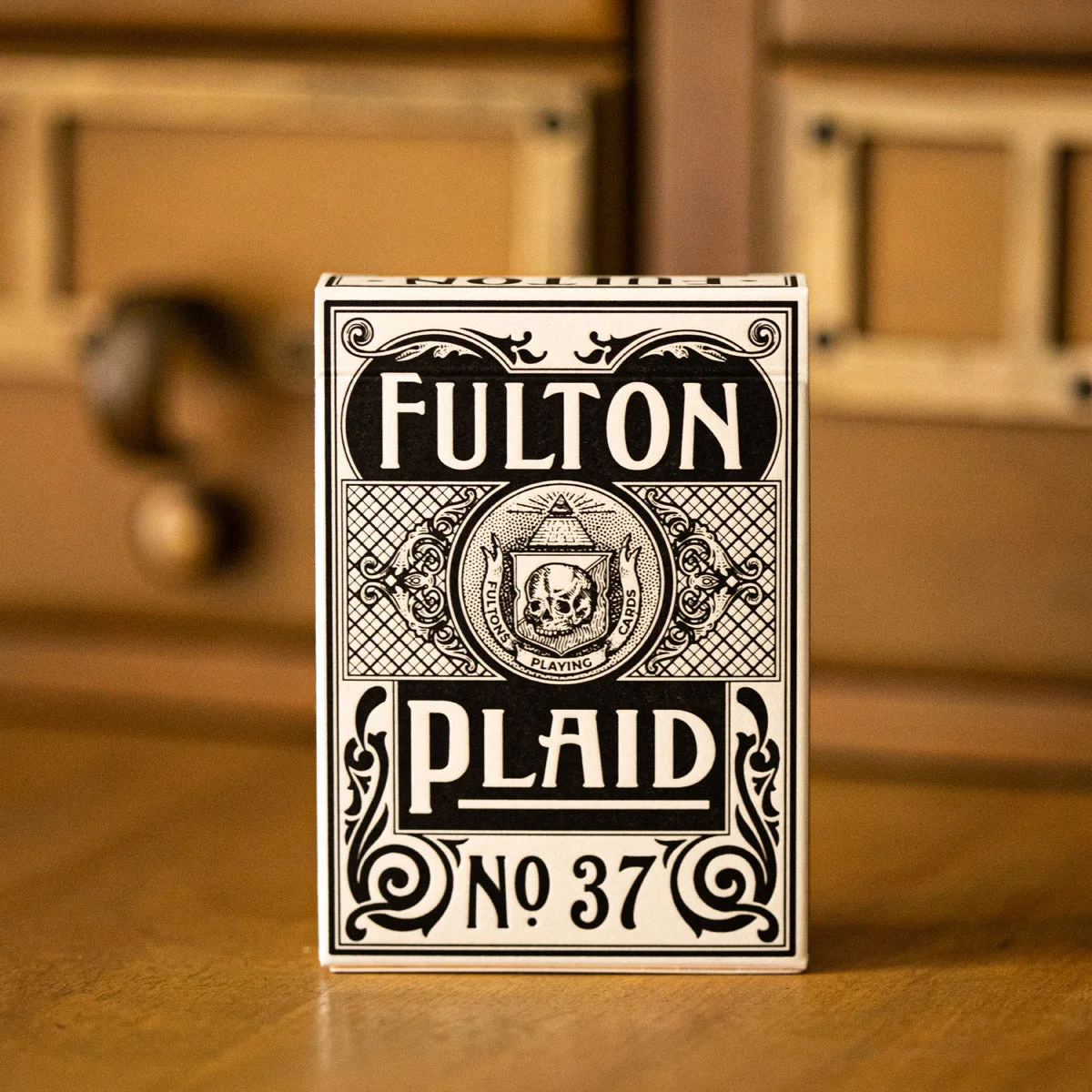
FULTON PLAID PLAYING CARDS
Myths vs. facts: finish terms
- Myth: Gilded means the whole card is metallic.: Gilding only applies to the cut edges. The card faces and backs remain standard paper or foil-stamped separately. Verdict: False. Check for 'gilded edges' in the description.
- Myth: Foil and embossing are the same thing.: Foil adds a metallic layer; embossing raises the paper. They can be combined but are distinct processes. Verdict: False. Look for both terms if you want a textured, shiny box.
- Myth: Embossed cards always handle worse.: Embossing is most common on tuck boxes, not card backs. When it is on cards, it can affect shuffling, but many embossed decks are box-only. Verdict: Depends on where the embossing is applied. Confirm before buying if handling matters.
Decks that show these finishes in practice
- LUCKY CHARMS™ GOLD FOIL PLAYING CARDS: The back design features hot-foil stamped borders to symbolize Lucky's Pot of Gold. This is a clear example of foil stamping on the card back, not gilding. If you want shiny edges, this deck is not gilded.
- FULTON PLAID PLAYING CARDS LUCKY GREEN TUCK EDITION: Comes with a custom pressed '037 Spade Seal' that signifies the limited CLUB 37 Series. The pressed seal is an embossed detail on the tuck box. It shows how embossing is used for collectibility and tactile appeal.
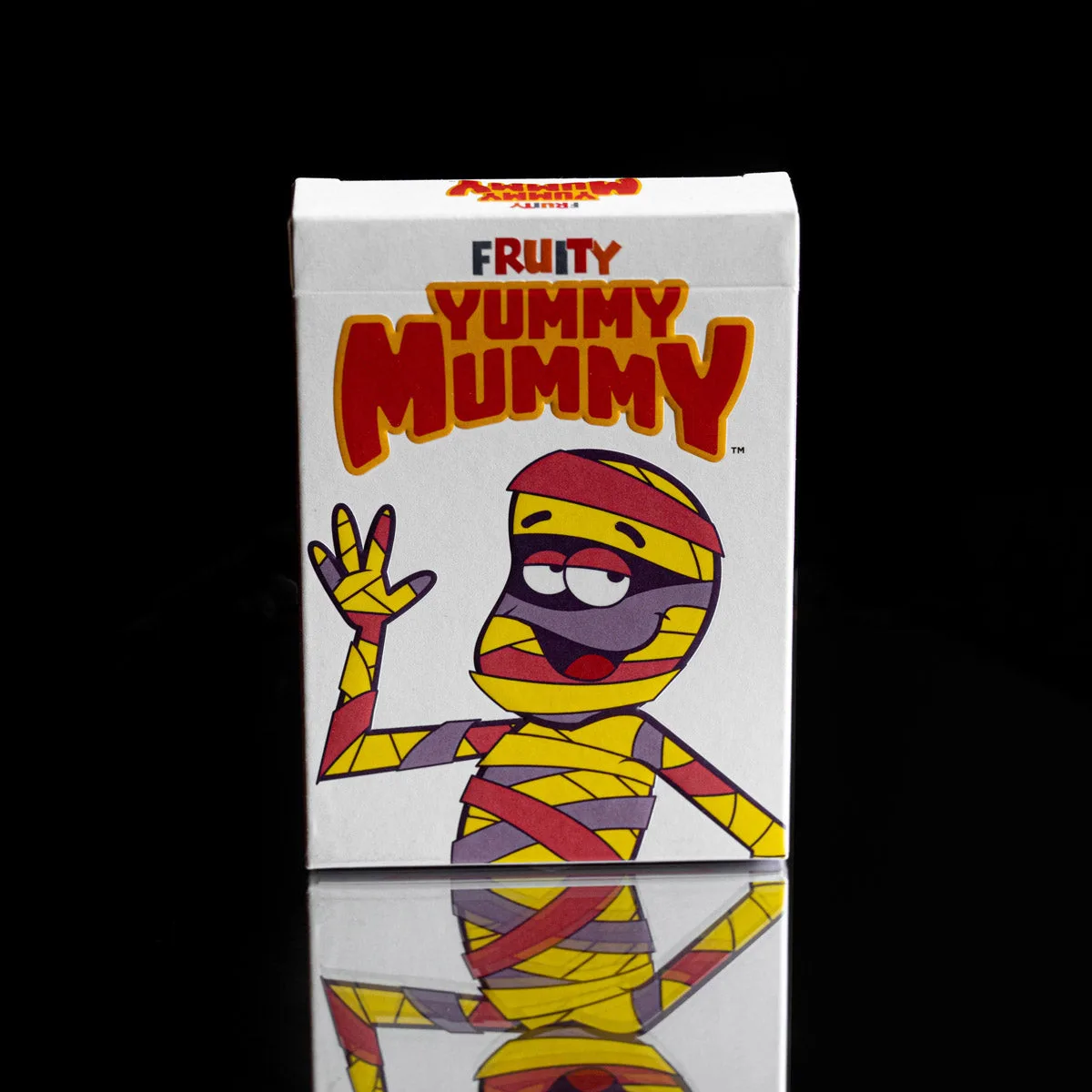
- MONSTER CEREALS™ FRUITY YUMMY MUMMY™ Playing Cards: Each deck playfully highlights the distinct personality and color palette of your favorite Monster. These Halloween-themed decks focus on printed color and character art rather than metallic finishes, useful if you prefer a non-foil look.