Two green teas, two different jobs
Ginger Fasting Green Tea and Mint Sencha Green Tea both start with green tea, but they're built for different moments. Ginger Fasting is a flavored blend with ginger, spearmint, licorice root, lemon peel, and orange peel, designed to mix from crystals into a cold or hot drink. Mint Sencha is a straightforward blend of Japanese Sencha and Oregon spearmint, sold as 14 servings per carton.
If you're choosing one for a fasting routine, the decision comes down to flavor, ingredients, and how much preparation you want. Neither product record lists caffeine content, so you won't find a milligram count here. What the records do confirm is enough to make a practical choice.
Flavor and ingredient differences that matter
- Ginger Fasting Green Tea: A green tea blend with ginger, spearmint, licorice root, lemon peel, and orange peel—all organic. The mix of citrus and spice gives it a more layered flavor profile than a plain sencha. Licorice root adds natural sweetness, so you may notice a rounder finish.
- Mint Sencha Green Tea: Organic green tea and organic spearmint only. The taste notes describe it as bright, clear, and minty fresh. If you want the straightforward taste of Japanese Sencha with a mint accent, this is the simpler choice.
Caffeine: what the records say and don't say
Both products contain green tea, so both naturally contain caffeine. However, neither product record provides a specific caffeine amount per serving. If you're sensitive to caffeine or timing your intake around a fast, you'll need to treat both as caffeinated green tea and adjust your serving size or timing based on your own tolerance. The records don't let you compare them milligram for milligram.
How to prepare each one without bitterness
Both products share the same critical instruction: avoid boiling water. For a hot drink, add the tea to 8 ounces of warm water—ideally 170°F—and stir. For a cold drink, add to 8 ounces of cold water and shake or stir. Ginger Fasting comes as crystals, so it dissolves; Mint Sencha is a tea bag or loose tea (the record doesn't specify the format, but it's a traditional sencha blend). Follow the same water temperature guidance for both to keep the cup smooth.
Product facts at a glance
-
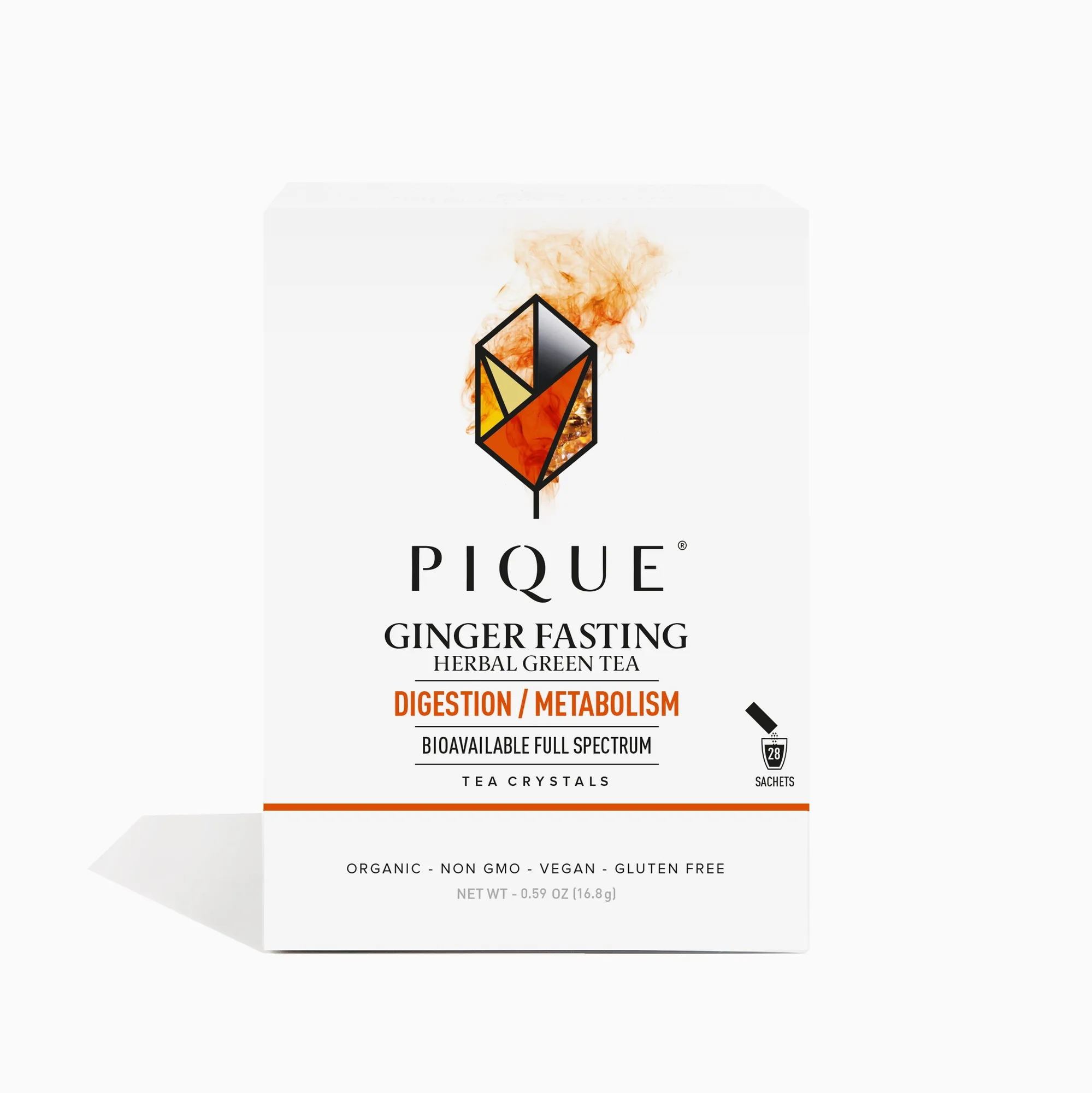
Ginger Fasting Green Tea: Ingredients: Green tea blend*, ginger*, spearmint*, licorice root*, lemon peel*, orange peel*. *Organic. The blend includes licorice root, which adds sweetness and a distinct flavor. If you're avoiding licorice or prefer a simpler ingredient list, this is a key difference.
Ginger Fasting Green Tea
-
Ginger Fasting Green Tea: Preparation: Add to 8oz cold water and shake/stir. For a hot drink, first add crystals to cup, then add 8oz warm water and stir. Ideal water temperature is 170°F. Avoid boiling water. The crystal format dissolves quickly, making it convenient for both hot and cold drinks. The temperature guidance is explicit.
-
Mint Sencha Green Tea: Ingredients: Organic green tea, organic spearmint. Only two ingredients—no licorice, no citrus. This is the cleaner, more traditional sencha option.
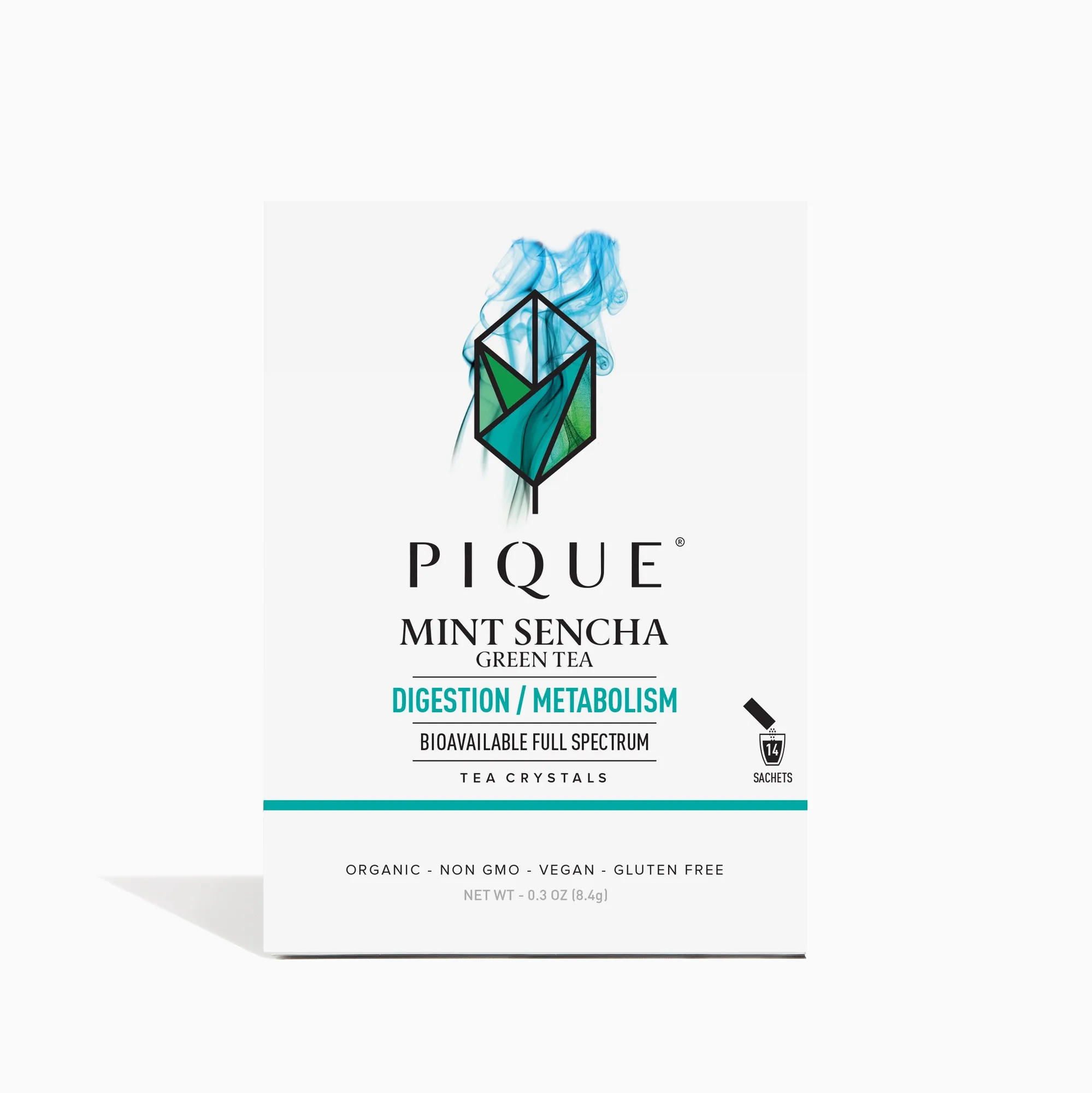
Mint Sencha Green Tea
-
Mint Sencha Green Tea: 14 servings in each carton. Knowing the serving count helps you compare cost per cup and plan how long a carton lasts.
-
Mint Sencha Green Tea: Taste notes: Bright, clear and minty fresh to awaken the senses. This describes a light, refreshing flavor—ideal if you want a simple mint-green tea without added spice or sweetness.
Which one fits your fasting routine?
Choose Ginger Fasting Green Tea if you want a more complex, slightly sweet flavor with ginger and citrus, and you like the convenience of crystals that dissolve in cold water. It's a good fit for someone who wants variety and doesn't mind licorice root in the blend.
Choose Mint Sencha Green Tea if you prefer a clean, minty sencha with just two ingredients and a straightforward preparation. It's also a better option if you're looking for a larger number of servings per carton (14) and want to keep your routine simple.
Neither record confirms caffeine content, so if you're strictly monitoring caffeine during your fast, you'll need to use your own judgment or consult the packaging for more detail. Both are green tea-based, so they naturally contain some caffeine.