Start with the blend you actually have
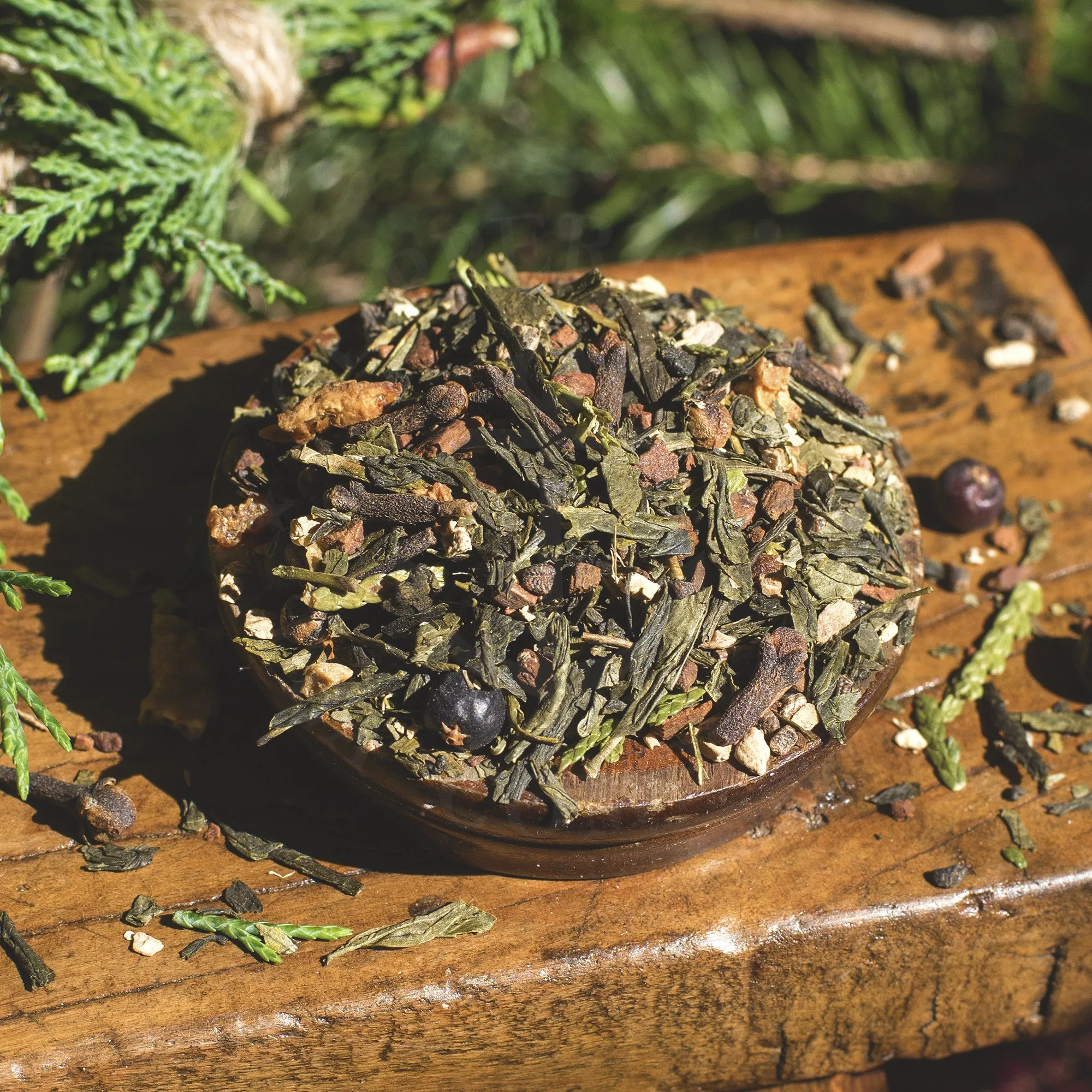
Ginger green tea is a fusion of premium green tea leaves and dry ginger, so your brewing approach should account for both. The green tea base can turn bitter if pushed too hard, while the ginger delivers a spicy, warming kick. The goal is a cup that feels soothing and revitalizing, not harsh or astringent.
Swachh Tea’s Ginger Green Tea comes in a 100gm box pack. The catalog describes it as a harmonious blend of green tea and natural ginger spiciness, with an earthy base and a zesty finish. That balance is your reference point for every adjustment you make.
What the catalog confirms about this blend
-
Ginger Green Tea: Ginger Green Tea combines premium green tea leaves with dry ginger for a warming, spicy infusion. Knowing both ingredients helps you avoid over-steeping the green tea while still extracting ginger’s warmth.
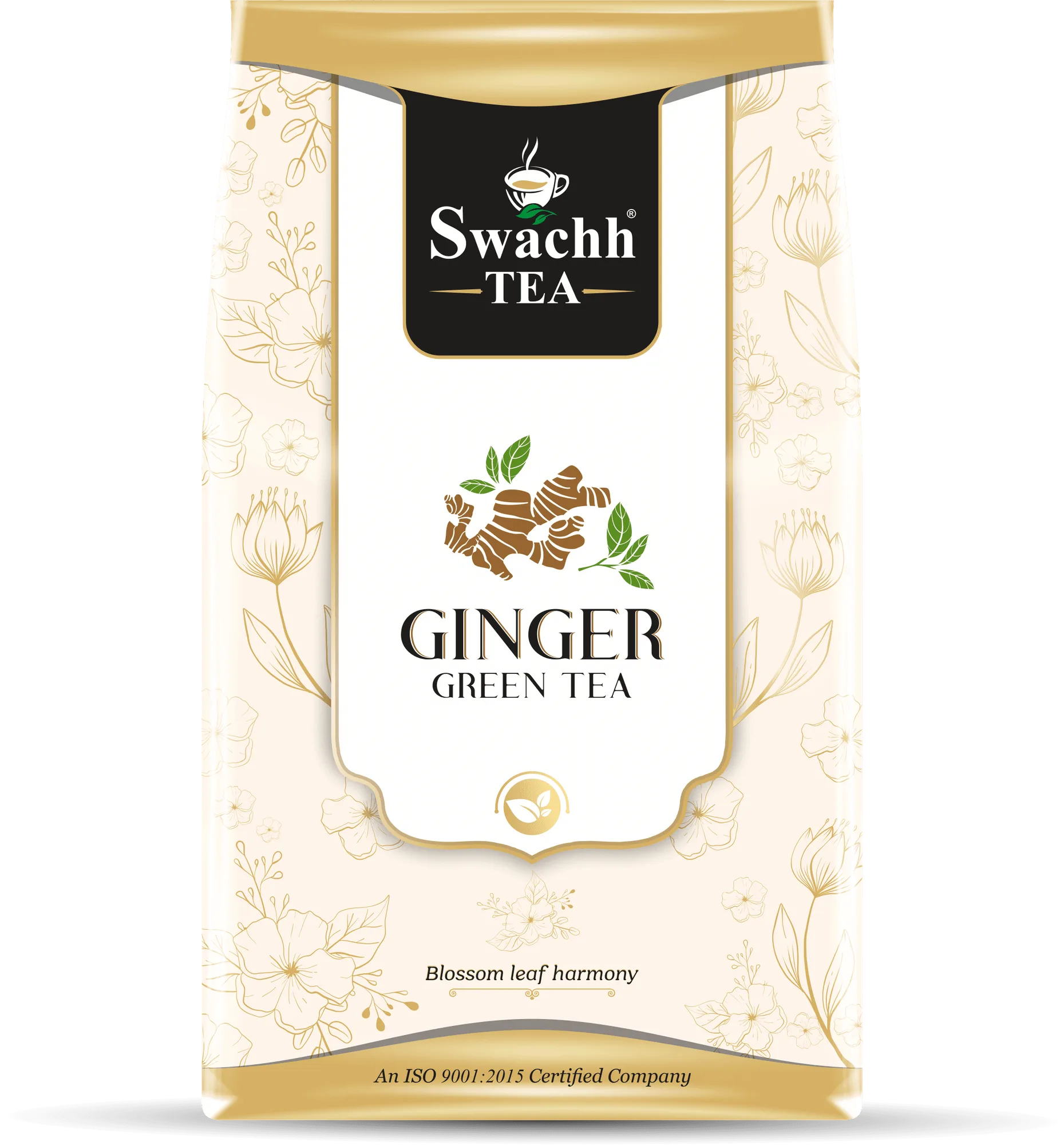
Ginger Green Tea
-
Ginger Green Tea: Available pack size: 100gm box pack. A single pack size makes it easy to plan storage and repeated brewing trials.
A simple brewing sequence for a balanced cup
The product record does not specify water temperature or steeping time, so use this as a starting framework and adjust to your taste. Always start with fresh, filtered water and pre-warm your cup.
- Measure the leaf: Use about one teaspoon of Ginger Green Tea per cup. Adjust slightly if you prefer a stronger or lighter ginger note.
- Heat water gently: Bring water to a gentle simmer, then let it cool briefly before pouring over the leaves. Water that is too hot can make green tea taste bitter.
- Pour and watch the clock: Pour the water over the leaves and begin tasting early. The right moment depends on your palate, so sample every so often rather than relying on a fixed time.
- Remove the leaves: As soon as the cup tastes balanced—warm from ginger, smooth from green tea—lift out the leaves or strain. Leaving them in continues extraction and can shift the cup toward bitterness.
Checkpoints for ginger green tea strength
Because the catalog does not provide a precise steeping time, use these sensory cues to decide when to stop brewing.
- Aroma: The dry leaf smells spicy and green. Once the brewed aroma turns sharp or cooked, you have likely gone far enough.
- First sip: Taste a small spoonful early. A balanced cup feels warming and smooth, with ginger in the background rather than dominating.
- Mouthfeel: If the tea starts to feel drying or puckery on your tongue, remove the leaves—that is a sign of over-extraction.
- Color: The liquor should look bright and clear. A dull, dark tone often means the green tea has steeped too long.
How water temperature changes the cup
Water temperature is your main control for balancing green tea’s freshness with ginger’s spice. Very hot water extracts both quickly, which can bring out bitterness from the tea before the ginger has fully opened up. Slightly cooler water gives you more room to taste as you go.
A practical approach: heat water to a gentle simmer, then pause before pouring. If your first cup tastes sharp, let the water cool a little more next time. If it tastes flat, use water that is a touch hotter. The product record does not give a specific temperature, so let your own taste guide you.
Storing your ginger green tea blend
Green tea blends are sensitive to light, heat, moisture, and strong odors. Keep your 100gm box in a cool, dry place away from the stove or sunny windowsill. Once opened, seal the inner bag tightly or transfer the tea to an airtight container.
Avoid storing the tea next to spices or coffee, as the leaves can pick up nearby aromas. The catalog does not state a shelf life, so use your senses: if the leaf smells stale or has lost its ginger warmth, it is past its best. Buy only as much as you will drink within a reasonable time.
Why these details matter for your daily cup
- Ginger Green Tea: The blend is described as offering a spicy aroma and bold taste, with ginger celebrated for digestive properties and immune-boosting effects. These are the qualities you are trying to preserve—gentle heat and ginger’s character—so brew to highlight them rather than mask them.