Why Earl Grey Turns Bitter
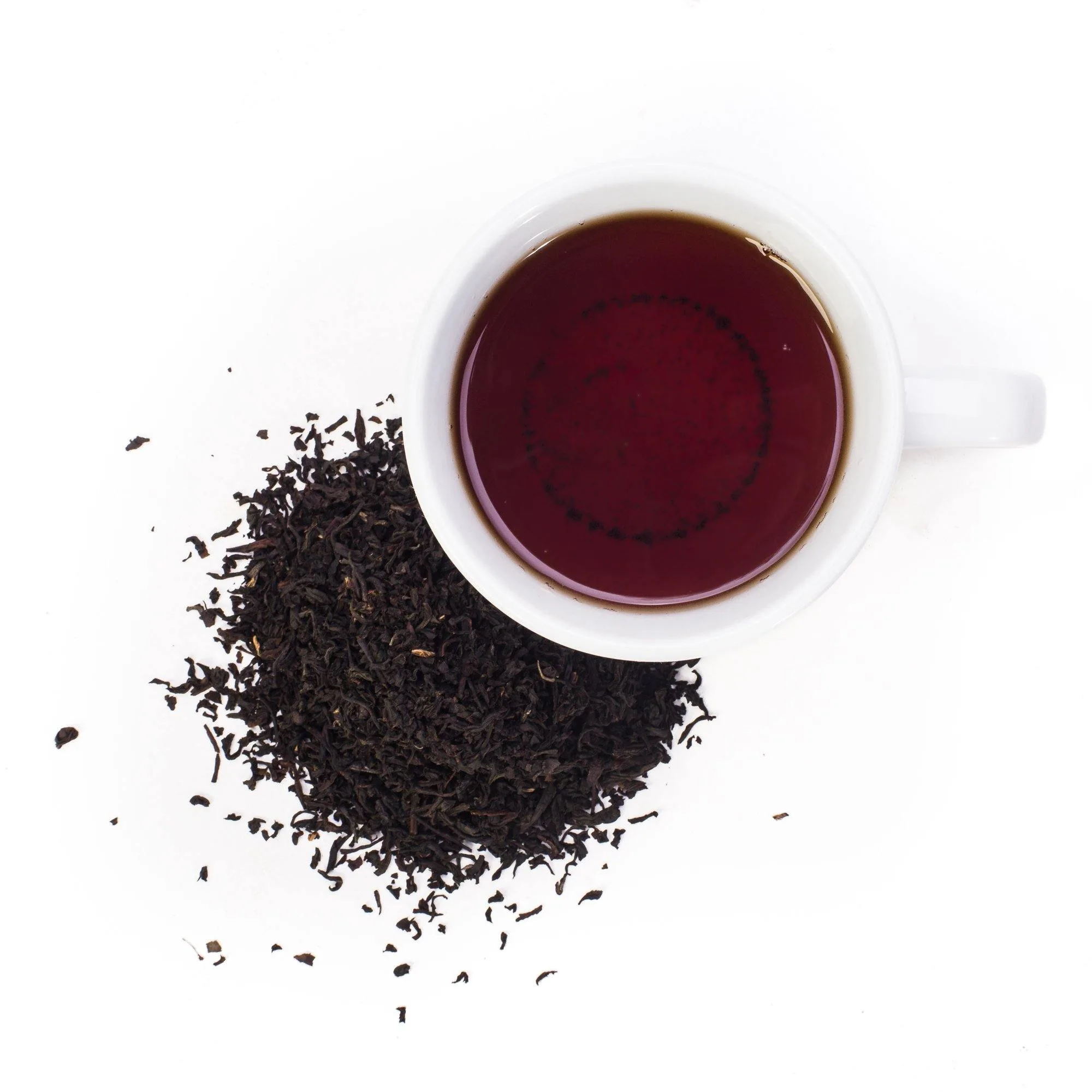
Earl Grey is a black tea base infused with bergamot, so it carries the same bitterness risk as any black tea: too much leaf, water that is too hot, or steeping too long will pull out harsh tannins and flatten the citrus. The goal is to extract the bold tea strength and bright bergamot without letting astringency take over.
The good news is that you can manage all three variables—leaf amount, water temperature, and steeping time—without special equipment. Start with a moderate leaf dose, use water just off a boil, and taste early rather than guessing.
What the Earl Grey Black Tea Record Confirms
-
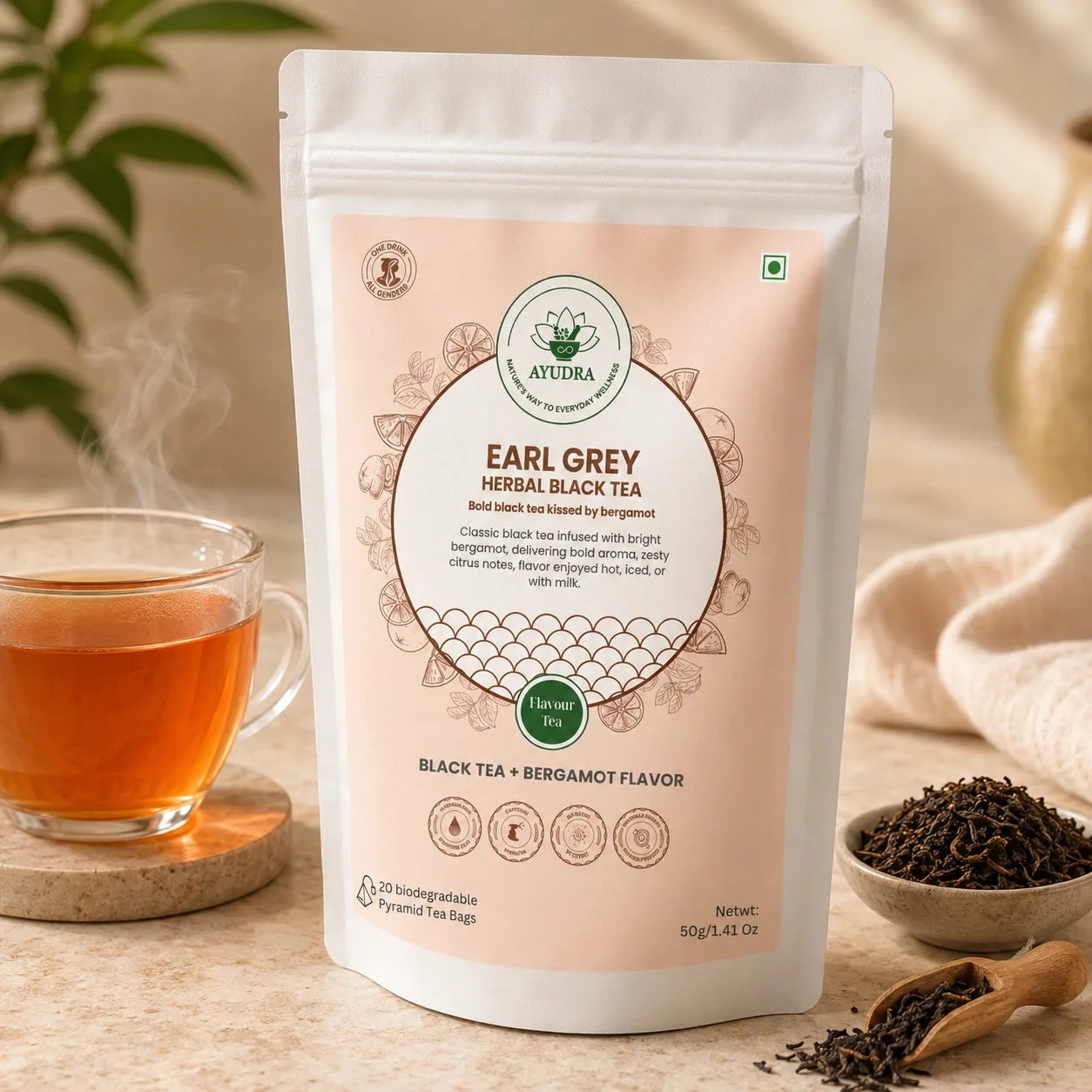
Earl Grey Black Tea: Earl Grey Black Tea is a black tea base infused with bergamot, described as delivering a balance between bold tea strength and refreshing citrus notes. That balance is exactly what you are protecting when you adjust brewing variables—you want strength and citrus, not tannic bite.
Earl Grey Black Tea
-
Earl Grey Black Tea: The tea is packed in convenient tea bags for consistent flavor and effortless brewing. Tea bags remove leaf-size guesswork; your main controls are water temperature, steep time, and how many bags you use per cup.
-
Earl Grey Black Tea: It naturally contains caffeine and can be enjoyed plain, with milk, or served iced. Milk and ice both change how bitterness is perceived, so your brewing target shifts slightly depending on how you plan to serve it.
A Simple Brewing Method to Avoid Bitterness
The exact numbers below are starting points, not manufacturer instructions. Adjust to your taste and the size of your cup.
- Start with one tea bag per cup: Use one bag for a standard mug. If you want a stronger cup, increase steep time first rather than adding a second bag immediately—more leaf extracts more tannin.
- Use water just off a boil: Bring water to a boil, then let it sit briefly before pouring. Water that is still rolling boiling can scorch the leaves and amplify bitterness. If you have a thermometer, aim for a temperature below boiling; if not, a short pause after boiling is a practical guide.
- Steep briefly and taste early: Begin tasting after a short steep—around one to two minutes—and remove the bag when the flavor feels balanced. Black tea can go from bright to bitter quickly, so early tasting is your best control.
- Remove the bag and serve: Do not leave the bag sitting in the cup if you want to avoid increasing bitterness. Serve plain, add milk, or pour over ice as you prefer.
Adjusting for Milk or Iced Tea
- For a milky cup: Milk softens astringency, so you can steep slightly longer or use a touch more leaf if you want the tea to stand up to milk. Add milk after brewing, not during, so you can taste the tea first.
- For iced Earl Grey: Brew a slightly stronger concentrate, then pour it over plenty of ice. The ice dilutes the tea, so a concentrate helps preserve flavor. Avoid over-steeping the concentrate—bitterness will still come through even when cold.
What the Supplied Information Does Not Settle
The catalog record for Earl Grey Black Tea does not include a specific water temperature, steeping time, or leaf-to-water ratio. It also does not list allergen or dietary information. Treat the suggestions above as general brewing guidance, not as manufacturer instructions, and check the packaging for any specific directions if provided.
If you are sensitive to caffeine, note that this tea naturally contains caffeine. The record does not state a caffeine amount per cup, so it cannot be used to calculate your intake.