One blend, two ways to drink it
Organic Ginger Lemon Green Tea is a sencha-based blend with ginger, lemongrass, and lemon. You can brew it hot for a soothing cup or chill it for a refreshing iced tea. The method changes the flavor, but the core rules stay the same: keep the water below boiling and give the leaves room to expand.
This guide walks through both methods using the brewing details from the product record. You’ll also find a simple ratio to scale the recipe and tips for adjusting strength without bitterness.
Brewing specs at a glance
-
Organic Ginger Lemon Green Tea – Premium Loose Leaf Sencha Blend: Use water at 80°C (let your kettle sit for 2 minutes after boiling). Water that is too hot can make green tea taste bitter; 80°C preserves the sencha’s natural sweetness.
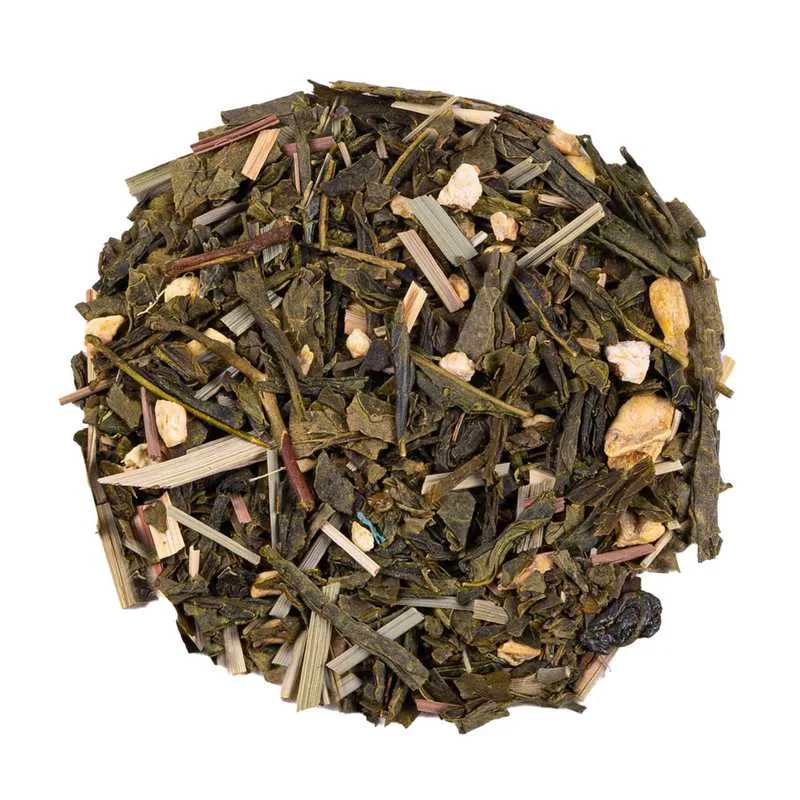
Organic Ginger Lemon Green Tea – Premium Loose Leaf Sencha Blend
-
Organic Ginger Lemon Green Tea – Premium Loose Leaf Sencha Blend: Measure 1–2 teaspoons of tea per 250ml cup. This range lets you adjust strength: start with 1 teaspoon for a lighter cup, go to 2 for a bolder one.
-
Organic Ginger Lemon Green Tea – Premium Loose Leaf Sencha Blend: Steep for 3–5 minutes. The 3–5 minute window balances flavor extraction; shorter steeps are brighter, longer steeps are more robust.
Hot brew method
Follow these steps for a hot cup that brings out the ginger and lemon without bitterness.
- Heat water to 80°C: Boil fresh water, then let it sit for 2 minutes. If you have a thermometer, aim for 80°C.
- Measure the leaves: Add 1–2 teaspoons of Organic Ginger Lemon Green Tea to your infuser or teapot for each 250ml cup.
- Pour and steep: Pour the hot water over the leaves and steep for 3–5 minutes. Taste at 3 minutes and continue steeping if you want more strength.
- Remove the leaves: Take out the infuser or strain the tea to stop the steeping process. Serve hot.
Iced sencha blend recipe
For iced tea, brew a concentrated batch, then chill it. This preserves the delicate flavors and prevents dilution from melting ice.
- Brew a double-strength concentrate: Use the same water temperature (80°C) but double the leaf amount: 2–4 teaspoons per 250ml of water. Steep for 3–5 minutes.
- Strain and cool: Remove the leaves and let the concentrate cool to room temperature. Then refrigerate until cold.
- Dilute and serve: Pour the chilled concentrate over ice. As the ice melts, it will dilute the tea to drinking strength. Alternatively, mix with an equal amount of cold water before serving.
Hot vs iced: what changes in the cup
Both methods use the same leaf and water temperature, but the experience differs.
- Flavor intensity: Hot brewing releases more aromatic compounds, so the ginger and lemon notes are more pronounced. Iced tea tends to taste smoother and more refreshing.
- Bitterness risk: Over-steeping or water that is too hot can make either version bitter, but iced tea is more forgiving because the cold temperature slows extraction of bitter compounds.
- Convenience: Hot tea is quick to make one cup at a time. Iced tea requires planning ahead to chill, but you can make a larger batch to enjoy over several days.
Adjusting strength and avoiding bitterness
If your tea tastes bitter, shorten the steep time or lower the water temperature slightly. If it tastes weak, add more leaves rather than steeping longer—this extracts more flavor without pulling out harsh tannins.
The product record notes that high-quality sencha can often be infused a second time for a lighter, sweeter cup. After your first steep, add fresh 80°C water and steep for 2–3 minutes.
Sizes for your brewing routine
- Organic Ginger Lemon Green Tea – Premium Loose Leaf Sencha Blend: Available in 125g (approx. 30 cups) and 250g (approx. 60 cups). The 125g size suits occasional hot brews, while 250g is better if you plan to make iced tea regularly or share.
Storage and freshness
Store your tea in an airtight container away from light, heat, and moisture. The product record does not specify a shelf life, so use your judgment and enjoy it while it’s fresh.