Quick answer
For most fall days, a sweater is the layer she'll wear longest, because classrooms and cars run warm and knitwear breathes. A jacket earns its place on windy, damp, or early-morning commutes when she needs a shield over that sweater. Buy the sweater first, then add one jacket that fits over it without bulk.
What each layer actually does
A sweater traps warmth and lets air move, so it works indoors and out. That makes it the default for school, errands, and any day with a big temperature swing. A jacket blocks wind and light rain and adds a shell you can shed at the door. The two aren't rivals so much as different jobs: one insulates, one protects. If you're deciding where to spend first, spend on the layer she'll keep on all day.
The trade-offs you'll feel by mid-October
Sweaters win on comfort and packability but lose on weather. Jackets win on protection but can be too warm indoors and too bulky under a backpack. The practical answer is usually one knit plus one shell, not three of either. If your child runs hot, lean knit-heavy; if she walks to school into a headwind, lean jacket-first.
How to layer without the bulk fight
Start with a fitted base that stays put, then add a mid-layer, then a jacket if needed. Fitted leggings and joggers keep the bottom half streamlined so the top layers don't bunch. Check that the jacket sleeves slide over the sweater sleeves without pushing them up, and that she can still zip, button, and pocket her hands on her own.
Sweater vs jacket: the trade-offs at a glance
- Warmth indoors: Sweaters hold heat without trapping it the way a shell can, so they stay comfortable in classrooms and cars. Choose a sweater as the all-day layer.
- Weather protection: Jackets block wind and light rain, which a knit alone won't do on a walk to the bus stop. Add one jacket for exposed commutes.
- Bulk and packing: Sweaters fold flat into a backpack; jackets take more room and can feel heavy indoors. If storage or backpack space is tight, favor knits and one thin shell.
Pieces that make fall layering easier
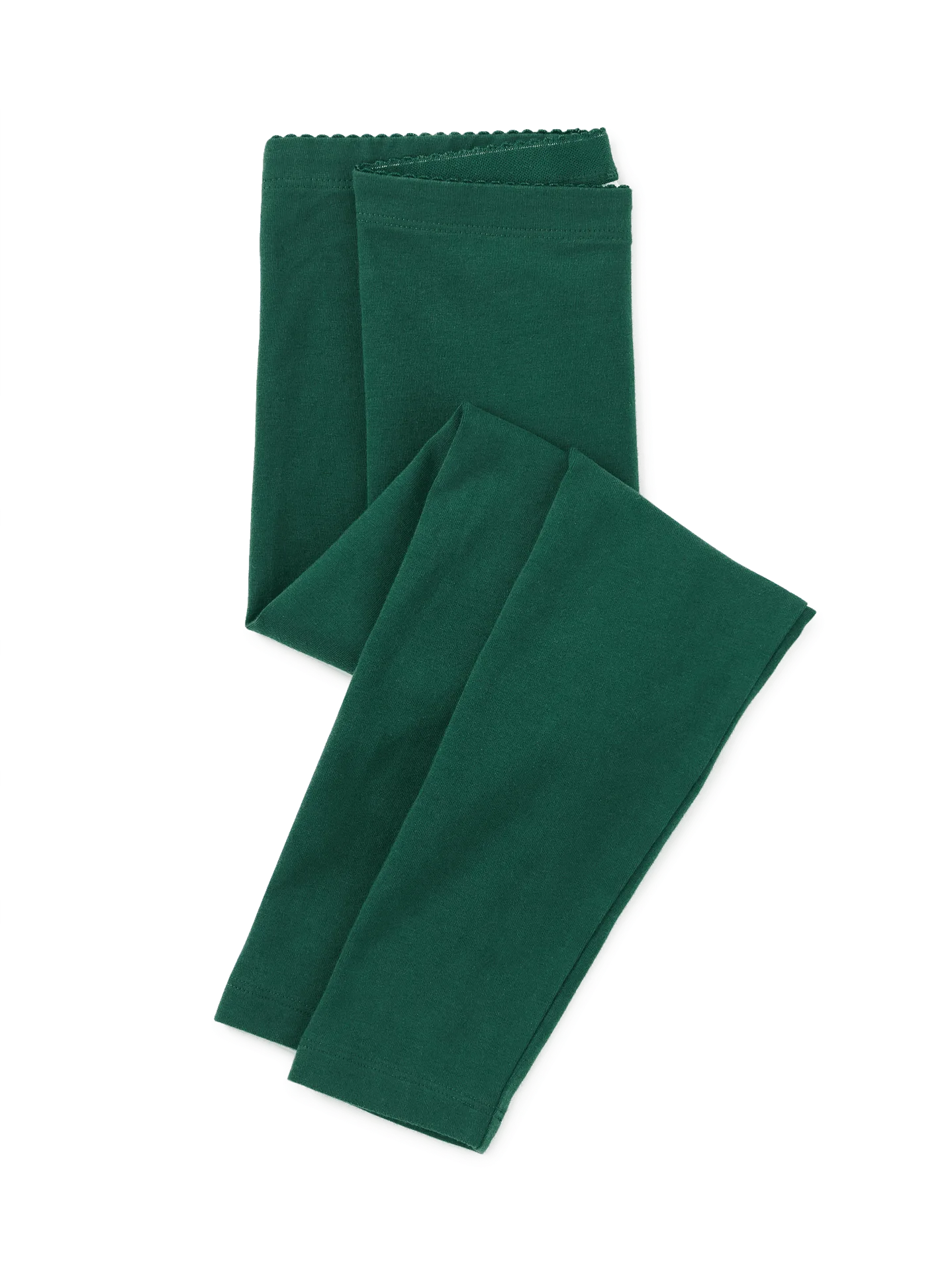
- Solid Leggings: Fitted, ankle-length legging with an elastic waist in 92% cotton, 8% spandex jersey. A smooth, stretchy base layer under dresses and tunics means fewer waistband adjustments when she's adding a sweater or jacket on top.
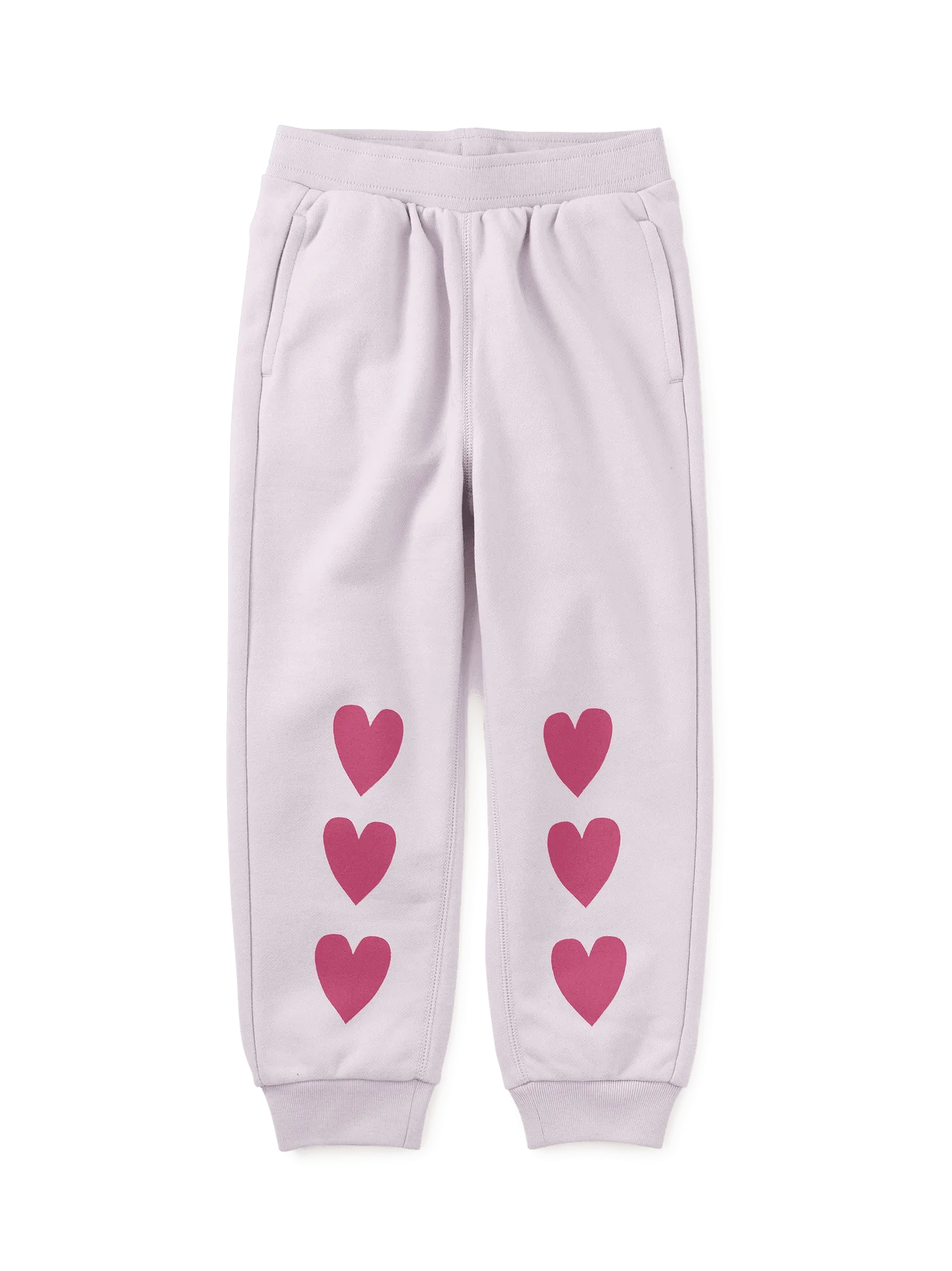
- Going Places Joggers: Soft French terry joggers with an easy fit, handy pockets, and a functional drawcord. French terry adds warmth without a bulky silhouette, so these work as the bottom half of a layered fall outfit on cooler mornings.
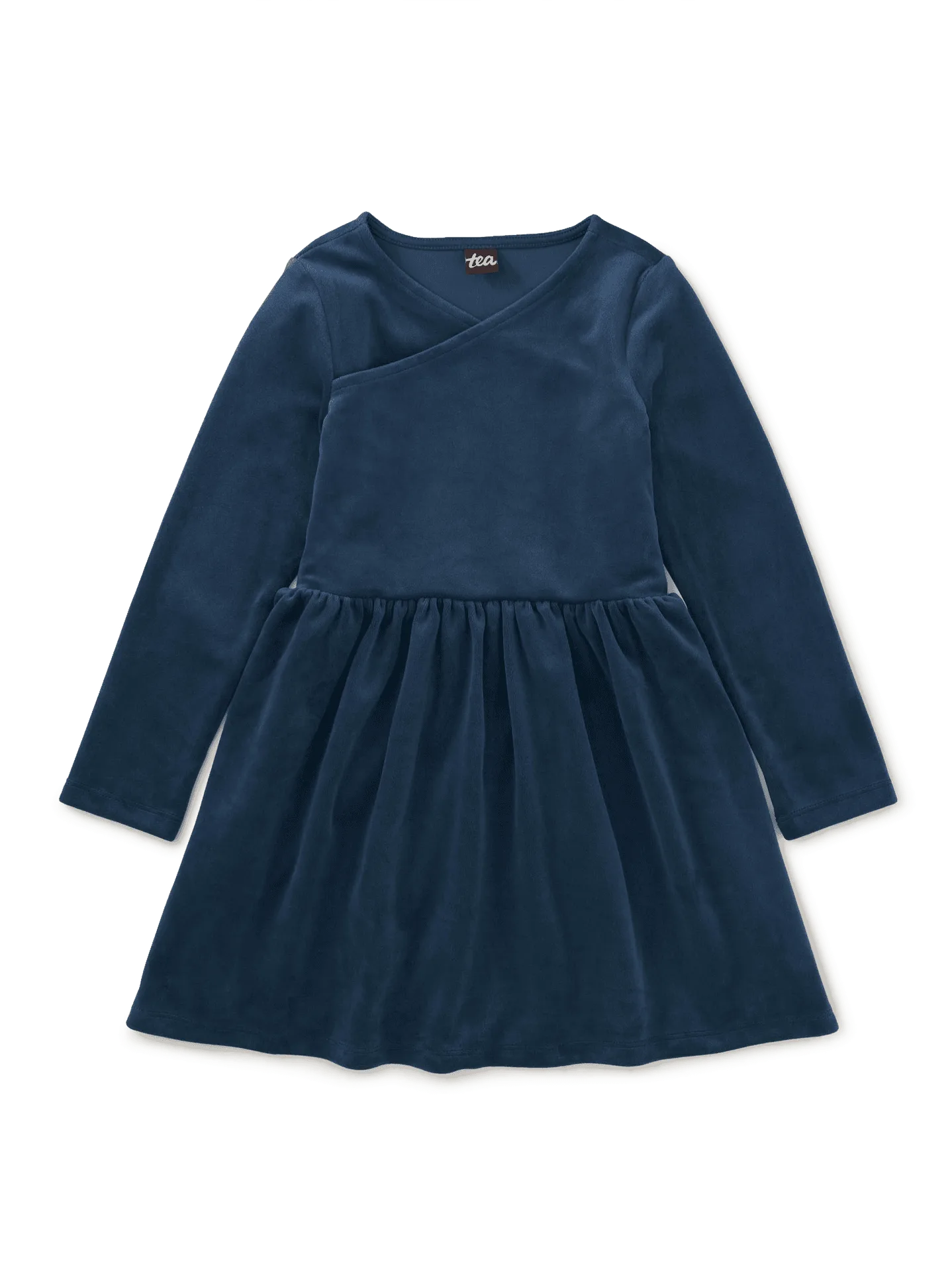
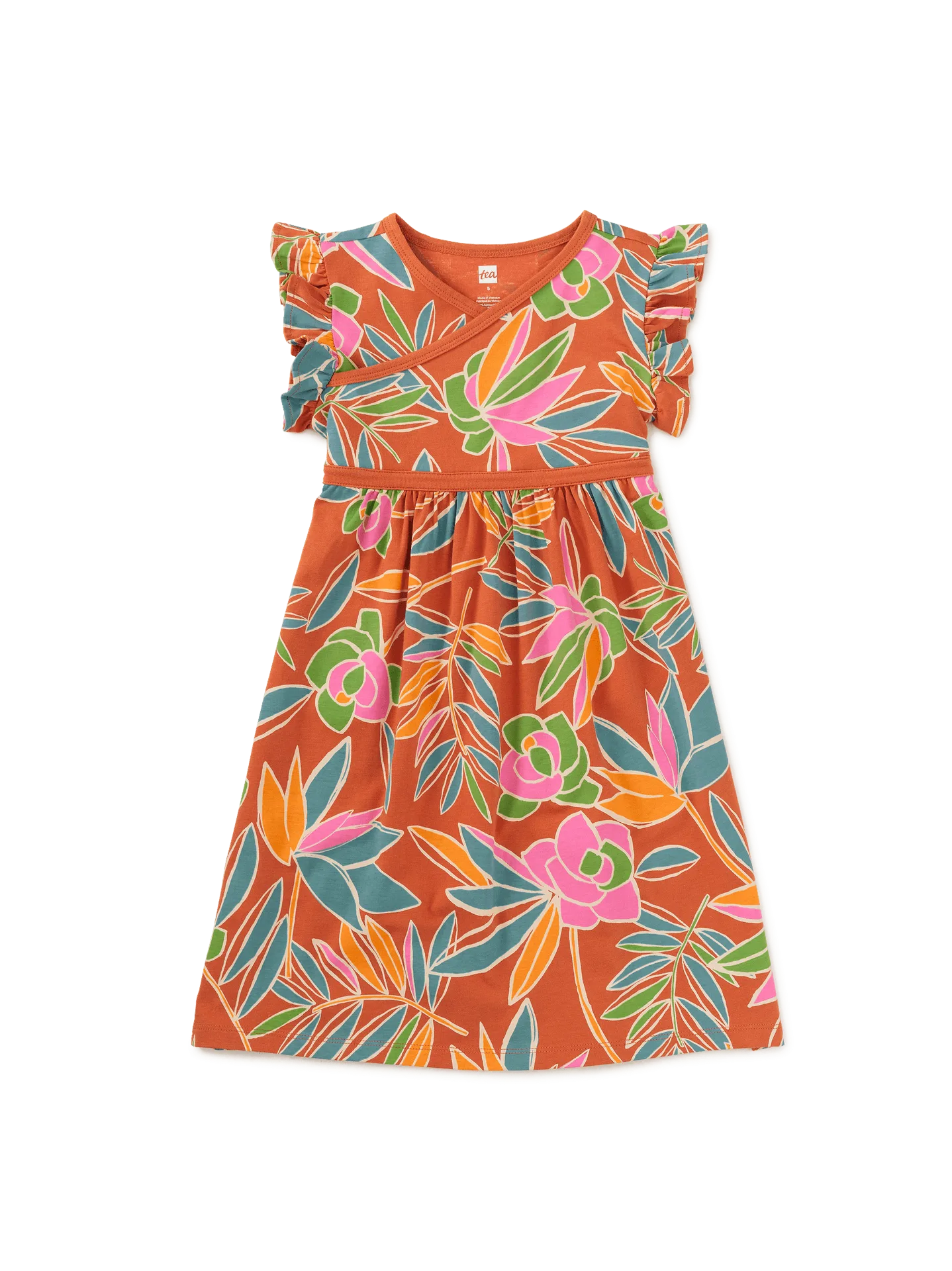
- Velour Wrap Neck Dress: Velour wrap-neck dress with a gathered skirt and wrap neckline, machine washable. A dress like this can stand alone on mild days or sit under a jacket when the forecast turns, which stretches one outfit across more of the season.
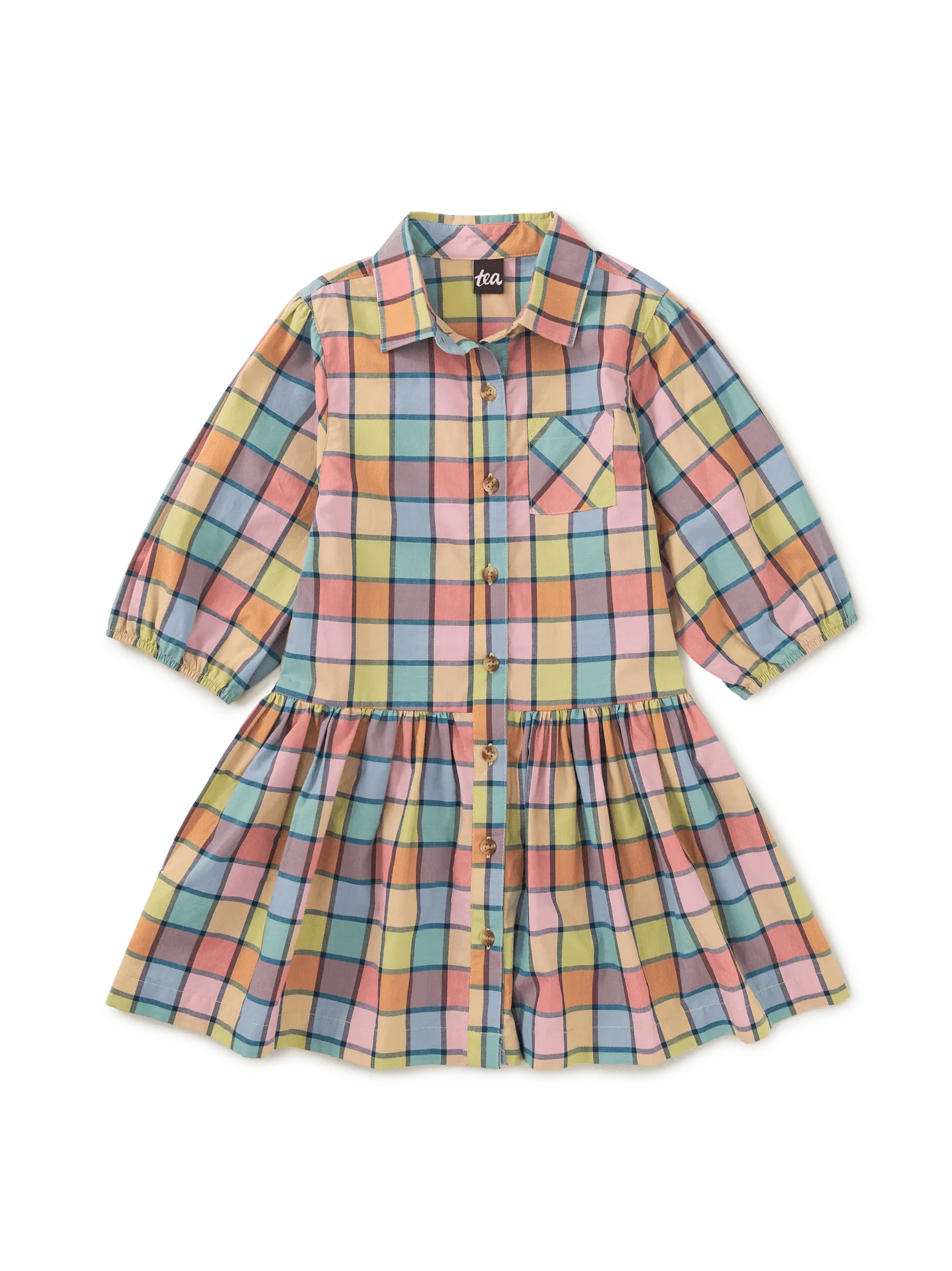
- Collared Blouson Sleeve Dress: 100% cotton poplin dress with long blouson sleeves, a button placket, and a hi-lo hem. Long sleeves and a button front make this easy to wear open over a tee or closed as a top layer, so it bridges the sweater-or-jacket gap on mild fall days.
Which one should you buy first?
Buy a sweater first if
- Most of her day is indoors and temperatures swing between morning and afternoon
- She layers over dresses, leggings, and joggers and needs something she can keep on
- You want one piece that works for school, errands, and playdates
Buy a jacket first if
- She walks or waits outside in wind and drizzle most mornings
- Your fall mornings are consistently cold and she needs a shell over her layers
- She already owns several knits and needs weather protection instead