Quick answer
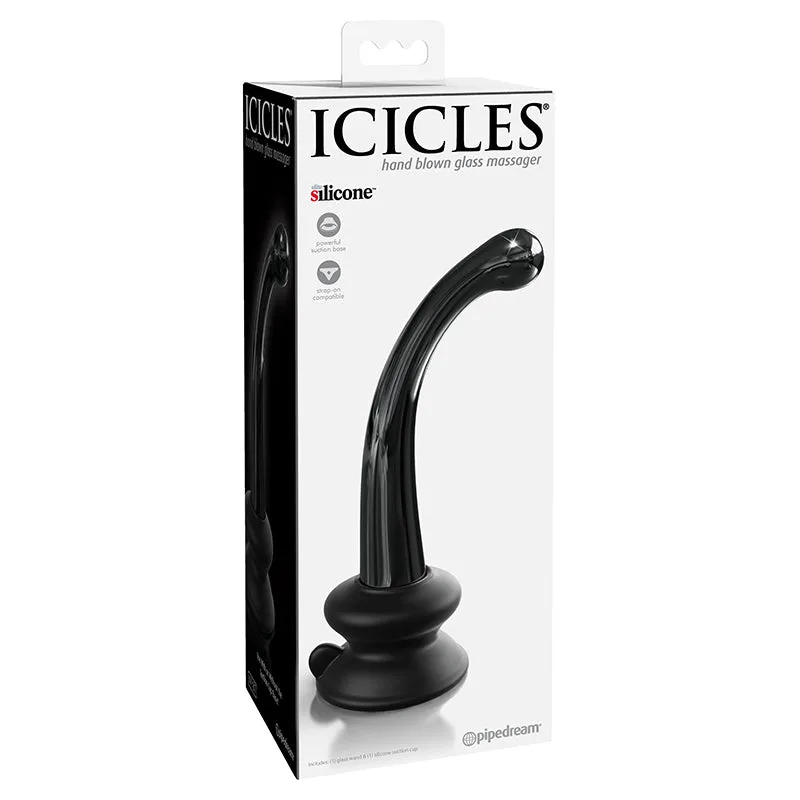
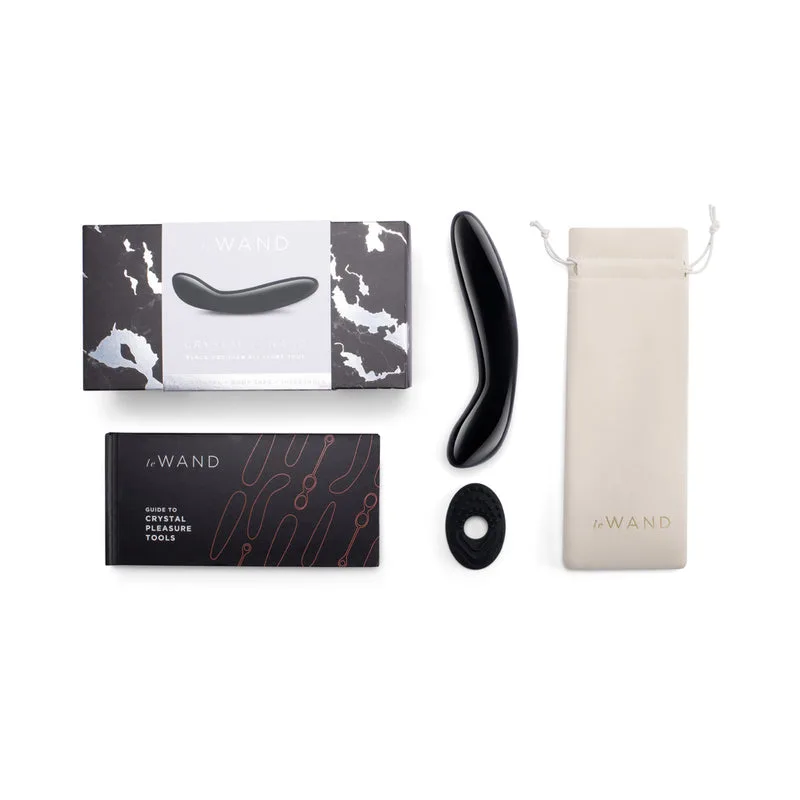
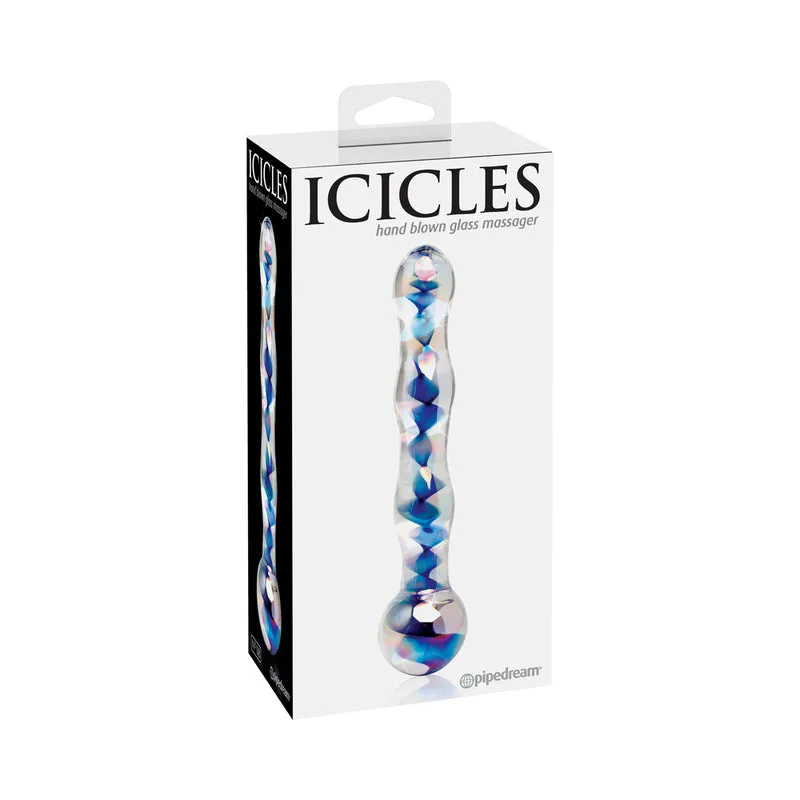
Glass dildos offer firm, temperature-responsive play and are non-porous for easy sanitization, while silicone dildos provide flexible, cushioned comfort and are also body-safe. Your choice depends on whether you prioritize rigid pressure and temperature variation or soft, bendable adaptability.
Material feel and sensation
Glass dildos are rigid and unyielding, delivering direct, intense pressure on the G-spot or prostate. Their smooth, hard surface glides easily with lubricant and can be warmed or cooled for temperature play. Silicone dildos, by contrast, are soft and flexible, bending to your body's contours for a gentler, more forgiving sensation. The material's slight give makes it ideal for users who prefer a less aggressive feel or have sensitivity to firm textures.
Care and durability
Both glass and silicone are non-porous and body-safe, but their care routines differ. Glass can be boiled, bleached, or run through the dishwasher for thorough sterilization, and it never degrades over time. Silicone is also easy to clean with soap and water or a toy cleaner, but it can attract lint and dust and may degrade if stored with other silicone toys. Glass is virtually unbreakable under normal use, though it can chip or crack if dropped on a hard surface. Silicone is more forgiving of drops but can tear if mishandled.
Lubricant compatibility
Glass works with any lubricant, including silicone-based formulas, without any risk of material damage. Silicone dildos, however, should only be used with water-based or hybrid lubricants, as silicone lubricant can cause the toy's surface to break down over time. This is an important distinction if you prefer the long-lasting slickness of silicone lube.
Tradeoffs at a glance
- Temperature play: Glass retains temperature changes well, allowing you to warm it under hot water or cool it in the fridge for added sensation. Silicone does not hold temperature as effectively and may not provide the same thermal contrast. Choose glass if temperature variation is a key part of your play.
- Flexibility and comfort: Silicone bends and compresses, making it more comfortable for beginners or those who prefer a softer, more natural feel. Glass is rigid and may be too intense for some users. Choose silicone if you prioritize comfort and adaptability over firm pressure.
- Cleaning and maintenance: Glass can be fully sterilized by boiling, making it ideal for sharing between partners or switching between anal and vaginal use. Silicone is easy to clean but cannot be boiled as effectively without risk of damage. Choose glass for the easiest, most thorough sanitization.
Product examples that illustrate the material difference
- Love to Love Dildolls Utopia Large: The Love to Love Dildolls Utopia Large is made from body-safe silicone with a curved design and gradient colors. It launched in 2021 and has sold tens of thousands of units globally. This silicone dildo demonstrates the flexibility and ergonomic shaping possible with silicone, offering a curved profile that targets pleasure points with a soft, comfortable feel.
- Sportsheets Sex & Mischief Amor Paddle Dual-Sided Red: The Sportsheets Sex & Mischief Amor Paddle Dual-Sided Red is a dual-sided paddle with a rigid faux leather side and a soft faux fur side, covered by a lifetime warranty. While not a dildo, this paddle's rigid side mirrors the firm, unyielding sensation of glass toys, while the soft side echoes the cushioned feel of silicone, showing how material choice affects sensation in impact play.
Which material fits your play style?
Best for
- Users who enjoy temperature play and want a firm, unyielding sensation
- Those who prioritize easy sterilization and want a toy that can be shared safely
Not ideal for
- Beginners or users who prefer a soft, flexible toy that bends with the body
- Anyone who wants to use silicone lubricant with their dildo