Quick answer
Choose a glass pitcher if you want to see the color of your infused water or juice, and need a lightweight, leakproof bottle you can take outdoors. Choose a stoneware pitcher if you prefer a heavier, warmer look for the dinner table and don't mind the extra weight. The Gibson Home Aspen Heights glass bottles are a great leakproof option; the Gibson Elite Sandy Pines stoneware set offers earthy elegance for serving.
Weight and portability
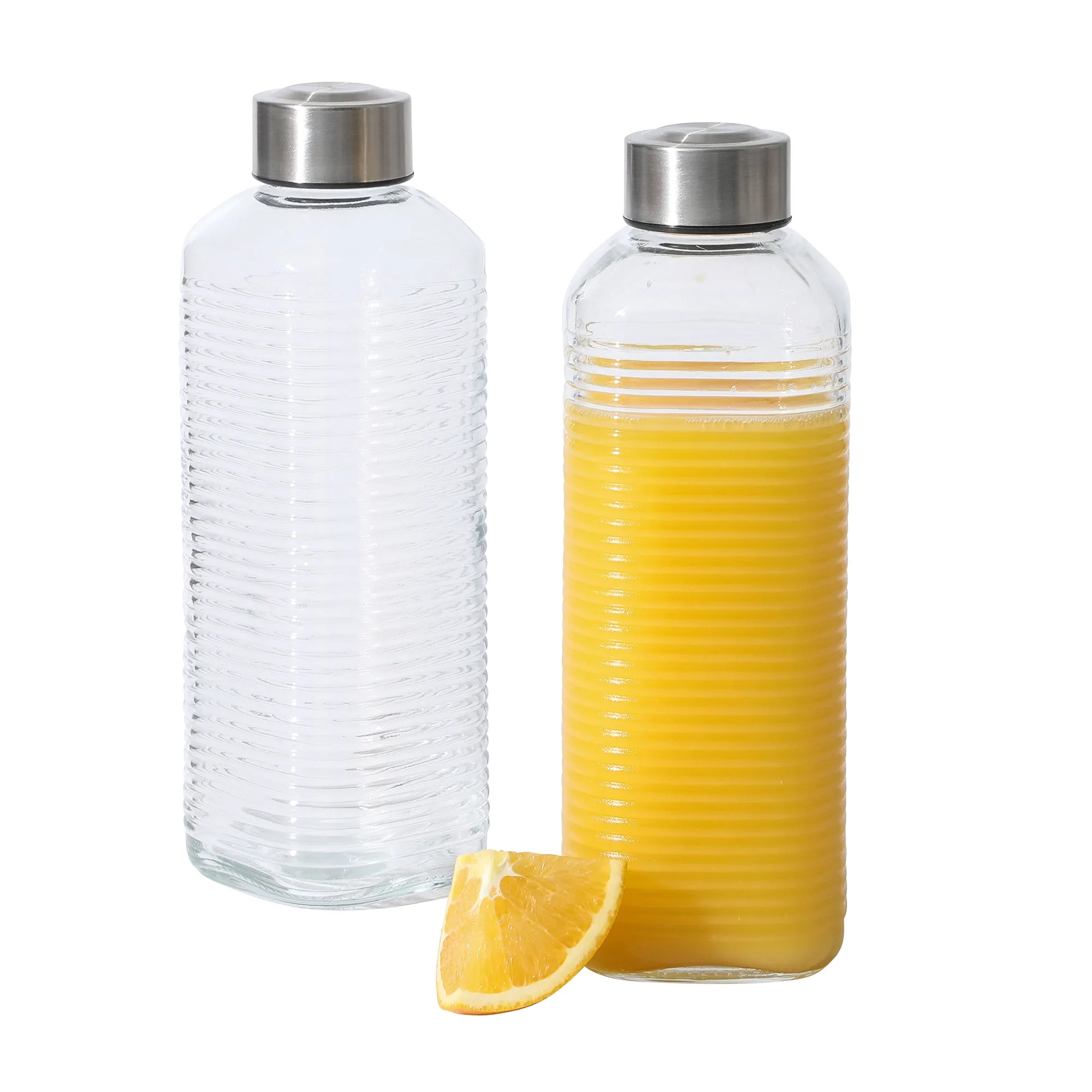
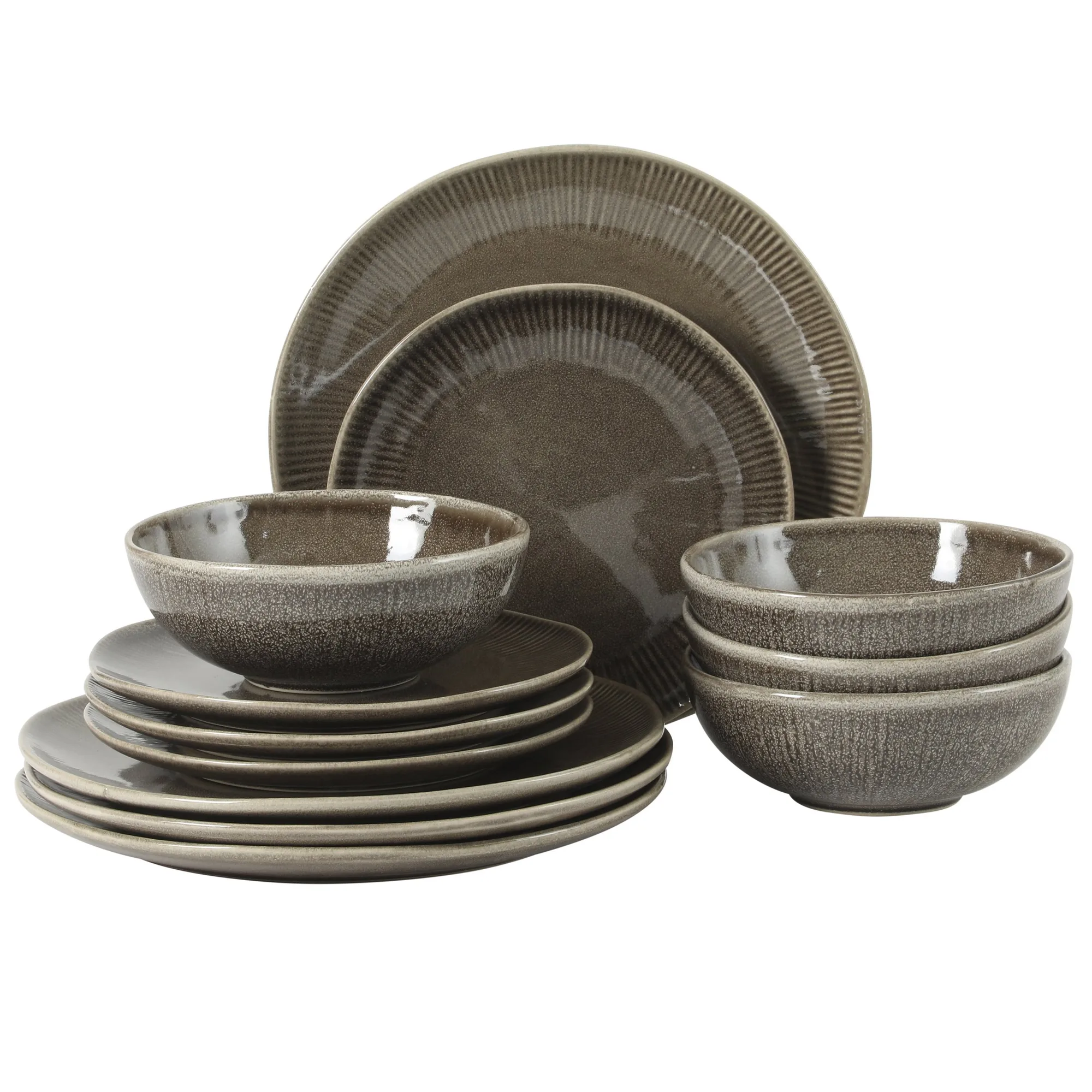
Glass pitchers are noticeably lighter than stoneware, making them easier to carry from kitchen to table or to a picnic. The Gibson Home Aspen Heights 2 Piece Glass Bottle Set comes with a stainless steel lid that seals airtight, so you can transport water, milk, or juice without worrying about leaks. Stoneware, like the Gibson Elite Sandy Pines set, is heavier and better suited for stationary use on a dining table or counter.
Durability and care
Stoneware is more resistant to chips and cracks than glass, but it can still break if dropped. The Sandy Pines set is dishwasher and microwave safe, which adds convenience for reheating and cleaning. Glass bottles are also dishwasher safe, but they are more prone to breakage if knocked over. For everyday use around kids or in busy kitchens, stoneware may be the safer choice.
Visual appeal and serving style
Clear glass lets you show off the colors of fruit-infused teas, fresh juice, or layered drinks. The Aspen Heights bottles have a modern silhouette that works indoors and outdoors. Stoneware, with its reactive glaze, adds a handcrafted, earthy feel to the table. The Sandy Pines collection is designed for serving meals and sharing stories, making it ideal for dinner parties.
Trade-offs at a glance
- Leakproof design: Glass bottles often come with airtight, leakproof lids (like the stainless steel lid on the Aspen Heights set). Stoneware pitchers typically have open spouts and no sealing lid, so they are not portable. If you need to take your drink on the go, choose a glass bottle with a leakproof lid.
- Weight and feel: Glass is lighter and easier to lift and pour. Stoneware is heavier and feels more substantial, which some people prefer for a stable serving vessel. For everyday use, glass is more practical; for a decorative centerpiece, stoneware wins.
- Heat resistance: Stoneware is safe for the microwave, so you can warm up drinks or soup directly in the pitcher. Glass bottles are typically not microwave safe unless specified. If you often reheat beverages, stoneware offers more flexibility.
Product facts
- Gibson Home Aspen Heights 2 Piece Large Embossed Reusable Glassed Bottles W/ Airtight Leakproof Stainless Steel Lid, Pitcher for Water, Milk, Juice - Dishwasher Safe: Modern glass silhouettes with crystal-clear construction display the colors and flavors of fruit-infused teas and freshly squeezed juice in both indoor table settings and outdoor picnic spreads. If you like to serve visually appealing drinks or infuse water with fruits, the clear glass lets you see the contents clearly, adding to the presentation.
- Gibson Elite Sandy Pines Stoneware Plates and Bowls Set - 12 Piece Reactive Glaze Dinnerware Set - Service for 4 - Dishwasher and Microwave Safe: The Sandy Pines Reactive Dinnerware Collection from Gibson Elite starts a quiet dialogue between ceramic craftsmanship and artistry. Grounded in earthy elegance, this collection has pieces of natural wonders beautifully made as functional objects for dining and celebrating. Stoneware's reactive glaze creates unique color variations, so each piece has a one-of-a-kind look that complements rustic or modern table settings.
Which pitcher fits your needs?
Best for
- People who want a lightweight, portable bottle for water, juice, or milk with a leakproof lid
- Those who enjoy serving visually appealing infused drinks or iced tea at the table or on a picnic
Not for
- Anyone who needs a microwave-safe pitcher for reheating drinks
- Households with young children or high risk of breakage who prefer a heavier, more stable serving vessel