Safety and Material Concerns
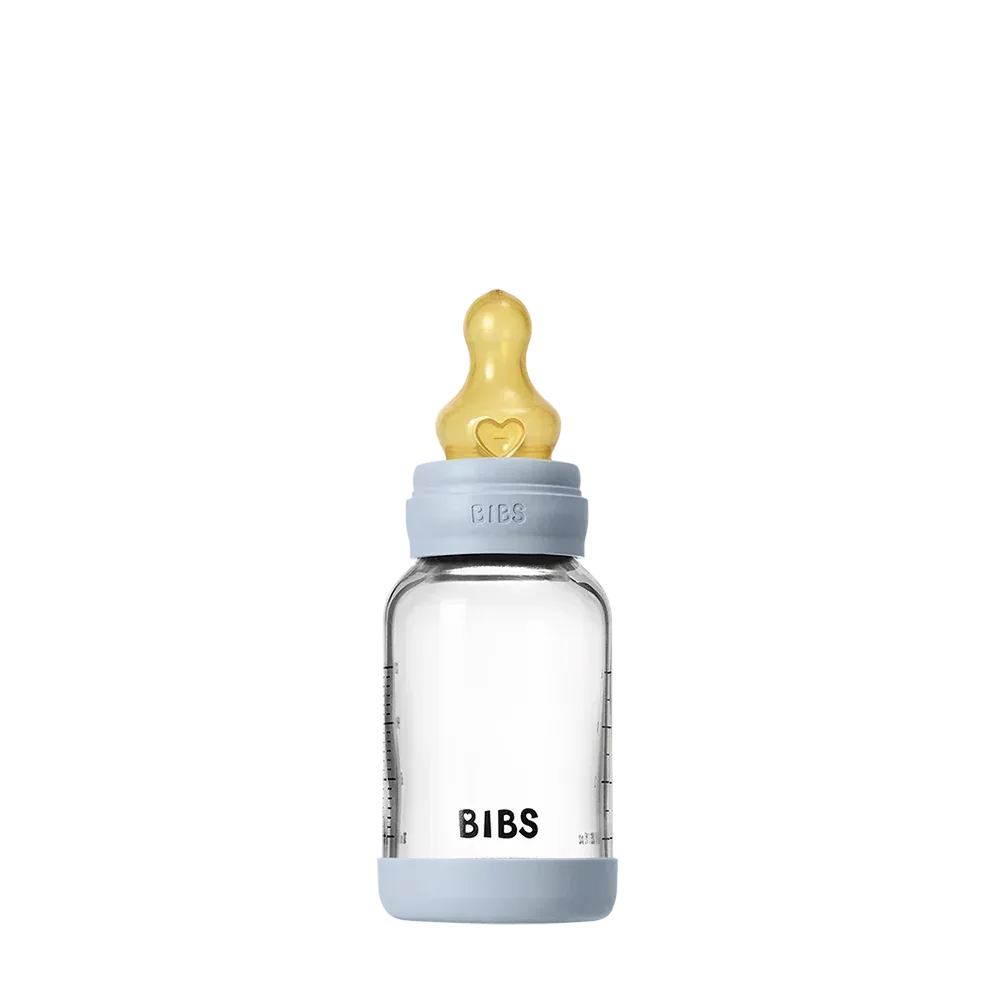
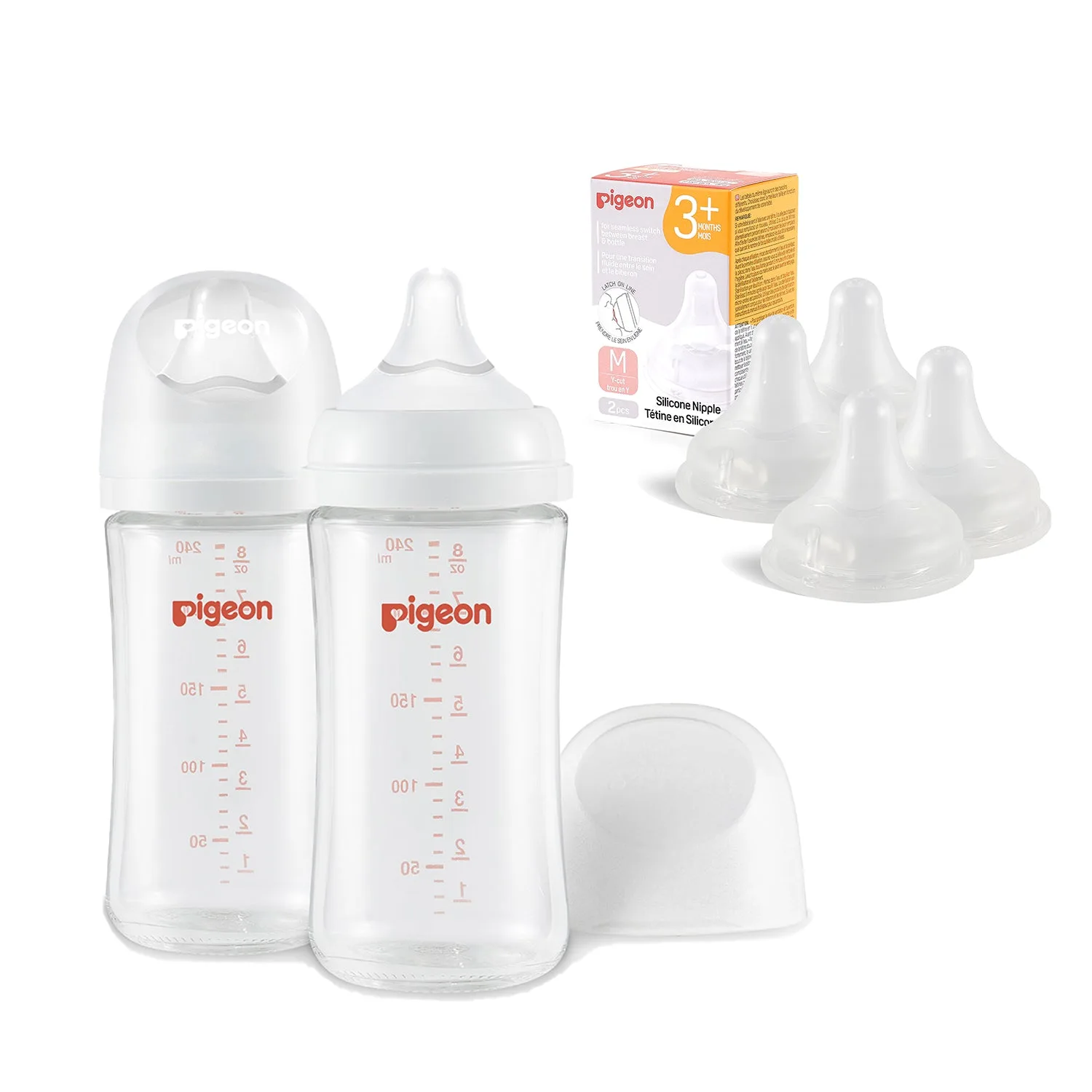
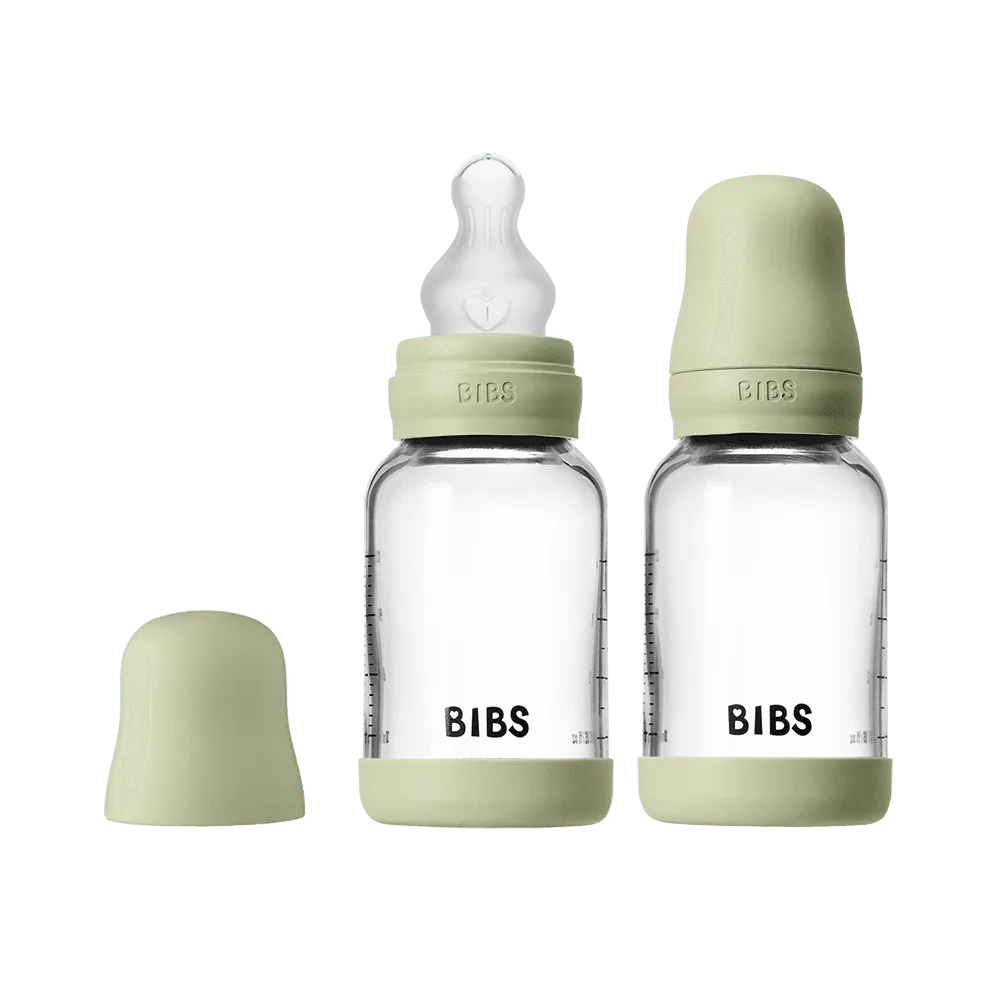
When choosing between glass and plastic baby bottles, safety is often the first concern. Glass bottles are made from materials that do not leach chemicals, making them a popular choice for parents who want to avoid potential risks associated with plastics. However, glass bottles can break if dropped, which is a safety consideration for handling.
Plastic bottles are lightweight and unbreakable, but some parents worry about chemicals like BPA. Many modern plastic bottles are BPA-free, but the long-term effects of other plastics are still debated. The choice often comes down to your feeding environment and personal comfort.
Durability and Daily Use
Glass bottles, like the Lansinoh Glass Feeding Bottle, are made from premium heat and thermal shock-resistant glass. This makes them scratch resistant and durable, but they are heavier and can break if dropped. They are ideal for home use where you can control the environment.
Plastic bottles are lighter and more portable, making them convenient for travel or outings. However, plastic can scratch over time, which may harbor bacteria. Glass bottles maintain their clarity and are easier to clean thoroughly.
Product Facts: Lansinoh Glass Feeding Bottle
-
Glass Feeding Bottles 240ml with NaturalWave® Teat: Lansinoh’s glass feeding bottle for baby is designed with comfort in mind to ensure parents can grip properly when feeding their newborn. The bottle comes with a NaturalWave teat that is clinically proven to reduce nipple confusion. This bottle combines the safety of glass with a teat designed to mimic breastfeeding, which can help with transitioning between breast and bottle.
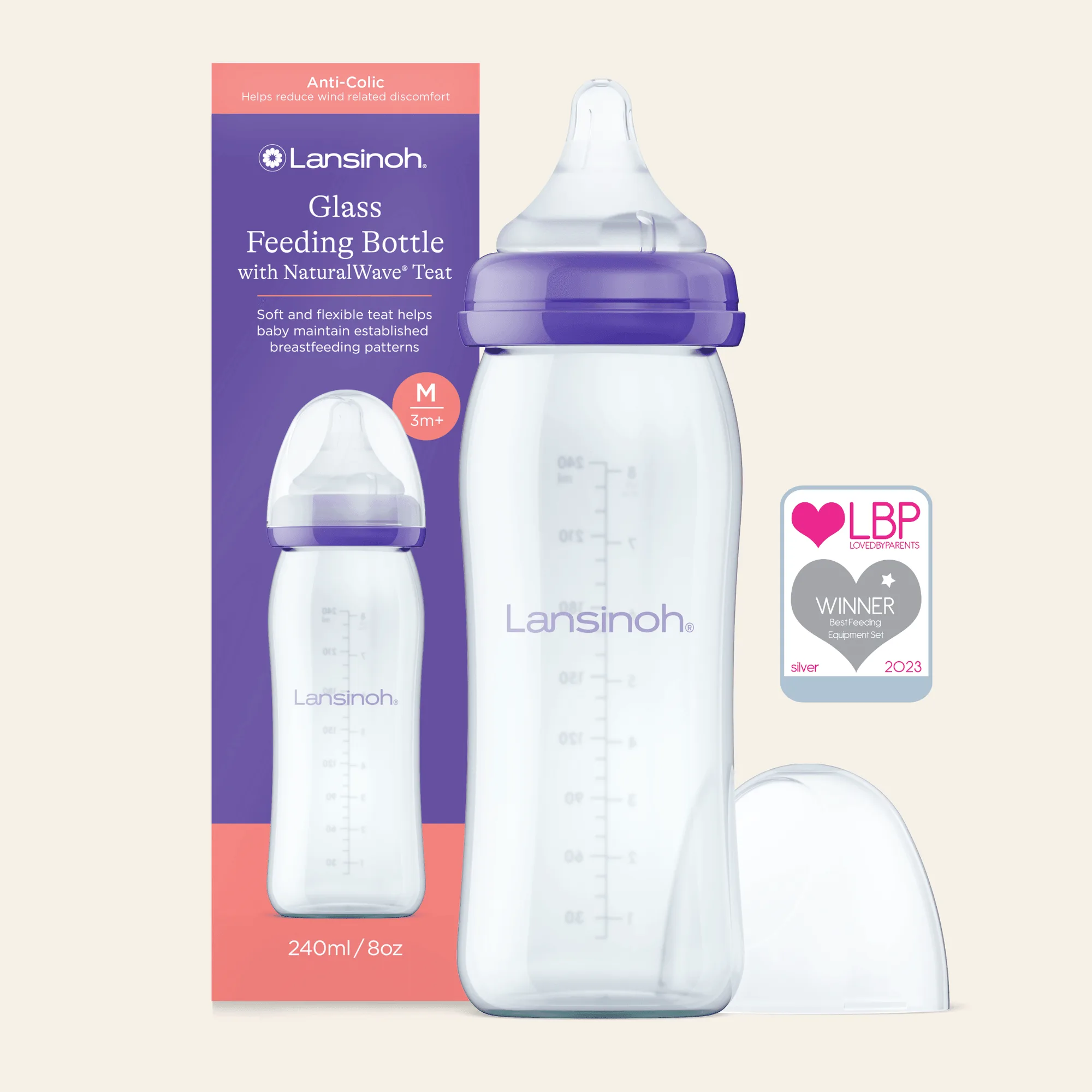
Glass Feeding Bottles 240ml with NaturalWave® Teat
-
Glass Feeding Bottles 240ml with NaturalWave® Teat: Made from premium heat and thermal shock-resistant glass, our baby bottle is scratch resistant, durable, and sustainable. The glass construction is resistant to thermal shock, making it safe for heating and cooling, and its scratch resistance ensures it stays clean over time.
-
Glass Feeding Bottles 240ml with NaturalWave® Teat: Available in two sizes: 160ml and 240ml – our glass baby bottle is compatible with all Lansinoh breast pumps. This compatibility allows you to pump directly into the bottle, reducing milk transfer and potential contamination.
Feeding and Nipple Confusion
One key advantage of the Lansinoh Glass Feeding Bottle is its NaturalWave teat, which is clinically proven to reduce nipple confusion. This is particularly important for breastfeeding mothers who want to occasionally bottle feed without interfering with the baby's latch.
Plastic bottles may not always offer teats designed with the same breastfeeding-friendly shape. If you are combining breastfeeding and bottle feeding, a bottle with a teat that mimics the breast can be a significant factor in your decision.
Cleaning and Maintenance
Both glass and plastic bottles require thorough cleaning. The Lansinoh glass bottle is easy to clean with hot soapy water, and it is recommended to wash it immediately after feeds. For dried milk, a bottle brush can help.
Glass bottles can be sterilized without worry about warping or chemical release. Plastic bottles may need to be replaced if they show signs of wear, such as scratches or cloudiness, which can trap bacteria. Glass bottles, being scratch resistant, maintain their integrity longer.
Which Should You Choose?
Choose glass if you prioritize material safety, durability, and a breastfeeding-friendly teat. The Lansinoh Glass Feeding Bottle is a solid choice for home use, especially if you are concerned about plastic chemicals and want a bottle that lasts.
Choose plastic if you need a lightweight, unbreakable bottle for travel or if your baby is prone to dropping bottles. Both options have their place, and your feeding routine will guide the best choice.