Quick answer
Glass food storage generally lasts longer than plastic because it resists stains and odors, so it keeps looking and smelling clean through years of reheating and washing. Plastic stays lighter and cheaper, but it can discolor and hold onto strong smells over time. If longevity is your priority, choose glass; if you need low-cost, lightweight containers for dry or short-term storage, plastic still earns its place.
What actually determines how long each type lasts
Durability in food storage is not just about cracking. It is about how the material handles heat, oils, tomato sauce, and repeated washing. Pyrex glass is non-porous, so it does not absorb food colors or smells the way plastic can. That means a glass container used for chili on Monday can hold fruit on Friday without carrying a lingering scent.
Plastic containers are lighter and often more affordable, but their surfaces can scratch over time. Scratches create tiny places for food residue and odors to settle in, which is why older plastic containers sometimes look cloudy or smell like last week's leftovers even after washing. Neither type is indestructible, but glass tends to age more gracefully in everyday kitchen use.
Cost per year, not just cost per container
Plastic sets usually cost less upfront, which makes them easy to buy in multiples. The trade-off is that plastic may need replacing sooner if it stains, warps, or picks up odors. Glass costs more initially, but a well-cared-for glass set can stay in rotation for years. If you are comparing a Pyrex glass set against a Snapware plastic set, think about how often you would realistically replace the plastic before deciding which is the better long-term value for your kitchen.
Lids, seals, and the parts that fail first
On both glass and plastic containers, the lid is often the first component to wear out. Lids can lose their seal, crack, or go missing. When that happens, the container itself may still be perfectly usable. Snapware plastic containers are compatible with specific Snapware lids, so you can replace just the lid if you know the matching style. Pyrex glass sets with secure-fitting lids keep food fresh, but if a lid fails, you may need to find a replacement lid that fits that particular container shape.
Weight, stacking, and everyday handling
Glass is heavier, which matters if you carry lunch in a backpack or stack containers on a high shelf. Plastic is lighter and often easier to nest, but it can flex when filled with hot food. Pyrex glass containers hold their shape and can go from fridge to oven or microwave, though you should always check the specific product for its temperature limits. Plastic containers are better kept to fridge, freezer, and microwave reheating unless the manufacturer states otherwise.
Trade-offs at a glance
- Pyrex glass: stain and odor resistance: Glass does not absorb food colors or smells, so it stays clear and clean-looking through repeated use with sauces, soups, and leftovers. Choose glass if you want containers that still look and smell fresh after years of meals.
- Pyrex glass: weight and cost: Glass is heavier to carry and typically costs more upfront than plastic. Glass lids add convenience but also weight and require careful handling. Skip glass if you need ultralight containers for commuting or a very low initial spend.
- Snapware plastic: price and lightness: Plastic containers cost less and weigh less, making them easy to buy in multiples and carry daily. However, plastic can scratch, discolor, and hold onto strong odors over time. Choose plastic for dry goods, short-term storage, or tight budgets, and plan to replace it sooner.
- Lid replacement and compatibility: Snapware plastic containers are compatible with specific Snapware lids, so you can replace a worn lid if you match the style. Pyrex glass sets with secure-fitting lids keep food fresh, but replacement lids must match the container shape. Check lid compatibility before buying a set if you want to extend its life with replacement parts.
Product facts
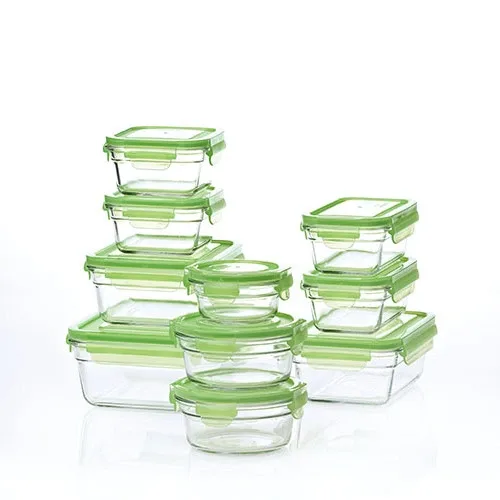
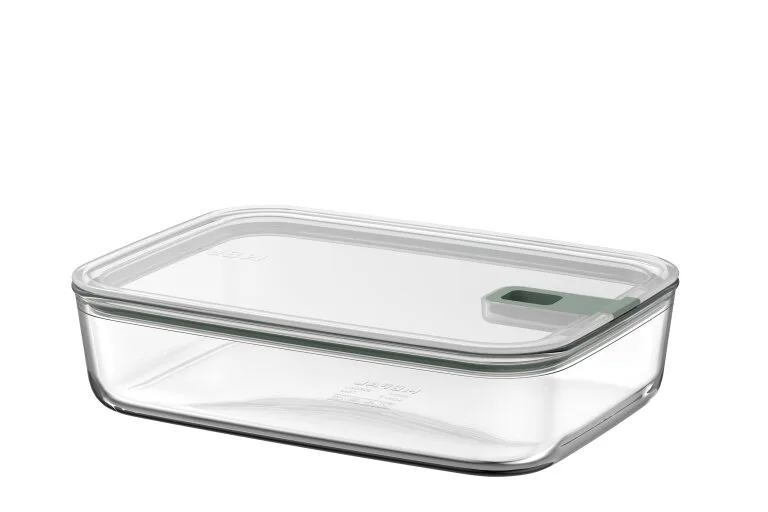
- Pyrex® Simply Store® 10-piece Meal Prep Rectangular Glass Storage Set: Pyrex® Simply Store® 10-piece Meal Prep Rectangular Glass Storage Set includes rectangular glass containers in various sizes, with durable glass construction that resists stains and odors and secure-fitting lids. The stain and odor resistance is the main reason glass tends to outlast plastic in daily use, especially for saucy or strongly flavored foods.
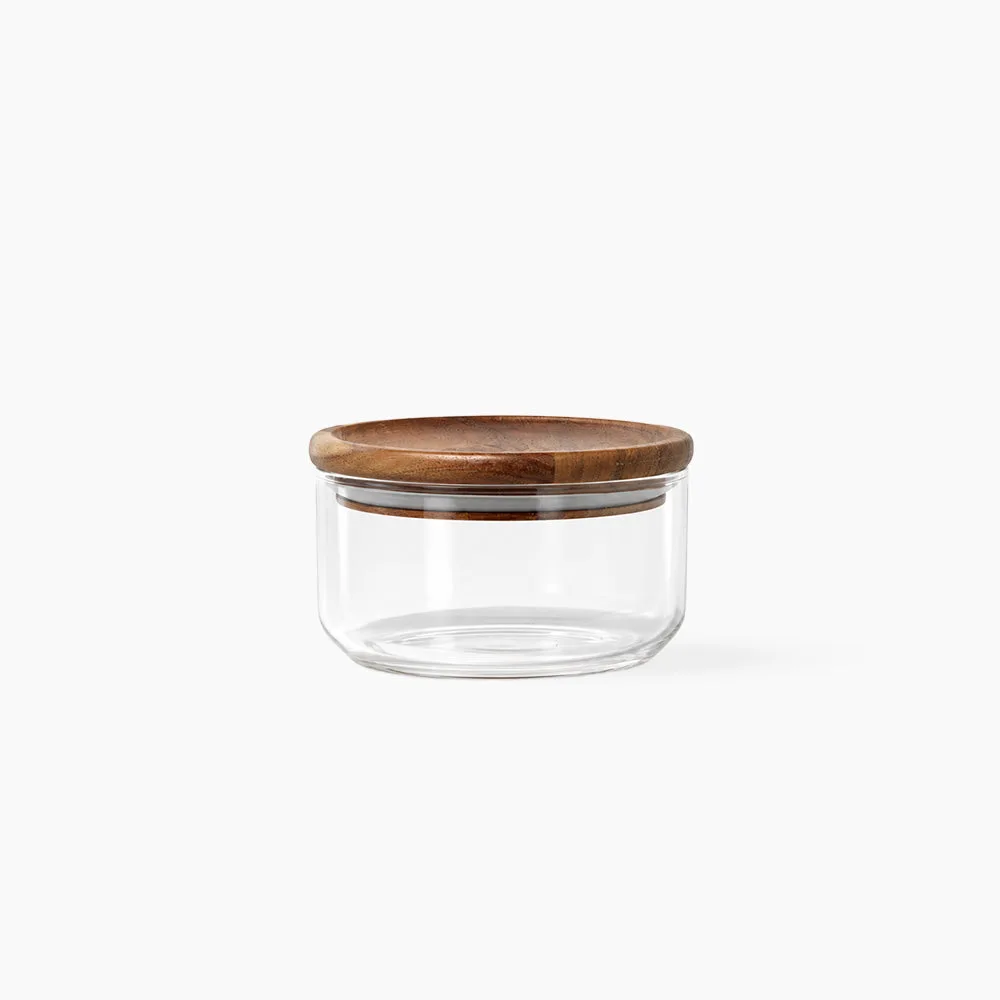
- Pyrex® Ultimate 10-Piece Glass Storage Set with Glass Lids: Pyrex® Ultimate 10-Piece Glass Storage Set with Glass Lids has transparent glass lids so you can see contents from any angle, which is convenient in drawers, bottom freezers, and reach-ins. Glass lids avoid the plastic-lid wear that often ends a container's useful life, though they add weight and require careful handling.
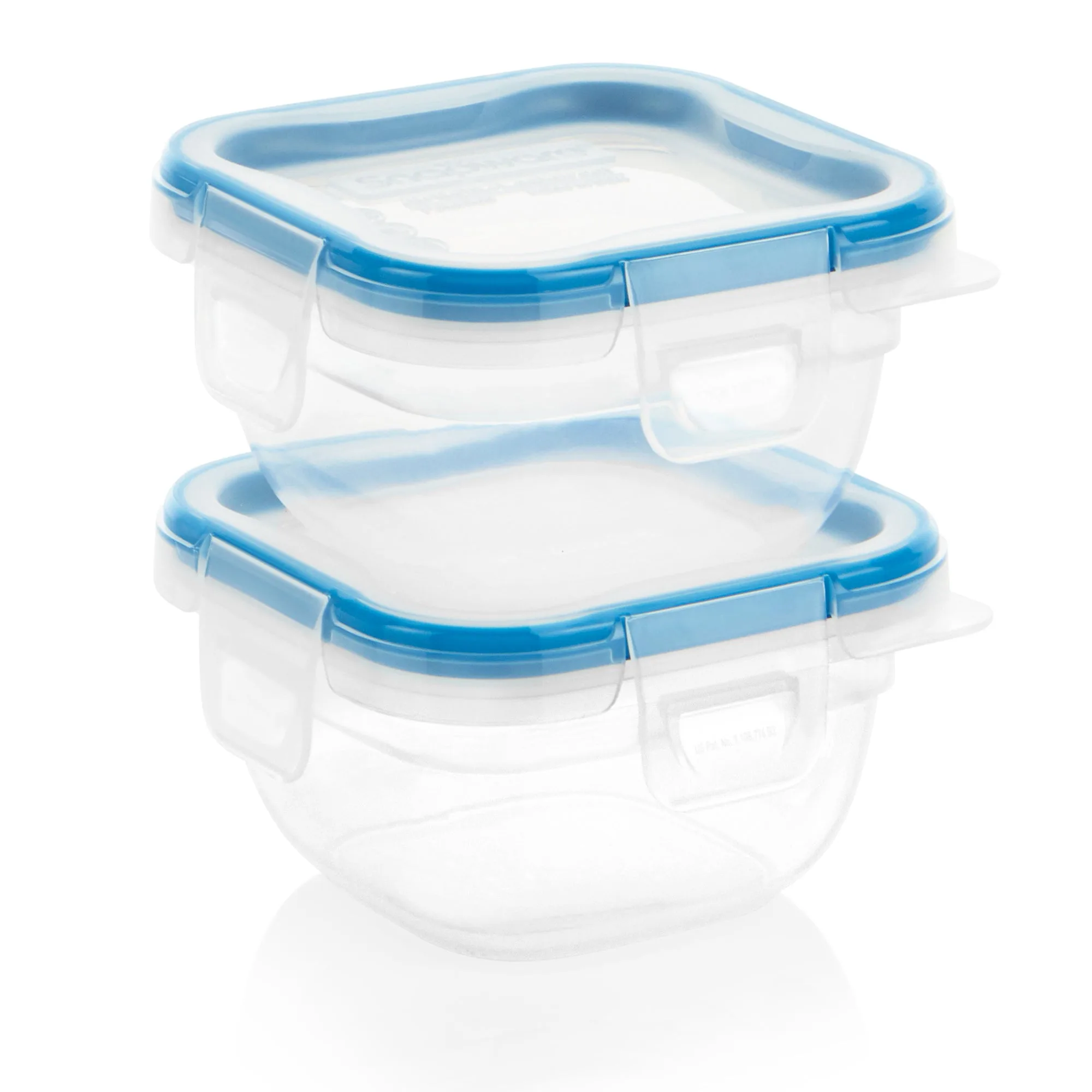
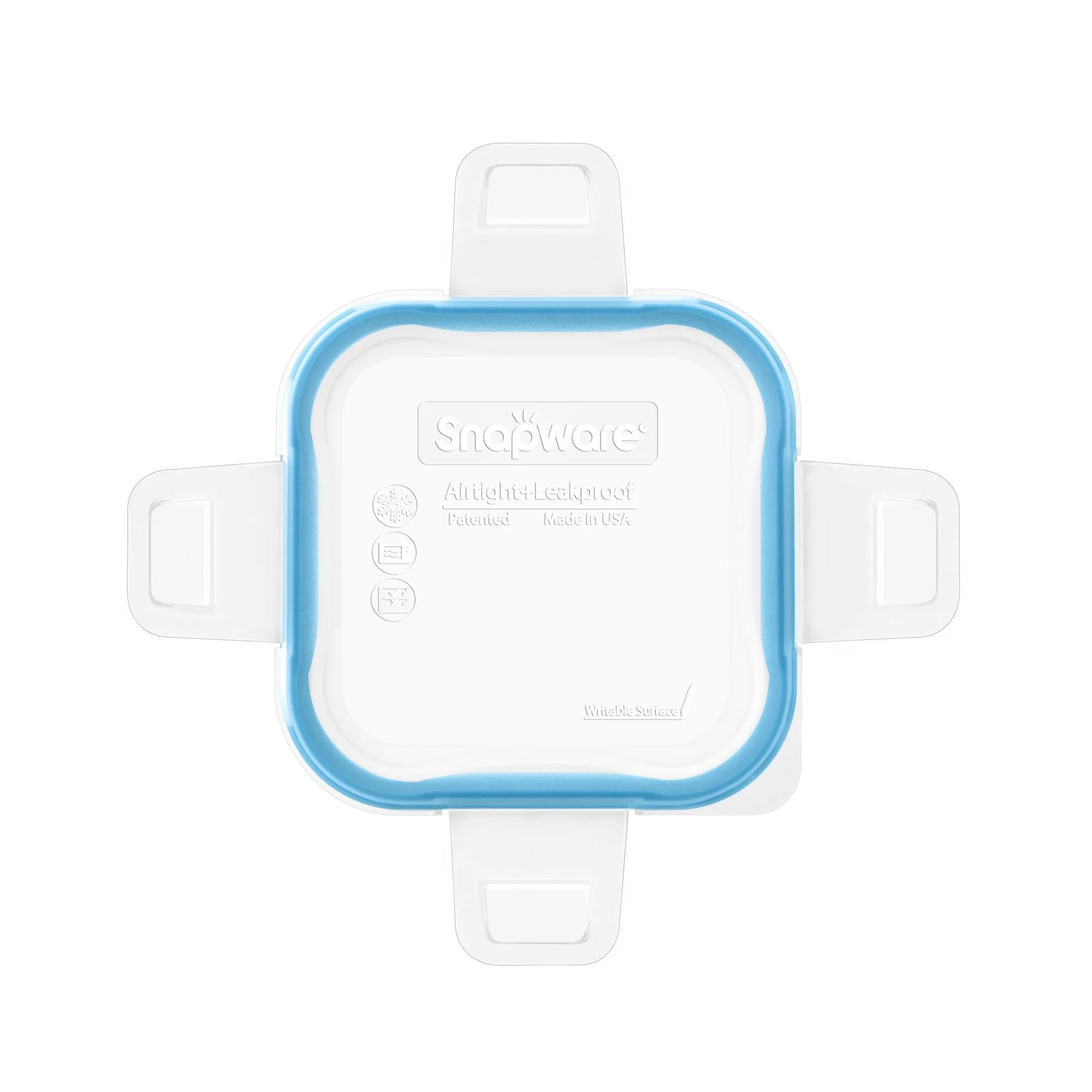
- Snapware® Total Solution® Square Plastic Food Storage, 2-pack: Snapware® Total Solution® Square Plastic Food Storage, 2-pack includes two compact containers compatible with Snapware® Total Solution® Small Square Plastic Lid with Light Blue Seal. A low-cost plastic option for lightweight storage, but the plastic surface can scratch and hold odors over time, so it may not last as long as glass.
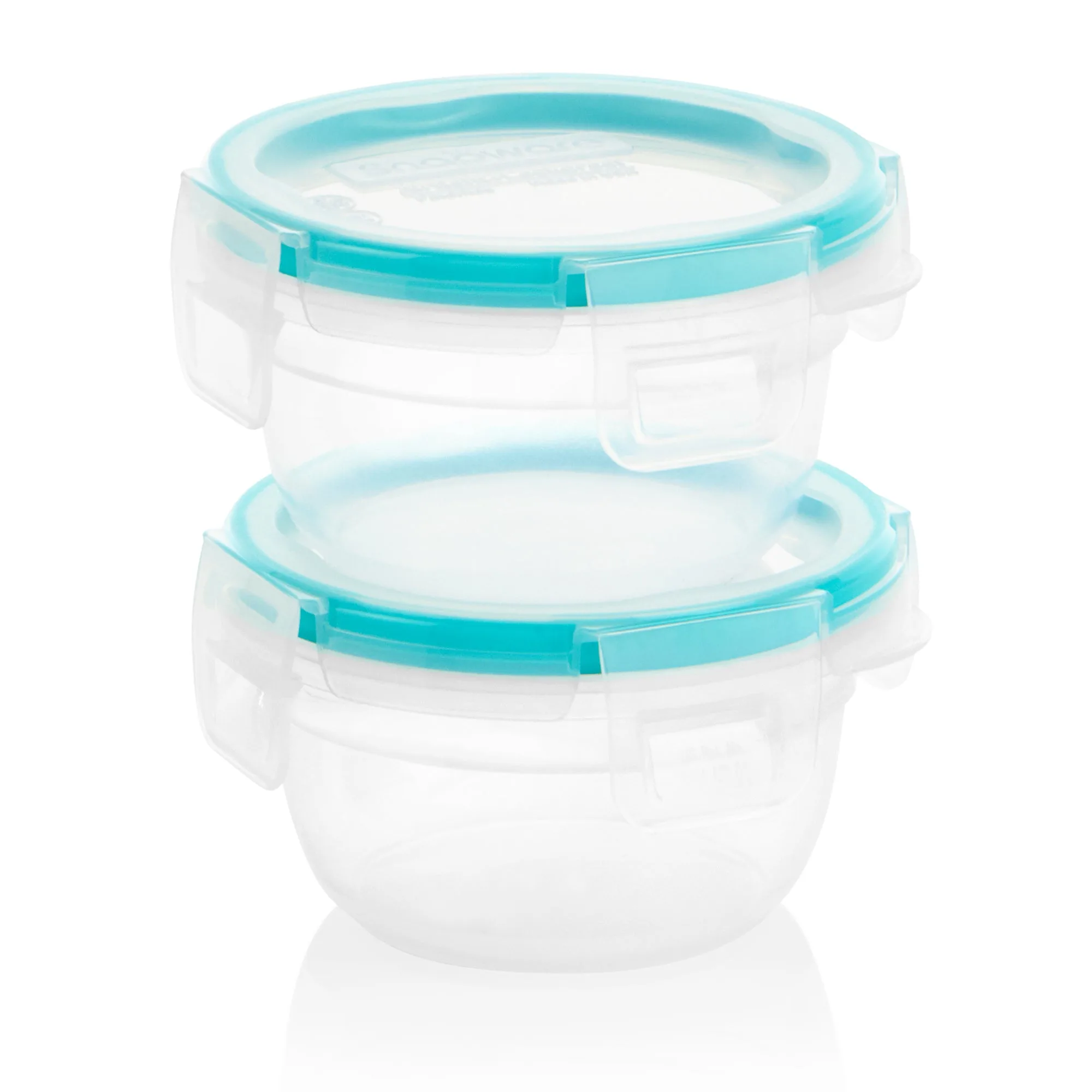
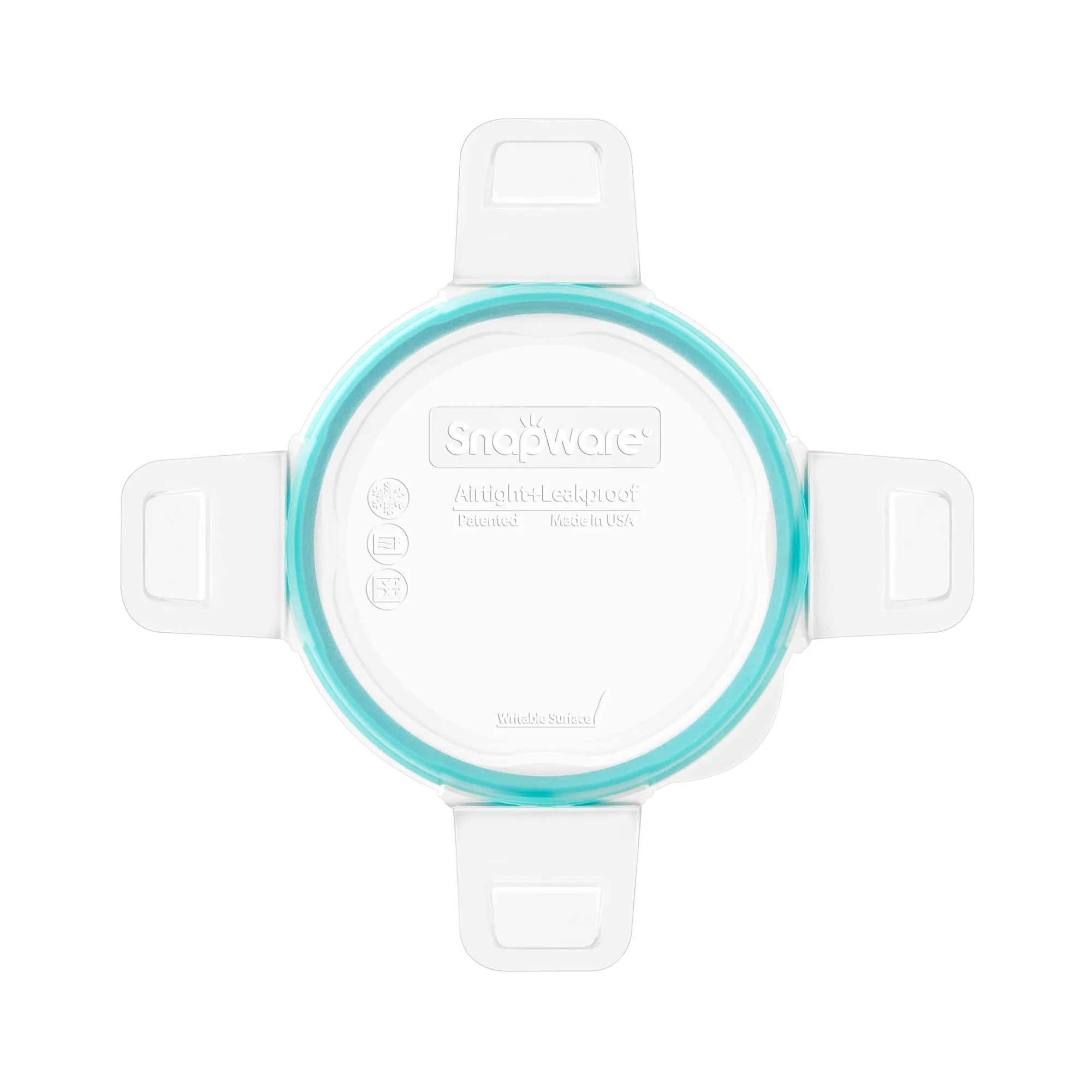
- Snapware® Total Solution® 2-pack Plastic Food Storage Container Set with Aqua Lids: Snapware® Total Solution® 2-pack Plastic Food Storage Container Set with Aqua Lids includes two compact containers compatible with Snapware® Total Solution® Small Round Plastic Lid with Teal Seal. Useful for small portions and dry goods where weight and price matter more than long-term stain resistance.
Which should you choose?
Best for
- Anyone who reheats saucy, oily, or strongly flavored foods and wants containers that resist stains and odors
- Home cooks who want a long-lasting set that can go from fridge to oven or microwave without absorbing smells
- Buyers willing to pay more upfront for glass that may need replacing less often
Not for
- People who need ultralight containers for carrying lunch in a bag or backpack
- Shoppers on a very tight budget who prioritize the lowest initial cost
- Anyone who frequently drops containers or needs flexible, shatter-resistant storage for kids