Quick answer
If you play Gloomhaven regularly, a map tile archive is worth buying because it cuts setup time and protects the tiles that drive every scenario. Choose a solution that matches your table space and player count, not the largest box available. For most groups, a labeled, stackable archive that keeps tiles flat and sorted by terrain type is the practical pick.
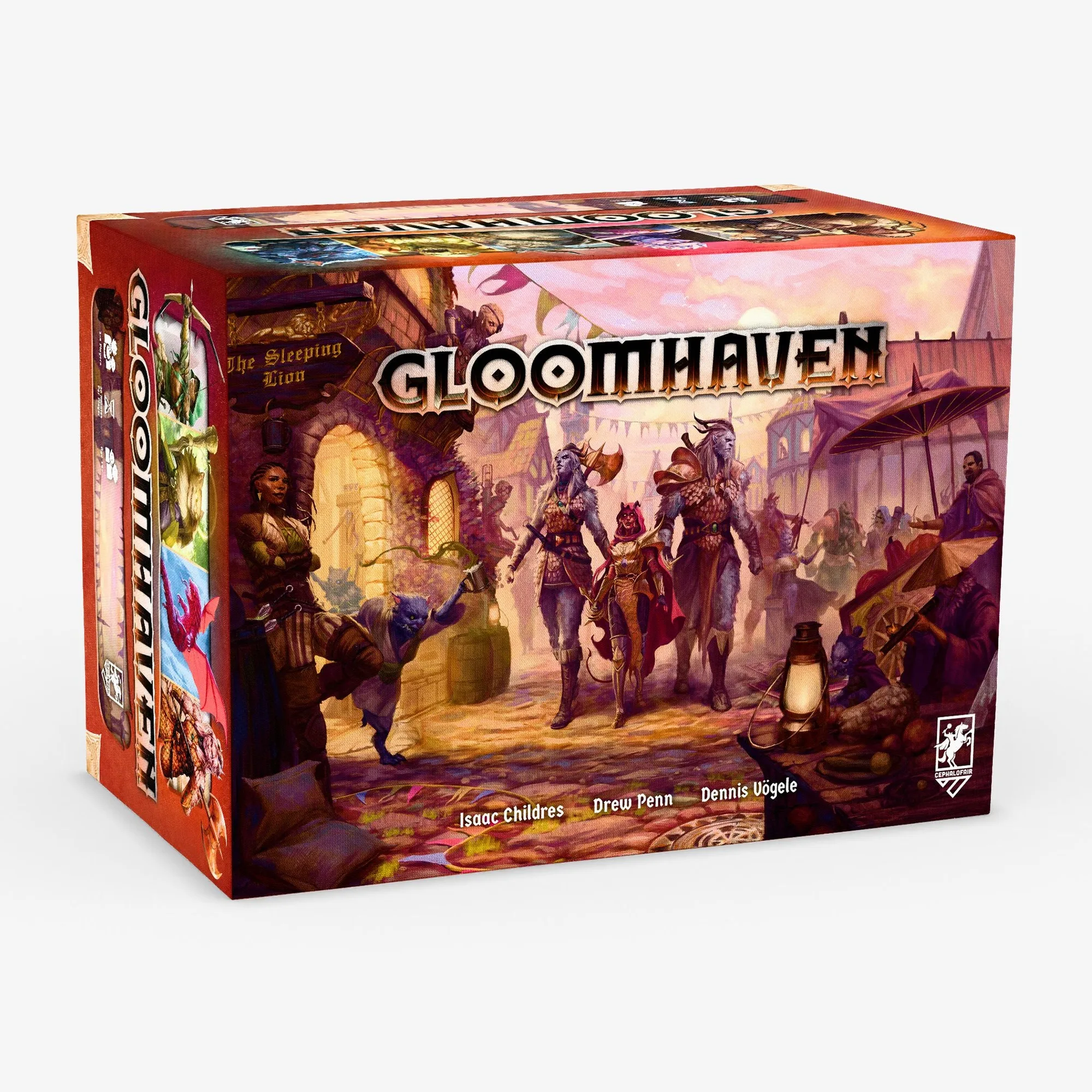
Gloomhaven
Gloomhaven asks a lot of your table before the first monster moves. The map tile archive is the part of your setup that decides whether you spend ten minutes building a scenario or thirty minutes digging through a pile of cardboard. This guide explains what the archive actually does, how to organize Gloomhaven map tiles without overbuying, and which storage solution fits your group.
You do not need a perfect system on day one. You need a system that survives a full campaign, keeps tiles flat, and lets one person hand out the right pieces without reading the scenario book aloud. The sections below give you concrete decision rules, honest trade-offs, and fit guidance so you can buy once and get back to playing.
What a map tile archive actually solves
A map tile archive is a storage and sorting system for the cardboard map tiles used in Gloomhaven scenarios. Its job is simple: keep every tile flat, visible, and grouped so you can pull the exact pieces a scenario calls for. The archive does not change gameplay, but it removes the most common source of friction at the table, which is searching for a specific tile while everyone waits.
The trade-off is space. A full archive takes up shelf room and usually costs more than a simple bag or insert. If you play once a month, a cheaper sorting method may be enough. If you play weekly or run a full campaign, the archive pays for itself in saved setup time and fewer bent corners.
- Sort by terrain type first, then by tile size, so scenario setup becomes a lookup instead of a search.
- Keep tiles flat rather than stacked vertically; warped tiles are harder to align on the map.
How to organize Gloomhaven map tiles without overbuying
Start with the tiles you actually use. Base-game campaigns lean on a predictable set of terrain types, so grouping by terrain and labeling the groups is more useful than alphabetizing every piece. If you add expansions later, leave one empty slot per terrain group so you can absorb new tiles without rebuilding the whole system.
Match the archive to your player count and table size. A four-player group needs faster access because more people are handling components. A solo player can use a smaller, denser archive and keep it within arm's reach. The goal is one motion to find a tile, not a full reorganization every session.
- Label groups with removable tape first; commit to permanent labels only after two or three sessions.
- Keep the scenario book and the archive on the same side of the table so one person can run setup.
Storage solutions that fit different Gloomhaven habits
There is no single best Gloomhaven storage solution because tables, shelves, and groups differ. A stackable archive suits players who host and want fast setup. A bag-and-band system suits players who travel and need to move the game without a dedicated shelf. A hybrid approach, where map tiles live in an archive and smaller components stay in the original box, works for most households.
Before buying, measure your shelf and your play area. If the archive is wider than your table, you will move it mid-scenario, which defeats the purpose. If it is taller than your shelf, it becomes floor storage. Write down both measurements and compare them to the product dimensions before you commit.
- Measure shelf height, shelf depth, and table width before choosing an archive size.
- Prefer a system you can expand one terrain group at a time rather than replacing entirely.
Where Mercenary Packs and solo content fit your archive
Your archive is not only for map tiles. Mercenary Packs add new characters with their own cards and tokens, and those components need a home that does not collide with map tile storage. Keeping character components in labeled bags inside the same shelf system prevents the archive from becoming a pile again when you switch classes.
Solo play changes the math slightly. If you play alone, you handle every component yourself, so fast access matters more than shared labeling. A compact archive plus a dedicated spot for solo scenario cards keeps the whole system usable without spreading across the room.
- Give each Mercenary Pack its own labeled bag and store it beside, not inside, the map tile archive.
- Keep solo scenario cards with the class they belong to so you never hunt for them mid-session.
Decision rules for choosing your archive
- If you play weekly or run a full campaign: Prioritize a labeled, stackable archive that keeps tiles flat and sorted by terrain type, even if it costs more and takes shelf space. Setup speed is the return on investment; buy for access, not for maximum capacity.
- If you play monthly or casually: Choose a smaller sorting system or a bag-and-band approach, and keep the original box for long-term storage. A cheaper solution is fine as long as tiles stay flat and grouped.
- If you add Mercenary Packs or solo content: Reserve separate labeled storage for character components and scenario cards so they never mix into your map tile archive. One system per component type keeps every session predictable.
- If space is tight: Measure shelf height, shelf depth, and table width before buying, and prefer an archive you can expand one terrain group at a time. An archive that does not fit your space will slow you down instead of speeding you up.
Products that support a Gloomhaven map tile archive
- Gloomhaven: Gloomhaven is an award-winning, sprawling cooperative board game that includes everything 1 to 4 players need for a GM-less playing experience, with over 90 sessions built into the base game. The base game is the source of most map tiles you will store, so its campaign length and player count should drive how large and how accessible your archive needs to be.
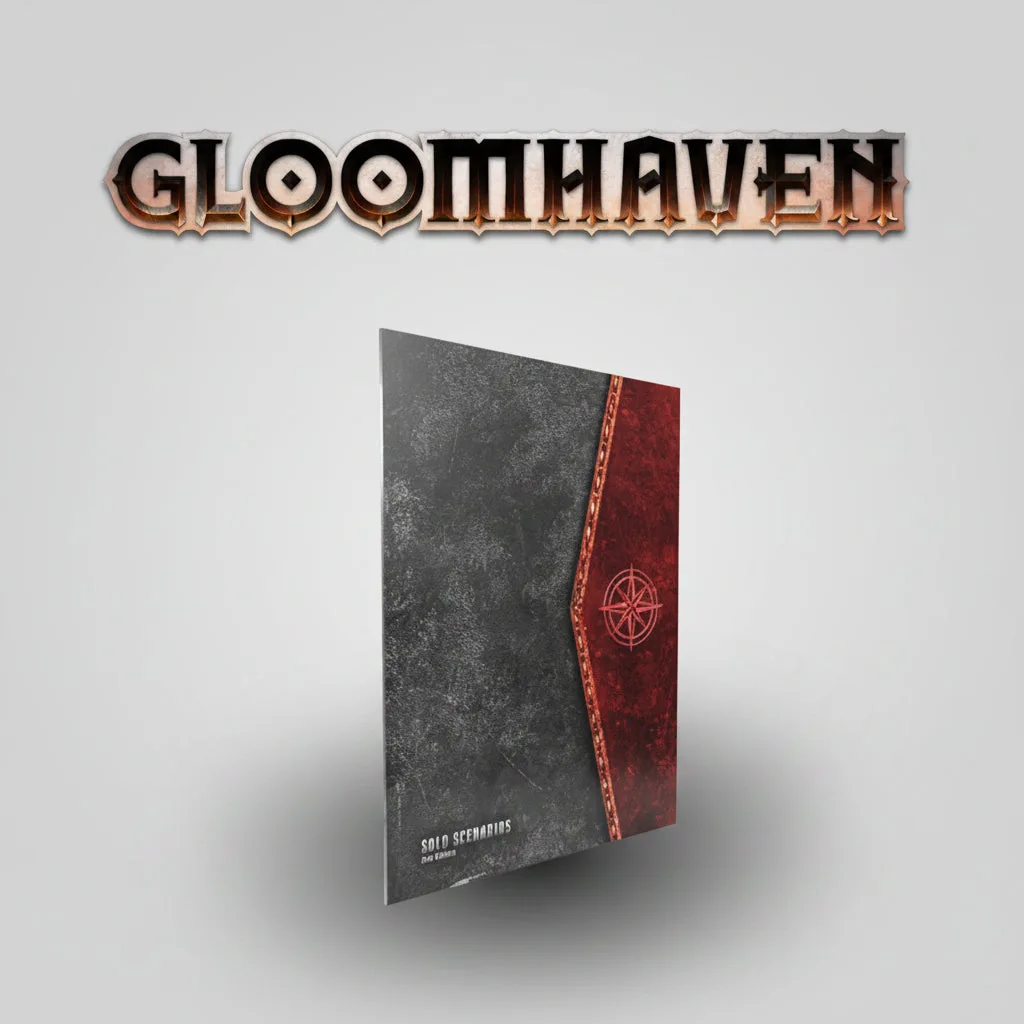
- Gloomhaven 2nd Edition: Solo Scenarios: This set includes a 24-page scenario book of 18 all-new solo scenarios and a deck of 18 item cards, one item per class rewarded for completing their mission. Solo scenarios add cards and a book that need a dedicated spot near your map tile archive, so solo players should plan storage for both tiles and scenario components.
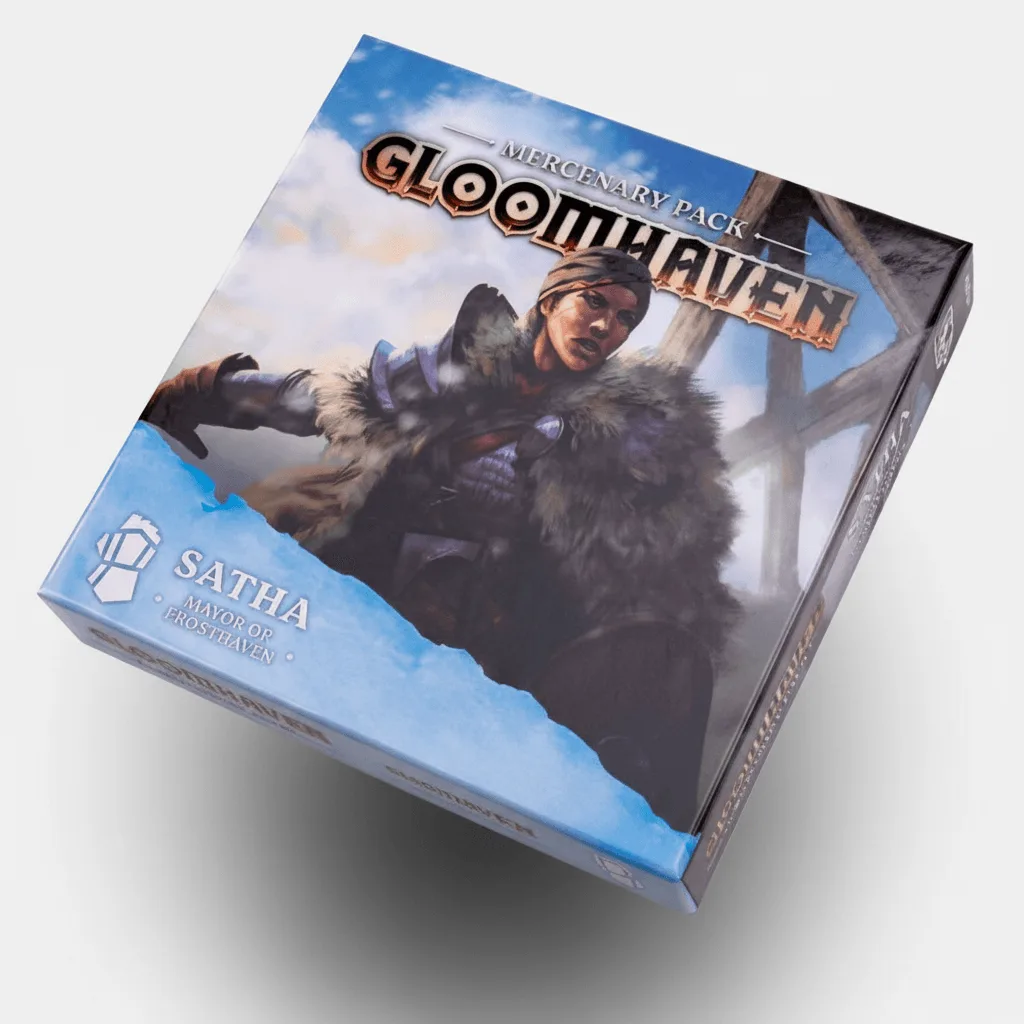
- Satha: Mayor of Frosthaven - Mercenary Pack: Leader of the infamous outpost to the North, Satha will command your allies to action, instill confidence in your party, and stand between your friends and their demise. Mercenary Packs add character components that should live in labeled bags beside your archive, keeping class switching fast without mixing tokens into map tile storage.
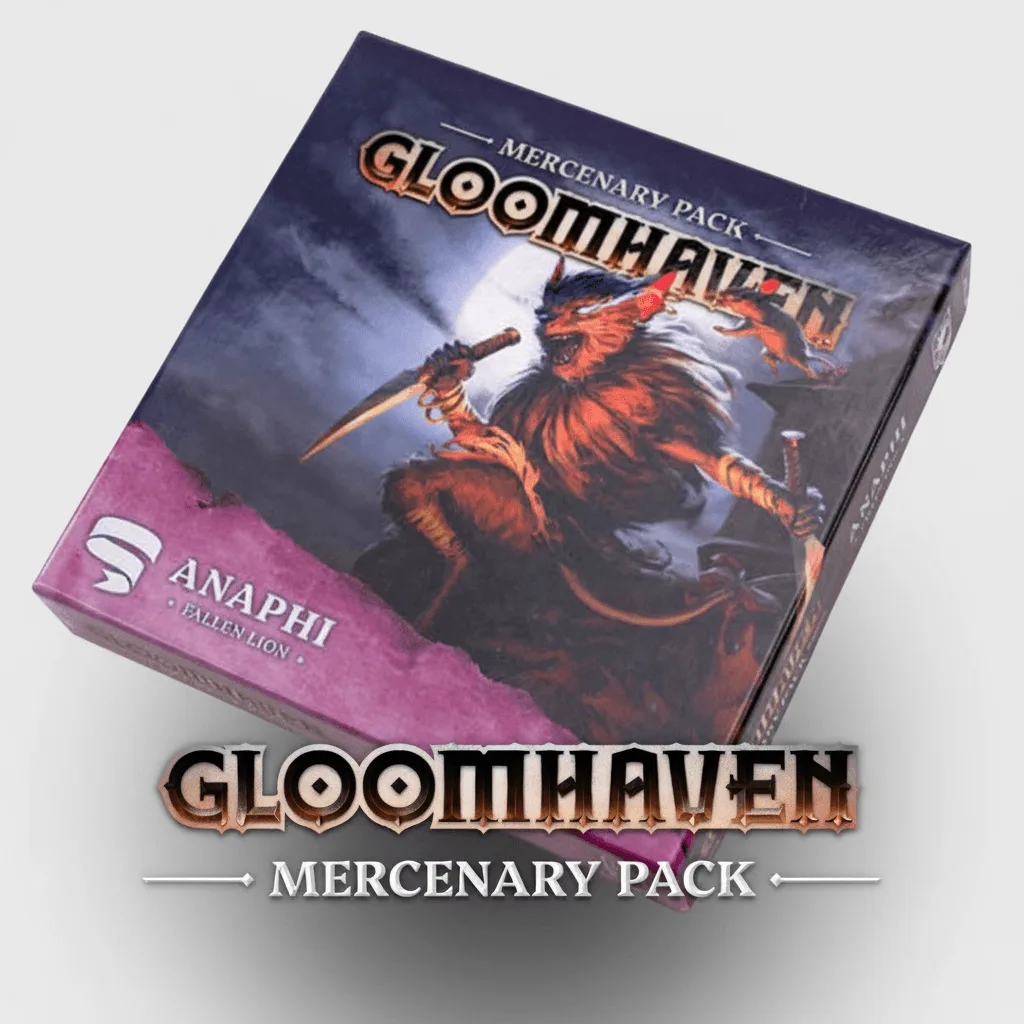
- Anaphi: Fallen Lion - Mercenary Pack: Once a mercenary from the infamous Jaws of the Lion crew, Anaphi the vermling is now carving her own path through the city sewers, wielding augments and summoning Gloomhaven's most unsavory pests. As with other Mercenary Packs, Anaphi's components need a consistent home so your archive stays a map tile system rather than a catch-all box.
Who should buy a map tile archive
Best for
- Groups that play Gloomhaven weekly and want faster scenario setup
- Campaign players who own multiple Mercenary Packs and need separate component storage
- Solo players who handle every component and want tiles within arm's reach
Not for
- Players who rarely open the box and are happy with the original insert
- Collectors who keep the game sealed and never build scenarios
- Tables with no shelf or floor space for a dedicated storage system
A map tile archive is a setup tool, not a luxury. Match it to how often you play, how many players you host, and how much space you actually have, and it will earn its place on your shelf. If you are still building your collection, start with the base game and add storage once your tile pile outgrows the box.