Quick answer
Buy gloves that fit snugly at the fingertips with no fabric bunching at the palm, and buy hats that sit just above the eyebrow with about one finger of space above the crown. Choose smooth, tightly woven shells for wind and wet commutes, and brushed or knit linings when warmth matters more than dexterity. Match hat and glove colors to your outer layer, not to each other, so the set reads intentional without looking like a uniform.
Glove fit: the three-second test
Slide the glove on and curl your fingers into a loose fist. If the fabric pinches between your fingers or pulls tight across the knuckles, size up. If the fingertips have more than a quarter inch of empty space, size down, because extra length makes you grip harder and wears through the tips first.
Check the wrist closure next. A strap or elastic cuff should sit flat against the wrist bone without leaving a red mark after a minute of wear. Loose cuffs let cold air pump in every time you move your arm, which defeats even a warm lining.
Hat sizing without a tailor
Wrap a soft tape measure around your head about half an inch above the ears and across the mid-forehead, keeping the tape level. That number is your hat size in inches, and most brands publish a matching size chart. If you are between sizes, choose the larger one for knit hats and the smaller one for structured hats, because knit stretches and structured fabric does not.
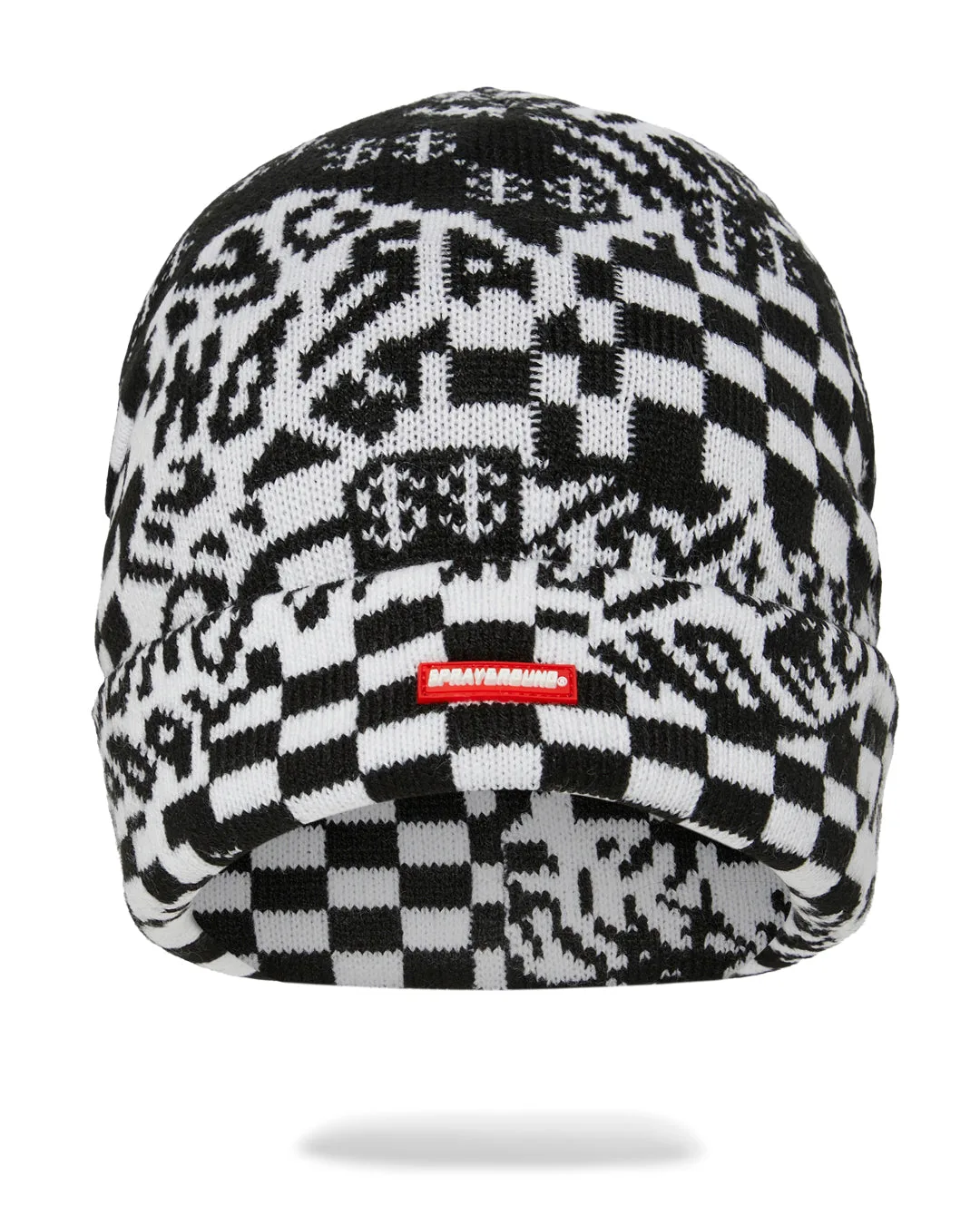
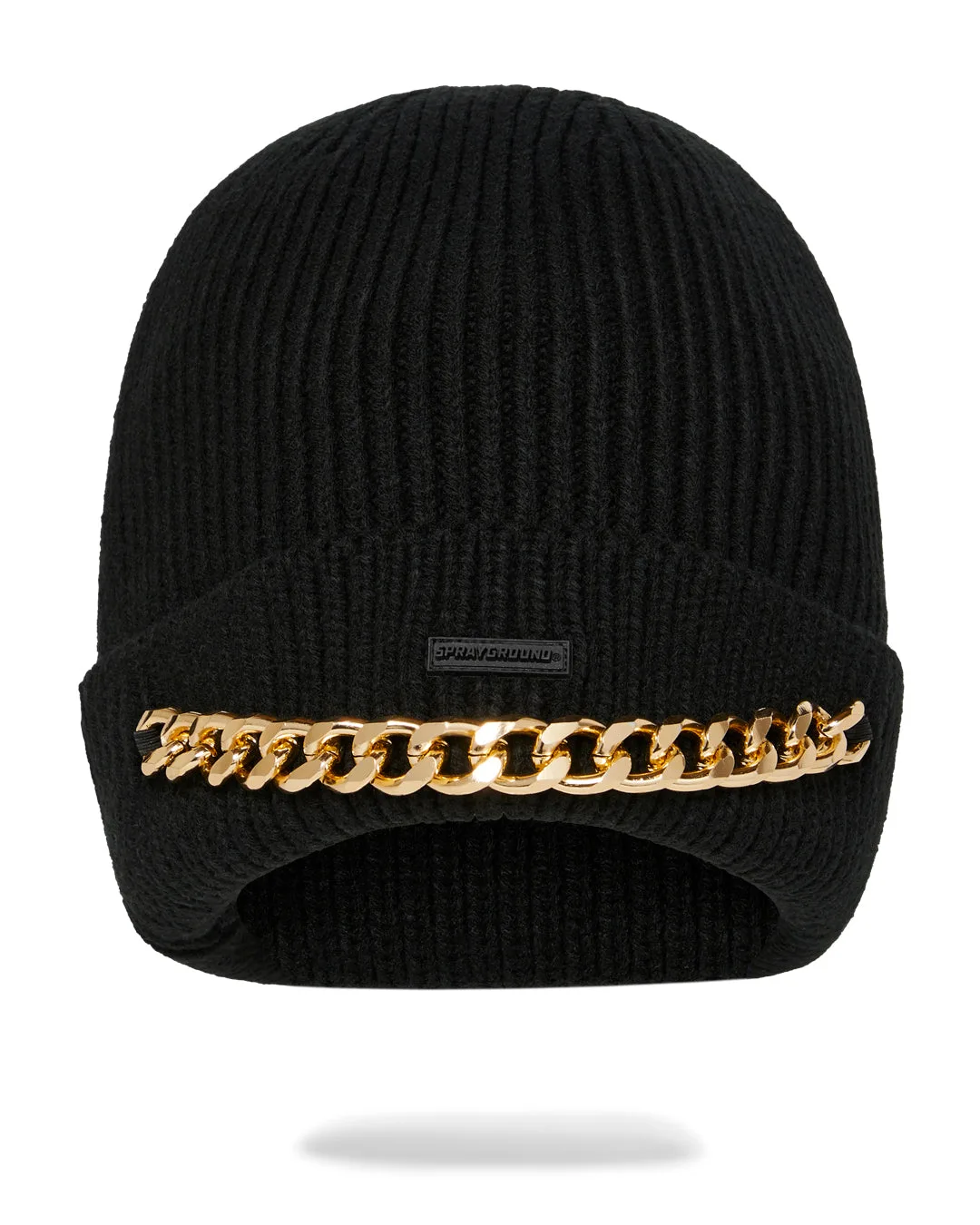
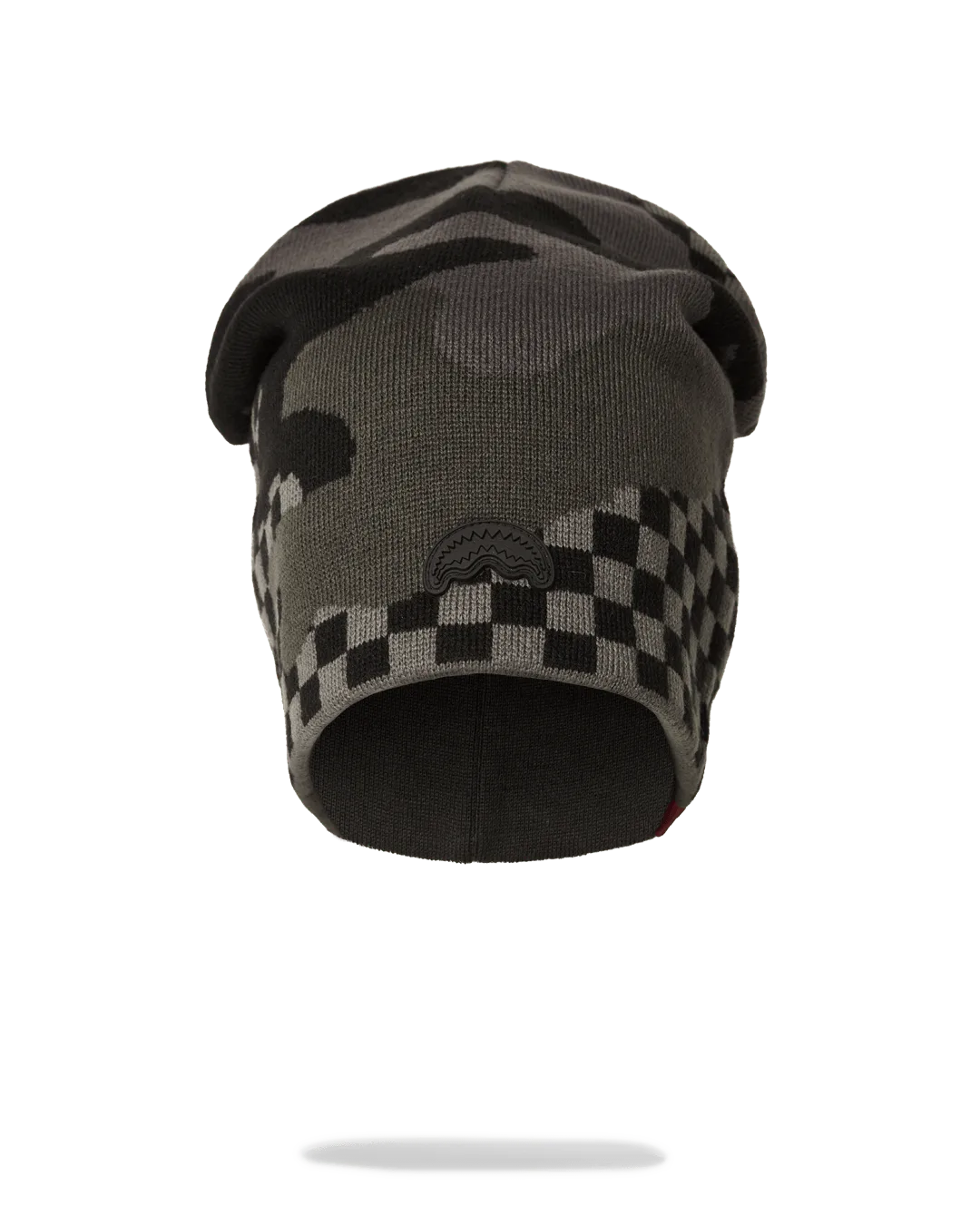
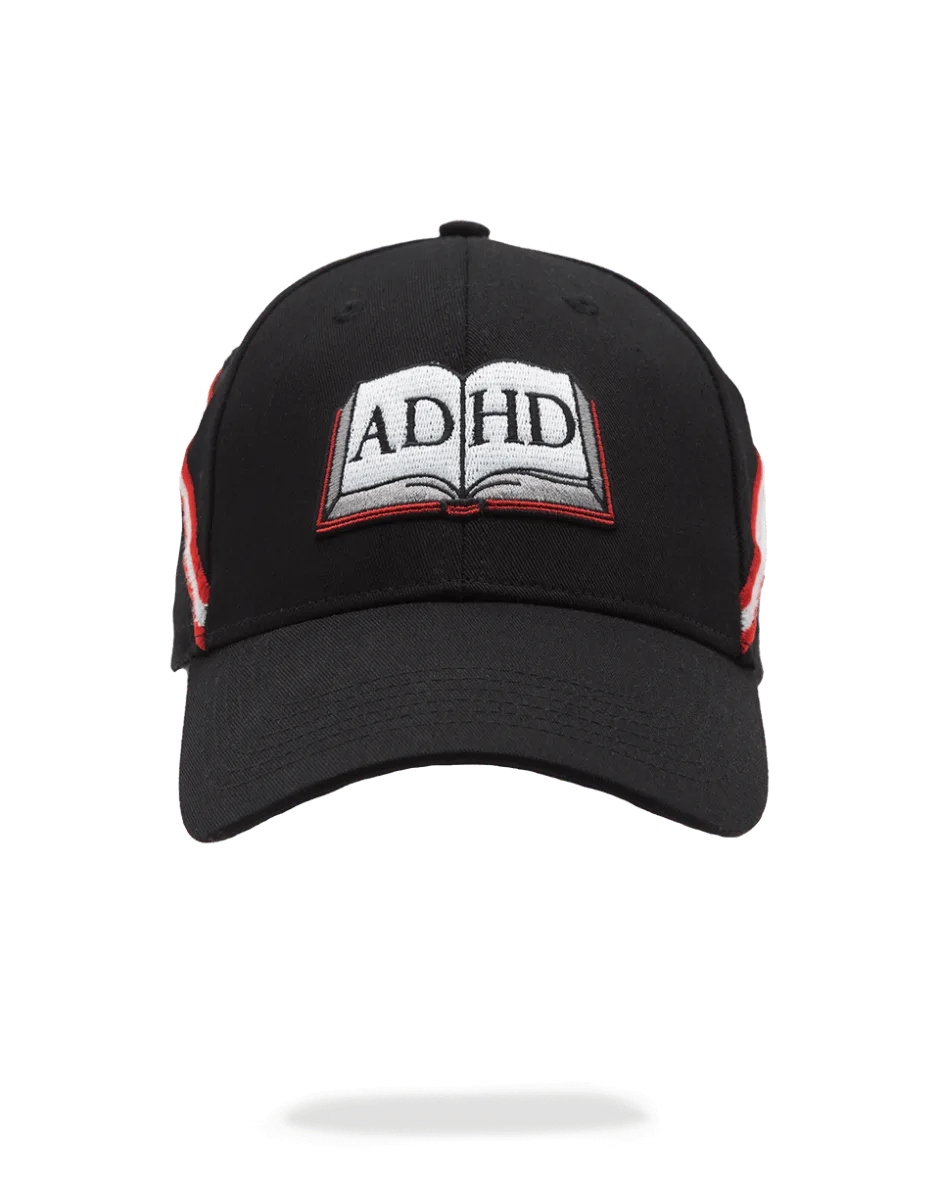
For a beanie or cuff hat, the band should touch your head without compressing it. For a structured cap or brimmed hat, you should be able to slide one finger under the band at the front. If the hat slides down when you look up, it is too big; if it leaves a dent in your forehead after ten minutes, it is too small.
Fabric choices that match the weather
For dry cold, wool and wool blends trap warmth and stay breathable, which matters if you move between outdoors and heated rooms. For wet cold, a tightly woven synthetic shell with a water-repellent finish sheds rain better than untreated knit, but it feels cooler against the skin unless it has a lining.
For high-dexterity tasks like typing on a phone or handling keys, choose a thinner glove with a grippy palm rather than a thick insulated pair. For standing around in freezing wind, prioritize a wind-blocking outer layer over thickness, because trapped air only helps when the wind cannot strip it away.
Matching hat and gloves without overthinking it
Pick one anchor color from your coat, then repeat it in either the hat or the gloves, not both. A black coat with a black hat and charcoal gloves looks deliberate; a black coat with a black hat and black gloves can look like a uniform. If your coat is patterned, keep both accessories solid.
Texture is the easier match than color. A ribbed knit hat pairs well with smooth leather or synthetic gloves, while a smooth felt hat pairs with a knit or brushed glove. When in doubt, match the finish of your shoes or bag instead of trying to match the hat to the gloves.
What to skip
Skip one-size-fits-all gloves unless the product page lists an actual hand circumference range, because one size rarely fits both a narrow hand and a wide palm. Skip hats with a fixed inner band if you are between sizes and cannot try them on, since you cannot adjust the fit later.
Skip heavily insulated gloves for driving or commuting if you need to feel the steering wheel or phone screen. A thinner, grippier glove with a wind-resistant shell will serve you better than a bulky pair you keep taking off.
Decision rules for gloves and hats
- If your fingertips go numb first: Choose a glove with a wind-blocking shell and a brushed lining rather than a thicker knit, because wind strips trapped heat faster than thickness replaces it. Prioritize wind resistance over bulk.
- If your hands sweat indoors: Choose a breathable wool or wool-blend glove and a hat with a moisture-wicking band, then remove them before you overheat rather than wearing them inside. Breathability beats insulation for stop-and-go commutes.
- If you are between hat sizes: Size up for knit hats and size down for structured hats, since knit stretches to fit and structured fabric does not. Match the size decision to the fabric, not the label.
- If you need to use a phone: Choose a thin glove with a grippy palm and conductive fingertips, or keep one hand bare and the other gloved rather than fighting a thick pair. Dexterity and warmth trade off directly.
Carry options that pair with cold-weather accessories
- CHATEAU GHOST HILLS BACKPACK: Exterior dimensions 20.5" x 5" x 11.5" with a draw-string closure and front pocket with adjustable magnetic snap buckle. A taller main compartment gives you room to stash gloves and a hat without crushing them, and the magnetic front pocket keeps small items like a glove clip or keys reachable without opening the whole bag.
- CLEAR DLX BACKPACK - ASTROMANE SKY WRITER: Semi-clear backpack with a separate velour sunglass compartment and side pockets. The side pockets hold a spare pair of gloves or a folded beanie, and the dedicated sunglass compartment keeps eyewear separate from knit fabric that can scratch lenses.
- CAMO MONEY SHARK SLING: Cross-body shoulder bag sized for a phone, wallet, sunglasses, keys, and other small items. When you only need gloves and a hat, a sling keeps your hands free and avoids the bulk of a full backpack, which is the better call for short errands in cold weather.
Who this guide fits
Best for
- Shoppers buying their first proper cold-weather glove and hat set
- Commuters who need dexterity for phones, keys, and transit cards
- Anyone matching accessories to an existing coat rather than starting from scratch
Not for
- Shoppers looking for extreme-cold expedition gear with rated temperature limits
- Anyone who needs technical waterproof performance for prolonged rain or snow sports
- Buyers who want a single one-size accessory to cover every condition