Quick Answer
Buy a glucose oxidase supplement only if the label names the enzyme clearly, states its source, and pairs it with ingredients that support the enzyme, such as raw honey or raw bee pollen. If the label hides the enzyme behind a vague blend or gives no source, skip it. For most people, a single-ingredient enzyme product is easier to evaluate than a crowded proprietary formula.
What Glucose Oxidase Actually Does
Glucose oxidase, also called notatin, is an enzyme that converts glucose into hydrogen peroxide and gluconic acid. Those compounds are used by the body to fight pathogens and to support energy production at the cellular level. That is the whole mechanism, and it is worth understanding before you spend money, because it means the enzyme needs glucose to work and it produces hydrogen peroxide as a byproduct.
Read the Label Before You Read the Claims
A useful glucose oxidase label tells you three things: the enzyme is named, the source is stated, and the formula does not bury it inside a proprietary blend. If the front of the bottle says enzyme complex but the back panel lists no enzyme name or amount, you cannot compare it to anything else on the shelf. Look for the word glucose oxidase or notatin on the supplement facts panel.
- Enzyme name and source listed on the supplement facts panel.
- No proprietary blend hiding the enzyme amount.
- Supporting ingredients, such as honey or bee pollen, named individually.
- Clear serving size and directions for use.
Why Honey and Bee Pollen Show Up in These Formulas
Raw honey and raw bee pollen are both natural sources of glucose oxidase, so some manufacturers combine them with isolated enzyme to create a formula that works from more than one angle. This matters for buying decisions because a product built around those whole-food sources may behave differently from a pure isolated enzyme. If you are comparing two bottles, check whether the enzyme is the main event or just one note in a larger formula.
Dosage: What the Label Can and Cannot Tell You
There is no single universal glucose oxidase dosage that fits every product, because enzyme activity is measured differently depending on the manufacturer. The practical rule is to follow the directions on the bottle you buy rather than borrowing a dosage from a different brand. If a label gives no serving guidance at all, that is a reason to leave it on the shelf.
Safety and Who Should Ask a Doctor First
Glucose oxidase produces hydrogen peroxide, so it is not a casual supplement to stack with everything else in your cabinet. If you take prescription medication, manage a blood sugar condition, are pregnant or nursing, or are preparing for surgery, talk to your healthcare provider before adding it. Anyone with a known allergy to bee products should avoid formulas built on honey or bee pollen.
Decision Rules for Buying Glucose Oxidase
- Rule 1: Enzyme named, source stated: If the supplement facts panel does not name glucose oxidase or notatin and give a source, do not buy it. You cannot compare an unnamed enzyme to a named one. Named enzyme plus stated source is the minimum bar.
- Rule 2: Whole-food support beats filler: Formulas that include raw honey or raw bee pollen give you a second natural source of the enzyme. Formulas padded with inert fillers do not. Choose supporting ingredients you recognize.
- Rule 3: Match the product to your goal: If you want enzyme activity, buy a glucose oxidase product. If you want digestive comfort, a standardized aloe vera product is the more direct choice. If you want joint and tissue support, a multi-form turmeric product fits better. Do not buy one product hoping it covers three different goals.
- Rule 4: Follow the bottle, not the internet: Enzyme activity is measured differently across brands, so a dosage from one product does not transfer to another. Use the directions on the label you actually bought. No serving guidance on the label means no purchase.
Products That Illustrate the Differences
- Glucose Oxidase: Glucose Oxidase is an enzyme that converts glucose into hydrogen peroxide and gluconic acid, and this formula combines it with Raw Honey and Raw Bee Pollen, both natural sources of the enzyme. This is the clearest example of a glucose oxidase supplement that names the enzyme and pairs it with whole-food sources, which makes the label easy to evaluate.
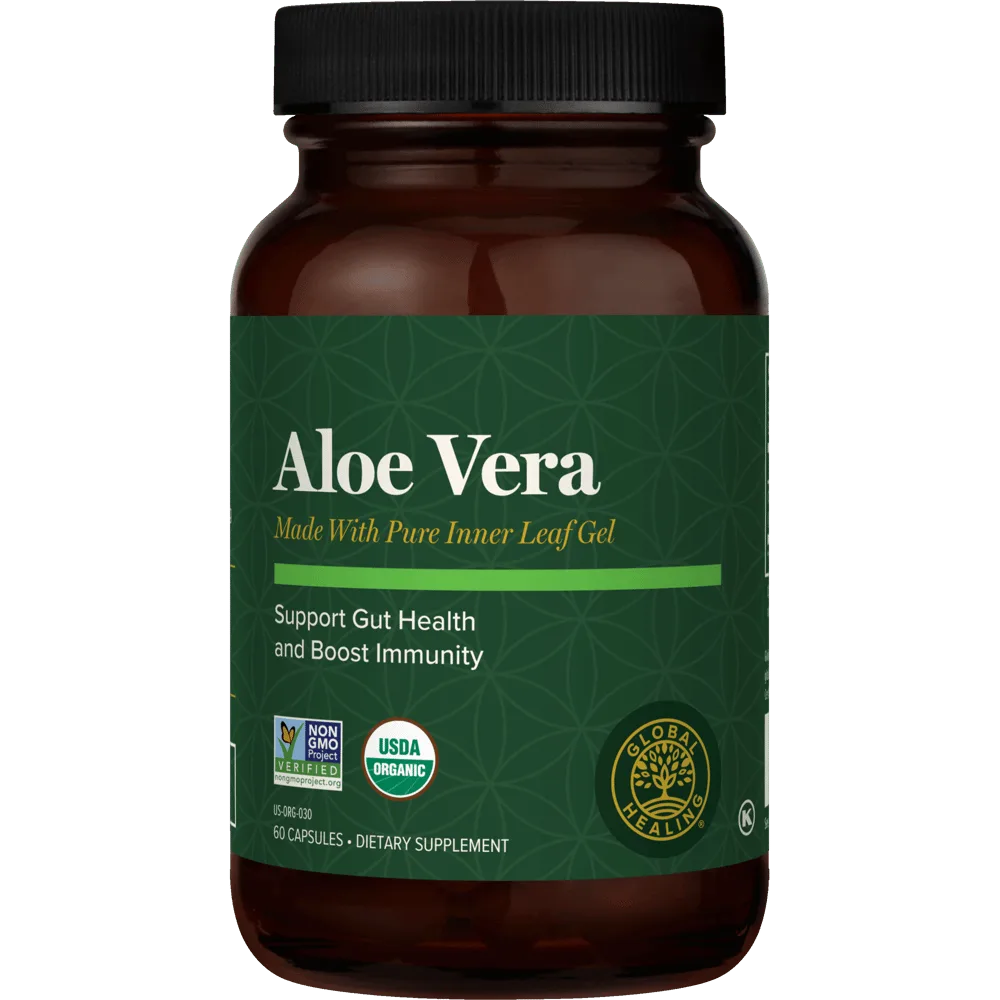
- Aloe Vera: Aloe Vera is an organic freeze-dried inner-leaf aloe vera concentrate standardized for acemannan, an active compound that supports digestive health and soothes stressed tissue. If your main goal is digestive comfort rather than enzyme activity, a standardized aloe vera product gives you a measurable active compound instead of a vague enzyme blend.
- Turmeric: Turmeric is offered in four forms, including traditional powder, freeze-dried, concentrate, and pure CO2 extract, and is combined with black pepper for absorption. For joint and tissue support alongside an enzyme, this shows what a multi-form herbal product looks like when the label is specific about every form used.
Who Should Buy Glucose Oxidase
Best for
- Shoppers who want a clearly labeled enzyme supplement with a stated source and whole-food supporting ingredients
- People already comfortable reading supplement facts panels and comparing enzyme products
- Adults looking for a single-purpose enzyme product rather than a broad proprietary blend
Not for
- Anyone with a bee product allergy, since honey and bee pollen are common ingredients
- People taking prescription medication or managing a blood sugar condition without doctor approval
- Shoppers whose main goal is digestive comfort or joint support, who should choose a standardized aloe vera or turmeric product instead