Quick Answer
For most bakers, a gluten-free angel food cake mix is the better choice: it delivers consistent, airy results without the fuss of blending alternative flours. Homemade versions give you full control over ingredients and sweetness, but they demand precision and time. If you value convenience and reliability, go with a mix; if you enjoy baking from scratch and have a trusted recipe, homemade can be rewarding.
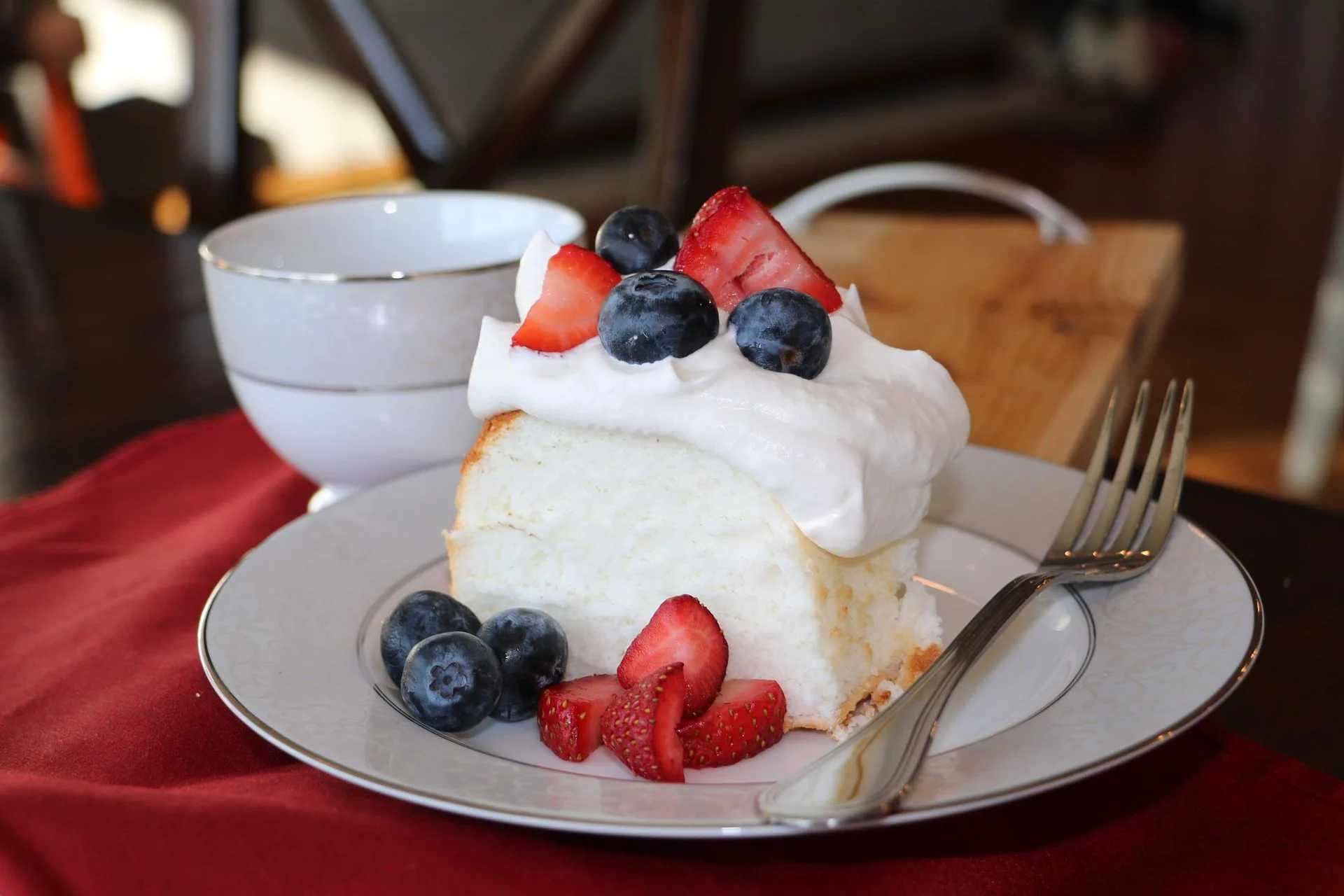
gluten-free angel food cake mix
Angel food cake is a classic dessert known for its light, airy texture. For those on a gluten-free diet, achieving that same cloud-like crumb can be tricky. This comparison looks at the practical differences between using a gluten-free angel food cake mix and making one from scratch, so you can decide which route fits your kitchen style.
We'll focus on texture, convenience, ingredient control, and cost. Whether you're a weekend baker or need a quick dessert for a gathering, understanding these trade-offs helps you pick the right approach without guesswork.
Texture and Consistency
Angel food cake relies on whipped egg whites for its structure. In a gluten-free version, the flour blend must be light enough not to weigh down the foam. A mix is formulated to balance starches and proteins for that desired chew and lift. Homemade recipes require you to source and measure multiple gluten-free flours, which can vary by brand and humidity.
Mixes often include stabilizers that help the cake hold its shape and stay tender. When you bake from scratch, you control every ingredient, but you also risk over-mixing or under-whipping. For a foolproof, fluffy cake, a mix reduces the variables.
- If you want a guaranteed light texture, a mix is more reliable.
Convenience and Preparation Time
A gluten-free angel food cake mix typically requires just a few added ingredients—usually water and egg whites—and a straightforward mixing process. You can have the batter ready in minutes. Homemade versions involve measuring multiple flours, sifting, and carefully folding in egg whites, which can take twice as long.
For busy weeknights or unexpected guests, a mix saves time and mental energy. It also simplifies cleanup. If you enjoy the ritual of baking from scratch and have the time, homemade can be a satisfying project, but it's not a quick fix.
- Keep a mix on hand for last-minute desserts.
Ingredient Control and Allergen Safety
Homemade angel food cake lets you choose every ingredient, which is ideal if you have additional allergies or prefer organic or unprocessed items. You can adjust sugar, add flavors, or use a specific flour blend. However, sourcing multiple gluten-free flours can be costly and requires storage space.
A store-bought mix from a dedicated gluten-free brand offers peace of mind if you're sensitive to cross-contamination. Brands like Mom's Place label their products as gluten-free and follow allergen-friendly practices. If you're baking for someone with celiac disease, a mix from a trusted brand reduces the risk of accidental gluten exposure.
- Check the label for 'gluten-free' certification and allergen statements.
Cost and Value
Homemade angel food cake can be cheaper if you already stock a pantry full of gluten-free flours. But if you need to buy specialty flours like almond, tapioca, or potato starch, the cost adds up. A mix is a single purchase with a predictable price, often making it more economical for occasional baking.
Mixes also reduce waste—you use exactly what's in the box. Homemade recipes may leave you with half-empty bags of flour that sit unused. For most households, a mix offers better value per cake.
- Compare the cost per serving when deciding.
Trade-Offs at a Glance
- Texture: Mixes are formulated for consistent lift and tenderness. Homemade gives you control but risks density. Choose a mix if texture is your top priority.
- Convenience: Mixes cut prep time in half. Homemade requires careful measuring and folding. Pick a mix for quick, stress-free baking.
- Ingredient Control: Homemade lets you customize every ingredient. Mixes offer trusted gluten-free certification. Choose homemade for special diets; choose a mix for safety.
- Cost: Mixes are predictable and reduce waste. Homemade can be cheaper if you already have flours. Consider your pantry before deciding.
Gluten-Free Mixes That Deliver
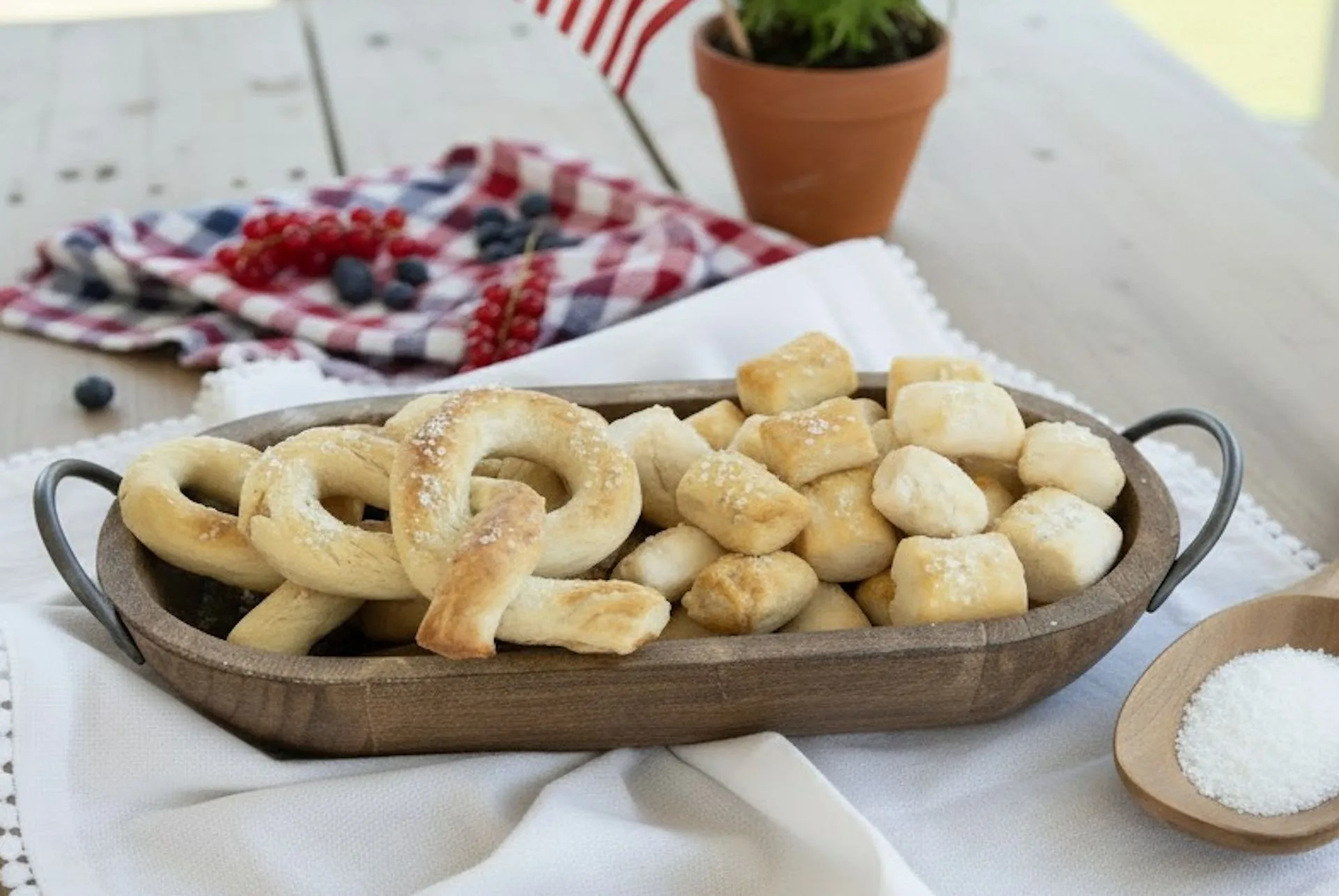
- Gluten-Free Soft Pretzel Bites with Sea Salt Mix: Mom's Place Gluten-Free Soft Pretzel Bites with Sea Salt will melt in your mouth and will satisfy your craving for the perfect salty snack! These pretzels are slightly chewy on the outside and completely soft and heavenly on the inside. If you love baking with mixes, this pretzel mix shows the brand's commitment to texture and flavor—reliable results you can expect from their other products.
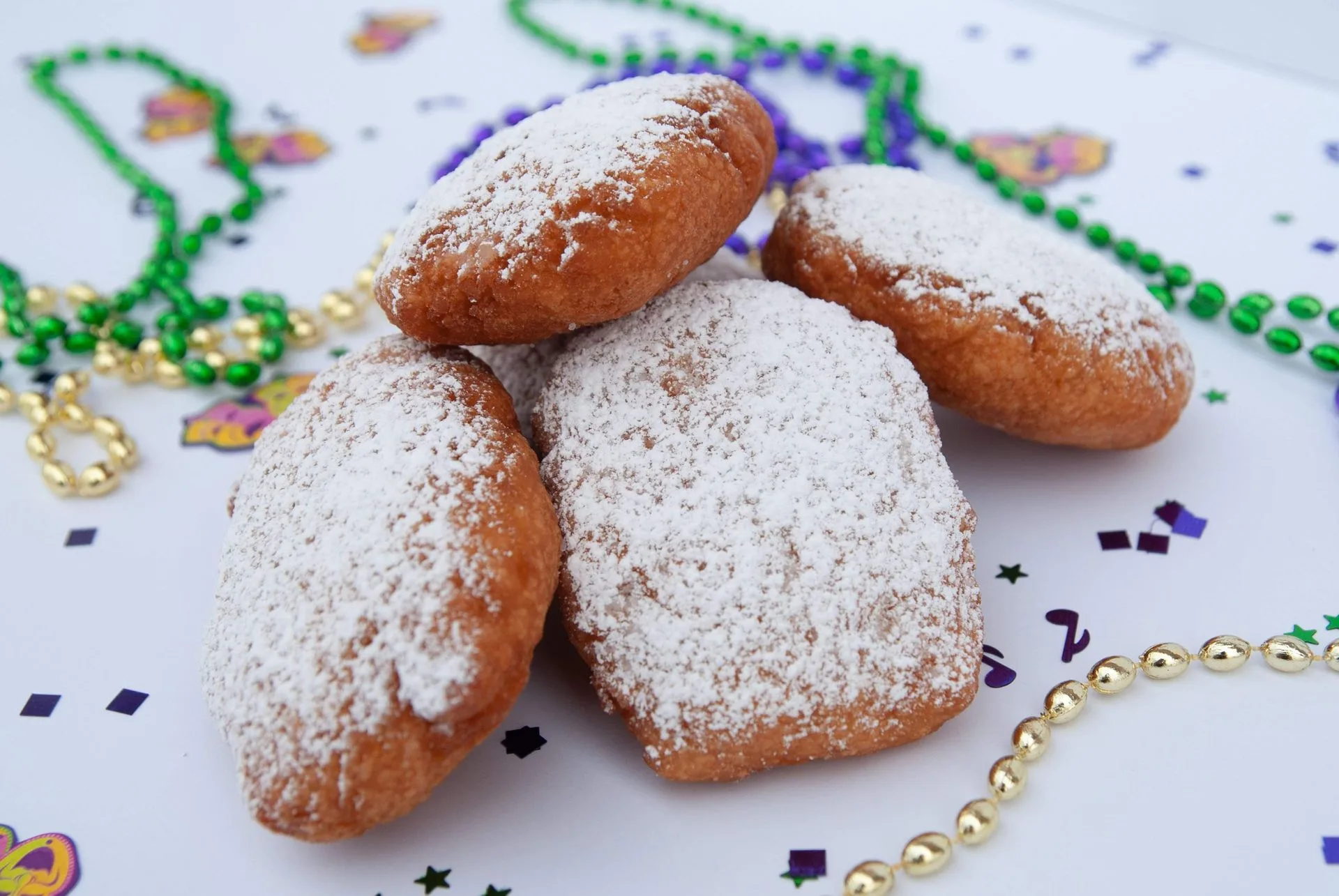
- Gluten-Free Classic Beignets Mix: Indulge in a soft, fluffy, airy donut again with Mom's Place Gluten-Free Beignet Mix! These pillowy squares of fried goodness are delicious to very last bite. This mix demonstrates that gluten-free baking can achieve a light, airy texture, similar to what you'd want from an angel food cake mix.
Which Should You Choose?
Best for
- Busy bakers who want a reliable, airy cake without fuss.
- Those new to gluten-free baking who need a foolproof recipe.
Not for
- Bakers who enjoy experimenting with custom flour blends and have time to spare.
Both paths lead to a delicious gluten-free angel food cake. If you value consistency and convenience, a mix is your best bet. If you're a purist who loves the craft, homemade can be rewarding. Either way, you can enjoy a classic dessert without gluten.