Quick Answer
Gluten-free baking powder is essential for anyone with celiac disease or gluten sensitivity because regular baking powder can contain wheat starch. Look for certified gluten-free, corn-free, and aluminum-free options to avoid hidden allergens and off-flavors. Use it in your favorite gluten-free mixes to ensure proper rise and texture.
If you're baking gluten-free, you've probably wondered whether you need a special baking powder. The short answer: yes, but not always. Regular baking powder can contain wheat starch, which is a hidden source of gluten. Even if it doesn't, it may contain cornstarch or aluminum compounds that can trigger sensitivities or leave a metallic taste.
Choosing the right baking powder is a simple step that can make a big difference in your gluten-free baking. In this guide, we'll cover why gluten-free baking powder matters, what to look for, and how to use it in your mixes for light, fluffy results every time.
Why Gluten-Free Baking Powder Matters
Baking powder is a leavening agent that helps baked goods rise. Traditional baking powder often uses wheat starch as a filler, which makes it off-limits for a strict gluten-free diet. Even if the label doesn't list wheat, cross-contamination can occur during manufacturing. That's why certified gluten-free baking powder is a safer choice.
Beyond gluten, many baking powders contain cornstarch. For those with a corn allergy or intolerance, this can be a problem. Additionally, some baking powders contain aluminum, which can impart a bitter, metallic taste. Choosing an aluminum-free, corn-free option ensures your baked goods taste clean and fresh.
- Always check the label for 'certified gluten-free' and 'corn-free' to avoid hidden allergens.
- Opt for aluminum-free baking powder to prevent off-flavors in delicate baked goods.
How to Use Baking Powder in Gluten-Free Mixes
When using a gluten-free baking mix, the baking powder is often already included. However, if you're adding extra leavening or making a recipe from scratch, it's important to measure correctly. Too much baking powder can cause a coarse, crumbly texture, while too little results in dense, flat baked goods.
For best results, whisk the baking powder thoroughly with your dry ingredients before adding wet ingredients. This ensures even distribution and consistent rising. If your mix calls for an acid like buttermilk or lemon juice, a double-acting baking powder will react twice—once when mixed and once in the oven—giving you a better lift.
- Use about 1 teaspoon of baking powder per cup of gluten-free flour blend for most recipes.
- If your mix already contains baking powder, avoid adding extra unless the recipe specifically calls for it.
Choosing the Right Gluten-Free Baking Powder
When shopping, look for terms like 'gluten-free,' 'corn-free,' and 'aluminum-free' on the label. Some brands also offer 'double acting' baking powder, which is ideal for recipes that need a strong rise. If you're unsure, check the ingredient list—avoid anything with wheat starch, cornstarch, or sodium aluminum sulfate.
If you can't find a suitable commercial option, you can make a simple substitute at home. Mix one part baking soda with two parts cream of tartar and one part corn-free starch (like potato starch or arrowroot). This homemade blend works well in most recipes, though it's single-acting and should be baked immediately.
- Store baking powder in a cool, dry place and replace it every 6-12 months for best results.
- Test freshness by adding a little to hot water—if it bubbles vigorously, it's still active.
Diagnosing Your Baking Powder Problem
- Symptom: Baked goods are dense or flat: Your baking powder may be expired, or you may have used too little. Check freshness and measure accurately. Test your baking powder in hot water before baking.
- Symptom: Metallic or bitter aftertaste: Your baking powder likely contains aluminum. Switch to an aluminum-free brand. Look for 'aluminum-free' on the label.
- Symptom: Digestive discomfort after eating baked goods: Even if labeled gluten-free, your baking powder may contain cornstarch or trace gluten from cross-contamination. Choose certified gluten-free and corn-free baking powder, or make your own.
Gluten-Free Mixes That Work with Baking Powder
- Gluten-Free Buttermilk Biscuit & Mild Chili Seasoning Mix Combo: This combo includes one Mom's Place Gluten-Free Buttermilk Biscuit Mix and one Mom's Place Mild Chili Seasoning Mix. Our Buttermilk Biscuit Mix will create a perfectly fluffy, flaky & buttery biscuit with only a few added ingredients. Makes about 9 biscuits. The biscuit mix already contains the right leavening, so you don't need to add baking powder. Just follow the package instructions for a reliable rise.
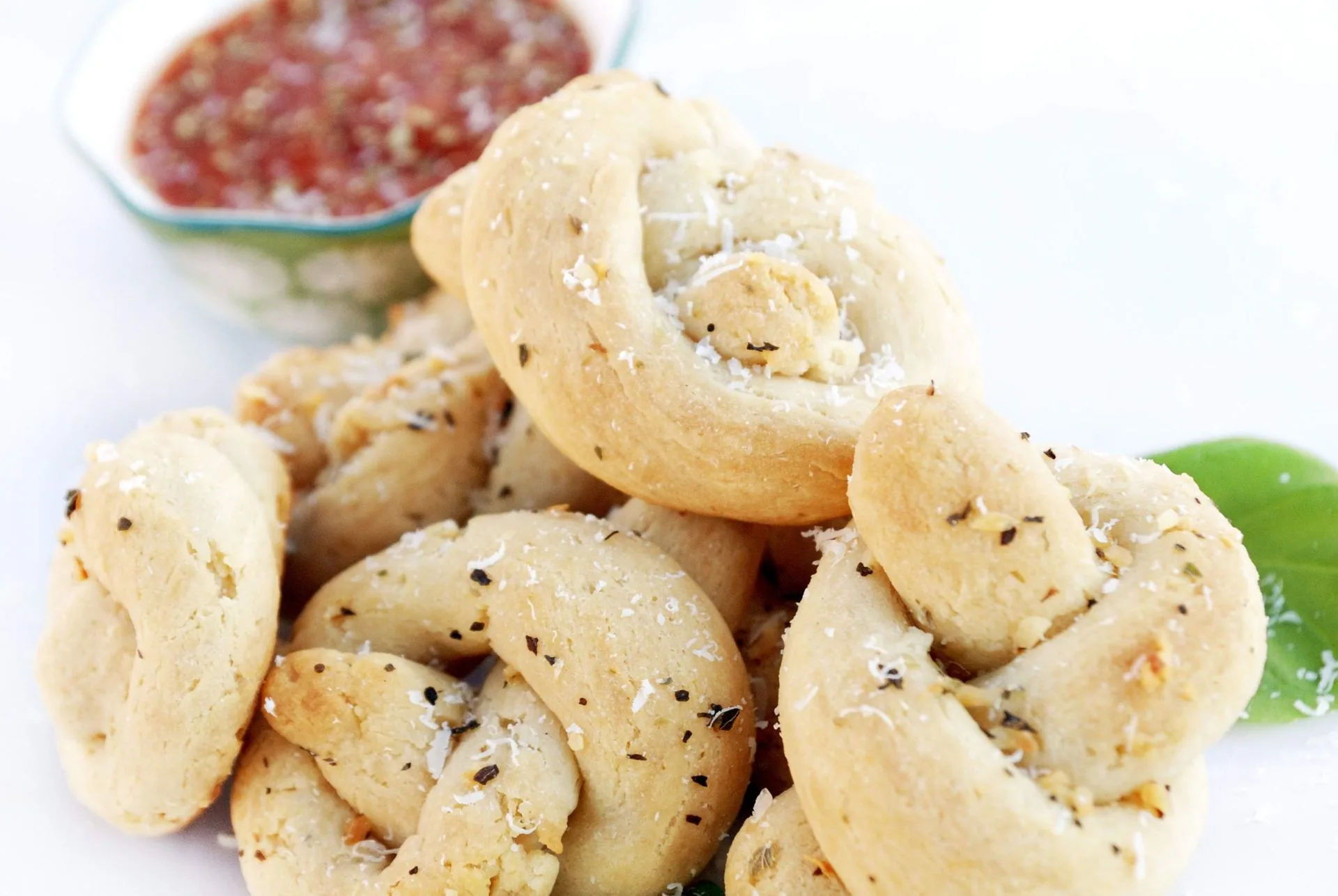
- Gluten-Free Garlic Knots Mix with Garlic Butter Sauce: These knots are not only gluten-free, but after brushing with the included garlic butter spice sauce, these knots are also loaded with buttery garlic goodness that the whole family will love. This mix is designed to work without extra leavening, so you can enjoy soft, pull-apart knots without worrying about baking powder type.
Gluten-free baking powder is a small but crucial ingredient for safe and delicious baking. By choosing a certified gluten-free, corn-free, and aluminum-free option, you can avoid hidden allergens and off-flavors. Whether you're using a mix or baking from scratch, proper leavening ensures your treats rise beautifully. So next time you bake, check your baking powder—it's worth the extra step.