Quick Answer
For most families, a gluten-free bread mix offers better value, control over ingredients, and the comfort of fresh-baked bread at home. Bakery bread wins when you need convenience or don't want to bake. Choose based on your time, budget, and how much you value knowing exactly what's in your loaf.
When you need gluten-free bread for your family, the choice often comes down to baking from a mix or picking up a loaf from a bakery. Both have their strengths, but they serve different needs. Understanding the tradeoffs can help you decide which fits your lifestyle, budget, and standards for ingredients.
In this comparison, we'll look at cost, convenience, ingredient control, and taste—so you can make an informed choice that works for your household.
Cost Comparison: Mix vs. Bakery
Gluten-free bread mixes are generally more economical per loaf than buying from a bakery. For example, a mix like the https://momsplaceglutenfreervz.com/products/gluten-free-sourdough-bread-or-rolls-refill-ws-913996ce5ca85f7328371735-447379Gluten-Free Sourdough Bread or Rolls REFILL (WS) costs about $3.14 and makes a full loaf or rolls. A bakery loaf of similar quality often costs $7 to $10 or more. Over a month of regular consumption, the savings add up significantly.
Bakery bread also has a shorter shelf life, so you may end up throwing away stale slices if you don't eat it quickly. With a mix, you can bake only what you need, reducing waste and stretching your grocery budget further.
- Baking from a mix typically costs less per serving than buying fresh bakery bread.
- Consider how much bread your family actually eats to avoid waste.
Convenience: Time vs. Effort
Bakery bread is the ultimate convenience: you walk in, pick up a loaf, and you're done. No measuring, mixing, or waiting for dough to rise. For busy weeknights or last-minute needs, that's a clear advantage.
However, many gluten-free bread mixes are designed for simplicity. Some require only a few added ingredients and minimal hands-on time. For instance, the Gluten-Free Buttermilk Biscuit Mix from Mom's Place makes about 9 biscuits with just a few added ingredients, and the Sourdough Bread Mix—when you already have a sourdough start—is mostly a matter of mixing and baking. The effort is often less than you'd think, and the aroma of fresh bread is a bonus.
- Bakery bread is faster if you need it immediately.
- Mixes offer a homemade experience with only a little more effort.
Ingredient Control and Allergen Safety
One of the biggest advantages of baking from a mix is knowing exactly what goes into your bread. With a mix, you control the additional ingredients—like the type of oil, eggs, or milk—so you can avoid allergens that might be present in bakery bread. Bakery products may be made in facilities that also process wheat, and cross-contamination is a real concern for those with celiac disease or severe allergies.
When you buy from a bakery, you're relying on their labeling and practices. Even if they claim gluten-free, there's a risk of cross-contact. With a mix from a dedicated gluten-free brand, you have more confidence in the safety of your food. Always check the label for certification and allergen statements.
- Baking at home gives you full control over additional ingredients.
- Bakery bread may carry a higher risk of cross-contamination.
Taste and Texture: Fresh vs. Store-Bought
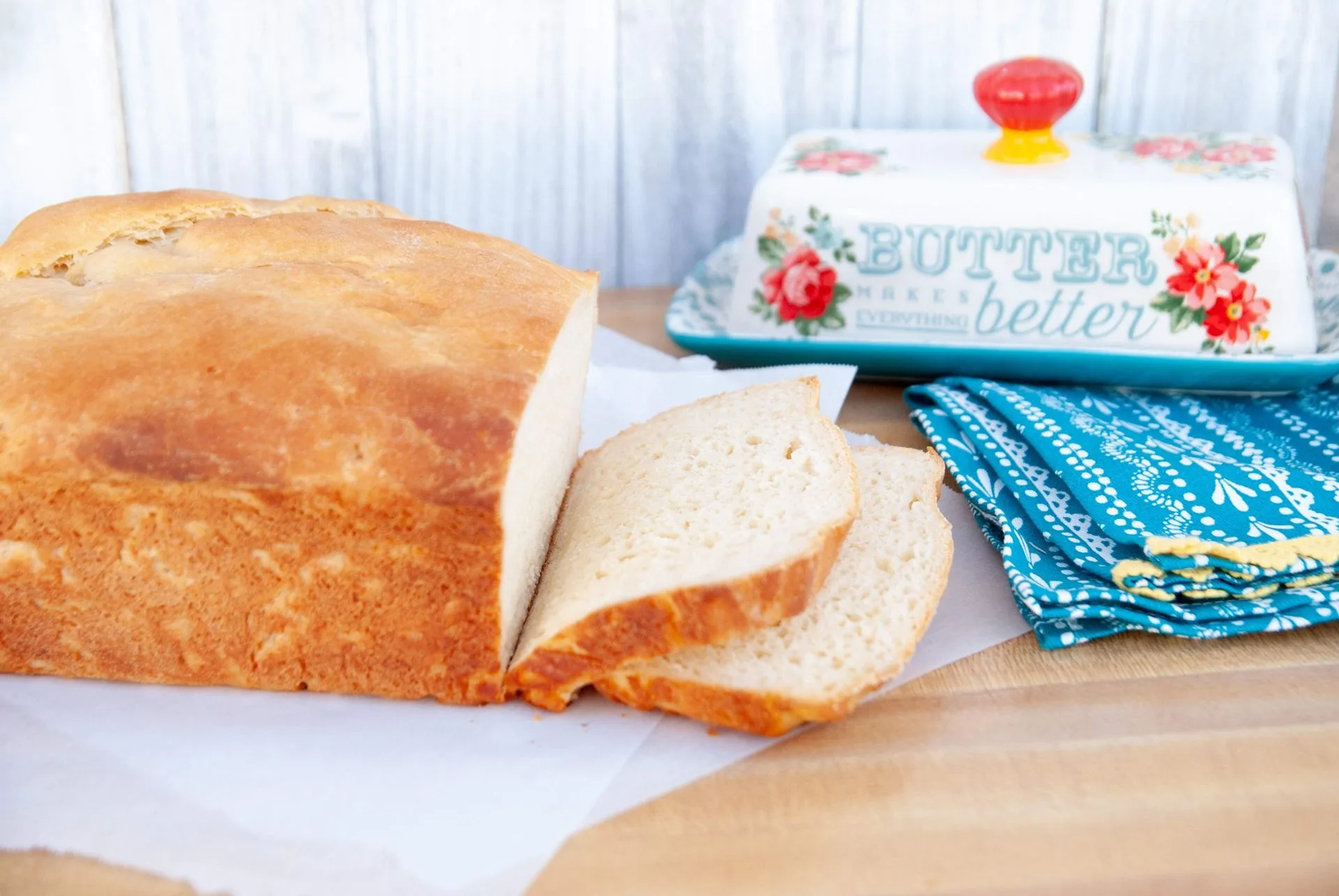
There's something special about bread that comes out of your own oven. The crust is crispier, the inside is softer, and the flavor is fresher. Many gluten-free mixes are formulated to deliver a texture that rivals traditional bread. For instance, the Gluten-Free Sourdough Bread or Rolls Mix promises a slightly chewy outside and a soft, flavorful inside—a texture that's hard to find in pre-packaged bakery loaves.
Bakery bread can be excellent, too, but it may sit on the shelf for hours before you buy it, losing some of its freshness. If you value that just-baked quality, a mix gives you the best chance to enjoy it every time.
- Freshly baked bread from a mix often has superior texture and aroma.
- Bakery bread is convenient but may not be as fresh as what you bake at home.
Tradeoffs to Consider
- Cost per loaf: Mixes generally cost less per loaf than bakery bread. For example, a sourdough bread mix refill costs around $3.14, while a bakery loaf can cost $7 or more. If budget is a priority, baking from a mix is the clear winner.
- Time and effort: Bakery bread is instant, but mixes require some planning and baking time. However, many mixes are designed to be simple, with minimal prep. Choose bakery bread when you're short on time; choose mix when you can plan ahead.
- Ingredient control: With a mix, you control the additional ingredients, reducing the risk of hidden allergens. Bakery bread may have cross-contamination risks. For families with severe allergies, a mix offers more peace of mind.
Product Facts at a Glance
- Gluten-Free Sourdough Bread or Rolls REFILL (WS): Loved Mom's Place Gluten-Free Sourdough Bread & Rolls Mix and want to make more? If you already have Mom's Place Gluten-Free Sourdough Start then this REFILL mix is all you need! Make delicious gluten-free sourdough bread or rolls that are slightly chewy on the outside and so soft and flavorful on the inside. This refill mix is a budget-friendly way to keep baking sourdough bread at home without buying a new starter each time, making it a cost-effective choice for families who bake regularly.
- Gluten-Free Buttermilk Biscuit & Mild Chili Seasoning Mix Combo: This combo includes one Mom's Place Gluten-Free Buttermilk Biscuit Mix and one Mom's Place Mild Chili Seasoning Mix. Our Buttermilk Biscuit Mix will create a perfectly fluffy, flaky & buttery biscuit with only a few added ingredients. Makes about 9 biscuits. If you're new to gluten-free baking, this combo lets you try two products at once, and the biscuit mix is a quick, versatile option for breakfast or dinner sides, showing how easy homemade gluten-free baking can be.
Which Should You Choose?
Best for
- Families who bake regularly and want to save money on gluten-free bread.
- Those with strict allergen concerns who need full control over ingredients.
Not for
- Busy families who need bread on the spot and don't have time to bake.
- Those who don't enjoy baking and prefer the convenience of ready-made bread.
Ultimately, the choice between a gluten-free bread mix and bakery bread comes down to your family's priorities. If you value cost savings, ingredient control, and the joy of fresh-baked bread, a mix is a smart investment. If convenience and time are your main concerns, a bakery loaf can be a lifesaver. Consider your budget, schedule, and health needs to make the best decision for your household.