Biscuits are a beloved comfort food, but for those on a gluten-free diet, the question often arises: can a gluten-free biscuit truly match the flaky, buttery goodness of a traditional buttermilk biscuit? In this comparison, we'll dive into the differences between gluten-free buttermilk biscuits and their regular counterparts, covering taste, texture, nutrition, and baking techniques. Whether you're newly gluten-free or just curious, this guide will help you decide which biscuit deserves a spot on your table.
At Moms Place Gluten Free, we understand the importance of not sacrificing flavor for dietary needs. That's why we offer a range of gluten-free mixes, including our popular Gluten-Free Sourdough Bread or Rolls REFILL and other baking essentials. But today, we're focusing on the humble biscuit—specifically, how gluten-free versions stack up against the classic.
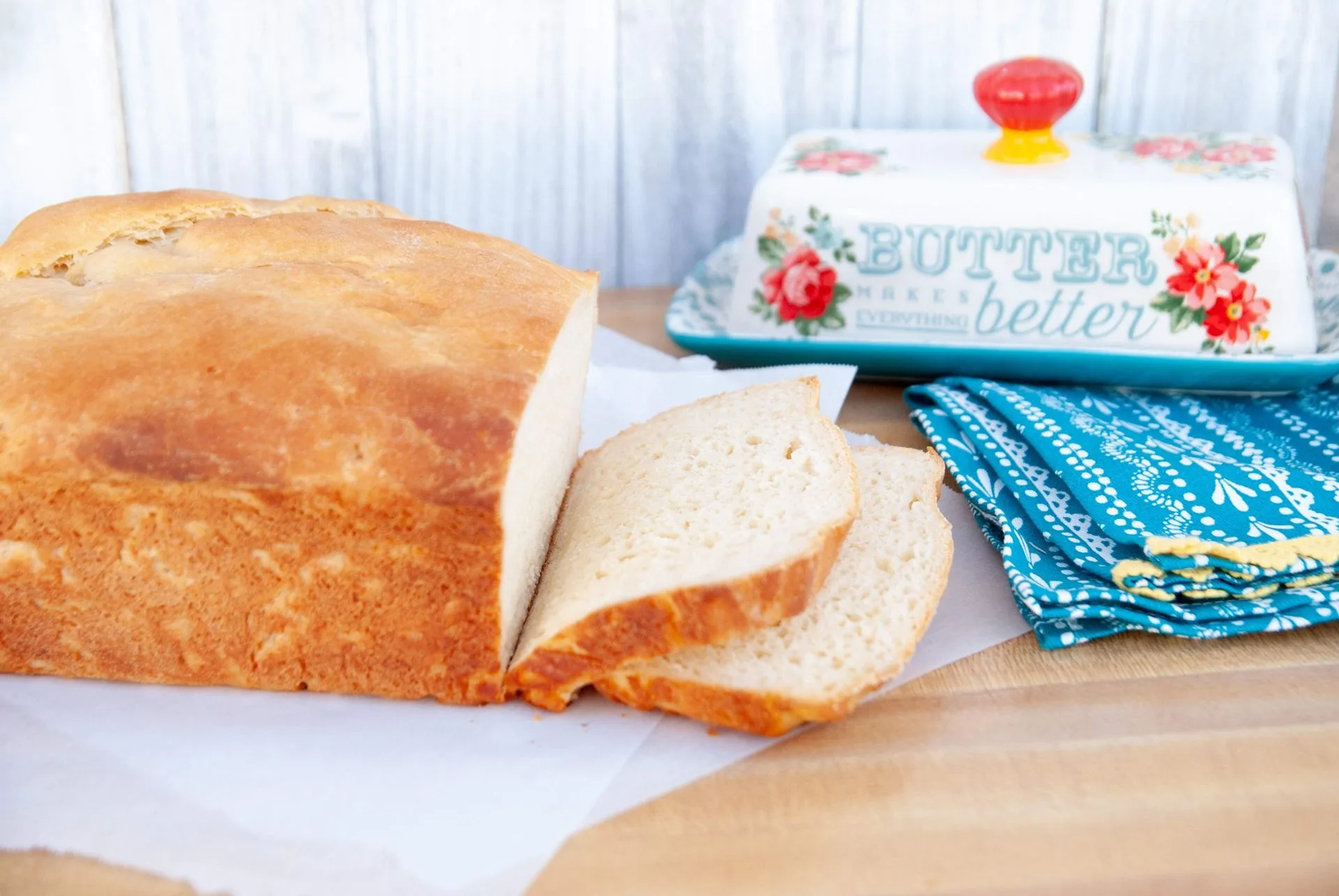
Gluten-Free Sourdough Bread or Rolls REFILL
Taste Differences: Gluten-Free vs. Regular Biscuits
When it comes to taste, regular buttermilk biscuits have a rich, slightly tangy flavor from the buttermilk and a buttery finish. Gluten-free biscuits often rely on alternative flours like rice, tapioca, or almond flour, which can impart a slightly different taste. However, quality gluten-free mixes are formulated to mimic the traditional flavor profile, often including buttermilk powder or yogurt to achieve that signature tang.
In our experience, gluten-free biscuits can be just as delicious, especially when made with a well-balanced mix. Some gluten-free flours have a nutty or earthy undertone, but this can be masked with the right seasonings and fats. Ultimately, the taste difference is subtle, and many people cannot tell the difference when the biscuits are served warm with butter or jam.
- Look for mixes that include buttermilk or yogurt for an authentic tang.
- Add a bit of sugar to enhance browning and round out flavors.
Texture: Flaky Layers vs. Tender Crumb
Texture is where gluten-free biscuits often face the biggest challenge. Gluten provides elasticity and structure, creating the flaky layers that are the hallmark of a great biscuit. Without gluten, biscuits can become dense or crumbly. However, gluten-free baking has come a long way, with blends using xanthan gum or psyllium husk to mimic gluten's binding properties.
A well-made gluten-free biscuit can be tender and slightly crumbly, but still hold together nicely. Achieving flaky layers requires careful handling—cutting in cold butter and folding the dough. With the right technique, gluten-free biscuits can have a satisfying texture that rivals traditional ones. In our tests, using a mix like the Gluten-Free Country Gravy Mix as a base can also add moisture and flavor to your biscuits.
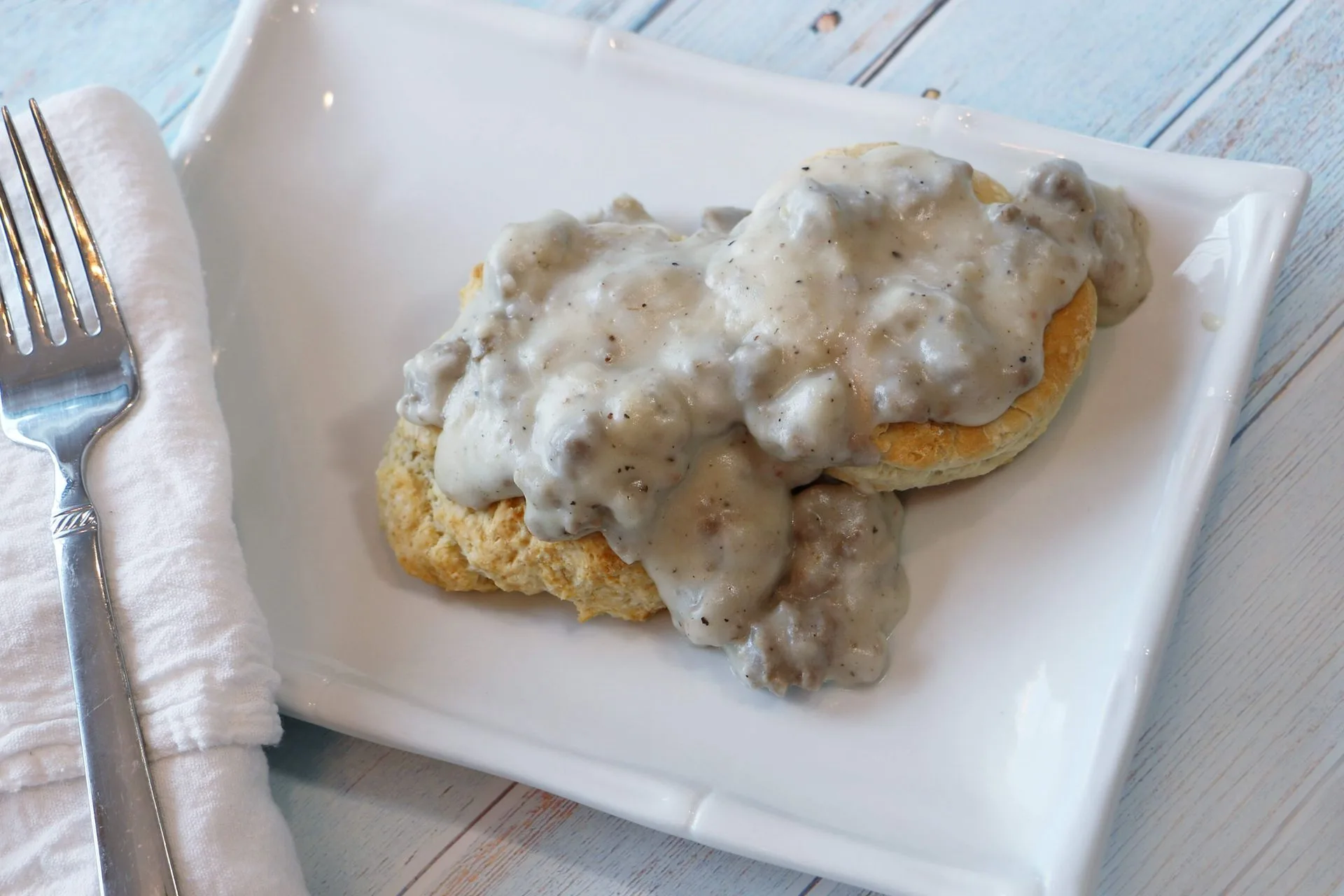
Gluten-Free Country Gravy Mix
- Keep butter cold and work quickly to prevent the dough from warming.
- Fold the dough several times to create layers, just as you would with regular biscuits.
Nutritional Comparison: Gluten-Free vs. Regular Biscuits
Nutritionally, regular biscuits are typically made with white flour, which is low in fiber and nutrients. Gluten-free biscuits can vary widely depending on the flour blend. Some use whole grains like brown rice or quinoa, offering more fiber and protein. However, gluten-free products can sometimes be higher in fat and sugar to compensate for texture and taste.
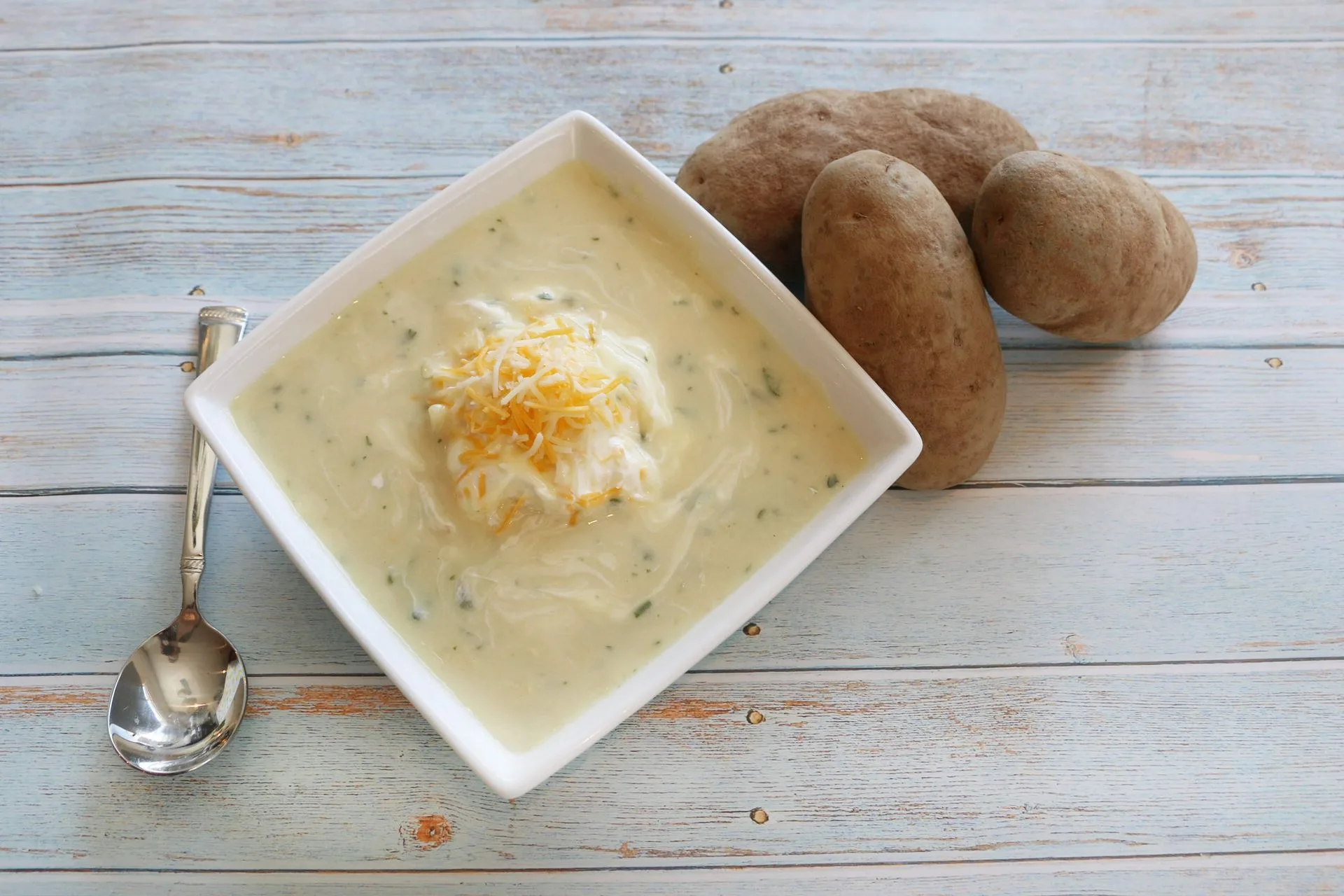
For those with celiac disease or gluten sensitivity, gluten-free biscuits are a necessity, not a choice. Even if they have similar calorie counts, the nutritional profile can be better if you choose mixes with wholesome ingredients. At Moms Place, we prioritize quality ingredients, and our https://momsplaceglutenfreervz.com/products/gluten-free-cream-of-potato-soup-mix-ws-2dbab8116ed1572e2d95b16f-447420Gluten-Free Cream of Potato Soup Mix (WS) is a great option for those looking to incorporate more vegetables into their meals, though it's not a biscuit mix.
- Check the label for fiber content—aim for at least 2 grams per serving.
- Compare sodium levels, as some gluten-free mixes can be high in salt.
Baking Tips for Gluten-Free Biscuits
Baking gluten-free biscuits requires a slightly different approach than regular ones. First, measure your ingredients accurately—gluten-free flours can be denser, so using a kitchen scale is recommended. Second, don't overmix the dough, as this can lead to toughness. Third, let the dough rest for 10-15 minutes before baking to allow the flours to hydrate fully.
Another tip is to use a hot oven (425°F) and place biscuits close together on the baking sheet. This helps them rise higher. If you're using a mix, follow the instructions carefully, but don't be afraid to add a little extra liquid if the dough seems dry. For a savory twist, consider adding cheese or herbs to your biscuit dough.
- Use cold butter or shortening for flakier results.
- Brush the tops with melted butter before baking for a golden finish.
In the battle of gluten-free buttermilk biscuits vs. regular biscuits, there's no clear winner—it all comes down to your dietary needs and personal preference. With the right mix and techniques, gluten-free biscuits can be just as delicious and satisfying. Explore Moms Place Gluten Free's range of baking mixes to find your new favorite, and don't forget to try our Gluten-Free Country Gravy Mix to top your biscuits for a comforting meal.