For many families, Hamburger Helper has been a weeknight staple for decades. It's quick, filling, and budget-friendly. But if you're following a gluten-free diet, that familiar blue box is off the table—unless you're willing to risk cross-contamination or seek out specialty versions. Fortunately, there's a growing category of gluten-free skillet meals that promise the same comfort-food appeal without the gluten. In this comparison, we'll pit a gluten-free cheeseburger skillet meal against traditional Hamburger Helper to see which comes out on top.
We'll evaluate them on taste, texture, convenience, nutrition, and overall value. Whether you're new to gluten-free eating or a seasoned pro, this detailed comparison will help you decide which boxed dinner deserves a spot in your pantry.
What Is a Gluten-Free Cheeseburger Skillet?
A gluten-free cheeseburger skillet is a one-pan meal that typically includes gluten-free pasta, a savory seasoning blend, and sometimes a cheese sauce. You add your own ground beef or turkey, water, and maybe milk, then simmer everything together for about 20 minutes. The result is a creamy, cheesy pasta dish that mimics the flavors of a classic cheeseburger—without the bun.
Brands like Moms Place Gluten Free have perfected this concept. Their Gluten-Free Lasagna Skillet Meal is a great example of how a skillet meal can be both hearty and convenient. While it's not a cheeseburger flavor, it shows the versatility of the format. For a true cheeseburger experience, you might explore their other skillet options, but the key is that these mixes are designed to be safe for celiacs and those with gluten sensitivity.
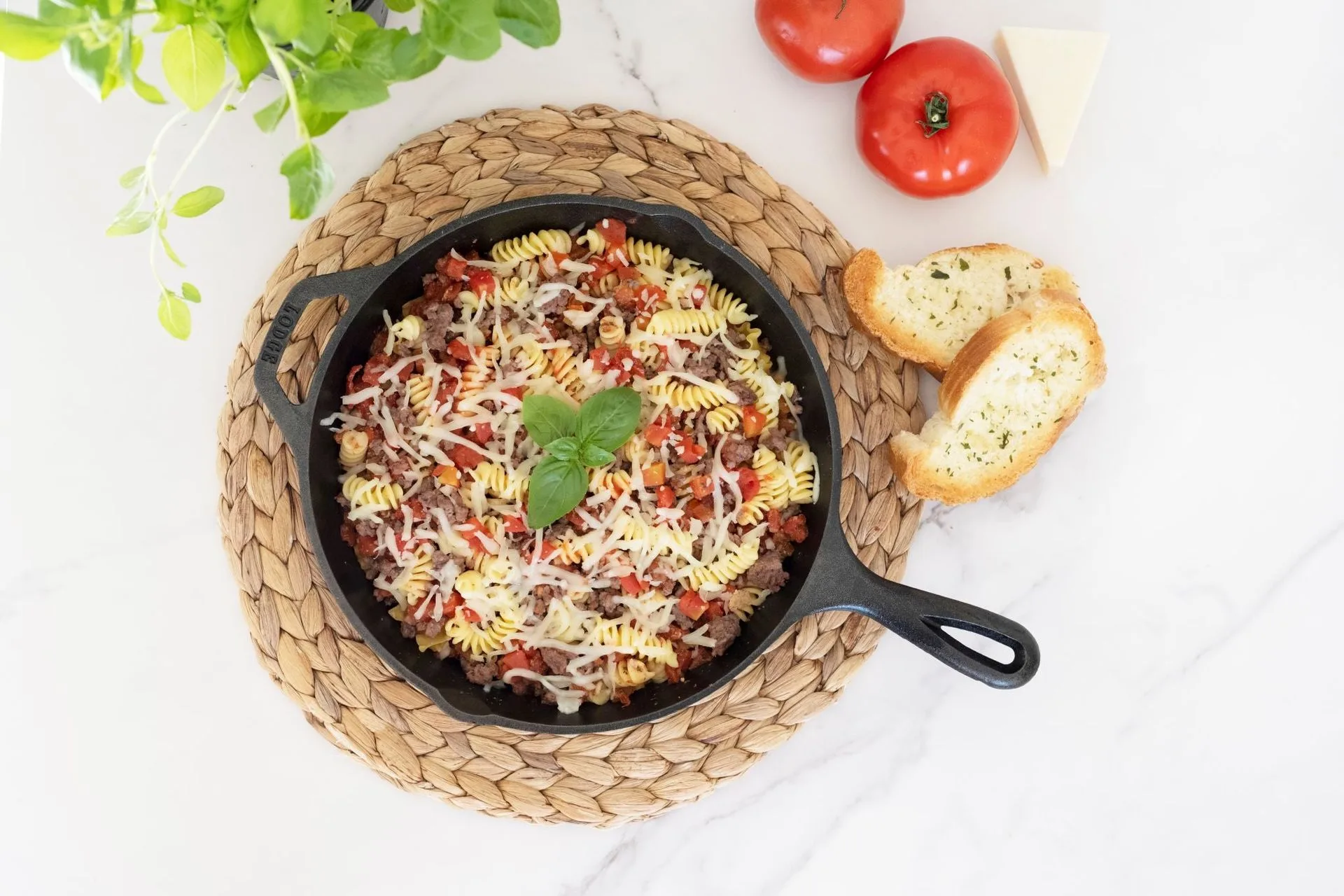
Gluten-Free Lasagna Skillet Meal
- Gluten-free pasta is usually made from rice, corn, or quinoa.
- Seasoning packets are gluten-free and often free from artificial additives.
- You control the protein and can add extra vegetables for nutrition.
Hamburger Helper: The Traditional Boxed Dinner
Hamburger Helper, introduced in the 1970s, is a boxed meal that includes pasta or potatoes and a seasoning mix. You add ground beef and milk, and in about 20 minutes you have a creamy, comforting dinner. It's beloved for its convenience and kid-friendly appeal. However, most varieties contain wheat-based pasta and may have gluten in the seasoning, making them unsuitable for a gluten-free diet.
There are gluten-free versions of Hamburger Helper available, but they can be hard to find and are often more expensive. Even then, some people worry about cross-contamination during manufacturing. For those who need to avoid gluten strictly, a dedicated gluten-free brand like Moms Place Gluten Free offers peace of mind.
- Traditional Hamburger Helper often contains wheat pasta.
- Gluten-free versions exist but may not be widely available.
- Cross-contamination risk is a concern for some brands.
Taste and Texture: Which One Satisfies?
When it comes to taste, both options aim for that creamy, savory cheeseburger flavor. Hamburger Helper has a distinct, salty, processed taste that many people grew up with. It's nostalgic and undeniably tasty, but it can be heavy on sodium and artificial flavors.
Gluten-free skillet meals from Moms Place Gluten Free are crafted with quality ingredients. Their Gluten-Free Au Jus Sauce Mix, for instance, shows their commitment to rich, real flavor. For a cheeseburger skillet, you might expect a more robust cheese sauce and a pasta texture that holds up well. Many users report that gluten-free pasta has improved significantly, and when paired with a well-seasoned mix, it can easily rival—or even surpass—the boxed original.
- Gluten-free pasta has come a long way in taste and texture.
- Seasoning blends often use real cheese and spices for depth.
- You can customize with extra cheese or toppings for a gourmet twist.
Convenience and Prep Time
Both options are designed for busy weeknights. Hamburger Helper typically takes about 20 minutes from start to finish. You brown the meat, add water and milk, stir in the pasta and seasoning, and simmer. It's simple and requires minimal cleanup since it's a one-pan meal.
Gluten-free skillet meals follow a similar process. The Moms Place Gluten Free Gluten-Free Lasagna Skillet Meal is a one-pan wonder that takes about the same time. For a cheeseburger version, you'd likely brown your beef, add the mix and liquid, and let it simmer. The convenience factor is nearly identical, making it easy to swap one for the other without changing your routine.
- Both require only one skillet and basic ingredients.
- Gluten-free mixes often include clear instructions for best results.
- You can prep ingredients ahead for even faster cooking.
Nutritional Comparison: What's in the Box?
Nutrition is a key factor for many families. Traditional Hamburger Helper is notorious for high sodium and limited nutritional value. A single serving can contain over 1,000 mg of sodium, which is nearly half the daily recommended limit. It also often includes artificial colors, flavors, and preservatives.
Gluten-free skillet meals from Moms Place Gluten Free tend to be more mindful. They use real cheese and natural seasonings, and many are free from artificial additives. While they still contain sodium, it's often lower than traditional versions. Plus, you can boost the nutrition by adding vegetables like spinach, bell peppers, or mushrooms. For a lighter option, you could even use ground turkey or chicken.
- Check the label for sodium content and artificial ingredients.
- Add extra veggies to increase fiber and vitamins.
- Choose lean proteins to reduce fat and calories.
Cost and Value: Is Gluten-Free Worth the Price?
Price is often a deciding factor. Traditional Hamburger Helper is inexpensive, usually under $2 per box. Gluten-free versions, especially from specialty brands, can cost more—sometimes $5 or more per box. However, the price difference reflects the quality of ingredients and the safety of a gluten-free facility.
When you consider the potential health costs of consuming gluten if you have celiac disease, the extra expense is justified. Plus, many gluten-free mixes are more filling and satisfying, so you might eat less. And with Moms Place Gluten Free, you're supporting a company dedicated to gluten-free safety. Their Gluten-Free Broccoli Cheese Soup Mix is a great example of a product that offers both value and quality.
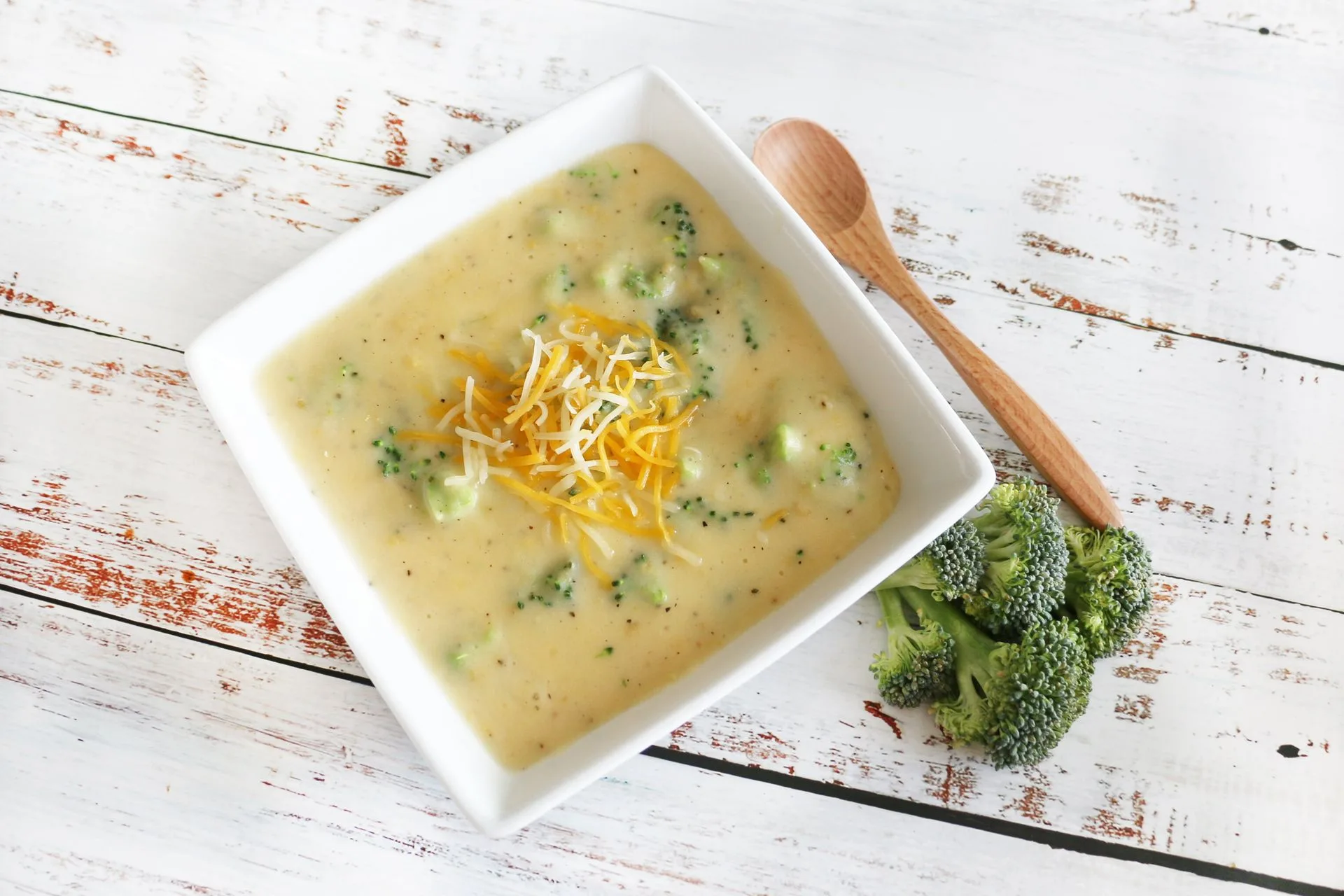
Gluten-Free Broccoli Cheese Soup Mix
- Gluten-free mixes often cost more but offer better ingredients.
- Consider the health benefits of avoiding gluten.
- Look for sales or bundles to save money.
The Verdict: Which Should You Choose?
If you don't have a gluten intolerance, Hamburger Helper is a budget-friendly, convenient option. But if you're gluten-free, the choice is clear: a dedicated gluten-free skillet meal is the way to go. Not only does it meet your dietary needs, but it also offers better ingredients and comparable convenience.
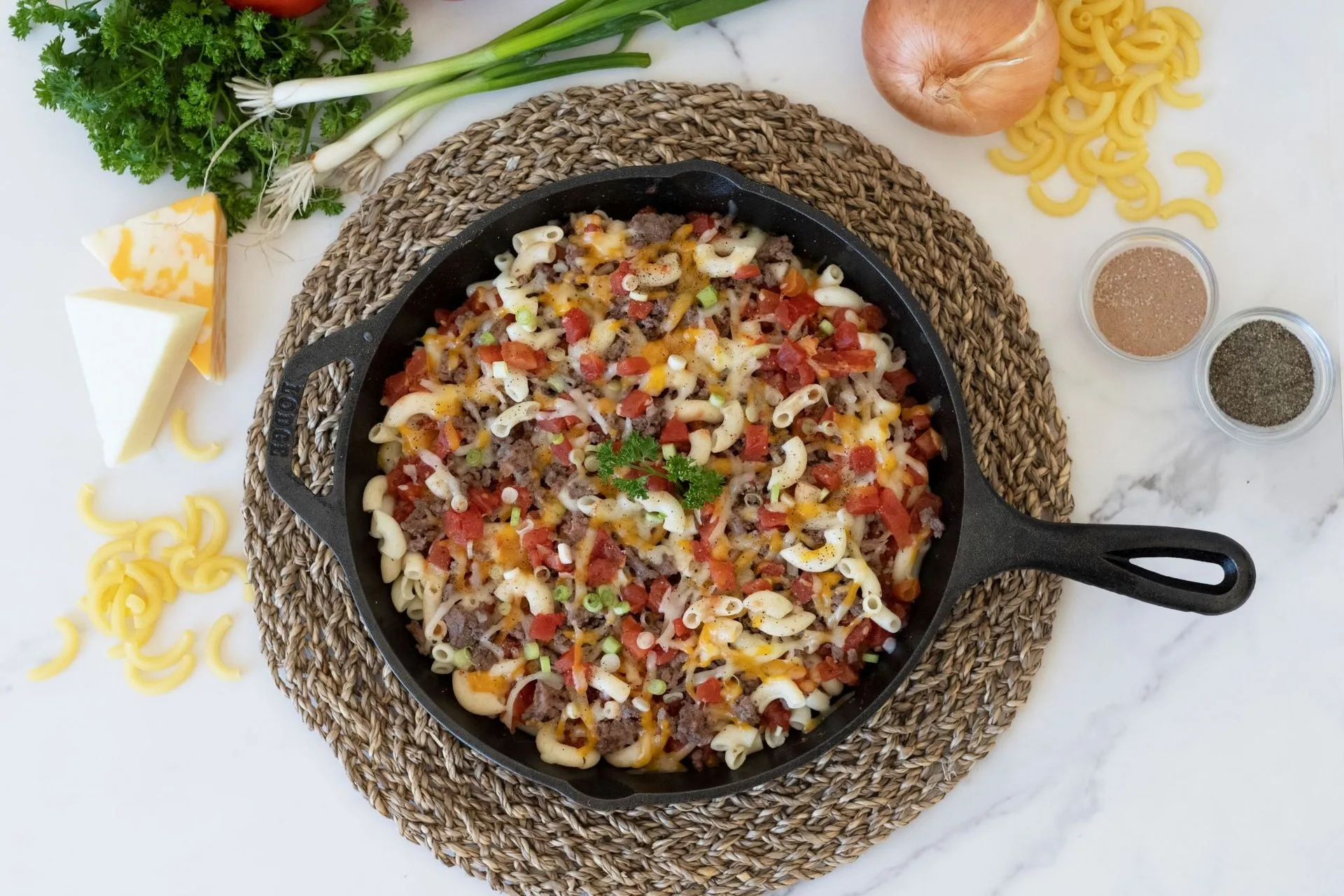
For those who want to try a gluten-free skillet meal, Moms Place Gluten Free offers a variety of options. While they don't currently have a cheeseburger flavor, their Gluten-Free Chili Macaroni Skillet Meal provides a similar hearty, cheesy experience. You can also experiment by adding your own cheeseburger-inspired seasonings to a basic pasta mix.
- Prioritize your health and safety first.
- Experiment with different gluten-free brands to find your favorite.
- Don't be afraid to customize with extra cheese, bacon, or pickles.
Ultimately, the choice between a gluten-free cheeseburger skillet and Hamburger Helper comes down to your dietary needs and priorities. If you're gluten-free, a dedicated mix is the safest and most satisfying option. We encourage you to explore Moms Place Gluten Free's selection of skillet meals, such as the Gluten-Free Chili Macaroni Skillet Meal, to discover a delicious, convenient dinner that fits your lifestyle.