For anyone living a gluten-free lifestyle, reading labels is second nature. But have you ever wondered what those 'gluten-free' claims really mean? In 2026, gluten-free labeling regulations continue to evolve, and staying informed is key to protecting your health and making confident choices for your family.
Whether you're newly diagnosed with celiac disease, managing non-celiac gluten sensitivity, or simply choosing gluten-free for wellness reasons, understanding the rules behind the labels can help you shop smarter. Let's dive into the current regulations, certification standards, and practical tips for navigating the gluten-free marketplace.
FDA Gluten-Free Labeling Rules: The Basics
The U.S. Food and Drug Administration (FDA) has set clear rules for what can be labeled 'gluten-free' on packaged foods. Under the FDA's gluten-free labeling rule, a product must contain less than 20 parts per million (ppm) of gluten. This threshold is considered safe for the vast majority of people with celiac disease.
To bear the 'gluten-free' claim, a food must not contain any gluten-containing grains (wheat, barley, rye) or their derivatives, unless they have been processed to remove gluten to below 20 ppm. The FDA also requires that any unavoidable gluten in the product be below this limit. These rules apply to all packaged foods regulated by the FDA, including mixes, snacks, and meals.
- Look for the 'gluten-free' claim on the front or back of the package—it's voluntary but regulated.
- Check the ingredient list for hidden gluten sources like malt, brewer's yeast, or modified food starch (unless from corn).
- Remember that 'wheat-free' is not the same as 'gluten-free'—always look for the specific claim.
Gluten-Free Label Requirements: What Manufacturers Must Do
Manufacturers who choose to label their products 'gluten-free' must comply with strict requirements. They are responsible for ensuring that their products meet the FDA's definition and for keeping records that demonstrate compliance. The FDA can take action against companies that mislabel products, which is why reputable brands take labeling seriously.
For consumers, this means that a 'gluten-free' label on a product like our Gluten-Free Cream of Tomato Soup Mix is a reliable indicator that the product has been tested and formulated to meet these standards. However, it's still wise to read labels every time, as formulations can change.
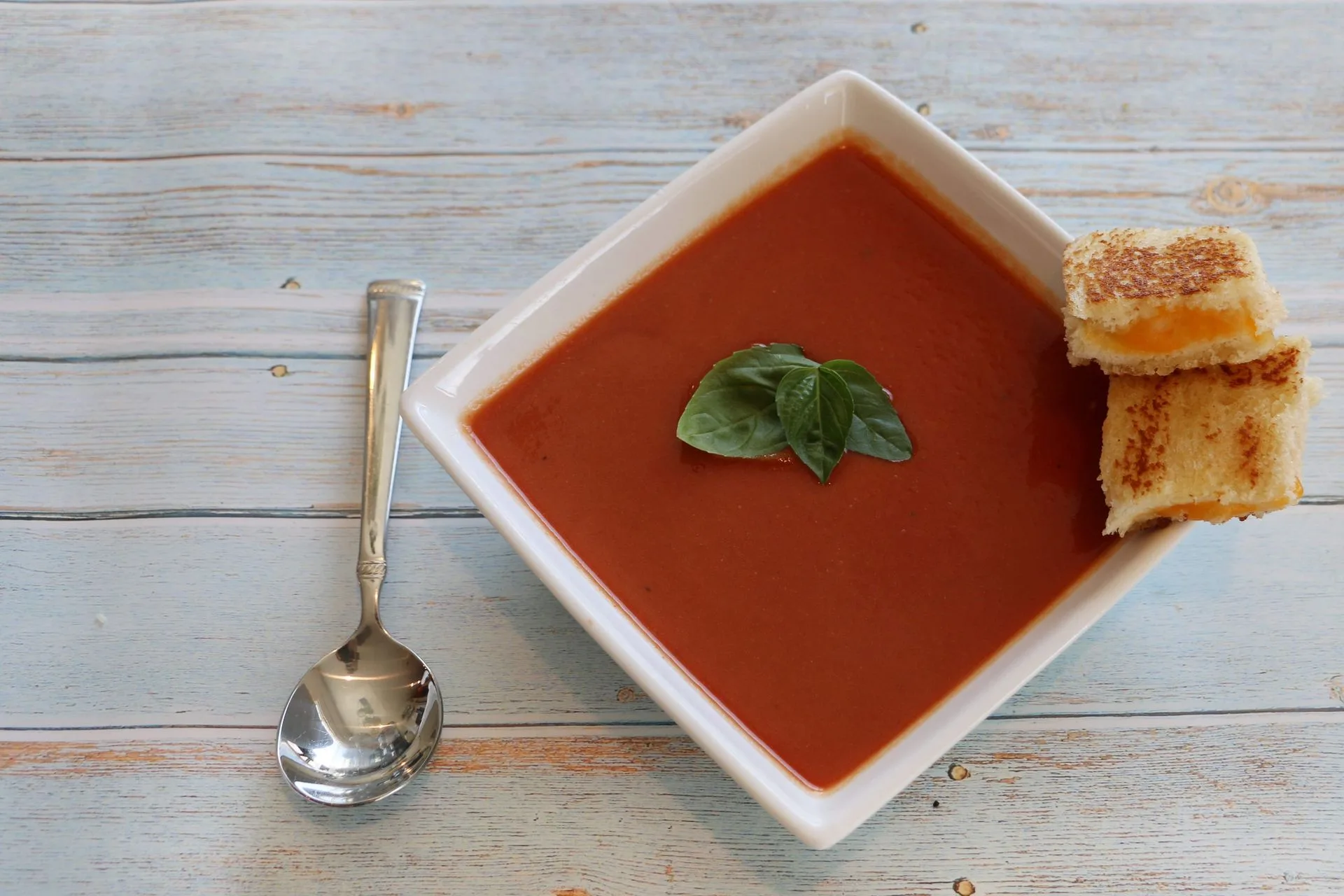
Gluten-Free Cream of Tomato Soup Mix
- Always double-check labels on products you buy regularly, as ingredients can change without notice.
- If a product lacks a 'gluten-free' claim but appears to be gluten-free, contact the manufacturer to ask about their testing protocols.
- Be cautious with products that are naturally gluten-free but processed in facilities that also handle wheat—look for 'may contain wheat' warnings.
Gluten-Free Certification Standards: Beyond the FDA
While the FDA's rules are the baseline, some products go above and beyond by obtaining third-party gluten-free certification. Organizations like the Gluten-Free Certification Organization (GFCO) require that products test to an even stricter standard—typically less than 10 ppm of gluten. Certification also involves regular audits and testing of finished products.
When you see a certification seal, you can be extra confident in the product's safety. Many of our mixes, such as the Gluten-Free Buttermilk Biscuit & Beef Stew Mix Combo, are crafted with meticulous attention to gluten-free standards, giving you peace of mind with every meal.
- Look for seals like GFCO or the Celiac Support Association (CSA) for added assurance.
- Certified products often list the certification on the front of the package.
- Remember that certification is voluntary—many safe products are not certified but still meet FDA rules.
Regulatory Updates in 2026: What's New
The gluten-free landscape is always evolving, and 2026 brings continued focus on transparency and consumer safety. While the FDA's core rules remain unchanged, there is ongoing dialogue about updating labeling to address emerging ingredients and cross-contamination risks. For instance, the FDA has been exploring ways to clarify labeling for gluten-free oats and fermented or hydrolyzed foods.
As a consumer, staying informed about these updates helps you make educated choices. It's also reassuring to know that brands like Gluten-Free Mom's Place are committed to staying ahead of regulatory changes, ensuring that our products like the Gluten-Free IsiBisi Penne Rigate Pasta meet the highest standards of safety and quality.
- Follow the FDA's website or subscribe to consumer alerts for the latest regulatory news.
- Join gluten-free communities online to hear about real-world experiences with new products and labels.
- When in doubt, reach out to the brand directly—most reputable companies are happy to share their testing and sourcing practices.
Practical Tips for Reading Gluten-Free Labels
Reading labels can be overwhelming, but with a few simple strategies, you can become a pro. Start by looking for the 'gluten-free' claim—it's your first line of defense. Then, scan the ingredient list for any red flags like wheat, barley, rye, malt, or brewer's yeast. Finally, check for allergen statements that mention wheat or gluten.
Remember that gluten can hide in unexpected places, such as soy sauce, certain spices, and even some seasonings. That's why using products specifically formulated to be gluten-free, like our Gluten-Free Chicken or Turkey Gravy Mix, can simplify your life. You can trust that every ingredient has been vetted for safety.
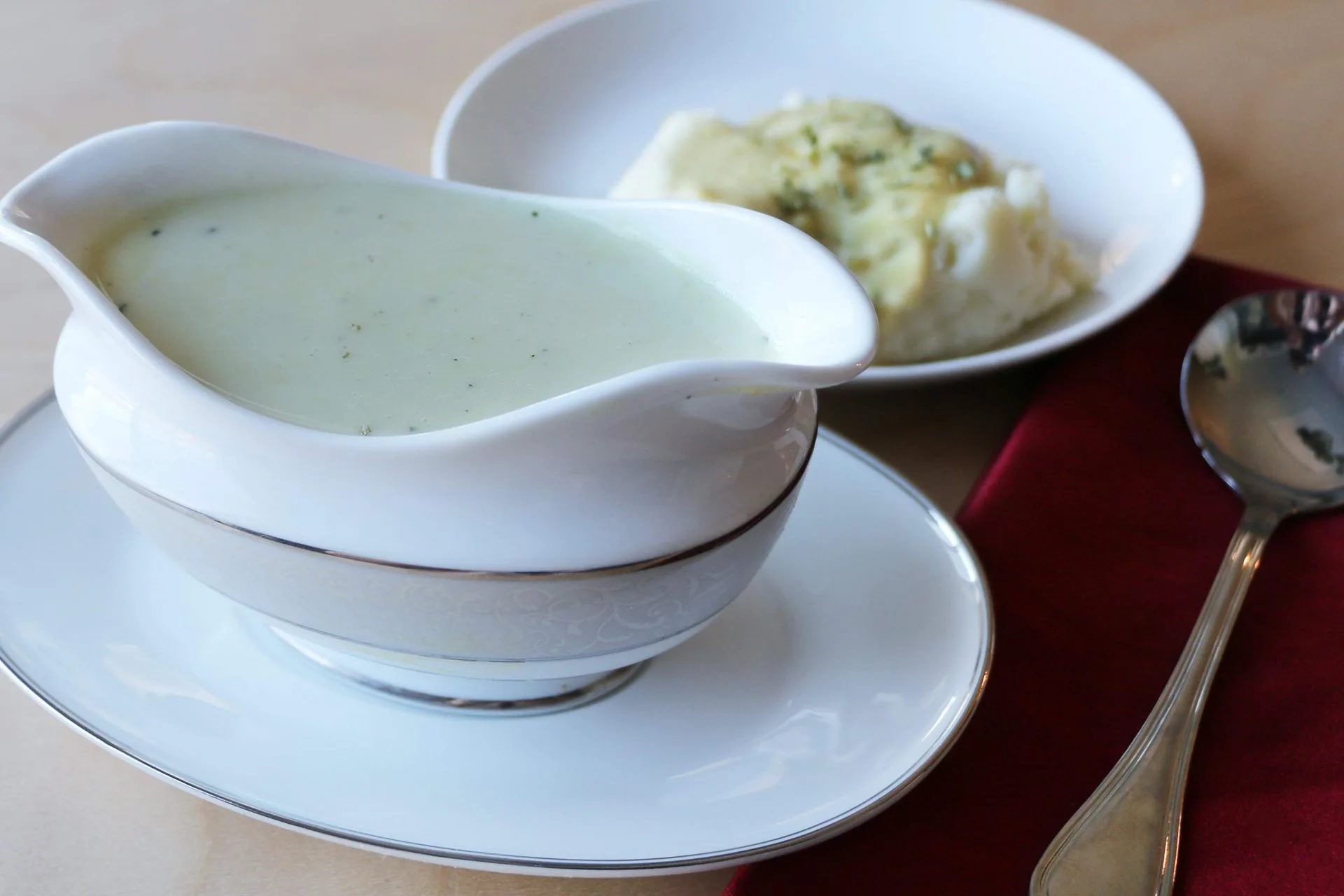
Gluten-Free Chicken or Turkey Gravy Mix
- Keep a list of common gluten-containing ingredients on your phone for quick reference.
- When dining out, ask about gluten-free options and how they prevent cross-contamination.
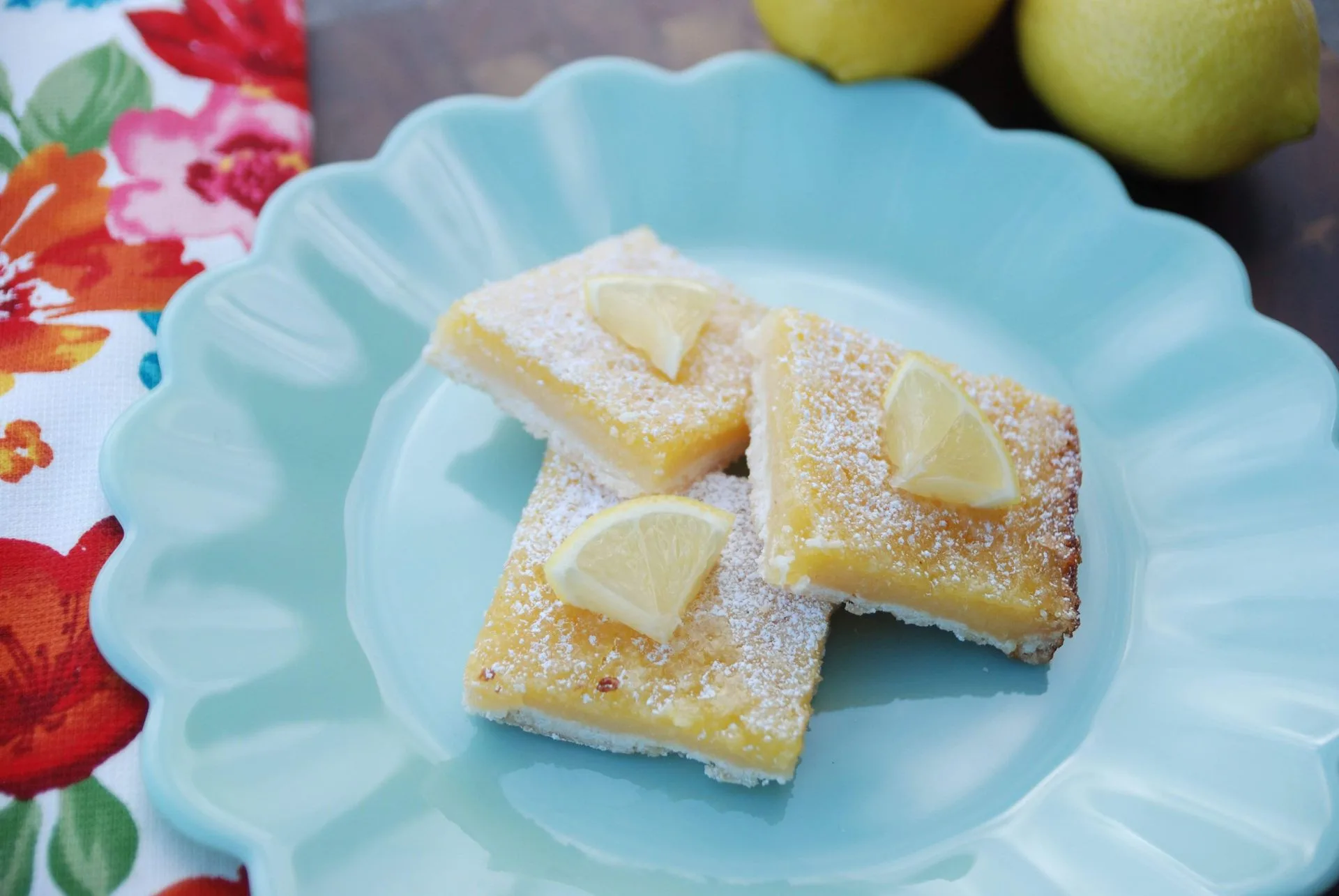
- For baking, choose mixes that are labeled gluten-free and have clear instructions—like our Gluten-Free Lemon Squares Mix for a delightful dessert.
Navigating gluten-free labeling regulations doesn't have to be stressful. By understanding the FDA's rules, recognizing certification standards, and staying informed about updates, you can shop with confidence. At Gluten-Free Mom's Place, we're dedicated to providing delicious, safe products that meet the highest standards. Explore our selection of gluten-free mixes and foods to find your next favorite meal or treat.