Living a gluten-free lifestyle is more than just swapping out ingredients; it's about creating a safe environment where even a tiny trace of gluten can't sneak into your food. For those with celiac disease or severe gluten sensitivity, cross-contamination is a real and constant threat. Even if you're using the best gluten-free mixes, a shared toaster, a wooden spoon that's seen better days, or a flour-dusted counter can ruin your efforts and your health.
The good news? With a few mindful habits and some simple kitchen tweaks, you can dramatically reduce the risk. Whether you're new to gluten-free baking or a seasoned pro, this guide will walk you through practical steps to keep your kitchen—and your gluten-free mixes—safe from contamination.
Understanding Cross-Contamination: Why It Matters
Cross-contamination occurs when gluten-free food comes into contact with gluten-containing ingredients or surfaces. This can happen through shared utensils, cutting boards, colanders, toasters, and even hands. For someone with celiac disease, consuming as little as 20 parts per million (ppm) of gluten can trigger an immune response that damages the small intestine. That's why it's crucial to treat gluten like a potential allergen in your kitchen.
When you use gluten-free mixes, the mix itself is safe, but the process of preparing it can introduce gluten. For example, if you use the same measuring cup that was used to scoop wheat flour, or you knead the dough on a counter that hasn't been thoroughly cleaned, you've compromised the entire batch. Understanding these risks is the first step toward creating a safe baking environment.
- Always wash hands thoroughly before handling gluten-free ingredients.
- Use separate sponges and dishcloths for gluten-free areas.
- Clearly label gluten-free items to avoid mix-ups.
The Golden Rule: Dedicated Tools and Equipment
One of the most effective ways to prevent cross-contamination is to have a set of dedicated gluten-free tools. This includes mixing bowls, measuring cups and spoons, spatulas, whisks, and baking pans. If you can, designate these items exclusively for gluten-free baking. Store them separately or mark them with colored tape or labels so everyone in the household knows they're off-limits for gluten-containing foods.
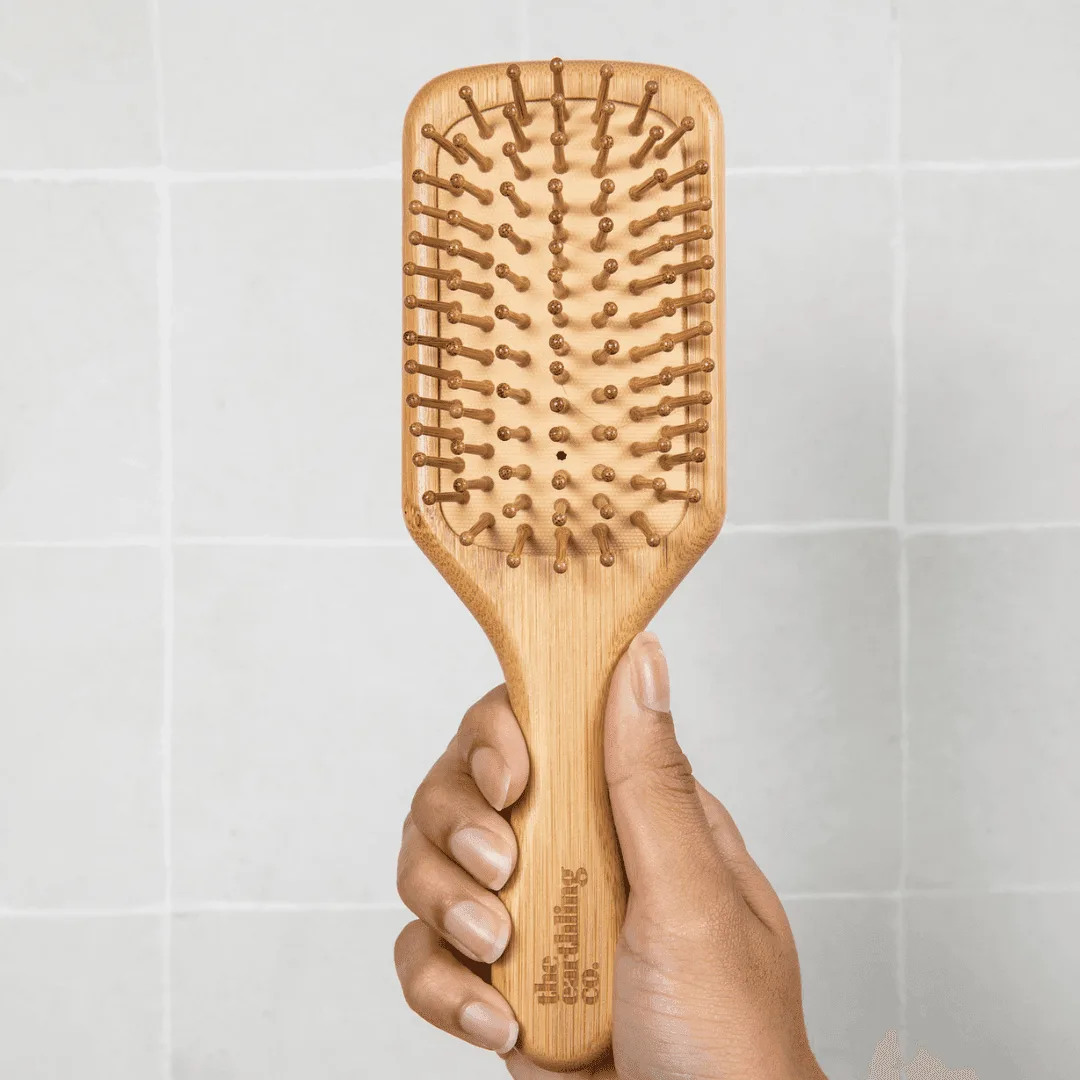
If you don't have the space for a full second set, prioritize the tools that are hardest to clean thoroughly. Porous items like wooden spoons, plastic cutting boards, and non-stick pans with scratches can harbor gluten particles even after washing. Replace these with stainless steel, glass, or silicone alternatives that are easier to sanitize. For example, when baking our Gluten-Free Cinnamon Swirl Bun OR Cinnamon Roll Mix, using a dedicated silicone mat and stainless steel whisk ensures no hidden gluten from a previous baking session.
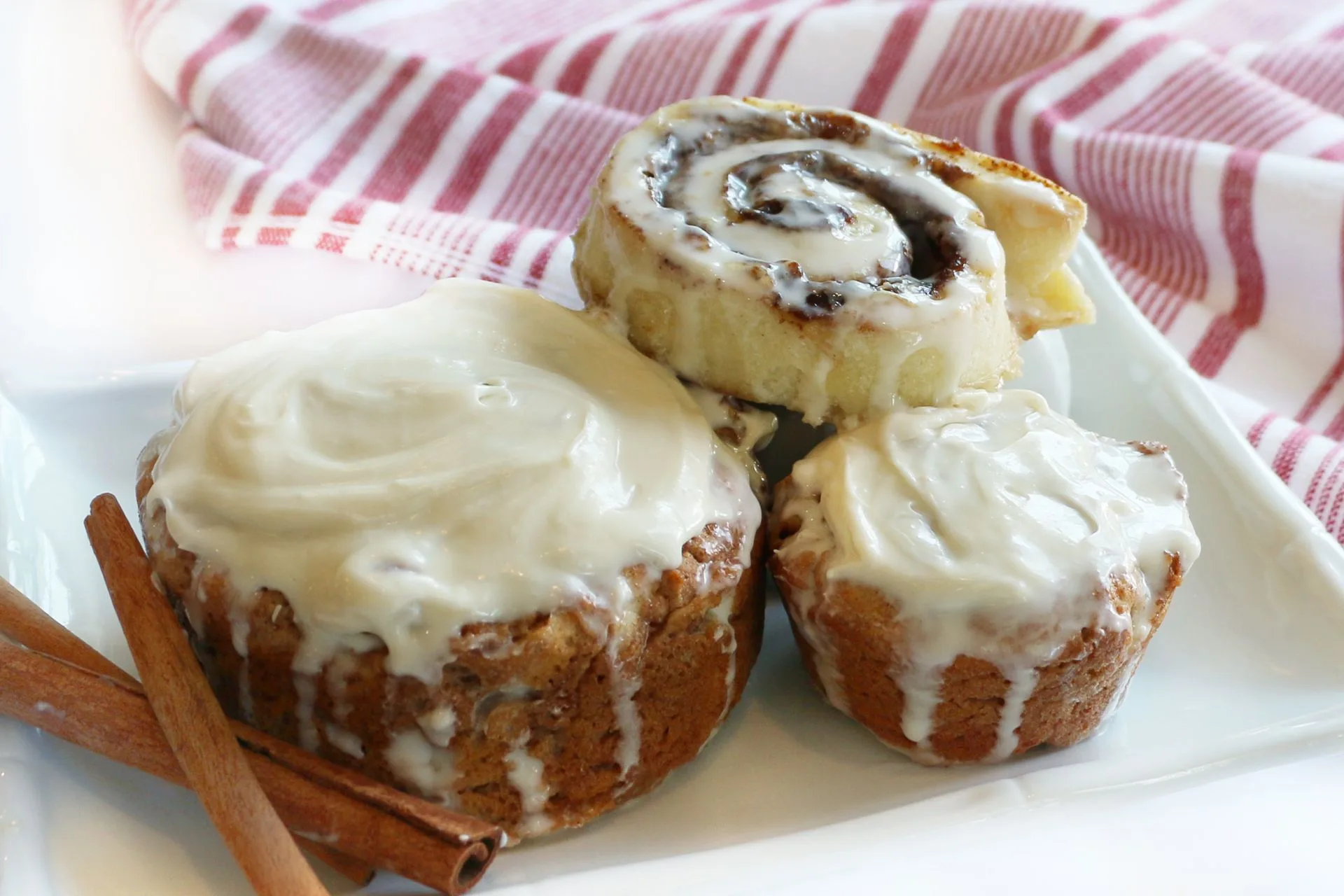
Gluten-Free Cinnamon Swirl Bun OR Cinnamon Roll Mix
Another common culprit is the toaster. If you toast gluten-free bread in a shared toaster, you're almost guaranteed to get crumbs. Invest in a dedicated gluten-free toaster or use toaster bags to create a barrier. Similarly, consider a separate air fryer or toaster oven for gluten-free items if you use them frequently.
- Use color-coded labels or stickers to identify gluten-free tools.
- Choose non-porous materials like glass, metal, or silicone.
- Consider a dedicated toaster or toaster bags for gluten-free bread.
Cleaning Strategies: More Than Just a Wipe
Cleaning surfaces thoroughly is essential, but it's not enough to just wipe down the counter with a damp cloth. Gluten proteins are sticky and can survive on surfaces for long periods. Use hot, soapy water or a gluten-free cleaning spray to wash counters, tables, and appliances. For extra safety, you can use a dedicated sponge or cloth for gluten-free areas, and replace it regularly.
When it comes to sinks, wash all dishes that will come into contact with gluten-free food in hot water with a fresh dose of dish soap. If you have a dishwasher, that's great—the high heat and detergent are effective at removing gluten. Just make sure the dishwasher is not overloaded, and that gluten-containing dishes don't touch gluten-free ones during the cycle.
Don't forget about the little things: oven racks, microwave turntables, and even the handles of cabinets and refrigerators can harbor gluten from flour dust. Wipe them down regularly. If you've had a flour spill, clean it up immediately using a damp paper towel, then follow with a wet wipe. Avoid using a dry cloth, which can just spread the flour around.
- Use separate cleaning cloths for gluten-free zones.
- Wipe down appliance handles and knobs frequently.
- Clean up flour spills immediately with a damp paper towel.
Smart Storage: Keeping Mixes Safe and Separate
Proper storage of gluten-free mixes is just as important as cleaning. Store your mixes in airtight containers, preferably in a cabinet that is not directly above or below where you store wheat flour. Flour dust can settle on containers, so wiping them down before opening is a good habit. If you buy mixes in bags, transfer them to labeled containers to avoid confusion.
When you're ready to bake, set up a dedicated gluten-free zone. Clear the counter, wash it, and lay out a clean cutting board or parchment paper. Use separate measuring cups for wet and dry ingredients, and avoid using the same scoop for different flours. If you're using a mix like the Gluten-Free Blueberry Muffin Mix, you might want to measure out the dry mix in a separate bowl before adding wet ingredients to prevent any accidental contamination from a shared measuring cup.
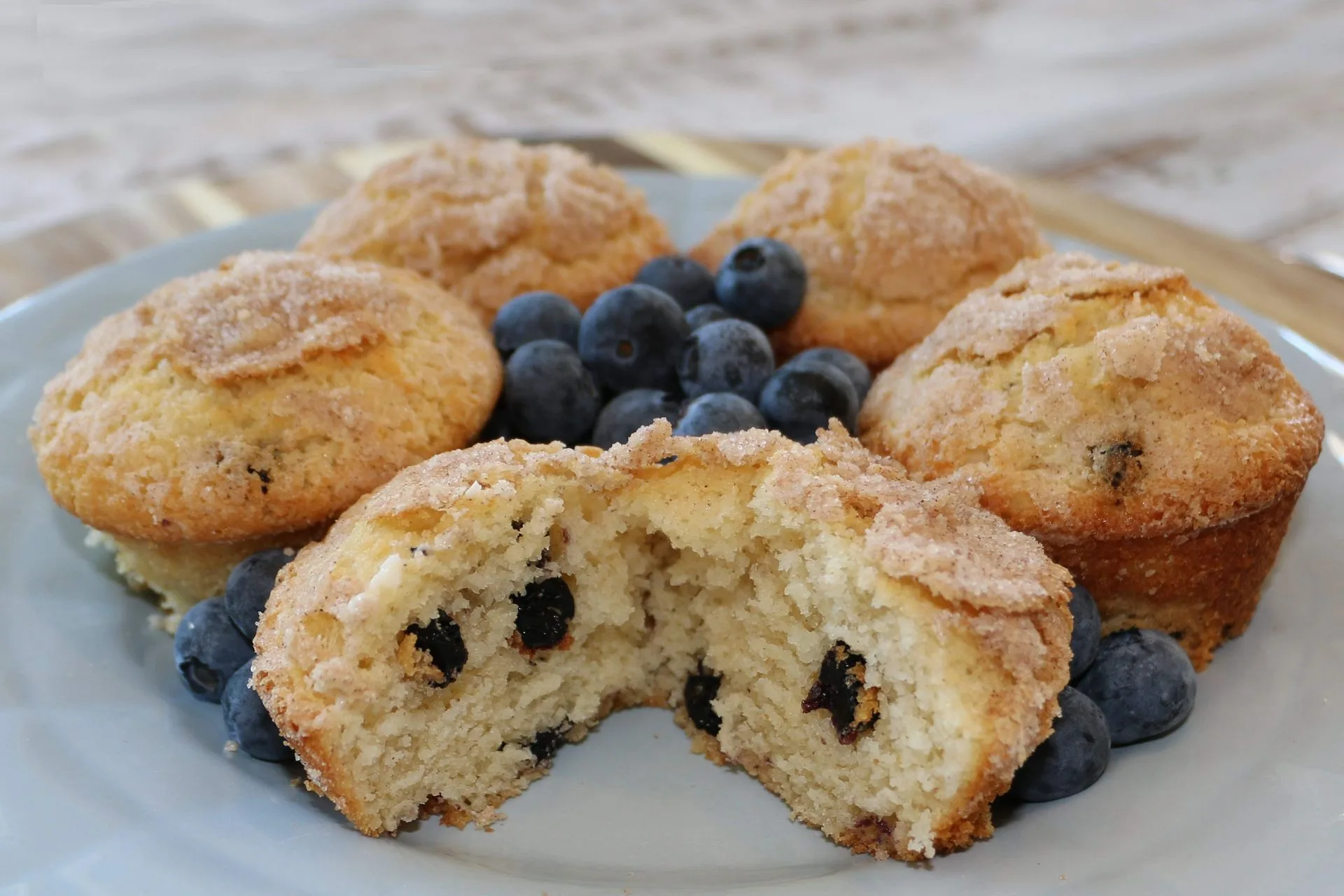
Gluten-Free Blueberry Muffin Mix
Also, be mindful of where you store your gluten-free mixes in relation to gluten-containing foods. Keep them on a higher shelf or in a separate pantry section. This reduces the risk of someone accidentally grabbing the wrong bag, especially if you have kids or guests in the kitchen.
- Transfer mixes to airtight, labeled containers.
- Store gluten-free items on a higher shelf than gluten-containing ones.
- Create a designated gluten-free baking area on the counter.
During Baking: Preventing Contamination in the Process
Even with dedicated tools and a clean space, the baking process itself can introduce gluten. Always check the ingredient list of any add-ins you use, such as chocolate chips, nuts, or spices, to ensure they are certified gluten-free. If you're using a mix that calls for additional ingredients like eggs or oil, make sure those are not contaminated—for example, use a fresh carton of eggs and a dedicated bottle of oil.
If you're baking multiple items at once, bake gluten-free items first, or better yet, in a separate oven or at a different time. This prevents flour or crumbs from falling into your gluten-free batter. When you're done, clean the entire area again before using it for gluten-containing baking.
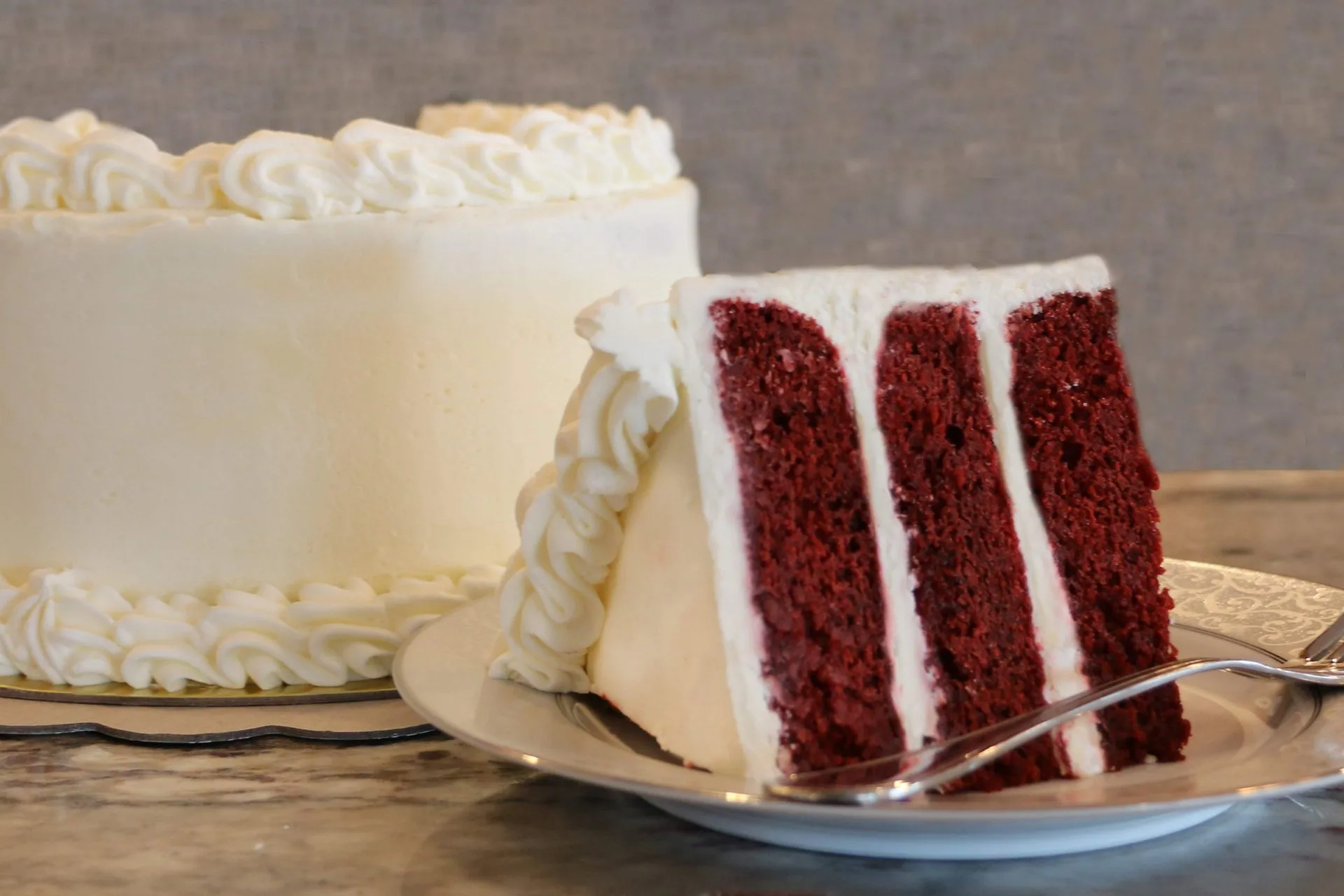
For mixes like the Gluten-Free Red Velvet Cake Mix, which might require a little extra care with food coloring, make sure your mixing bowl and beaters are spotless. Any residue from a previous gluten-containing cake could easily transfer. Also, be cautious with shared appliances like stand mixers—if you use the same bowl and whisk for gluten-free and regular baking, wash them thoroughly between uses, or better yet, have a dedicated set.
- Bake gluten-free items first or in a separate oven if possible.
- Use certified gluten-free add-ins.
- Clean all equipment thoroughly after each use.
Handling Leftovers and Storage of Finished Goods
Once your gluten-free baked goods are done, store them properly to avoid contamination from other foods in the fridge or pantry. Use airtight containers or zip-top bags, and label them clearly. If you're storing them in a shared fridge, keep them on a separate shelf or in a dedicated drawer. Avoid storing them next to open containers of gluten-containing foods that might spill or crumb.
If you're freezing gluten-free bread or muffins, wrap them well in plastic wrap and then place them in a freezer bag. This prevents freezer burn and also keeps them from absorbing any gluten particles from other frozen items. When you're ready to eat, take out only what you need and thaw them in a clean area.
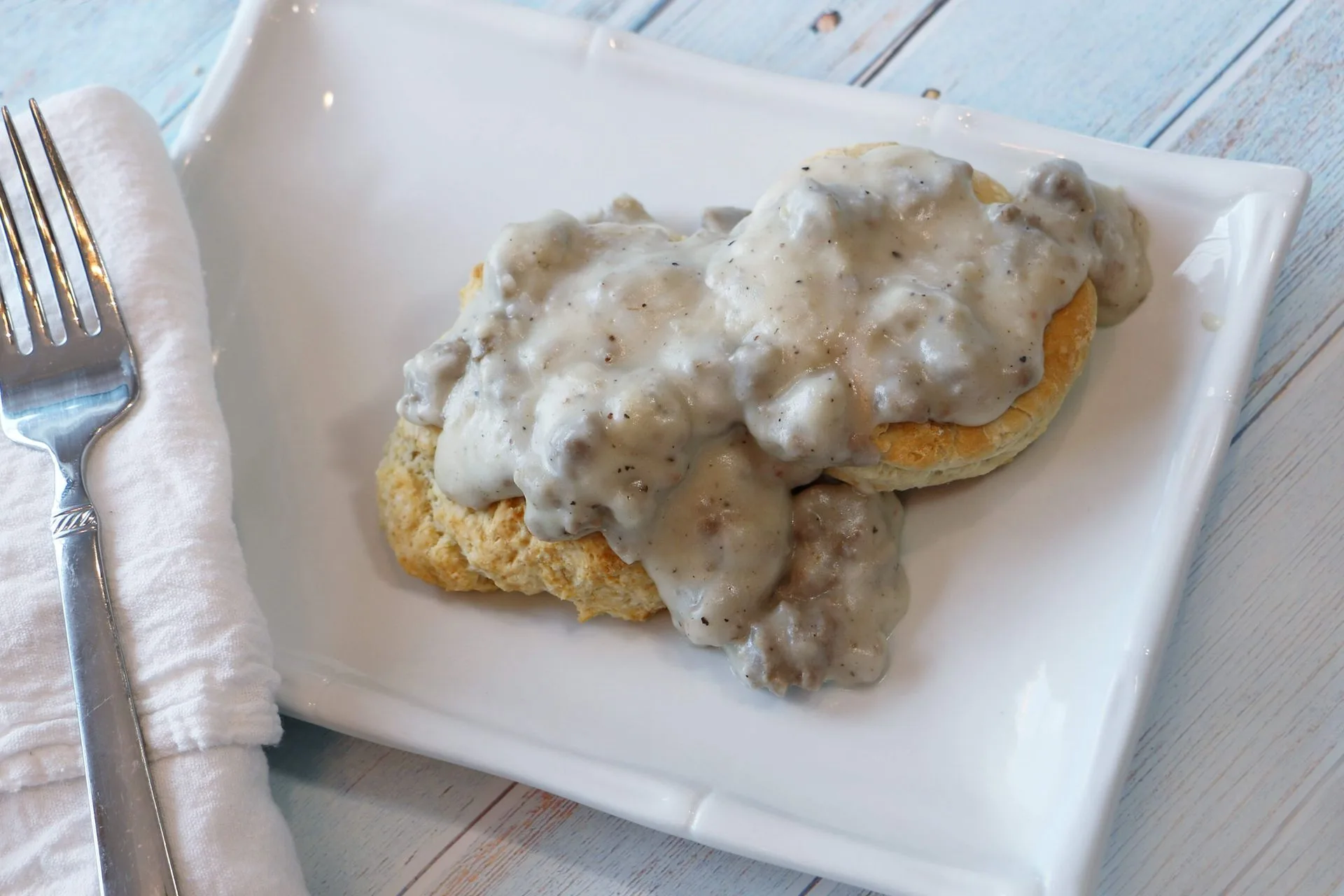
For mixes like the https://momsplaceglutenfreervz.com/products/gluten-free-country-gravy-mix-ws-3ac0613dadff75fbfd5b15ba-447472Gluten-Free Country Gravy Mix (WS), which you might use for a quick meal, make sure the pot and whisk you use are clean and dedicated. Store the prepared gravy in a labeled container and consume it within a few days. If you have leftovers, reheat them in a clean saucepan, not in a shared microwave that might have splatters from gluten-containing meals.
- Store gluten-free baked goods in airtight, labeled containers.
- Use separate shelves in the fridge and freezer.
- Reheat in clean, dedicated cookware.
Involving the Whole Family: Setting Ground Rules
Creating a gluten-free safe kitchen is a team effort. If you share your kitchen with others who eat gluten, it's important to set clear ground rules. Explain the seriousness of cross-contamination and why it's not just a preference but a medical necessity for some. Encourage family members to wipe down counters after using gluten-containing flours, and to always wash their hands before touching gluten-free items.
You might consider designating a specific cabinet or shelf as 'gluten-free only' and using a label maker to mark it. Similarly, you can have a separate cutting board for gluten-free foods and another for regular foods. Some families even go as far as having separate toasters, which is a great idea if you have the space.
If you have kids, make it a fun learning experience. Teach them how to read labels and identify gluten-free certified products. Involve them in baking with you using mixes like the Gluten-Free Scrumptious Sweet Scone Mix, and emphasize the importance of using the right tools. The more they understand, the more they'll be on board with keeping the kitchen safe.
- Educate family members about the risks of cross-contamination.
- Use labels and color-coding to identify gluten-free zones.
- Make gluten-free baking a fun, shared activity.
When Dining Out or Using Shared Kitchens
Cross-contamination isn't just a home kitchen issue. If you're traveling or staying with friends, you might face challenges in a shared kitchen. Always communicate your needs clearly. Ask if they can clean surfaces and utensils thoroughly, or consider bringing your own dedicated tools and mixes. Carry a small kit with a gluten-free cutting board, a knife, and a few utensils to ensure you have safe options.
If you're using a vacation rental, check if the kitchen has been cleaned properly. You might want to do a deep clean yourself before cooking. Using disposable aluminum pans and parchment paper can also help create a barrier between your food and any lingering gluten.
For those times when you're baking away from home, having a reliable mix like the Gluten-Free Soft Pretzel Bites with Sea Salt Mix can be a lifesaver. Just make sure you have a clean workspace and the right tools. And if you're unsure about the safety of a shared kitchen, it's always better to err on the side of caution and choose a simpler recipe or a certified gluten-free restaurant.
- Carry a portable gluten-free toolkit when traveling.
- Deep clean shared kitchen surfaces before use.
- Use disposable pans and parchment paper for extra protection.
Keeping your kitchen safe from gluten cross-contamination is an ongoing process, but it doesn't have to be overwhelming. By implementing these practical tips—dedicated tools, thorough cleaning, smart storage, and clear communication—you can enjoy baking with your favorite gluten-free mixes without worry. Remember, every step you take to protect your kitchen is a step toward better health and peace of mind. For more delicious and safe baking options, explore our selection of gluten-free mixes, like the Gluten-Free Cinnamon Swirl Bun OR Cinnamon Roll Mix, and create treats that everyone can enjoy safely.