Quick answer
For most weeknights, a gluten-free chocolate pudding mix wins on speed and consistency: you get creamy texture and chocolate flavor without sourcing starch blends or watching a double boiler. Homemade pudding wins when you want to control sweetness, use a specific milk, or already keep cornstarch and cocoa on hand. Cost per serving usually favors the mix once you account for specialty ingredients.
Taste and texture: what actually differs
The biggest gap is not flavor intensity; it is how reliably you hit a creamy set. A gluten-free chocolate pudding mix is formulated to thicken without wheat, so it is less likely to turn gritty or watery if you follow the package directions. Homemade gluten-free pudding depends on your starch choice and cooking technique. Too little starch gives you chocolate soup; too much gives you a pasty, gluey texture. If you cook homemade pudding, whisk constantly and let it cool fully before judging the set, because it thickens more as it chills.
Flavor is more adjustable at home. You can use darker cocoa, less sugar, or a pinch of salt. A mix locks in a consistent chocolate profile, which is helpful when you are making a pie or trifle and want the filling to behave the same way every time.
Cost per serving: mix vs. homemade
Homemade pudding looks cheaper because you buy staples in bulk, but gluten-free home bakers often keep multiple specialty starches and flours on hand, and those add up. A pudding mix concentrates the thickener and flavor into one package, so your per-serving cost is predictable and you avoid buying an ingredient you will only use once.
To compare fairly, price out one batch of homemade pudding using the exact ingredients you would need to buy, then divide by the number of servings. If you already stock cornstarch, cocoa, and your preferred milk, homemade can be cheaper. If you are starting from an empty pantry, the mix usually wins on both cost and waste.
Where each option fits in a gluten-free kitchen
Use a mix when you need dessert to be a background task. It is also the safer choice for a shared kitchen where cross-contact with wheat flour is a concern, because you are not measuring from open bags of starch that may have been used for other baking. Use homemade when you are cooking for someone who needs to avoid a specific ingredient in the mix, or when you want to adjust sugar and fat for a medical or personal preference.
One practical middle path: keep a gluten-free pudding mix for pies and trifles, and make homemade pudding only for simple bowls where texture is less critical. That way you are not troubleshooting a from-scratch set on a holiday.
How to get better results from either route
For mix-based pudding, use the liquid and cook time the package specifies, then chill before serving so the texture firms. For homemade, choose a recipe written for gluten-free starches rather than adapting a wheat-based custard, and strain the base if you are worried about lumps. In both cases, cool pudding uncovered for a few minutes, then press plastic wrap to the surface to prevent a skin.
If you are building a dessert beyond a bowl of pudding, plan the crust and topping separately. A pudding mix gives you a reliable filling; the crust and add-ins are where you can still customize.
Trade-offs at a glance
- Consistency vs. control: A gluten-free chocolate pudding mix is formulated to set reliably, but you cannot easily change sweetness or thickness. Homemade lets you adjust both, but you have to manage the starch and cook time yourself. Pick the mix for repeatable results; pick homemade when you need to tweak the recipe.
- Time vs. ingredient cost: The mix is faster and avoids buying specialty starches you may not use again. Homemade can be cheaper per serving if you already stock the ingredients, but it adds cooking and cooling time. Compare your actual pantry, not the idealized one.
- Allergen management vs. flexibility: A dedicated gluten-free mix reduces the risk of cross-contact from open flour or starch bags. Homemade gives you full visibility into every ingredient, which matters if you also avoid dairy, corn, or other allergens. Check the mix label against your full allergen list before deciding.
Product facts
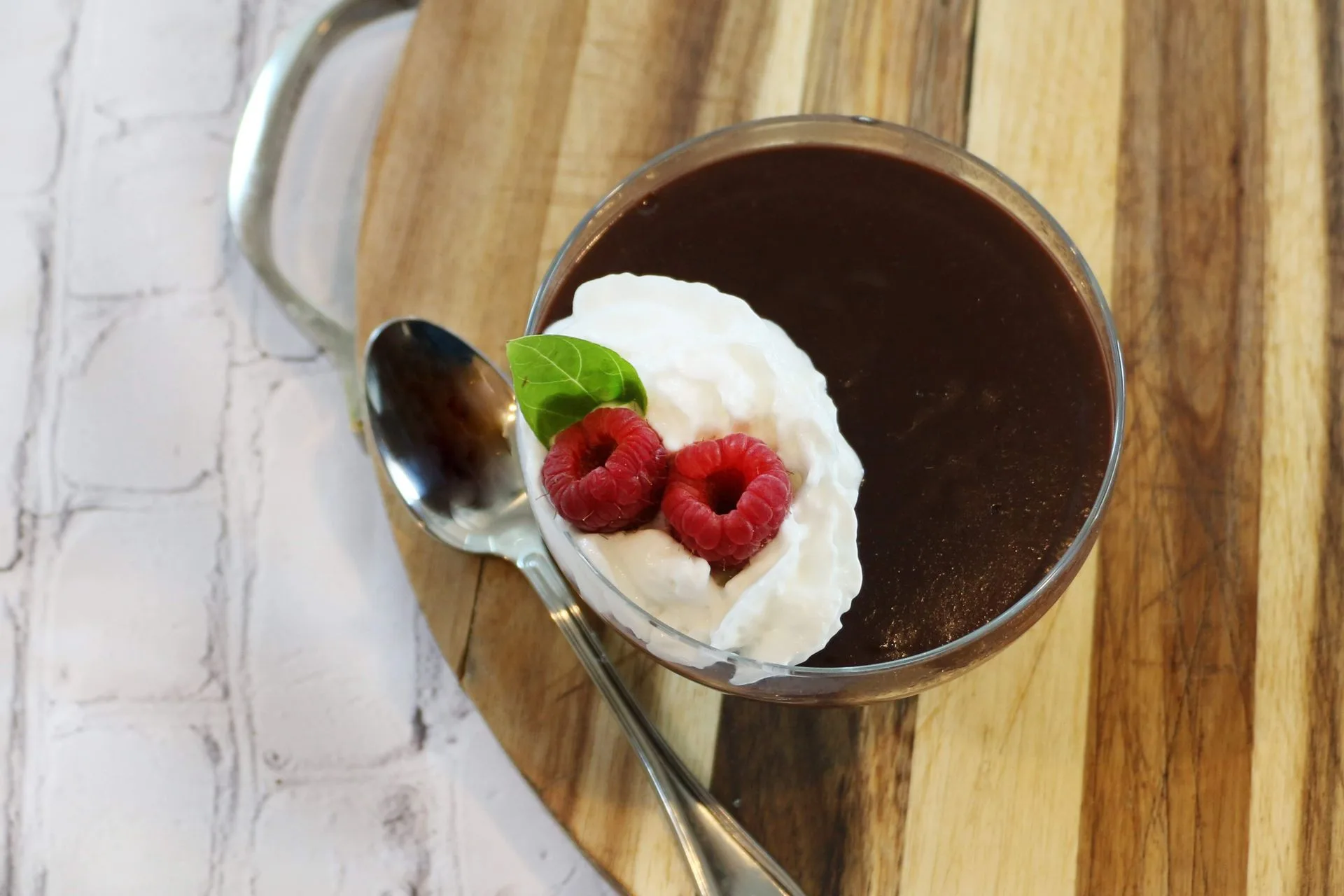
- Gluten-Free Creamy Chocolate Pudding Mix: Mom's Place Gluten-Free Chocolate Pudding Mix is described as creamy in texture and full of chocolate flavor, and is positioned as versatile for standalone desserts, pies, cookies, or trifles. This is the practical choice when you want a consistent chocolate filling without sourcing a gluten-free thickener blend, and it scales from a simple bowl to a pie.
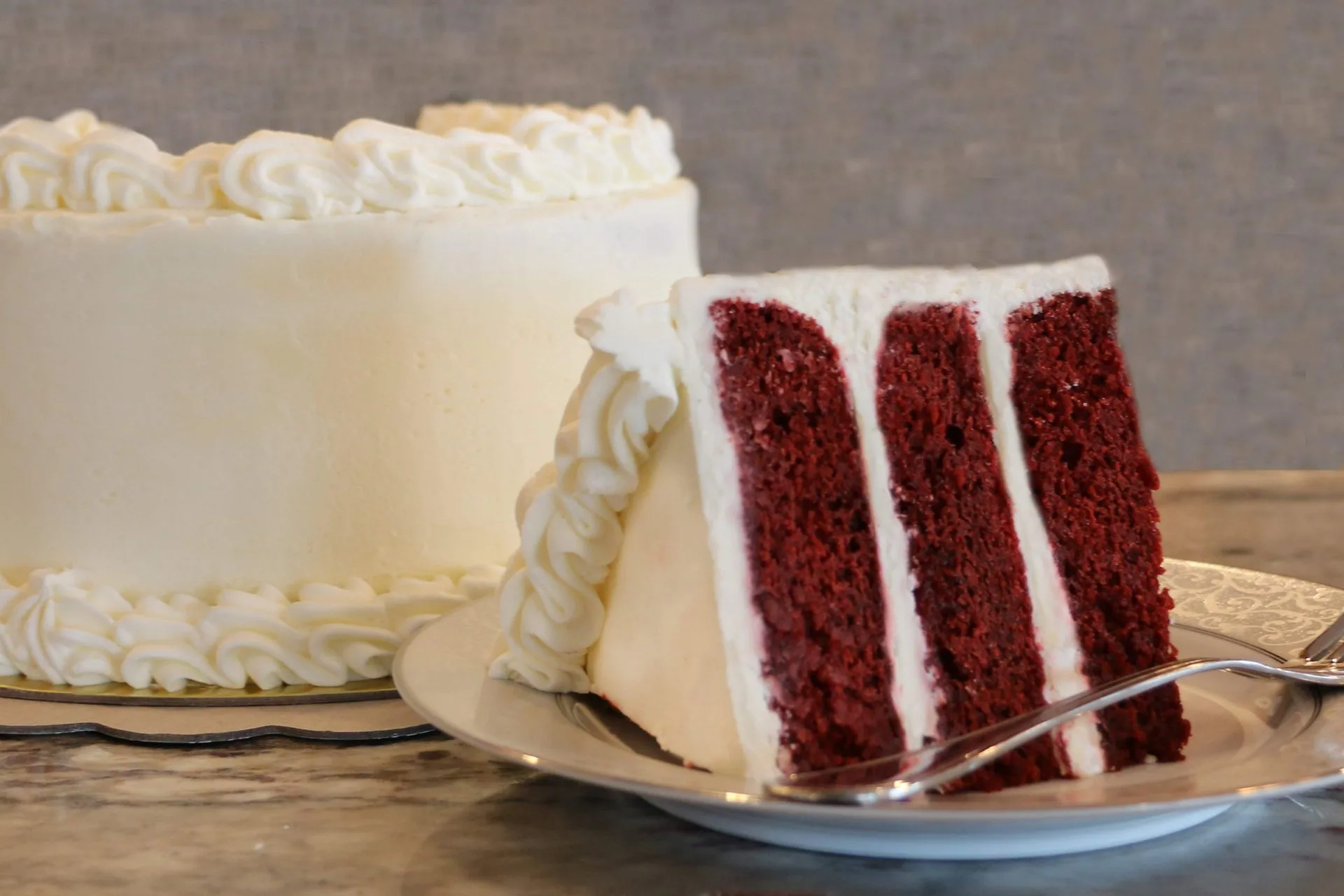
- Gluten-Free Red Velvet Cake Mix: Mom's Place Gluten-Free Red Velvet Cake Mix is described as rich, decadent, and moist, with subtle chocolate and vanilla notes and a slight tanginess from buttermilk. If your pudding is part of a larger dessert, this mix gives you a complementary cake layer with a distinct flavor profile rather than a plain chocolate base.
Which should you choose?
Best for
- Weeknight desserts when you want creamy chocolate pudding without measuring starches
- Gluten-free pies, trifles, and layered desserts that need a dependable filling
- Cooks who want to avoid cross-contact risk from shared flour or starch bags
Not for
- Anyone who needs to control sugar, fat, or specific ingredients beyond gluten
- Cooks who already keep gluten-free starches and want to use them up
- People who prefer a from-scratch custard texture and do not mind the extra time