Quick Answer
Most gluten-free sourdough issues stem from hydration, fermentation time, or handling. Start with a reliable blend like https://momsplaceglutenfreervz.com/products/gluten-free-sourdough-flour-blend-refill-ws-cbdebc1c6a59480546c7f875-447349Gluten-Free Sourdough Flour Blend REFILL (WS), adjust your water ratio, and use the 'finger test' to gauge doneness. If problems persist, check your starter's activity and consider adding a binding agent like xanthan gum.
Baking gluten-free sourdough can be a rewarding but sometimes frustrating experience. Even with a high-quality flour blend, you might encounter dense loaves, sticky dough, or a lack of rise. The good news: most issues have simple fixes. This guide walks you through common problems and provides practical solutions to help you achieve bakery-worthy results.
We'll focus on using Mom's Place Gluten-Free Sourdough Flour Blend REFILL (WS), a versatile 2-pound blend designed for sourdough pancakes, waffles, and scones. By understanding the science behind gluten-free baking, you can troubleshoot effectively and enjoy consistent outcomes.
Why Gluten-Free Sourdough Acts Differently
Gluten-free flours lack the elastic proteins that give traditional bread structure. This means your dough won't stretch or hold gas the same way. Instead, you rely on starches and gums to create structure. Recognize that your dough will be stickier and more fragile—this is normal and not a sign of failure.
Hydration levels also play a critical role. Gluten-free flours absorb more water than wheat flour, so your dough may feel wetter than you expect. Resist the urge to add too much extra flour; instead, trust the recipe and use a wet spatula or damp hands to handle the dough.
- Use a kitchen scale for accurate measurements—volume can vary greatly.
- Let the batter rest for 20-30 minutes after mixing to allow the flours to hydrate fully.
Problem 1: Dense or Gummy Texture
A dense, gummy crumb often results from under-fermentation or insufficient steam during baking. Gluten-free dough needs a longer rise time because the starches take longer to break down. If your loaf is heavy, try extending the bulk fermentation by 30-60 minutes, or until the dough has visibly increased in size.
Another culprit is over-mixing, which can deflate the air bubbles you've worked to create. Mix just until combined, then let the dough rest. Also, ensure your oven is hot enough—bake at the temperature specified in your recipe, and consider adding a pan of water to create steam for a lighter crust.
- Test for doneness with a digital thermometer: the internal temperature should reach 205°F (96°C).
- If the crumb is gummy, slice the bread when completely cool—cutting too early can compress the structure.
Problem 2: Sticky Dough That Won't Shape
Sticky dough is a hallmark of gluten-free baking, but it can be managed. The key is to use a well-floured surface and wet hands. Instead of traditional kneading, use a 'stretch and fold' technique in the bowl. This helps develop structure without overworking the dough.
If your dough is excessively sticky, it may be over-hydrated. Reduce the water by 10-15% next time, or add a tablespoon of gluten-free flour blend at a time until the dough holds together. Remember, a slightly sticky dough is better than a dry, crumbly one—you can always add more flour, but you can't remove it.
- Use a bench scraper to lift and turn the dough without sticking.
- Dust your proofing basket generously with rice flour to prevent sticking.
Problem 3: Weak Rise or Flat Loaf
A flat loaf usually indicates that your starter isn't active enough or the dough didn't ferment long enough. Your gluten-free sourdough starter should be bubbly and double in volume within 4-6 hours of feeding. If it's sluggish, feed it more frequently or keep it in a warmer spot (75-80°F).
Also, check the freshness of your flour blend. Gluten-free flours can go rancid quickly, especially if stored in a warm pantry. Store your blend in an airtight container in the fridge or freezer to extend its shelf life. Using a fresh, high-quality blend like Gluten-Free Sourdough Flour Blend REFILL (WS) ensures optimal performance.
- Perform a float test: drop a spoonful of starter into water—if it floats, it's ready to use.
- Bake in a preheated Dutch oven to trap steam and promote oven spring.
Diagnosis: Identifying and Fixing Your Sourdough Issues
- Symptom: Dense, heavy loaf: Check fermentation time and oven temperature. Extend proofing until dough has risen 50%, and bake with steam. If still dense after adjustments, your starter may need a few more feedings to become vigorous.
- Symptom: Sticky, unmanageable dough: Reduce hydration slightly or use wet hands and a bench scraper. Allow dough to rest after mixing. If dough remains overly sticky, consider adding a teaspoon of xanthan gum to improve structure.
- Symptom: Flat loaf with poor rise: Test starter activity with a float test. Ensure starter is bubbly and doubles within 4-6 hours after feeding. If starter is active but loaf still flat, try a longer bulk fermentation or a hotter oven preheat.
Product Facts: How Mom's Place Blends Help
- Gluten-Free Sourdough Flour Blend REFILL (WS): This 2-pound refill blend is designed to be used with your prepared sourdough start to make pancakes, waffles, and scones with included recipes. Having a reliable base blend simplifies troubleshooting—you can focus on technique rather than worrying about inconsistent flour performance.
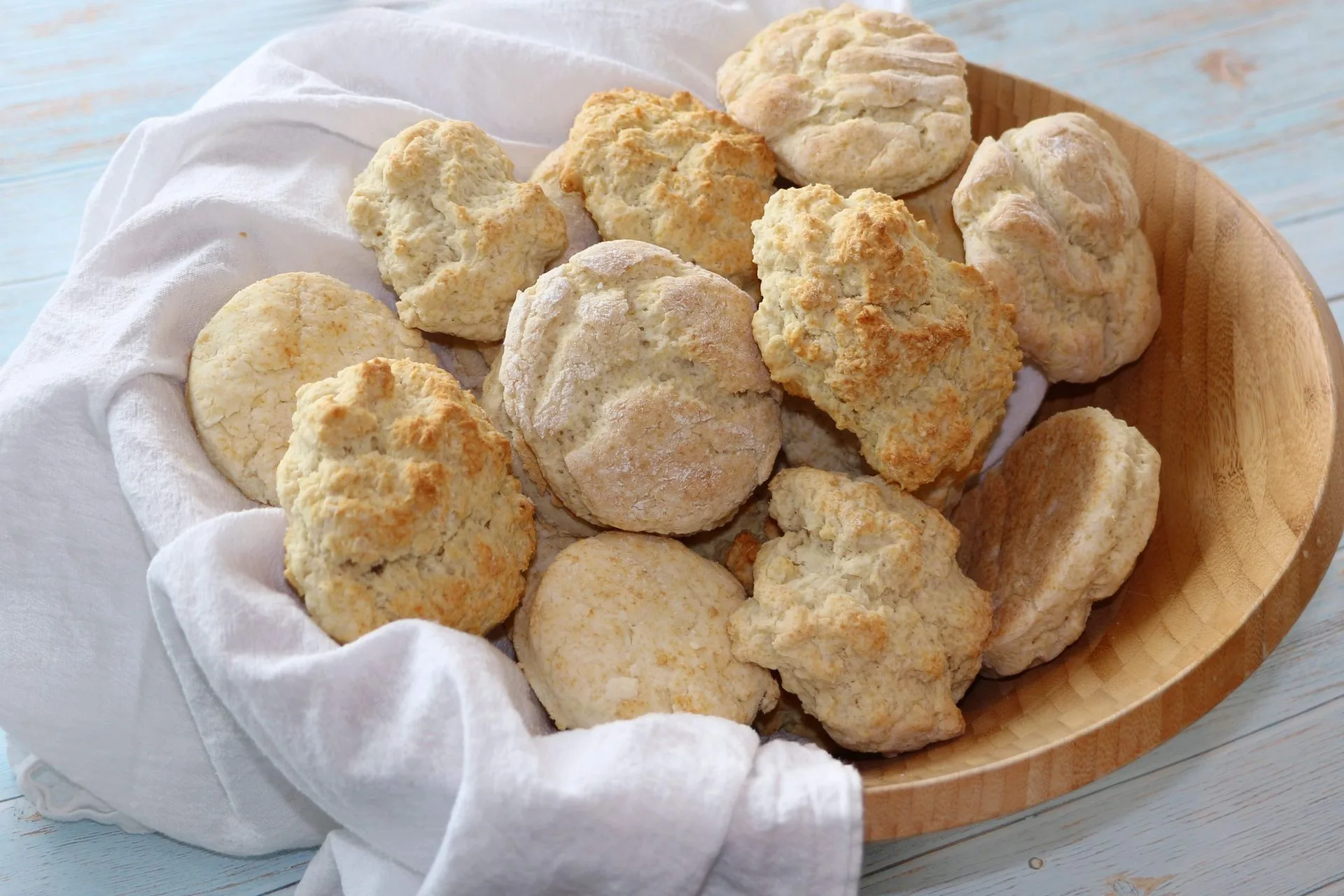
- Gluten-Free Buttermilk Biscuits Mix: This mix creates fluffy, flaky, and buttery biscuits with only a few added ingredients, and can be used for biscuits and gravy or dumplings. If your sourdough loaf isn't cooperating, this versatile mix offers a quick and forgiving alternative for breakfast or dinner sides.
With these troubleshooting strategies, you can overcome common gluten-free sourdough challenges and enjoy delicious, homemade bread. For a reliable flour blend, try the Gluten-Free Sourdough Flour Blend REFILL (WS) and explore other versatile mixes like the Gluten-Free Buttermilk Biscuits Mix for quick and tasty alternatives. Happy baking!