Quick answer
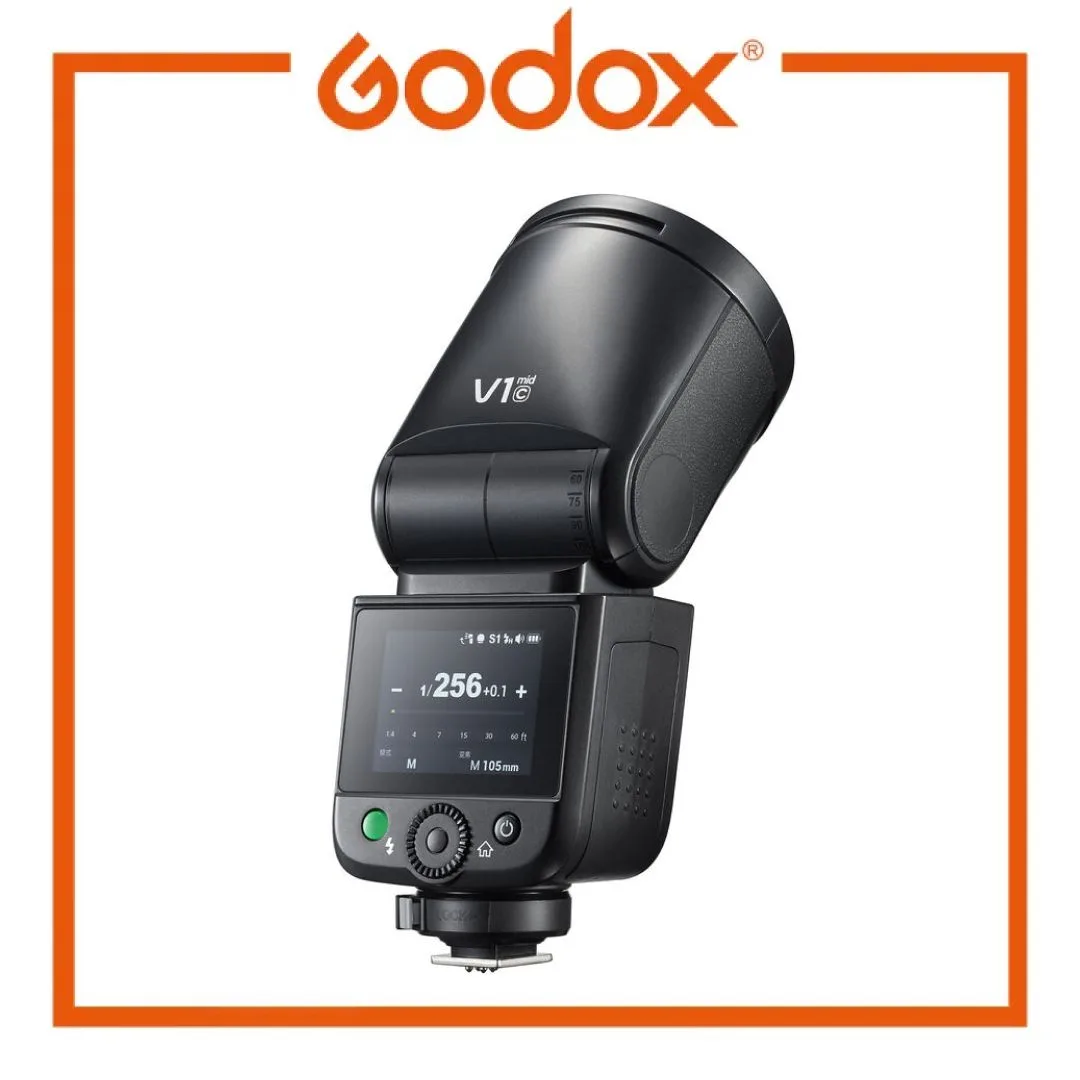
Choose the Godox V1 mid if you want softer, round-head light for portraits and events, TTL exposure, and a self-contained kit with battery and charger. Choose a conventional speedlight if you need the smallest possible shoe-mounted unit or already own one and are comfortable with its rectangular beam. The V1 mid is the more versatile on-camera flash for people photography; a speedlight is the lighter, simpler travel choice.
Round head vs rectangular speedlight beam
The most visible difference is the head. The Godox V1 mid uses a compact round head designed for even, soft light. A typical speedlight uses a rectangular fresnel head that throws a more rectangular beam pattern. In practice, the round head spreads light more evenly across the frame, which matters when you bounce off a ceiling or use a modifier. A rectangular head can be more efficient at throwing light straight ahead, but it often needs more diffusion to look flattering on skin.
If you shoot portraits or events and want the flash to blend with ambient light, the round head gives you a gentler starting point. If you mostly need fill flash at a distance or want the smallest possible kit, a speedlight’s rectangular head is not a disadvantage.
TTL, manual, and wireless control
Both the Godox V1 mid and most modern speedlights offer TTL automatic exposure, manual power control, high-speed sync, and rear-curtain sync. The V1 mid adds a 2.4 GHz X wireless radio system, so you can trigger it off-camera with compatible Godox transmitters or other X-series flashes without adding a separate receiver. That built-in radio is a real convenience for event and portrait work, where you might want a second light on a stand.
A speedlight may rely on optical wireless or require a separate radio trigger, depending on the model. If you plan to grow into a multi-flash setup, check whether your chosen speedlight has built-in radio before you buy.
Power, recycling, and battery life
The Godox V1 mid is rated for up to 650 full-power flashes and a 1.7-second recycling time, with stable continuous shooting. That is enough for a full event or portrait session without swapping batteries. It ships with a rechargeable battery, adapter, and USB-C cable, so you are not buying AA cells on the way to a shoot.
Many speedlights run on AA batteries, which are easy to find but add ongoing cost and waste. Some higher-end speedlights use proprietary battery packs similar to the V1 mid. If you already carry a bag of rechargeable AAs, a speedlight can be simpler; if you want one battery to last a full day, the V1 mid’s included pack is a practical advantage.
Interface and handling
The V1 mid uses a touchscreen interface, which is faster to navigate than the button-and-dial menus on many speedlights, especially when you are changing power or TTL compensation between shots. It also includes an LED modeling light, useful for checking shadows before you fire. A speedlight may offer a simpler layout that some photographers prefer for muscle-memory operation.
Size and weight differ: the V1 mid’s round head and battery make it a bit bulkier than a compact speedlight. On a small mirrorless body, that can affect balance. Try your camera with the flash mounted if possible, or plan to use a bracket or stand for long sessions.
Trade-offs to weigh
- Round head softness vs rectangular efficiency: The V1 mid’s round head gives softer, more even light for portraits, but a rectangular speedlight head can throw light farther with fewer modifiers. Pick the V1 mid for people photography; pick a speedlight if you need maximum reach from a small unit.
- Built-in radio vs optical or add-on triggers: The V1 mid includes a 2.4 GHz X wireless radio system, so off-camera use is straightforward with compatible Godox gear. A speedlight may need an optical trigger or separate radio receiver. If you plan to use two or more flashes, built-in radio saves money and setup time.
- Included battery vs AA convenience: The V1 mid ships with a rechargeable battery and charger, rated for up to 650 full-power flashes. Many speedlights use AA batteries, which are easy to replace but add cost and weight. For long events, the V1 mid’s battery is a practical advantage; for travel, AA availability can be a plus.
- Touchscreen vs button controls: The V1 mid’s touchscreen is quick for changing settings, but some photographers prefer the physical buttons and dials of a speedlight for glove-friendly or fast operation. Try the interface before you commit if you often shoot in changing light.
Product facts
- Godox V1 mid TTL On-Camera Flash: Compact round head for even and soft light; compatible with Canon E-TTL / E-TTL II; 2.4 GHz X wireless radio system; manual, multi, HSS and 2nd curtain sync; up to 650 full-power flashes; 1.7 sec recycling; touchscreen; LED modeling light; includes battery, adapter, USB-C cable, mini stand and storage bag. This is a self-contained TTL flash with built-in radio and a round head, so you can shoot on-camera or trigger it off-camera without extra receivers, and you do not need to buy AA batteries.
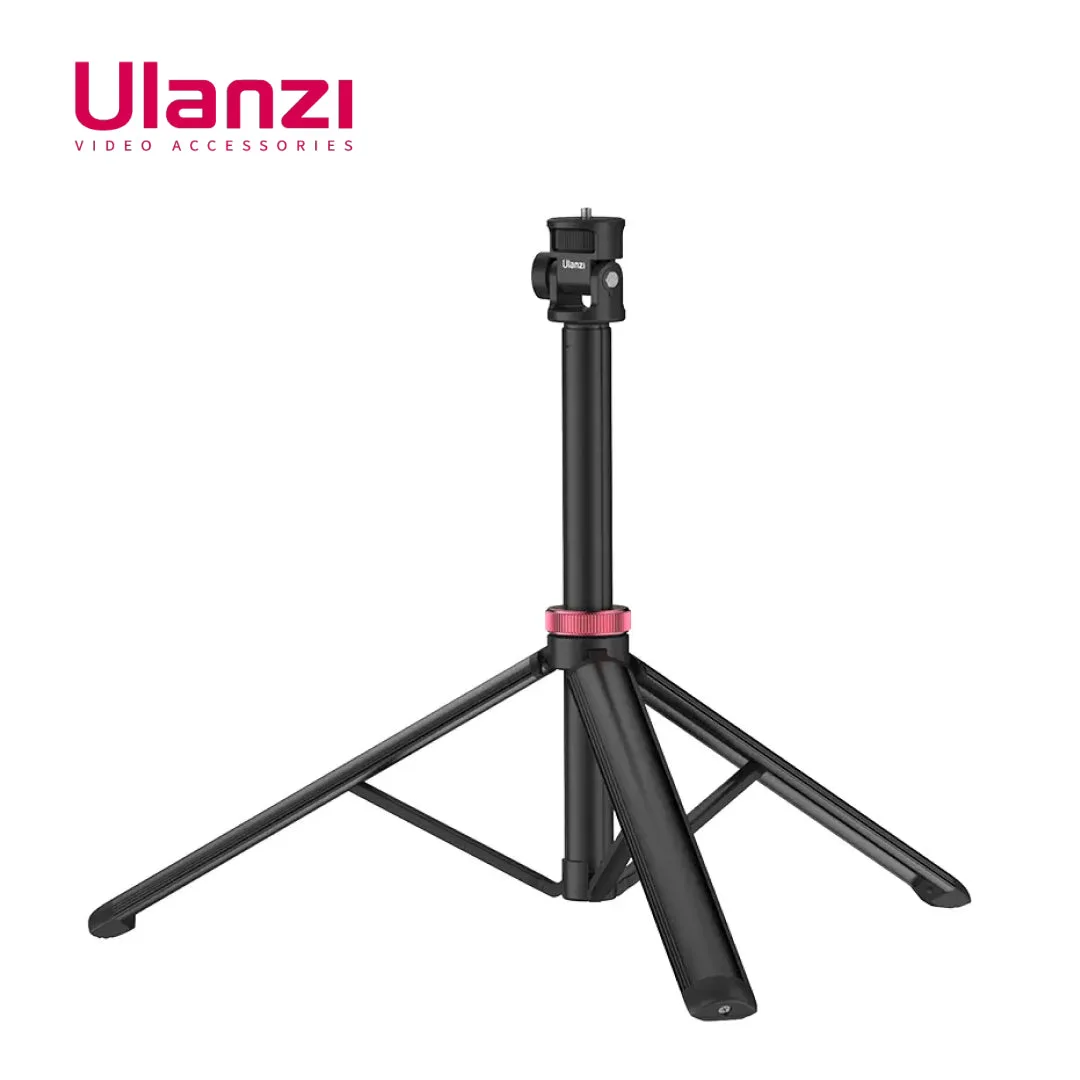
- Ulanzi MT-79 207cm Camera Tripod Stick Light Stand: Portable adjustable light stand with 1/4-inch screw, extends to 207 cm, connects to fill lights, cameras, phone clips, and action cameras. If you want to take the V1 mid off-camera for portraits, this stand gives you a lightweight way to position it without a full studio setup.
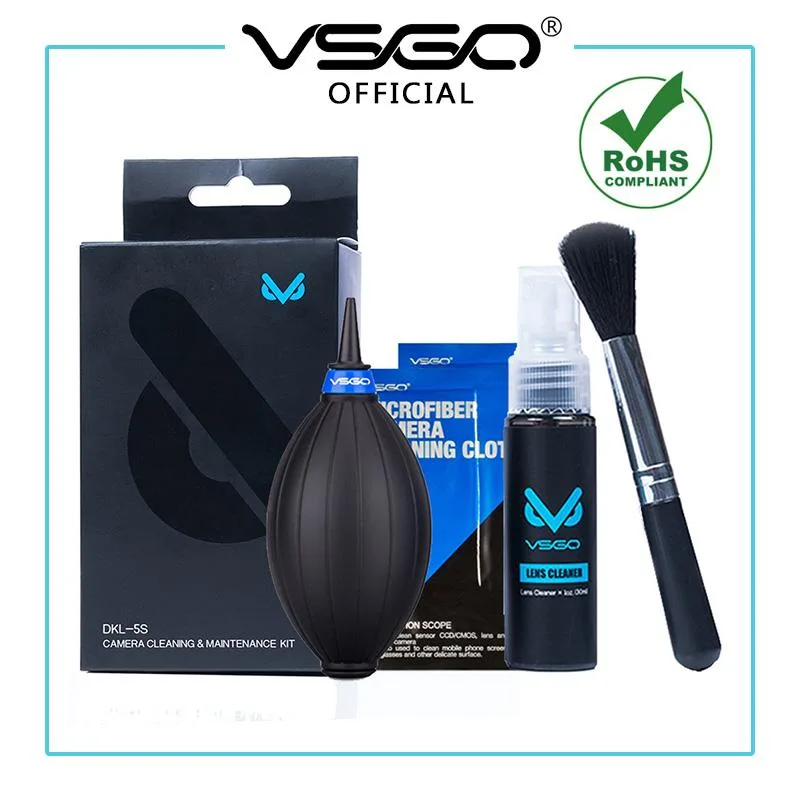
- VSGO DKL-5S Basic Cleaning Kit for Camera Lens and Delicate Optics: VSGO DKL-5S basic cleaning kit for camera lenses and delicate optics; formulated for camera lenses; includes core components for routine cleaning; gentle on coatings and glass. A flash reveals dust and smudges on your lens, so keeping a cleaning kit in your bag helps you avoid spots in portraits and event photos.
Which should you buy?
Best for
- Portrait and event photographers who want soft, even on-camera light and TTL exposure
- Shooters who want built-in radio for off-camera flash without extra receivers
- Photographers who prefer a rechargeable battery and touchscreen control
Not for
- Travelers who need the smallest, lightest possible flash
- Photographers who already own a speedlight system and are happy with it
- Anyone who prefers AA batteries or physical dial controls