Quick Answer
Store your Godzilla puzzle flat, fully assembled or in a sealed bag inside its box, in a room that stays between 60-75°F with 40-50% humidity. Prevent puzzle warping by never stacking heavy items on the box and never storing puzzles in attics, garages, or damp basements. If a piece goes missing, contact the manufacturer or retailer before gluing the puzzle, because gluing locks in the gap permanently.
Why Godzilla Puzzles Warp More Than You Expect
Puzzle board is cardboard, and cardboard moves with moisture. When the air around your puzzle swings from dry winter heating to humid summer air, the board expands and contracts at different rates on the printed side and the back side. That uneven movement is what curls corners and creates the raised ridges you feel when you run a finger across an assembled puzzle.
Godzilla puzzles with large dark areas, like a night-city scene or a deep-ocean backdrop, show warping faster because any lift in the board catches light and casts a shadow. Puzzles with busy, high-contrast artwork hide the same damage until it is advanced.
Storage That Actually Prevents Warping
The safest storage method depends on whether the puzzle is assembled or broken down. For a completed puzzle you plan to keep, slide it onto a rigid backing board slightly larger than the puzzle, cover it with a clean cotton cloth or acid-free tissue, and store it flat on a shelf. Do not lean it against a wall, because gravity pulls the bottom edge out of shape over months.
For a puzzle you take apart, sort pieces into a resealable bag, press the air out, and place the bag back inside the original box. Set the box flat, not on its side. If you stack boxes, put the heaviest at the bottom and never place anything heavier than two puzzle boxes on top of a Godzilla puzzle box.
Avoid attics, garages, and unfinished basements entirely. Those spaces swing in temperature and humidity more than any other room in a home, and that swing is the single biggest cause of warped puzzle board.
- Keep assembled puzzles on a rigid backing board, never directly on fabric or carpet.
- Store broken-down puzzles in a sealed bag inside the original box, laid flat.
- Keep the room between 60-75°F and 40-50% humidity if you can measure it.
- Never store puzzles in attics, garages, or damp basements.
What to Do When a Piece Goes Missing
First, confirm the piece is actually gone. Check the floor under the table, inside the vacuum canister if you vacuumed recently, and the folds of any blanket or tablecloth you used. Pieces hide in plain sight more often than they vanish for good.
If the piece is truly lost, contact the retailer or manufacturer before you glue or frame the puzzle. Some puzzle makers offer replacement pieces for current titles, but that service depends on the specific product and is not guaranteed. If no replacement is available, you have two honest options: display the puzzle with the gap visible and accept it, or retire that copy and buy a fresh one.
Do not glue a puzzle with a missing piece unless you are certain no replacement is coming. Glue makes the gap permanent and removes any chance of swapping in a piece later.
When to Stop Trying to Save a Puzzle
A puzzle with widespread delamination, where the printed layer peels away from the board across multiple sections, is not worth repairing. The same goes for puzzles that have been wet and dried into a wavy shape, or puzzles stored in a flooded space. In those cases, the board itself has failed, and no amount of flattening will restore a clean surface.
If you are buying a Godzilla puzzle as a collectible rather than to assemble, treat it like any paper collectible: keep it in its original shrink wrap if you never plan to open it, and store it flat in a climate-stable room. Once opened, the value drops, so decide before you break the seal.
Diagnosis: Match the Symptom to the Fix
- Curled corners on an assembled puzzle: The top layer of the board has absorbed more moisture than the bottom layer, usually because the puzzle sat in a humid room or near a window. Move the puzzle to a dry, stable room, place it flat under a clean board with light weight for a few days, and stop storing it near windows.
- Wavy surface across the whole puzzle: The puzzle was exposed to a large humidity swing, often from attic or garage storage, and the board has taken on a permanent set. This is usually not reversible. If the artwork still looks good, frame it with a rigid backing; if the waves are severe, replace the puzzle.
- One or two missing pieces: Pieces were likely lost during disassembly, vacuuming, or moving the puzzle between rooms. Search common hiding spots first, then contact the retailer or manufacturer about replacement pieces before gluing anything.
- Peeling print layer: Delamination happens when moisture gets between the printed surface and the board, or when tape was applied directly to the puzzle surface. Stop handling the puzzle, do not apply more tape, and consider whether the damage is isolated or widespread before deciding to keep it.
Collector Context: Why Storage Habits Matter for Godzilla Collectibles
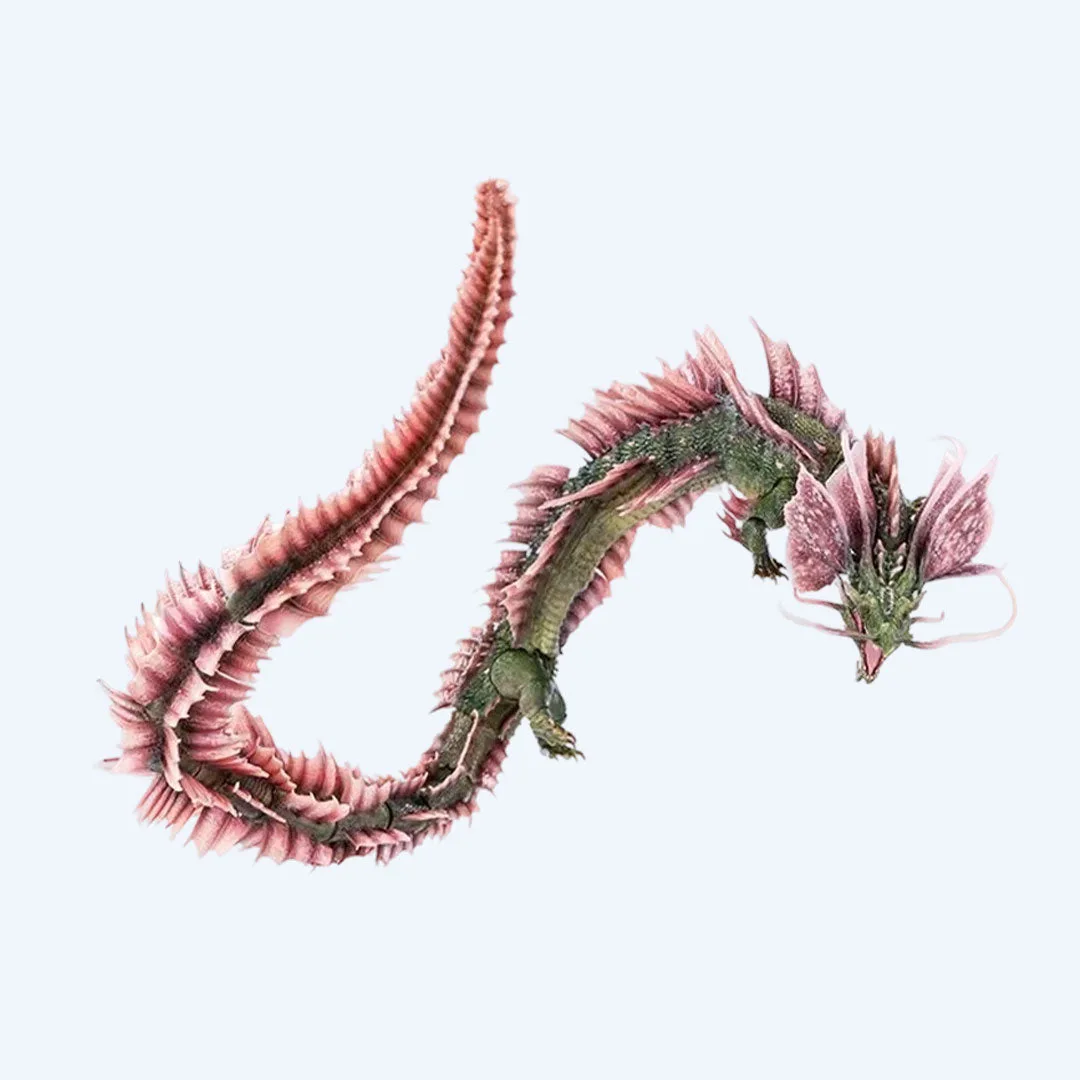
- HIYA Godzilla x Kong: The New Empire Tiamat Exq Basic Series Action Figure: HIYA Godzilla x Kong: The New Empire Tiamat Exq Basic Series Action Figure is a pre-order item with an estimated ship date of April 2027 and limited quantity. If you collect Godzilla merchandise across categories, the same climate rules that protect a puzzle also protect boxed figures. Pre-orders that arrive months later still need a stable shelf, so plan storage space before the box shows up.
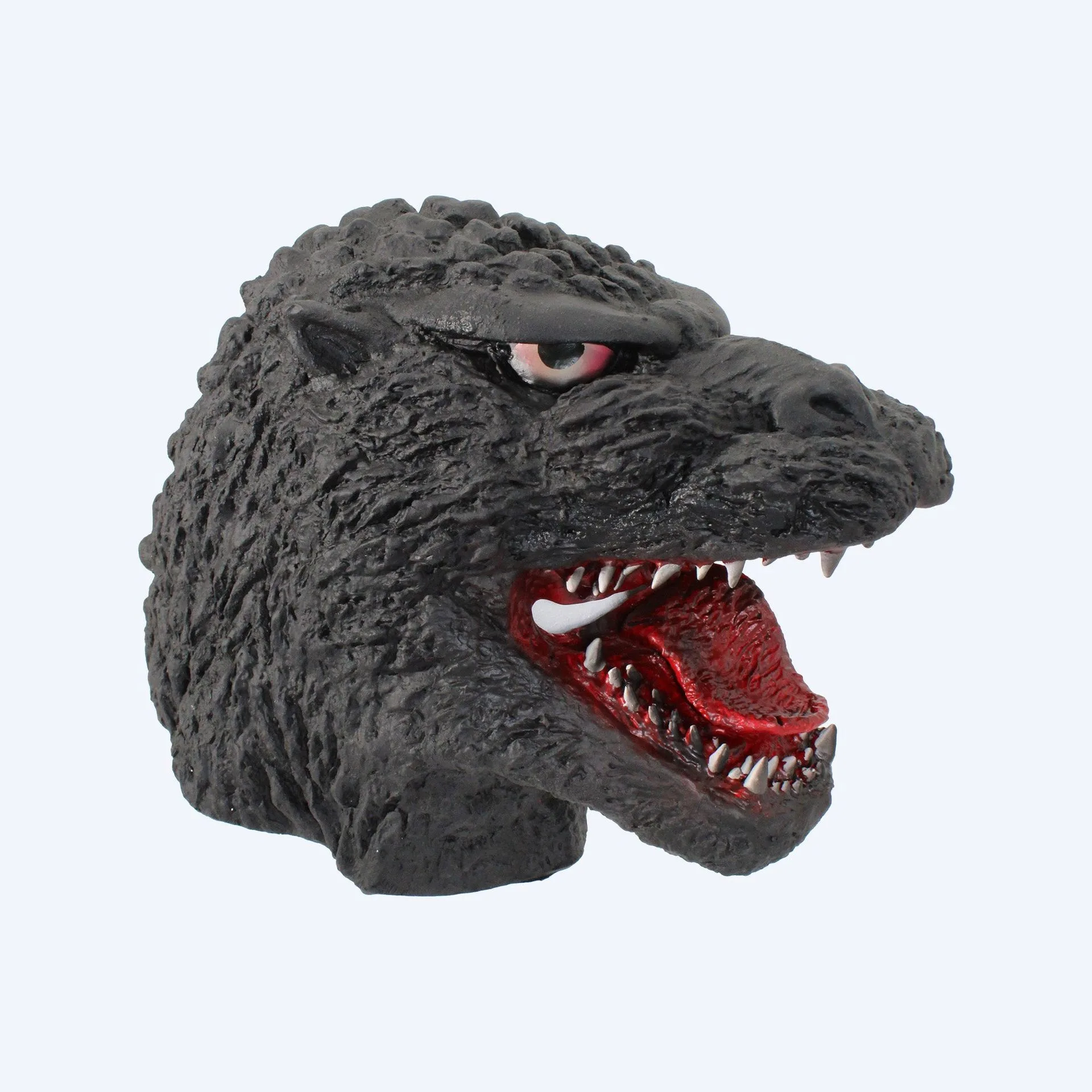
- Godzilla vs. Biollante Mask: Godzilla vs. Biollante Mask is a Godzilla Store Exclusive pre-order with an estimated ship date of September 2026, made from ATBC and PVC, and measures 7.9 inches wide. Masks and puzzles share a common enemy: heat and pressure. A mask stored under heavy boxes can deform, just as a puzzle box can crush the puzzle inside. Keep both on open shelves rather than in packed bins.