Quick answer
For most families, match the puzzle to the youngest person who will actually finish it: 100–300 pieces for kids, 500–1000 pieces for teens and casual adults, and 1000+ pieces for experienced puzzlers. Difficulty comes from piece count, art contrast, and cut style, not from the Godzilla name. Buy the piece count you can complete in one or two sittings, then frame or display it.
A Godzilla puzzle is part toy, part display piece, and part patience test. The right piece count keeps the build fun instead of turning it into a weekend-long chore. The wrong one ends up back in the box by dinner.
This guide gives you concrete decision rules for matching piece count and difficulty to your family, plus what to check before you buy. It also covers how to judge art contrast and cut style so you can pick a kaiju jigsaw puzzle that actually gets finished.
Start with the youngest puzzler, not the biggest fan
The most common mistake is buying for the person who loves Godzilla most. Buy for the person with the least patience or the smallest hands. A 1000-piece puzzle bought for a seven-year-old usually becomes a parent's solo project.
If you want a shared family activity, choose a piece count the youngest participant can contribute to without frustration. That usually means 100–300 pieces for early elementary kids, 300–500 for confident kids and mixed-age groups, and 500–1000 for teens and adults.
- Ages 4–6: 24–100 pieces, large or thick pieces if available.
- Ages 7–10: 100–300 pieces with clear color blocks.
- Ages 11–14: 300–500 pieces, or 500–1000 if they already puzzle regularly.
- Adults and teens: 500–1000 pieces for a relaxed build, 1000+ for a challenge.
Piece count is only half of difficulty
Two 1000-piece puzzles can feel completely different. A high-contrast Godzilla silhouette against a bright sky is far easier than a dark, busy cityscape with dozens of similar windows and rubble textures.
Cut style matters too. Random-cut puzzles slow you down because fewer pieces share obvious shapes. Grid-cut puzzles with repeating knobs can be faster for beginners but can also create false matches in large monochrome areas. If the listing does not state the cut style, treat it as a decision limitation and lean toward art with strong contrast.
- Easy: bold silhouette, few colors, large distinct areas.
- Medium: recognizable scene with some repeating texture.
- Hard: dark tones, dense detail, large sky or water areas.
Match the puzzle to how you will use it
A puzzle you plan to frame should be judged differently from one you will rebuild every rainy day. Display puzzles reward 500–1000 pieces with strong poster-like art and a standard finished size that fits common frames. Rebuildable family puzzles reward durability, a manageable piece count, and art that stays fun after the third build.
If you want a quick gift, a 100–500 piece puzzle is safer than a 1000-piece one. If you want a centerpiece for a collector shelf, a larger piece count with framed art usually looks more intentional.
- Gift for a casual fan: 300–500 pieces.
- Family rainy-day puzzle: 500 pieces with bright art.
- Display piece: 1000 pieces, framed after the first build.
- Collector challenge: 1000+ pieces with dense detail.
Check the box before you commit
Look for the finished dimensions, not just the piece count. A 1000-piece puzzle can finish at very different sizes depending on piece size, and that affects whether it fits your table or frame. Also check the recommended age and any note about missing pieces or replacement policy.
If you are buying for a gift, confirm the return window and whether the box is sealed. Puzzles are easy to regift but hard to verify once opened. When a listing omits finished size, age rating, or cut style, assume you are buying on art alone and choose a piece count you are confident about.
- Finished size matters more than piece count for framing.
- Sealed boxes are safer for gifts.
- Check the return window before buying a large puzzle.
Decision rules for Godzilla puzzle buyers
- Rule 1: Buy for the least experienced puzzler: Choose the piece count that the youngest or least patient participant can finish with help. A puzzle nobody finishes is a failed purchase, no matter how good the art is. If the group spans more than five years of age, default to 300–500 pieces.
- Rule 2: Let art contrast set the real difficulty: A 1000-piece puzzle with a bold Godzilla silhouette is easier than a 500-piece puzzle of a dark, detailed cityscape. Judge the image before you judge the number. When in doubt, pick the higher-contrast art at the same piece count.
- Rule 3: Buy for the second build, not the first: If you will rebuild the puzzle, prioritize durable pieces and art you still enjoy after the novelty fades. If you will frame it, prioritize finished dimensions and frame compatibility. Display buyers should check finished size; family buyers should check age range.
- Rule 4: Treat missing specs as a risk: If finished size, cut style, or age rating is not listed, you cannot plan around it. That is not a dealbreaker, but it means you should buy a piece count you are already comfortable with. No finished size listed? Do not buy it for a specific frame.
How Godzilla collectibles inform puzzle choices
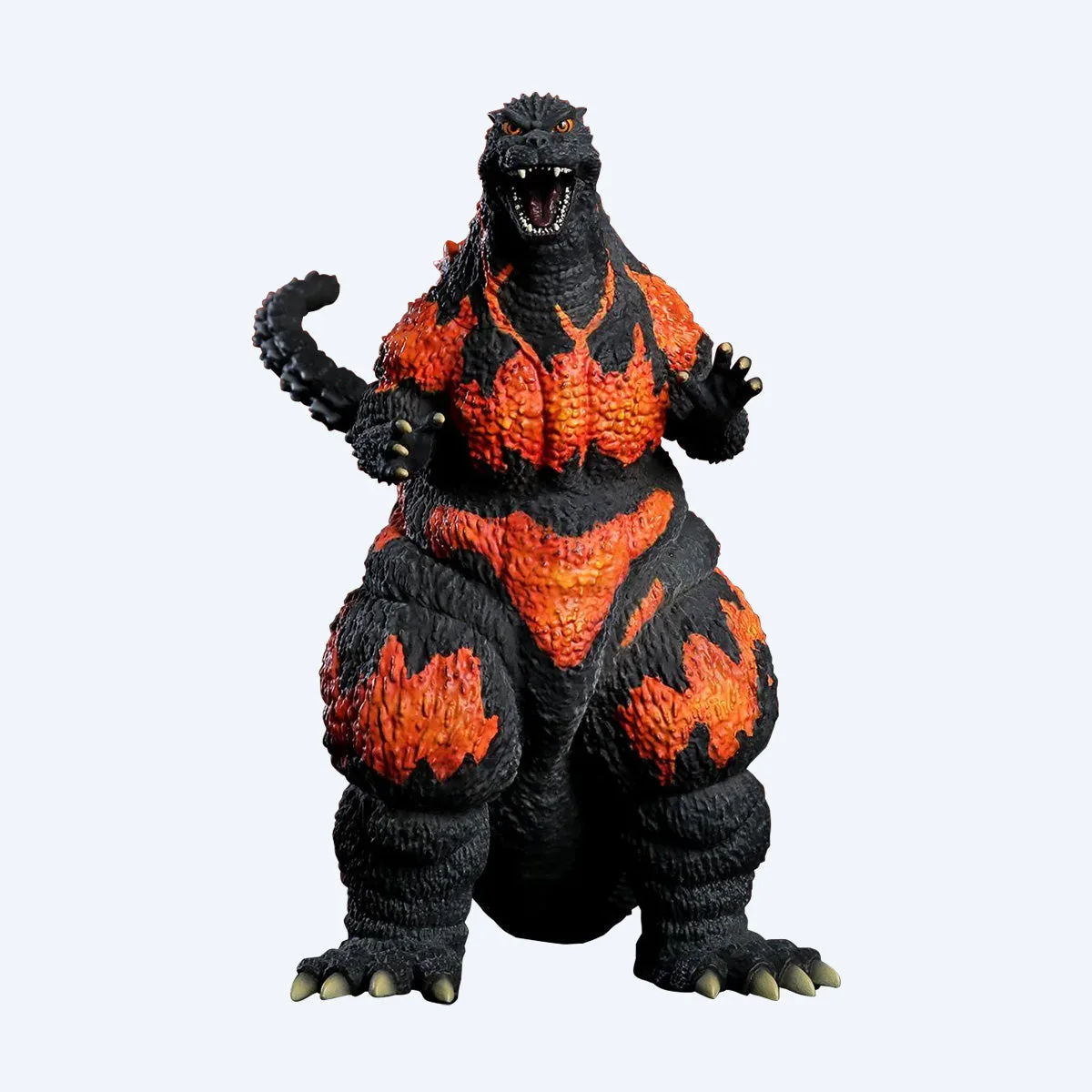
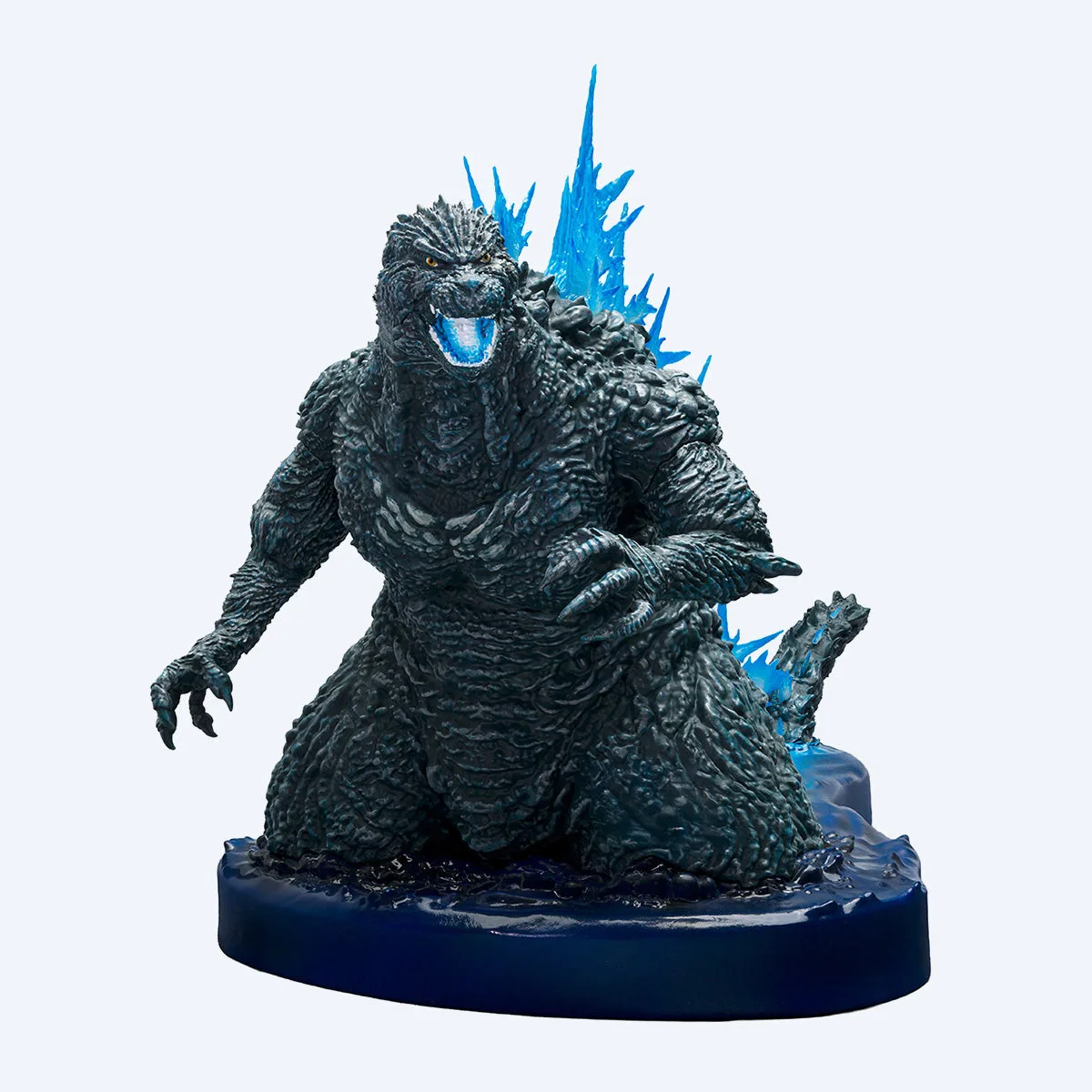
- Godzilla (1995) Kaiju Wars Series Standard Version Figure: This figure stands approximately 17.5 cm tall and is scaled to display alongside Destoroyah and other kaiju in the series. A 17.5 cm figure gives you a concrete scale reference. If you plan to display a finished puzzle with figures, a 500–1000 piece puzzle framed at roughly poster size will not be dwarfed by a compact figure, and the figure can sit on the shelf edge as an accent.
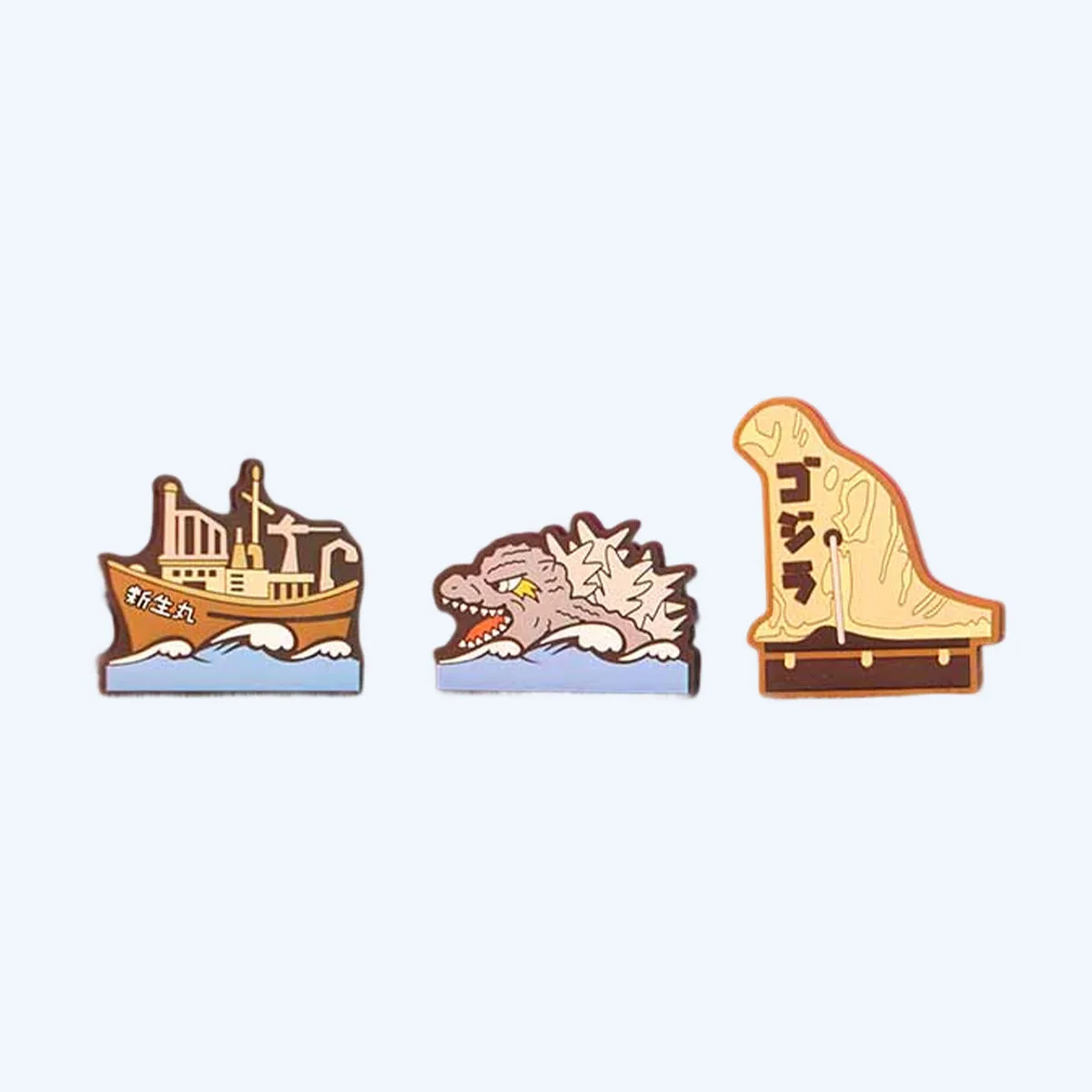
- Godzilla 70th Anniversary Godzilla Minus One (2023) Rubber Figure Set: This Godzilla Store Japan Exclusive set includes PVC figures ranging from 36–75 mm tall, featuring Godzilla, the Shinseimaru ship, and a wooden carving rendering. Small 36–75 mm figures are ideal for placing on top of a framed puzzle or beside a puzzle-in-progress. Their small footprint means they will not cover the art, and the set's multiple pieces give you options for a themed puzzle corner.
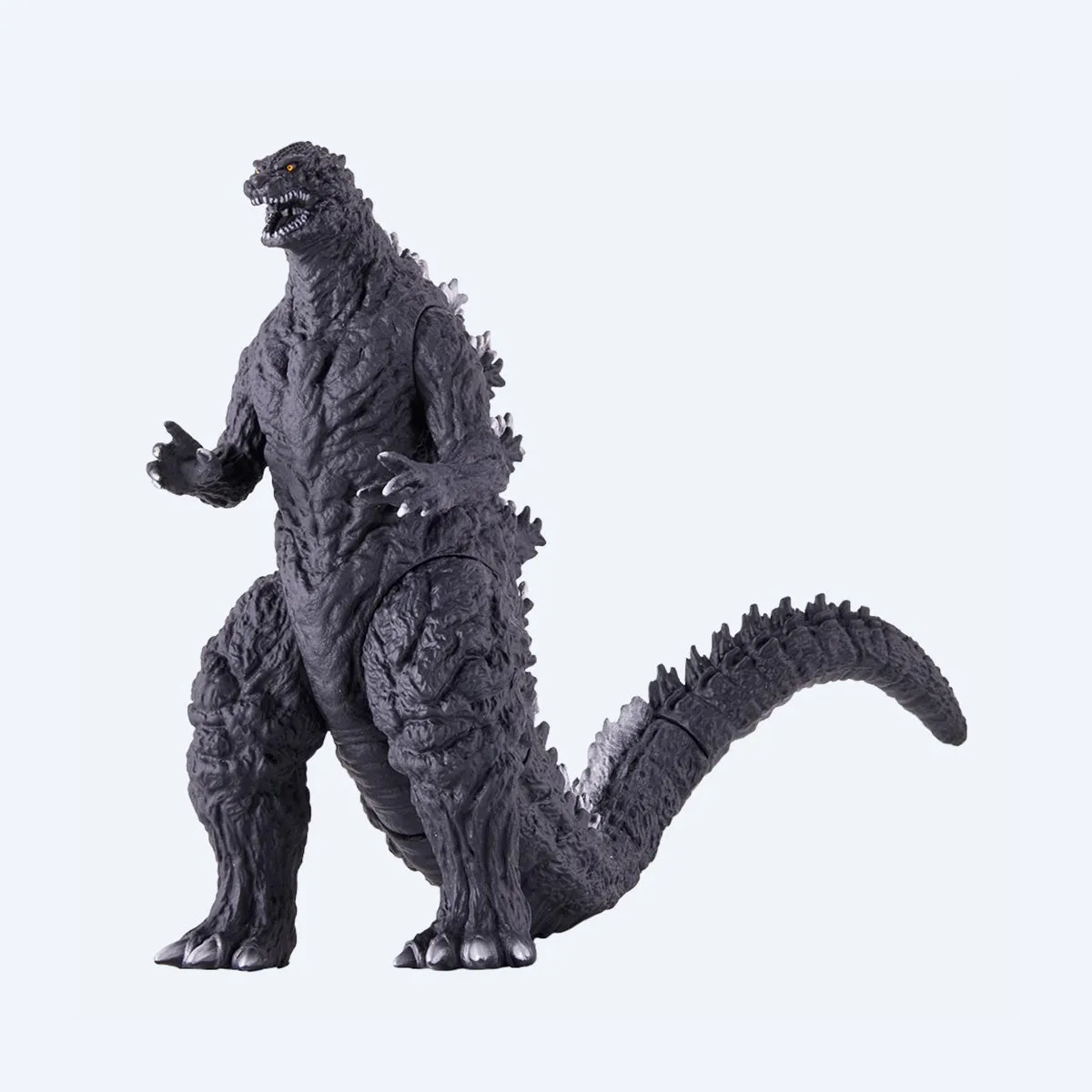
- Godzilla Store Exclusive Movie Monster Series Godzilla (Godzilla vs. Gigan Rex): This Godzilla Store Exclusive figure is approximately 6.5 inches (16.5 cm) tall and is a limited quantity item with an estimated ship date of November 2025. Limited quantity and a ship date mean you should not plan a puzzle-and-figure gift around this item unless you already have it in hand. If you do, its 16.5 cm height pairs well with a medium display puzzle.
Who should buy which Godzilla puzzle
Best for
- Families with kids who want a 100–500 piece puzzle that finishes in one sitting
- Adult collectors who want a 1000-piece display puzzle to frame alongside figures
- Gift buyers who need a safe, age-appropriate kaiju jigsaw puzzle
Not for
- Puzzlers who want a guaranteed challenge without checking art contrast or cut style
- Buyers who need a specific finished size but the listing does not state one
- Anyone buying a 1000+ piece puzzle for a young child as a solo activity
Pick the piece count your family can actually finish, then let the art and cut style decide the rest. A Godzilla puzzle that gets built, rebuilt, and displayed is worth more than a harder one that stays in the box.