Quick answer
Start with a 24-inch cable chain as your base, then add a shorter 14- to 16-inch chain above it. Keep the total number of chains to three or fewer, and vary the chain styles (cable, rope, pendant) to prevent tangling. Always check clasp security before wearing.
Why cable chains work well for layering
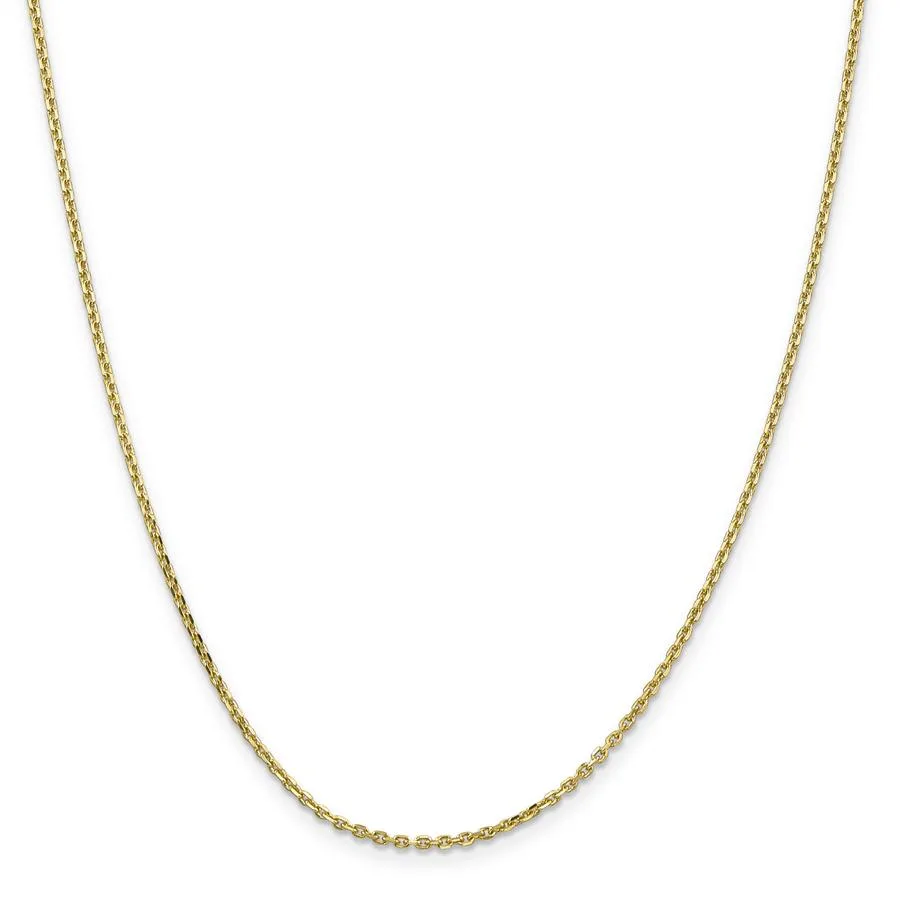
Cable chains have uniform, interlocking oval links that lie flat and resist kinking, making them a reliable foundation for layered looks. A 1.65mm width is substantial enough to hold its shape without overpowering finer chains. For a long gold chain, 24 inches is a versatile length that falls below the collarbone and can be worn alone or paired with shorter pieces.
Choosing complementary chain lengths
The key to a balanced layered necklace is a 2- to 4-inch difference between each chain. If your longest chain is 24 inches, add a 20-inch and a 16-inch chain for a gradual cascade. Avoid placing two chains at the exact same length, as they will constantly collide and tangle. If you prefer a simpler look, two chains with a 4-inch gap work well.
Mixing metals, widths, and textures
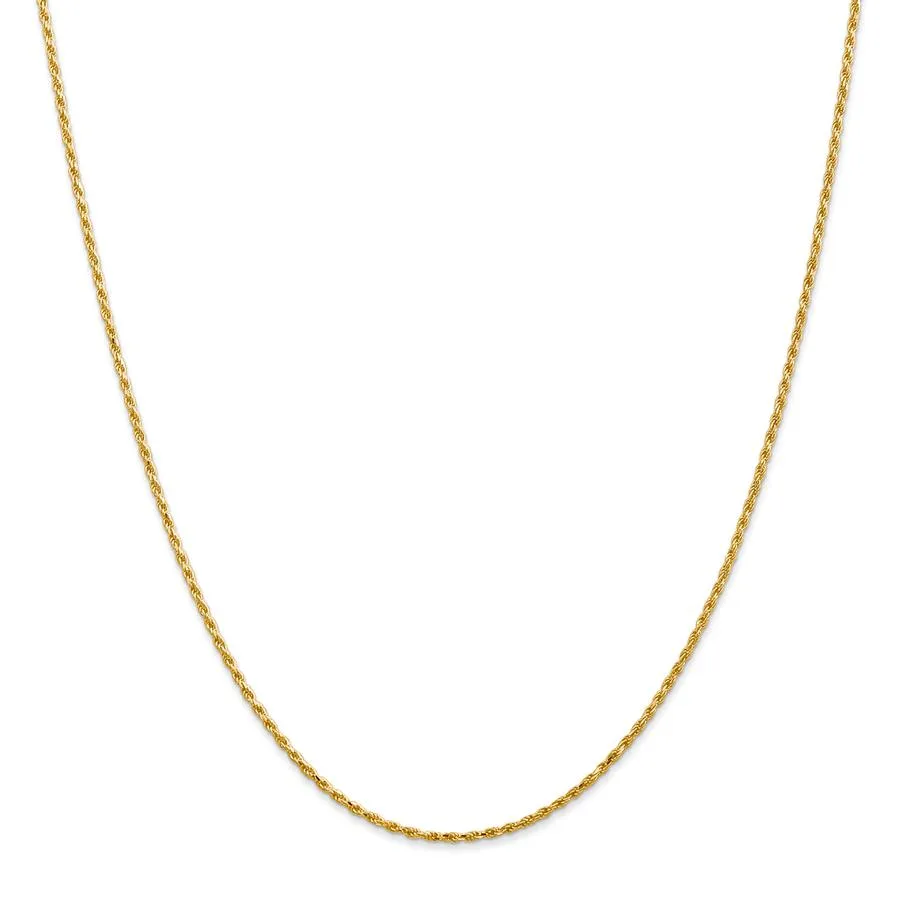
You can layer yellow gold with white gold or silver-tone pieces for a modern mix, but keep one metal dominant to avoid a chaotic look. Vary the chain widths: a 1.65mm cable chain pairs nicely with a finer 1.3mm rope chain or a delicate pendant. Textures like diamond-cut finishes add subtle sparkle without competing with other pieces.
Fastening and adjusting for comfort
Always fasten necklaces at the back of your neck, and use a mirror to check the drape. If a chain feels too long or short, consider a necklace extender or a different length. Lobster clasps are secure but can be tricky; practice opening and closing them before wearing. For a child, a 14-inch chain is often a better fit than a 24-inch one.
Layering steps
- Start with the longest chain: Put on your 24-inch cable chain first. This sets the base length and ensures the shortest chain sits on top without tangling. Checkpoint: The 24-inch chain should fall below the collarbone, not at the neck.
- Add a mid-length chain: Layer a 20-inch chain above the 24-inch one. Keep a 4-inch gap to prevent overlap and tangling. Common mistake: Using two chains of the same length causes constant knotting.
- Top with a short chain or pendant: Add a 14- to 16-inch chain or a pendant necklace as the final layer. This draws the eye upward and completes the look. Checkpoint: Ensure the shortest chain sits comfortably at the base of the neck without choking.
- Check clasps and adjust: Verify all lobster clasps are securely closed. Adjust the drape so chains lie flat and don't twist around each other. Next step: If chains still tangle, remove one layer or switch to a single chain with a pendant.
Product facts
- Gold Classics™ 10kt. 1.65mm 24in. Cable Chain Necklace: Gold ClassicsTM 10kt. 1.65mm 24in. Cable Chain Necklace is made of 10kt. yellow gold with a diamond-cut finish and lobster clasp. This 24-inch cable chain is a sturdy base for layering, and the diamond-cut detail adds shine without overwhelming other pieces.
- Unisex Gold Classics™1.3mm. 14kt. Diamond Cut Rope 14in. Necklace: Unisex Gold ClassicsTM 1.3mm 14kt. Diamond Cut Rope 14in. Necklace is a solid machine-made rope chain with a lobster clasp, designed for a child. A 14-inch rope chain works well as a shorter layer above a 24-inch cable chain, and its 14kt gold offers a slightly different color tone for contrast.
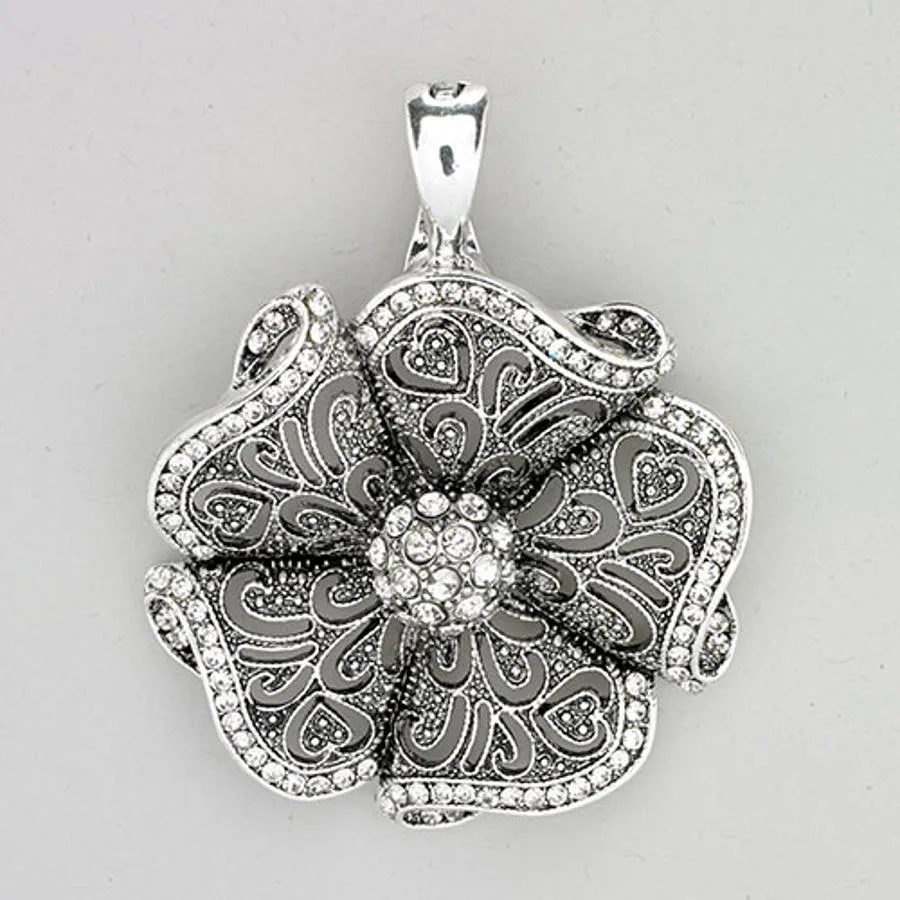
- Wearable Art Silver-Tone Filigree Crystal Flower Pendant: Wearable Art Silver-Tone Filigree Crystal Flower Pendant is a silver-tone pendant with filigree and crystals. This pendant can be added to a layered look for a touch of vintage-inspired glamour, and its silver tone mixes well with gold for a two-tone effect.