Quick answer
Grain-free food is worth considering if your small breed dog has a diagnosed grain intolerance or you've identified grains as a trigger through an elimination diet. Otherwise, grain-free is not automatically healthier. Choose a recipe that meets your dog's protein, calorie, and texture needs first, then decide on grains.
Why small breeds have different nutrition needs
Small breed dogs burn energy faster per pound than large dogs, so they often need calorie-dense food and more frequent meals. Their smaller mouths also do better with kibble sized for them. Grain-free formulas can fit these needs, but the grain-free label alone doesn't guarantee a better fit. Look for a recipe designed for small breeds, with a protein source listed first and a calorie profile that matches your dog's activity level.
When grain-free makes sense—and when it doesn't
Grain-free makes sense if your vet has confirmed a grain allergy or intolerance, or if your dog thrives on a grain-free diet after a supervised elimination trial. It also helps if you want to avoid specific grains like wheat, corn, or soy for personal reasons. It doesn't make sense if your dog does well on a balanced grain-inclusive diet, or if you're choosing grain-free just because it sounds healthier. Some grain-free foods replace grains with legumes or potatoes, which can change fiber and carbohydrate levels. If your dog has heart issues or you're unsure, talk to your vet before switching.
How to read a grain-free label for small breeds
Start with the guaranteed analysis: protein, fat, fiber, and moisture. Small breeds often need 25–30% protein and 15–20% fat, but individual needs vary. Check the ingredient list for a named protein (like chicken or rabbit) in the first few ingredients. Then look at the carbohydrate sources—sweet potato, peas, or lentils are common grain-free substitutes. Finally, confirm the kibble size is appropriate for your dog's mouth. If the label doesn't state kibble size, check the manufacturer's website or contact them.
Wet, raw, and freeze-dried options for small dogs
Grain-free isn't limited to kibble. Wet foods, raw frozen, and freeze-dried raw can all be grain-free and may appeal to picky small dogs. Wet food adds moisture, which helps dogs that don't drink enough. Freeze-dried raw offers the convenience of shelf storage with raw nutrition. When comparing, check the moisture content: wet food is typically 70–80% moisture, while freeze-dried is dry and must be rehydrated or served as is. Each format has different calorie density, so adjust portion sizes accordingly.
Transitioning and monitoring
Switch foods gradually over 7–10 days, mixing increasing amounts of the new food with the old. Small breeds can be sensitive to sudden changes. Watch for vomiting, diarrhea, itching, or ear infections—signs that the new food isn't working. If you're switching to grain-free for suspected allergies, keep a log of symptoms and food for at least 8 weeks. If you don't see improvement, the issue may not be grains. Always consult your vet before making major diet changes, especially if your dog has health conditions.
Decision rules for grain-free small breed food
- If your dog has a diagnosed grain allergy: Choose a grain-free recipe with a single novel protein if possible, and confirm it meets AAFCO or FEDIAF standards for your dog's life stage. Grain-free is necessary here—but verify the rest of the formula too.
- If your dog is healthy on a grain-inclusive diet: There's no proven benefit to switching to grain-free. Focus on portion control, protein quality, and dental care instead. Skip grain-free unless your vet recommends it.
- If you want convenience and raw benefits: Consider freeze-dried raw grain-free options. They're shelf-stable and easy to serve, but can be more expensive per meal than kibble. Weigh cost and storage against your dog's needs.
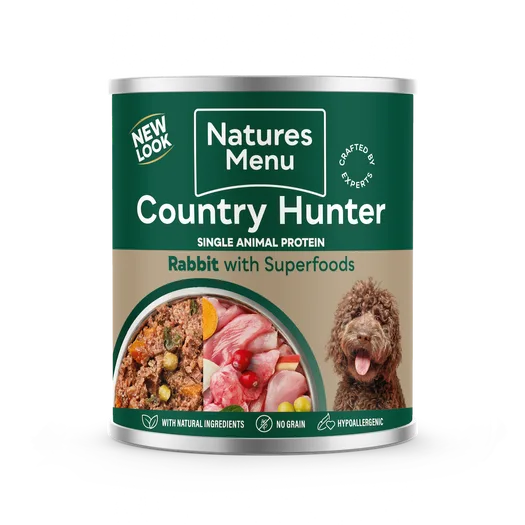
- If your small breed is picky or has dental issues: Wet grain-free food like rabbit with superfoods can be more palatable and easier to chew. Mix with kibble if you want texture variety. Texture matters as much as the grain-free label.
Product facts to know
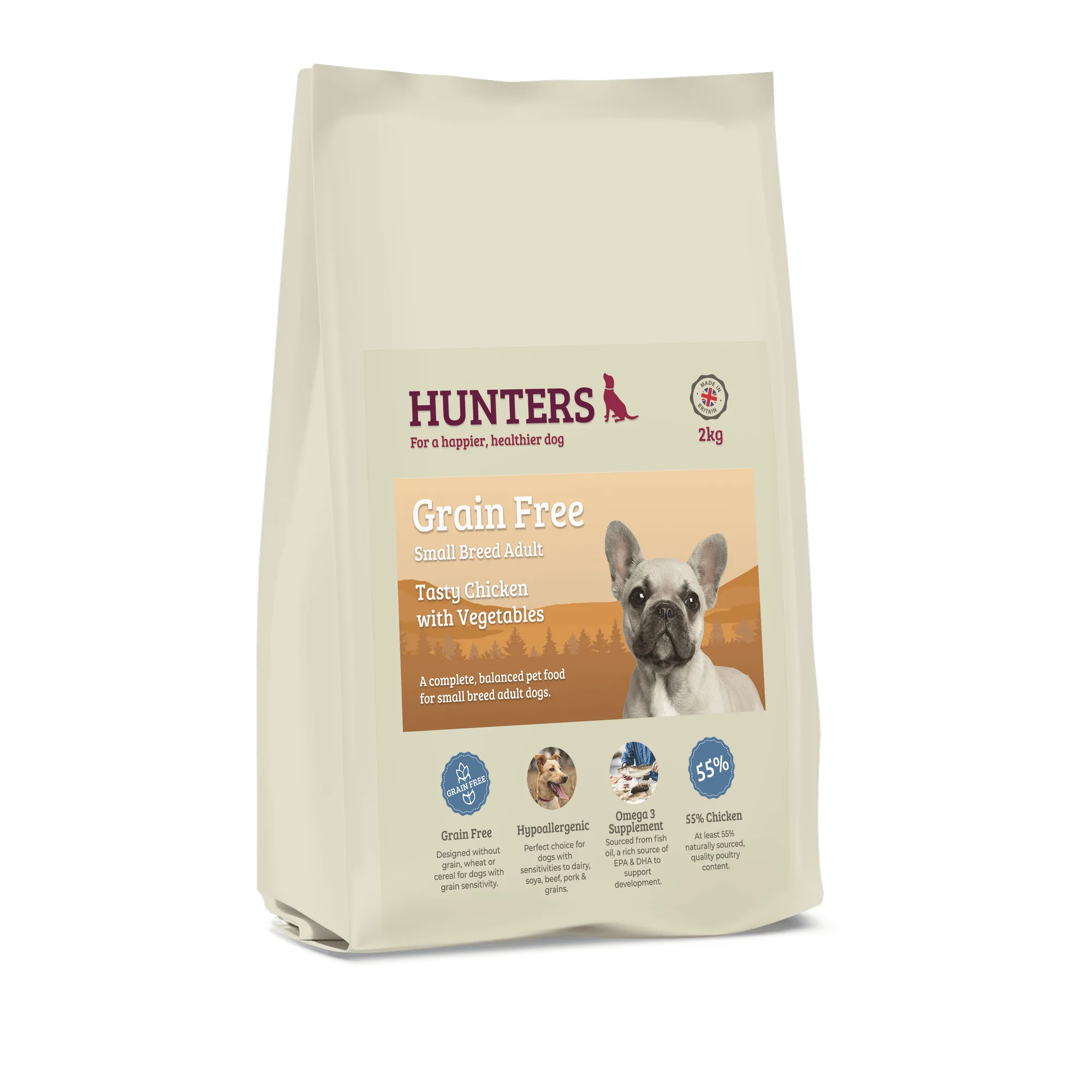
- Hunters Grain Free Small Breed Chicken with Vegetables: Specifically designed for small breed dogs, with no added grain and minimum 50% chicken. Sweet potato is used as a grain alternative. This recipe matches the small-breed focus and provides a named protein source. The sweet potato replaces grains, which may suit dogs with grain sensitivities, but check with your vet if your dog has other allergies.
- Natures Menu Country Hunter Dog Can Rabbit with Superfoods: Complete and balanced wet food with quality rabbit, cranberry, peas, swede, carrots, apples, seaweed, spinach, and sunflower oil. A grain-free wet option that adds moisture and variety. The rabbit protein is less common, which can help if your dog has sensitivities to chicken or beef. Suitable for small breeds as a topper or full meal.
Is grain-free right for your dog?
Best for
- Small breed dogs with confirmed grain intolerance or allergy
- Owners who have done an elimination diet and identified grains as a trigger
- Dogs that do well on a grain-free formula with a named protein source
Not for
- Dogs without a diagnosed grain issue—grain-inclusive diets are fine
- Dogs with heart conditions unless approved by a vet
- Owners looking for a shortcut to better health without veterinary guidance