Quick Answer
Grain-free dog food is not automatically better for dogs than grain-inclusive food. The real decision is whether the formula is complete and balanced, made with quality ingredients, and suited to your dog's needs. Grains are not inherently harmful, and some dogs do better on grain-free recipes for reasons unrelated to the grain itself. Choose based on the label and your dog's response, not the marketing claim.
Walk down any pet food aisle and you'll see "grain-free" treated as a badge of quality. It sounds healthier, more natural, closer to what a wolf would eat. But when you compare grain-free vs grain-inclusive dog food side by side, the bag tells a more complicated story than the slogan.
This guide separates common grain-free claims from what pet food labels actually guarantee. You'll see how to compare formulas fairly, when grain-free makes sense, and when a grain-inclusive recipe is the simpler, safer choice.
Claim: Grain-Free Is Always Healthier for Dogs
Verdict: False. The word "grain-free" describes what is absent, not what is present. A grain-free formula can still be poorly balanced, high in low-quality fillers, or made with ingredients your dog doesn't tolerate. A grain-inclusive formula can be complete and balanced and perform well for most dogs.
What matters is the full recipe: the named protein source, the guaranteed analysis, and whether the food is labeled complete and balanced for your dog's life stage. None of those facts change just because a grain was removed.
- Ignore front-of-bag claims until you've checked the guaranteed analysis and life-stage statement.
- Compare protein, fat, and fiber numbers between the two formulas you're considering.
Claim: Dogs Are Allergic to Grains More Often Than to Meat
Verdict: Misleading. True food allergies in dogs are uncommon overall, and when they occur, animal proteins are more often the trigger than grains. If your dog has itchy skin, ear infections, or digestive upset, changing the grain source may not address the cause.
If you suspect a food sensitivity, work with your veterinarian on a structured elimination plan. Randomly switching to grain-free food without a plan makes it hard to know what helped and what didn't.
- Keep a simple log of diet changes, symptoms, and dates so patterns are visible.
- Don't stack multiple changes at once—change one variable at a time.
Claim: Grain-Free Food Is Closer to a Natural Diet
Verdict: Irrelevant to your dog's needs. Dogs are domesticated omnivores and have adapted to digest starches, including grains, as part of a balanced diet. "Natural" is a marketing word, not a nutritional standard.
The practical question is whether the formula meets AAFCO nutrient profiles for your dog's life stage. A grain-inclusive food that meets the profile is nutritionally complete; a grain-free food that doesn't is not, regardless of how natural the ingredient list sounds.
- Look for a life-stage statement such as "complete and balanced for all life stages" or "for adult maintenance."
- Ingredients are listed by weight, so a named protein first is a useful starting point—but not the whole story.
Claim: Grain-Free Is the Only Option for Dogs With Sensitive Stomachs
Verdict: Not supported. Sensitive stomachs can respond to many factors: protein source, fat level, fiber type, feeding schedule, and treat choices. Removing grains is only one possible change, and it isn't automatically the right one.
If your dog does well on a grain-inclusive formula, there's no nutritional reason to switch. If you want to try grain-free, transition gradually over seven to ten days and watch stool quality, energy, and coat condition.
- Transition slowly: mix increasing amounts of the new food with the old over about a week.
- Judge results over weeks, not days—one good or bad meal doesn't prove much.
How to Compare Grain-Free and Grain-Inclusive Labels Fairly
Start with the guaranteed analysis and the life-stage statement. Then compare the first several ingredients: is there a named animal protein, and are the carbohydrate sources recognizable? Both grain-free and grain-inclusive recipes can use quality ingredients or cheap fillers.
Next, consider your dog. Age, size, activity level, and any diagnosed conditions should drive the choice more than the grain-free label. Puppies have different nutrient needs than adults, and large-breed puppies have their own considerations. When in doubt, your veterinarian can help you match the formula to your dog.
- Write down the protein, fat, and fiber percentages for both candidates before deciding.
- Check the feeding directions on each bag—they differ, and portion size affects results.
Verdicts on Common Grain-Free Claims
- Grain-free is always healthier: The label describes what's removed, not the overall quality or balance of the recipe. Verdict: False.
- Grains are the most common dog allergen: True food allergies are uncommon, and animal proteins are more often implicated than grains. Verdict: Misleading.
- Grain-free is closer to a natural diet: Dogs digest starches well, and "natural" isn't a nutritional standard. Life-stage completeness is what counts. Verdict: Irrelevant to nutritional needs.
- Grain-free is required for sensitive stomachs: Sensitivity can stem from protein source, fat level, fiber, schedule, or treats—not grains alone. Verdict: Not supported.
Product Facts That Help You Compare
- Purina Pro Plan Puppy Chicken & Rice Entree 13 oz Cans x 12: Chicken is the #1 ingredient, it's rich in omega fatty acids for a healthy coat, and it's 100% complete and balanced nutrition for puppies. This is a grain-inclusive puppy formula with a named protein first and a clear life-stage claim—useful as a benchmark when comparing grain-free puppy options.
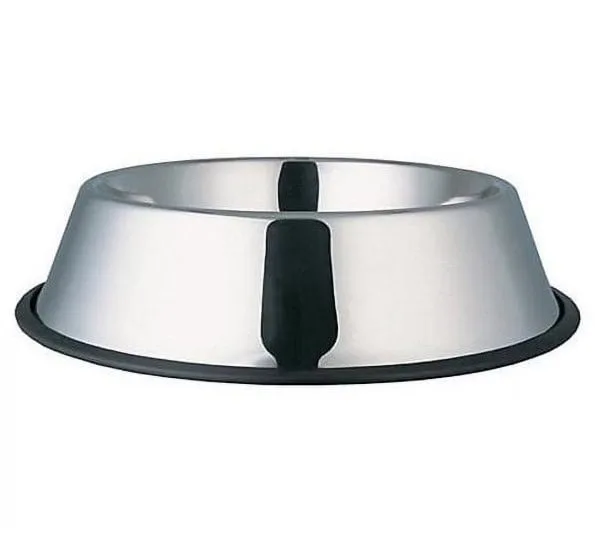
- Stainless Steel Non-Tip Bowl 64 oz: Durable stainless steel bowl with a non-tip design that helps keep food and water where it belongs during mealtime. A stable bowl makes it easier to measure portions accurately and keep mealtime consistent, which matters when you're comparing how your dog does on a new formula.
Grain-free vs grain-inclusive isn't a contest with one winner. Read the guaranteed analysis, confirm the life-stage statement, and choose the formula your dog actually thrives on. If your dog is doing well on a grain-inclusive food, there's no automatic reason to switch.