Quick answer
Neither grain-free nor grain-inclusive is automatically better. Choose grain-inclusive if your dog digests grains well and you want the widest choice at a lower cost. Choose grain-free if your vet has identified a grain sensitivity or you want a formula built around alternative carbohydrates and a single animal protein. Match the recipe to your dog's symptoms, not to marketing.
What the labels actually mean
Grain-free means the recipe contains no wheat, maize, rice, barley, oats, rye or similar cereal grains. Carbohydrates still come from potatoes, sweet potato, peas, chickpeas or other starches. Grain-inclusive means one or more grains are included, usually as a carbohydrate and fibre source. Neither label says anything about protein quality, fat level or whether the food suits your dog. A grain-free bag can still be hard to digest if the protein source is wrong for your dog, and a grain-inclusive bag can be highly digestible if the grains are cooked and paired with a familiar protein.
Digestion and stool quality
The clearest evidence is in your dog's stool. Firm, well-formed stools once or twice a day suggest the current recipe is working. Loose stools, frequent gas or a rumbling stomach after meals often point to an ingredient the dog is not tolerating, and that ingredient is not always grain. Some dogs do better on grain-free because the recipe uses a different carbohydrate, while others do better on grain-inclusive because cooked oats or rice are gentler than a high legume content. Change one variable at a time and allow two to three weeks before judging.
Allergies and sensitivities: what grains really do
True grain allergy in dogs is uncommon. When food allergy is diagnosed, the usual culprits are animal proteins such as chicken, beef or dairy, not wheat or rice. This is why a grain-free food can still trigger a reaction if it contains the same protein your dog reacts to. If you suspect a food allergy, work with your vet on an elimination diet rather than switching to grain-free by default. Once you know the trigger, choose a recipe that avoids it, whether that recipe contains grain or not.
Large breed and life-stage considerations
Large and giant breeds have different energy and joint needs, and portion control matters more because mistakes are expensive. A grain-free large breed recipe can work well if it delivers a controlled calcium and calorie profile alongside joint-supporting nutrients. Grain-inclusive large breed recipes can do the same. The deciding factor is the full nutrient profile and your dog's body condition, not the presence or absence of grain. Weigh your dog monthly and adjust portions as activity changes.
Cost, availability and practical feeding
Grain-free recipes often cost more because alternative carbohydrates and single-source proteins are pricier. Grain-inclusive recipes are usually easier to find in consistent formulas, which matters if your dog is settled and you do not want to risk a recipe change. If you feed a mix of wet and dry, keep the protein and carbohydrate sources broadly similar across both to reduce the chance of digestive upset. Treats and chews count towards daily intake, so factor them into the total.
Trade-offs at a glance
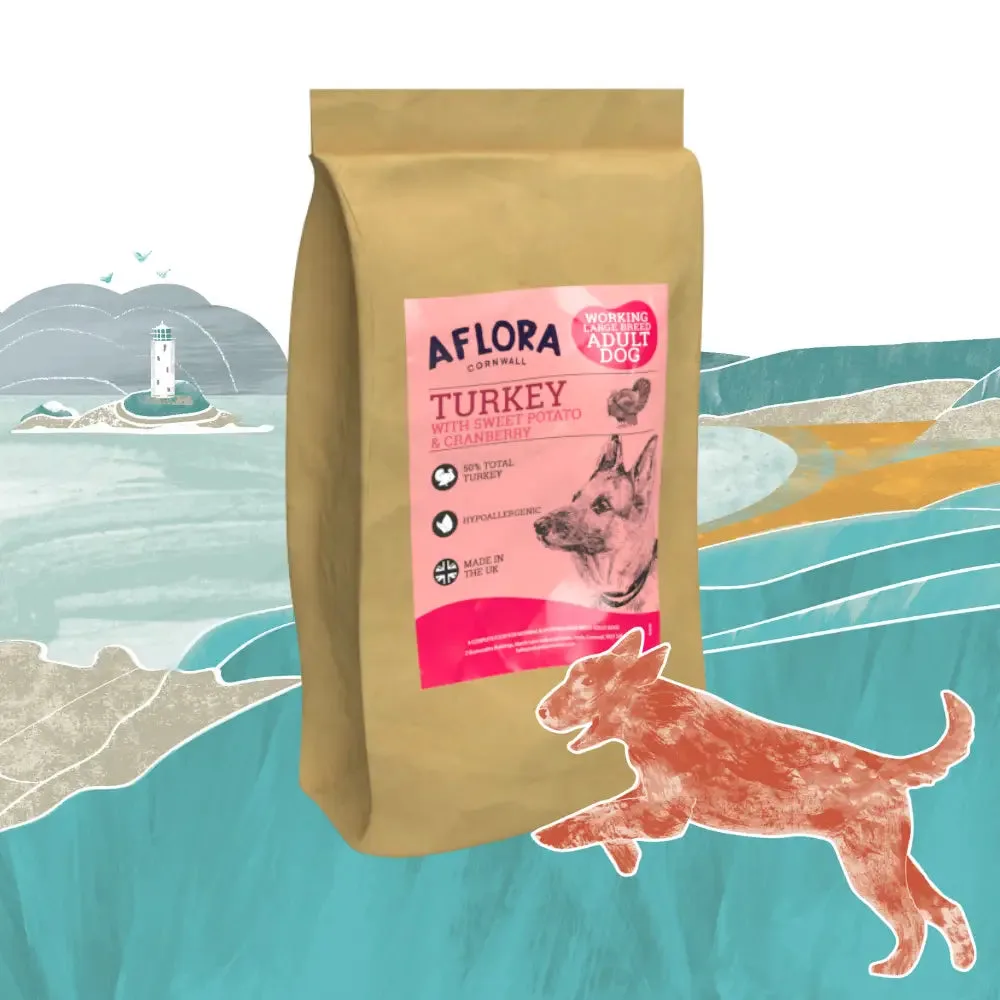
- Grain-free digestion support: Recipes like Aflora Large Breed Turkey include pre-biotics MOS and FOS that may help promote healthy gut bacteria. The trade-off is that grain-free formulas often cost more and may use legumes that some dogs tolerate less well than cooked grains. Choose grain-free for suspected grain sensitivity or when a specific formula has already worked.
- Grain-inclusive simplicity: Grain-inclusive foods are widely available, usually cheaper, and often use rice or oats that are gentle for many dogs. The trade-off is that they are not automatically suitable if your dog has a diagnosed grain-related issue. Stay grain-inclusive if stools are firm and your dog has no confirmed grain problem.
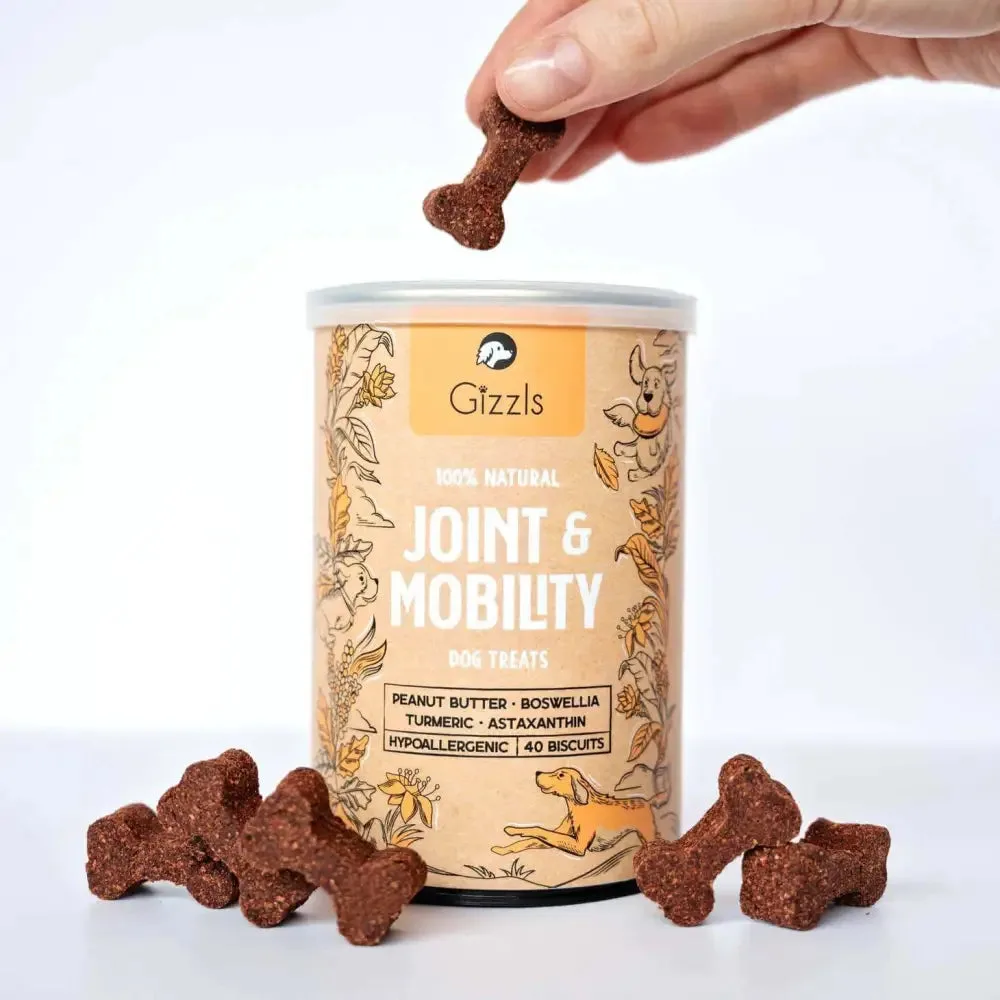
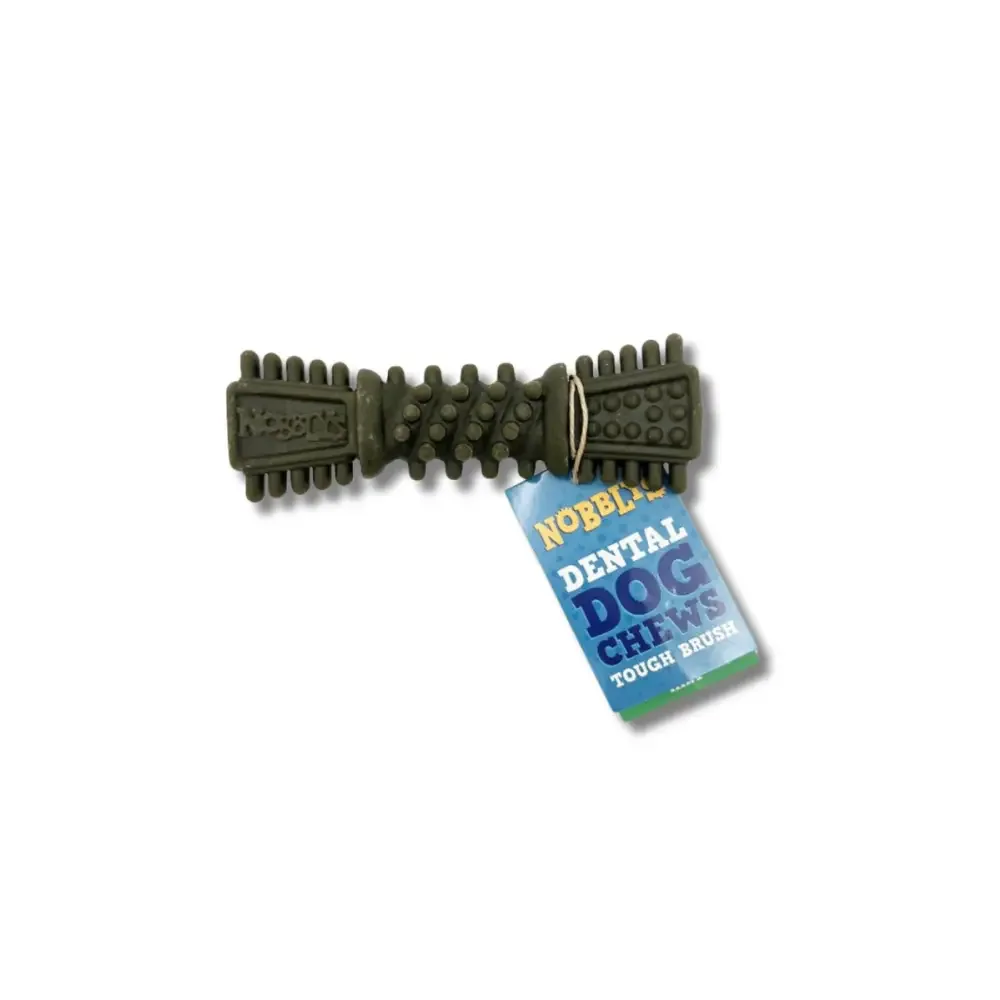
- Treats and chews count: Grain-free treats such as Gizzls Joint & Mobility biscuits or Petello Nobblys dental chews keep the whole diet consistent, but they still add calories. The trade-off is that over-treating can unbalance even a well-chosen main meal. Cap treats at roughly 10% of daily calories and adjust the main meal accordingly.
Two useful reference points
- Aflora Large Breed Turkey 15kg Grain Free Dog Food: Aflora Large Breed Turkey 15kg Grain Free Dog Food is 100% grain free and hypoallergenic, made in Britain, with pre-biotics MOS and FOS that may help promote healthy gut bacteria and aid digestion. A concrete grain-free option for large breeds where digestion support and a single named protein are priorities.
- Gizzls 100% Natural Dog Treats For Joint & Mobility: Gizzls 100% Natural Dog Treats For Joint & Mobility are functional biscuits with organic peanut butter, Boswellia serrata and astaxanthin, intended to help relieve joint pain, inflammation and support recovery from exercise. Shows how grain-free thinking extends to treats, and gives a joint-focused reward option that still counts towards daily intake.
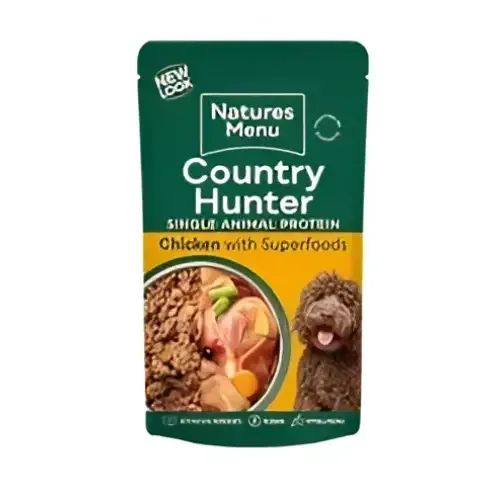
- Natures Menu Country Hunter Free Range Chicken Wet Dog Food Pouches: Natures Menu Country Hunter Free Range Chicken Wet Dog Food Pouches are a complete, nutritionally balanced meal with free range chicken, sweet potatoes, mixed berries and carrots, and are grain and gluten free with no meat meals or artificial colours. A grain-free wet option that can be fed alone or mixed with dry food when you want to increase moisture and variety.
- Petello Nobblys Tough Brush Mint 80g Box of 24: Petello Nobblys Tough Brush Mint 80g Box of 24 are natural vegetarian dental chews that are gluten and grain free, low fat, and shaped with nobbles to help reduce tartar build-up and freshen breath. A grain-free chew that supports dental care without adding a grain source, useful when you are keeping the whole diet consistent.
Which should you choose?
Best for
- Dogs with a vet-confirmed grain sensitivity or intolerance
- Owners who want a large breed grain-free formula with digestion support
- Dogs already thriving on a grain-free wet or dry recipe
Not for
- Dogs with no confirmed grain issue where a grain-inclusive recipe is cheaper and equally effective
- Dogs with a diagnosed allergy to a protein such as chicken, since grain-free does not remove that protein
- Owners who cannot monitor stool quality and body condition during a diet change