Japanese green teas are revered worldwide for their vibrant color, umami richness, and meticulous craftsmanship. Among them, two varieties stand out as benchmarks of quality: Sencha and Gyokuro. While both hail from the same Camellia sinensis plant, their growing methods, flavor profiles, and brewing rituals create distinct experiences. If you've ever wondered which one deserves a spot in your tea cabinet, this guide will walk you through every nuance.
In this Sencha vs Gyokuro showdown, we'll explore their origins, processing differences, taste characteristics, health benefits, and ideal brewing techniques. By the end, you'll know exactly which Japanese green tea wins for your personal taste and lifestyle.
What Makes Sencha and Gyokuro Different?
The key difference lies in how the tea plants are grown. Sencha is grown in full sunlight, which encourages the leaves to produce more catechins (the compounds responsible for astringency and grassy notes). This results in a bright, refreshing brew with a balanced mix of sweetness and slight bitterness. Gyokuro, on the other hand, is shaded for about three weeks before harvest. This shading reduces catechin production and boosts the amino acid L-theanine, which gives Gyokuro its signature sweet, savory umami flavor and deep green liquor.
Processing also varies slightly. Both teas are steamed to halt oxidation, but Gyokuro leaves are often rolled into thin needles more delicately to preserve their tender structure. The result is two teas that look similar but taste worlds apart. For a premium example of Sencha, try the Jasmine Blossom - 25 Tea Bags, which offers a floral twist on classic green tea. If you're curious about a shaded green tea experience, the Udaipur Mandala Caddy provides a beautiful vessel for storing your Gyokuro leaves.
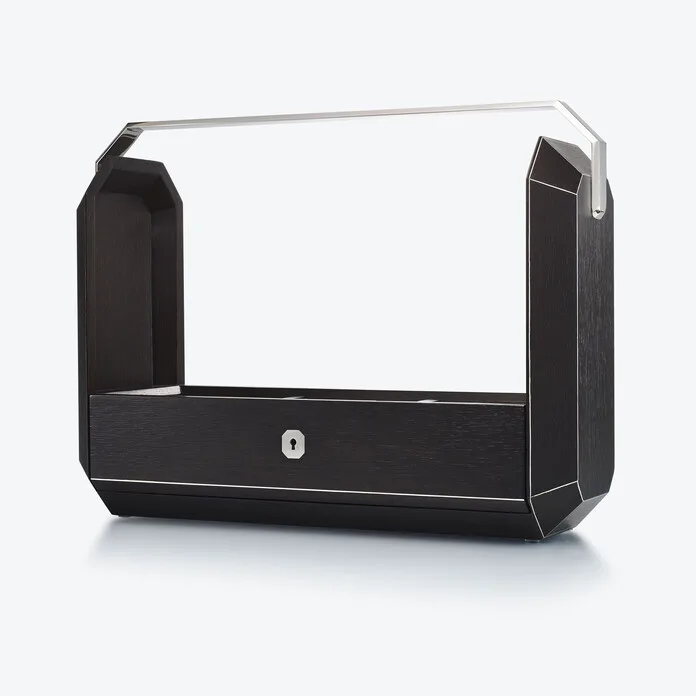
Udaipur Mandala Caddy
- Sencha: full sun, grassy, slightly astringent, bright green liquor
- Gyokuro: shaded, sweet umami, deep green, almost no bitterness
Taste and Aroma: A Side-by-Side Comparison
Sencha is the everyday green tea of Japan — lively, vegetal, and invigorating. Its aroma is reminiscent of steamed greens and fresh grass, with a clean finish that lingers pleasantly. The flavor can vary from lightly sweet to moderately astringent depending on the harvest and region. Gyokuro, by contrast, is a connoisseur's tea. Its aroma is marine and slightly seaweed-like, with an almost creamy mouthfeel. The taste is intensely umami — think of a light vegetable broth or nori — with a natural sweetness that coats the palate.
For those who prefer a milder, more approachable green tea, Sencha is the clear winner. If you crave complexity and depth, Gyokuro is unparalleled. To explore the spectrum of Japanese green teas, consider pairing your choice with a Wooden Matcha Spoon for precise measuring, or enjoy a cup of Ginger & Lemon Silken Pyramids for a zesty herbal alternative.
- Sencha: grassy, vegetal, bright, slightly astringent
- Gyokuro: umami, sweet, marine, creamy
Brewing Guide: How to Get the Best Cup
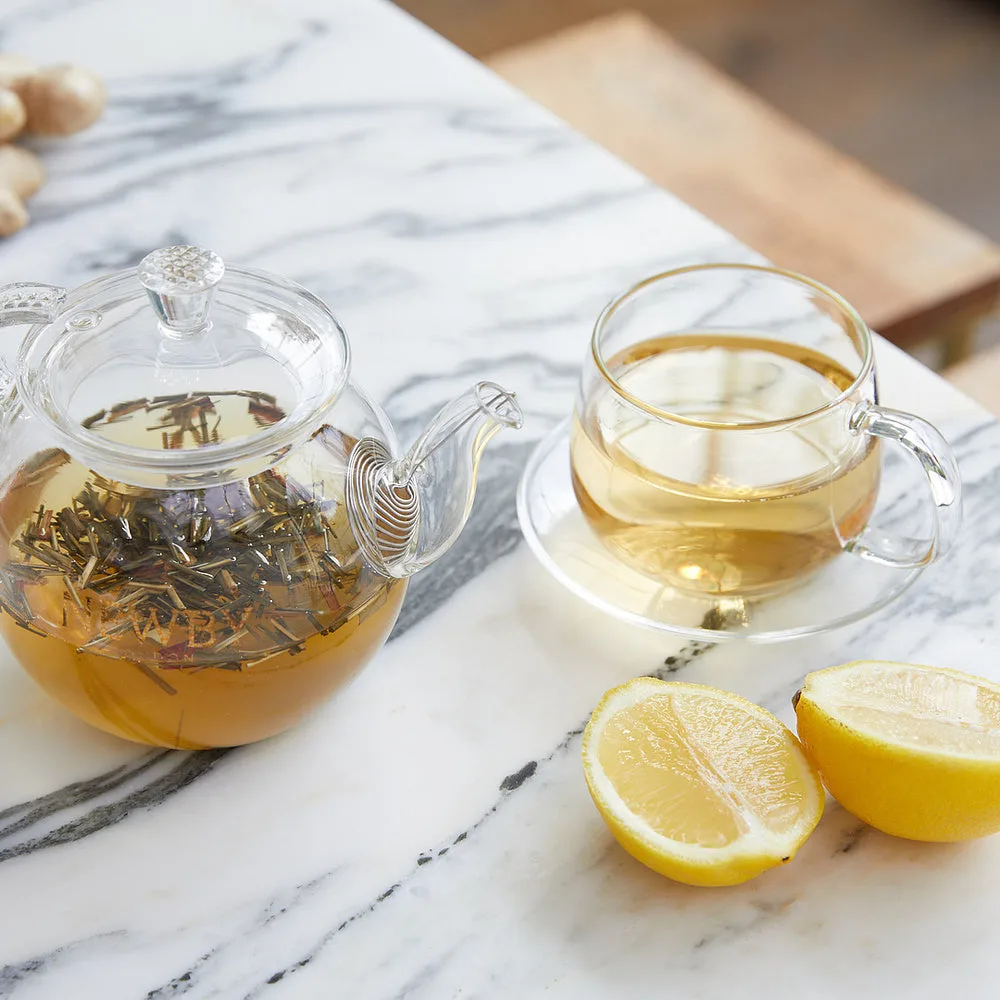
Brewing Sencha and Gyokuro requires different temperatures and steeping times to unlock their best qualities. For Sencha, use water around 70–80°C (158–176°F). Steep for 1–2 minutes. Higher temperatures will increase bitterness, so a gentle approach is key. Use about 2–3 grams of leaves per 200 ml of water. For Gyokuro, the water temperature should be even lower — 50–60°C (122–140°F) — and steeping time longer, around 2–3 minutes. Use a higher leaf-to-water ratio: 4–5 grams per 150 ml.
Why such a difference? Gyokuro's delicate umami compounds are destroyed by high heat, so cool water preserves its sweetness. Sencha's more robust character can handle slightly hotter water but still benefits from moderation. For an elegant presentation, store your teas in a Silver Plated Lattice caddy (Pink insert) (no.4) to keep leaves fresh and stylishly accessible.
- Sencha: 70–80°C, 1–2 min, 2–3g per 200ml
- Gyokuro: 50–60°C, 2–3 min, 4–5g per 150ml
Health Benefits: Which One Packs More Punch?
Both Sencha and Gyokuro are rich in antioxidants, particularly catechins like EGCG, which support heart health, metabolism, and immune function. However, because Gyokuro is shaded, it contains higher levels of L-theanine, an amino acid that promotes relaxation without drowsiness. This makes Gyokuro an excellent choice for stress reduction and focused calm. Sencha, with its higher catechin content, is slightly more stimulating and may offer a stronger antioxidant boost per cup.
Both teas also provide a modest amount of caffeine — about 30–50 mg per cup for Sencha and 35–45 mg for Gyokuro. For a caffeine-free option with similar soothing qualities, try the Ginger & Lemon Silken Pyramids, which blends ginger's warmth with lemon's brightness for a comforting herbal infusion.
- Sencha: high in catechins, metabolism boost, moderate caffeine
- Gyokuro: high in L-theanine, stress relief, calm alertness
How to Choose: Sencha or Gyokuro?
Your choice ultimately depends on your palate and occasion. If you enjoy a bright, refreshing daily cup that pairs well with meals, Sencha is your go-to. It's versatile, affordable, and widely available. If you want a luxurious, contemplative experience — something to sip slowly and savor — Gyokuro is a splurge worth making. Its umami richness is unlike any other tea, and it's perfect for meditation or special moments.
For beginners, we recommend starting with Sencha and graduating to Gyokuro once you've developed a taste for green tea's subtler notes. For those who already love Japanese greens, owning both allows you to switch based on mood. To elevate your tea ritual, consider pairing your chosen tea with the Royal Earl Grey | Coronation Tea, 75g Loose Tea for a contrasting black tea experience, or explore the Fujian Oolong Loose Leaf Pouch 250g for a completely different flavor journey.
- Choose Sencha for: everyday drinking, iced tea, pairing with food
- Choose Gyokuro for: special occasions, meditation, umami lovers
Whether you're drawn to Sencha's lively freshness or Gyokuro's profound umami, both teas offer a window into Japan's rich tea culture. Start your journey with a classic Sencha like the Jasmine Blossom - 25 Tea Bags, or dive straight into the depths of Gyokuro with a premium loose-leaf selection. Whichever you choose, you're in for a world of flavor.