When it comes to getting your daily dose of vitamins, minerals, and antioxidants, both green superfoods and regular vegetables have earned their place on your plate. But if you're short on time or looking to maximize nutrient intake, you might wonder: which one truly offers more?
In this comparison, we'll break down the nutritional profiles, benefits, and practical considerations of green superfoods versus regular vegetables. By the end, you'll know exactly how to combine them for a well-rounded, nutrient-packed diet.
What Are Green Superfoods?
Green superfoods are concentrated sources of nutrients derived from leafy greens, algae, grasses, and other plant-based ingredients. Common examples include spirulina, chlorella, wheatgrass, barley grass, and blends that combine multiple greens. They're typically available as powders, capsules, or tablets, making it easy to add a nutrient boost to smoothies, juices, or water.
These products are designed to deliver a high concentration of vitamins, minerals, antioxidants, and phytonutrients in a convenient form. For instance, a scoop of green superfood powder can provide a broad spectrum of nutrients that might be challenging to consume in large enough quantities from vegetables alone.
Nutritional Comparison: Green Superfoods vs. Vegetables
Regular vegetables like spinach, kale, broccoli, and bell peppers are packed with essential nutrients, including vitamin C, vitamin K, folate, and fiber. They also provide a variety of antioxidants that support overall health. However, the nutrient density can vary widely depending on the vegetable and how it's prepared.
Green superfoods, on the other hand, are often more concentrated. For example, a single serving of spirulina can contain more protein and certain B vitamins than a serving of spinach. Similarly, wheatgrass is rich in chlorophyll and antioxidants, while chlorella offers a unique blend of nutrients and may support detoxification.
To illustrate, let's compare a typical serving of spinach (about 100 grams) with a standard scoop of a green superfood blend (about 5-10 grams). While spinach provides a significant amount of vitamin K and folate, the superfood blend may offer higher levels of certain minerals like iron and magnesium per gram. However, it's important to note that green superfoods are supplements, not whole foods, and should complement rather than replace vegetables.
- Green superfoods are more concentrated in some nutrients per gram, but vegetables provide fiber and a wider variety of phytonutrients.
- Cooking methods can affect nutrient availability; some vegetables are more nutritious when cooked, while others are best eaten raw.
Key Benefits of Green Superfoods
Green superfoods offer several advantages, especially for people with busy lifestyles. They are convenient, have a longer shelf life, and can be easily incorporated into daily routines. Many blends also include adaptogens and digestive enzymes that support overall wellness.
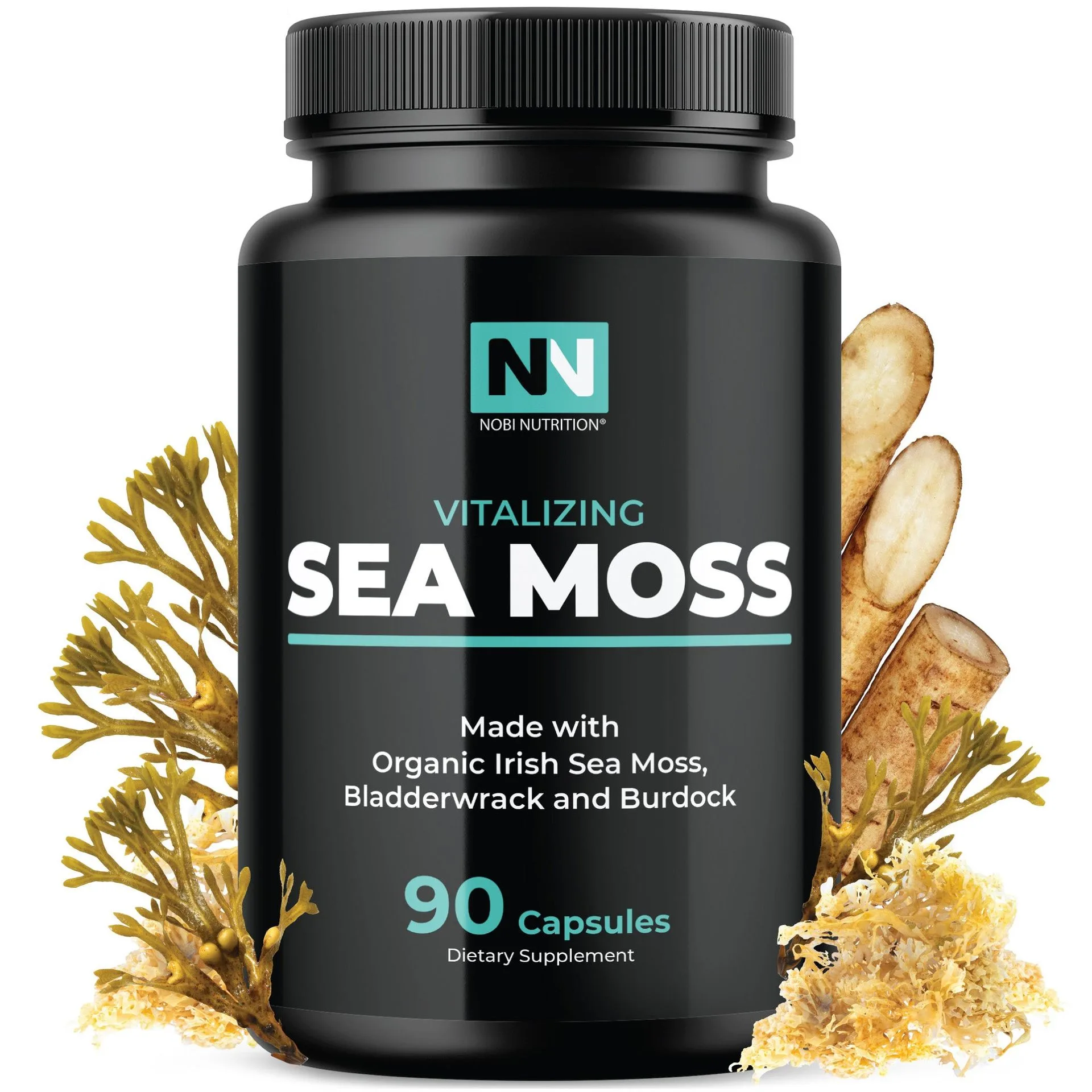
For example, Irish Sea Moss Capsules are a popular green superfood supplement known for their high mineral content, including iodine, magnesium, and zinc. These minerals are essential for thyroid function, immune support, and energy production. Similarly, our Calcium, Magnesium, Vitamin D, and Zinc Tablets combine green nutrients with bone-supporting minerals, making it easier to meet your daily requirements.
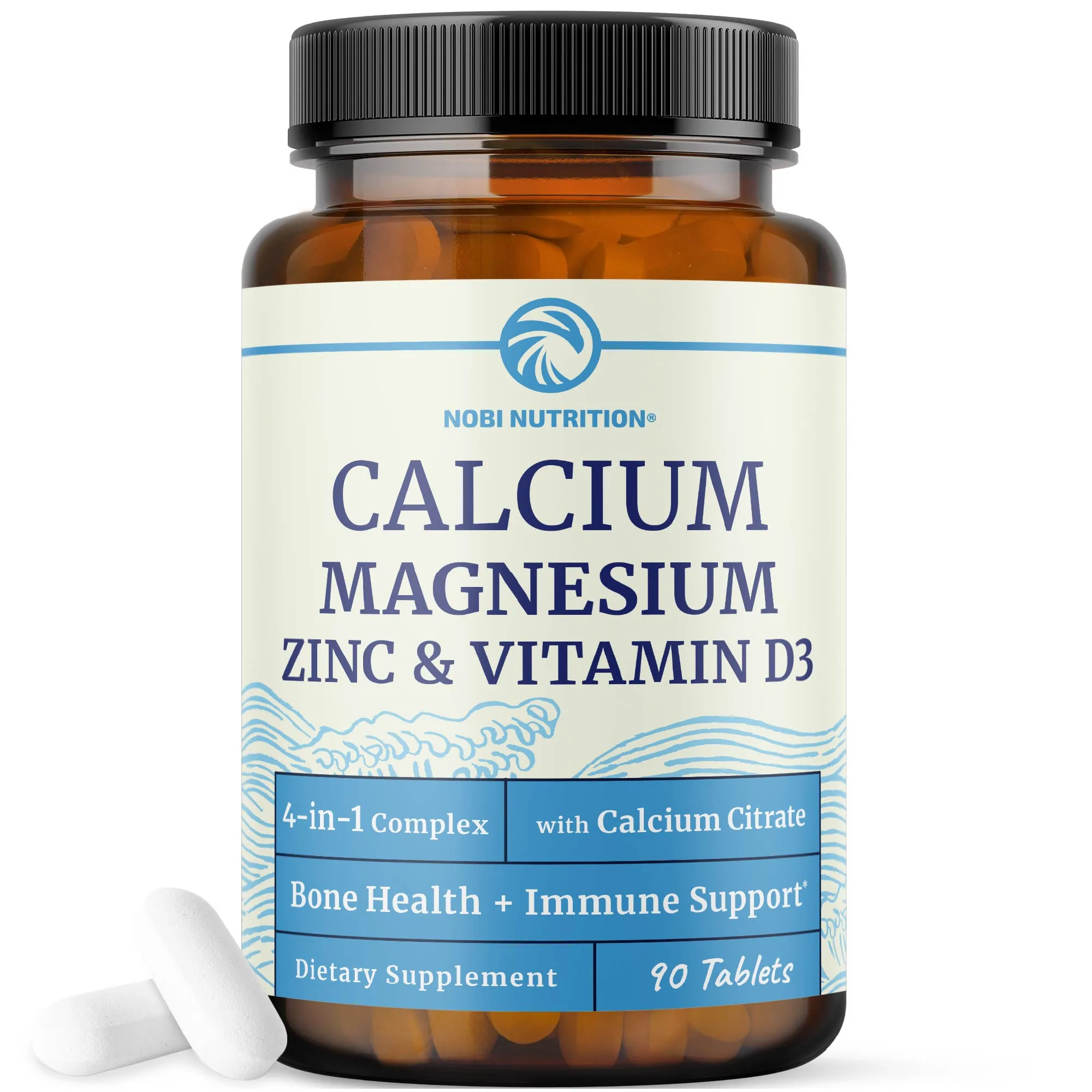
Calcium, Magnesium, Vitamin D, and Zinc Tablets
Another benefit is that green superfoods can help fill nutritional gaps. If you struggle to eat the recommended 5-7 servings of vegetables daily, a greens supplement can provide a concentrated source of vitamins and antioxidants to support your diet.
Key Benefits of Regular Vegetables
Regular vegetables are the foundation of a healthy diet. They are naturally low in calories and high in fiber, which supports digestive health and helps maintain a healthy weight. Vegetables also provide a diverse array of antioxidants that work synergistically to reduce inflammation and protect against chronic diseases.
Whole vegetables offer something supplements can't: the experience of eating. The act of chewing and the presence of fiber contribute to satiety and gut health. Moreover, vegetables contain a complex matrix of nutrients that may be more bioavailable when consumed as a whole food.
For instance, a salad with spinach, tomatoes, and bell peppers provides vitamin C, lycopene, and beta-carotene, along with fiber. These nutrients work together to support immune function and skin health in ways that isolated supplements may not fully replicate.
How to Combine Green Superfoods and Vegetables for Optimal Health
The good news is that you don't have to choose between green superfoods and regular vegetables. In fact, combining them can provide the best of both worlds. Use vegetables as your primary source of fiber and phytonutrients, and use green superfoods to fill gaps and boost your intake of specific nutrients.
For example, you might start your day with a smoothie that includes a handful of spinach and a scoop of green superfood powder. This gives you the fiber and volume of vegetables plus the concentrated nutrients from the supplement. Later, enjoy a large salad with a variety of colorful vegetables for lunch.
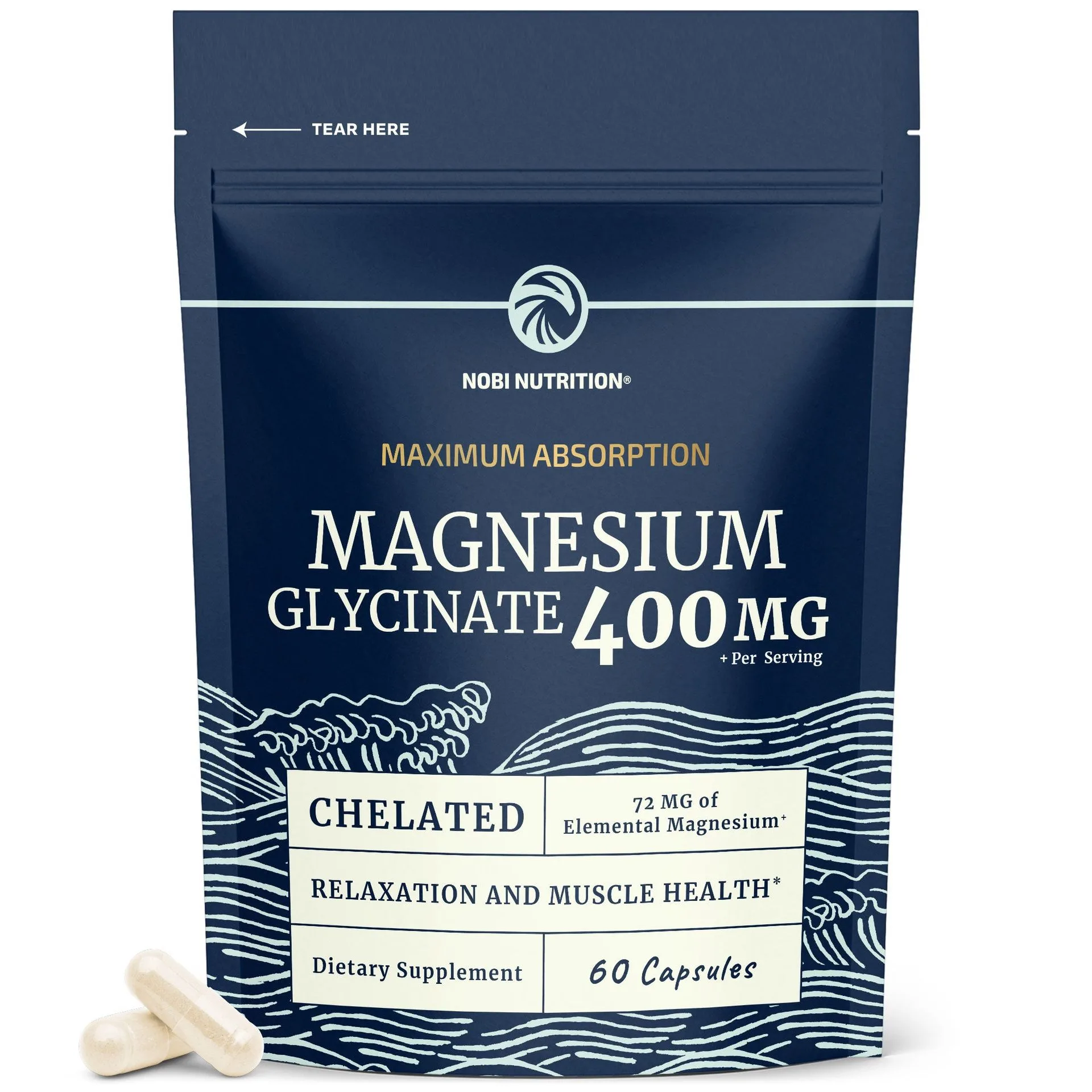
If you're considering a green superfood supplement, look for high-quality products that are third-party tested and contain a blend of nutrient-dense ingredients. Our Magnesium Bisglycinate 400mg Capsules are not a green superfood, but they complement a greens routine by supporting muscle relaxation and sleep—two areas where magnesium is crucial. Similarly, our Magnesium Complex Capsules offer a full-spectrum magnesium formula that pairs well with any greens supplement.
- Start with a greens powder in your morning smoothie, then add a side salad to lunch.
- Choose supplements with minimal additives and transparent labeling.
Potential Drawbacks and Considerations
While green superfoods are beneficial, they are not a substitute for a varied diet. Over-reliance on supplements can lead to nutrient imbalances or interactions with medications. Always consult a healthcare professional before adding new supplements, especially if you have underlying health conditions.
Additionally, some green superfoods may have a strong taste that not everyone enjoys, and they can be expensive compared to fresh vegetables. On the other hand, vegetables require more preparation time and may spoil quickly, which is where supplements offer convenience.
In the battle of green superfoods vs. regular vegetables, there's no clear winner—both have unique strengths. Vegetables provide fiber, volume, and a wide range of phytonutrients, while green superfoods offer concentrated nutrition and convenience. For optimal health, aim to include a variety of vegetables in your daily meals and consider adding a high-quality green superfood supplement to fill gaps. If you're looking to enhance your nutrient intake, explore our selection of premium supplements, including Irish Sea Moss Capsules, to support your wellness journey.