Quick answer
A green and IR dot sight combo gives you two aiming channels in one housing: a green visible dot you can see with the naked eye, and an infrared dot that is invisible without night vision. Use the green channel for daylight, dusk, and quick unaided shots, and switch to the IR channel once you are behind a night vision device. Confirm the sight is rated for night vision use before you mount it, then zero both channels separately because they rarely land in the same spot.
How the two channels differ in real use
The green channel behaves like a standard visible red dot: you see the dot, you place it on target, you shoot. The IR channel emits light your eye cannot detect but a night vision tube can, so it disappears the moment you pull your head away from the device. That split matters because a green dot bright enough for daytime can bloom or wash out under night vision, while an IR dot is useless to the naked eye.
Practically, this means you are running two zeros. Set the green channel for your primary daytime distance, then put on the night vision device and zero the IR channel independently. Write both settings down; if the turrets share adjustment, confirm which channel you are moving before you turn anything.
What to check before you buy an IR sight for hunting
Not every dot sight is night vision compatible. The emitter must be able to run dim enough that it does not overwhelm the image intensifier, and the lens coatings should not throw glare back into the tube. If a listing does not state night vision compatibility, treat that as an unknown rather than assuming it will work.
Also match the sight to your rail and your use. A compact combo unit with a remote pressure pad suits a rifle you will carry and activate without shifting your grip. A smaller reflex sight suits a pistol or shotgun where weight and bulk matter more than a second channel.
Mounting and zeroing sequence that saves ammo
Mount the sight on a clean, degreased 20mm Picatinny or Weaver rail and torque it down before you touch the turrets. Bore sight first so your initial shots land on paper, then zero the green channel at your chosen distance. Only after the green channel is set should you attach the night vision device and zero the IR channel.
Do the IR zero in the darkest conditions you actually hunt in. A zero set under porch lights can shift once the tube is running in full dark, and you will not notice until the first shot.
Battery and cold-weather habits
Combo sights that run a CR123A draw more current when both the visible and IR emitters are active, so carry a spare and change it before a cold hunt rather than during one. Cold reduces usable battery capacity, and an IR dot that fades mid-setup is worse than one that never turned on.
Store the sight with the battery out if it will sit for months, and check the emitter window for dust before you leave. A smudge on the IR emitter scatters light and shows up as a halo through night vision.
Night vision combo FAQ
Can I see the IR dot without night vision?
No. The IR channel is outside what your eye detects, so it only appears through a night vision device. If you see a dot with the naked eye, you are looking at the green or visible channel, not the IR one. Test both channels before you leave the house so you know which one is active.
Do the green and IR dots share one zero?
They usually do not. Treat them as two separate aiming solutions and zero each one at the distance you actually use it, then record both settings. Re-check the IR zero in full dark, not under artificial light.
Is a green and IR combo legal for night hunting?
Rules vary by state and by species, and some jurisdictions restrict artificial light or laser aiming devices for hunting. Check your state wildlife agency regulations before you take the sight afield. Verify current regulations for your specific game and season.
Will any dot sight work with night vision?
No. The sight needs an emitter that can dim enough and coatings that do not glare into the tube. If the product listing does not state night vision compatibility, do not assume it. Confirm compatibility in writing before purchase.
What battery should I keep as a spare?
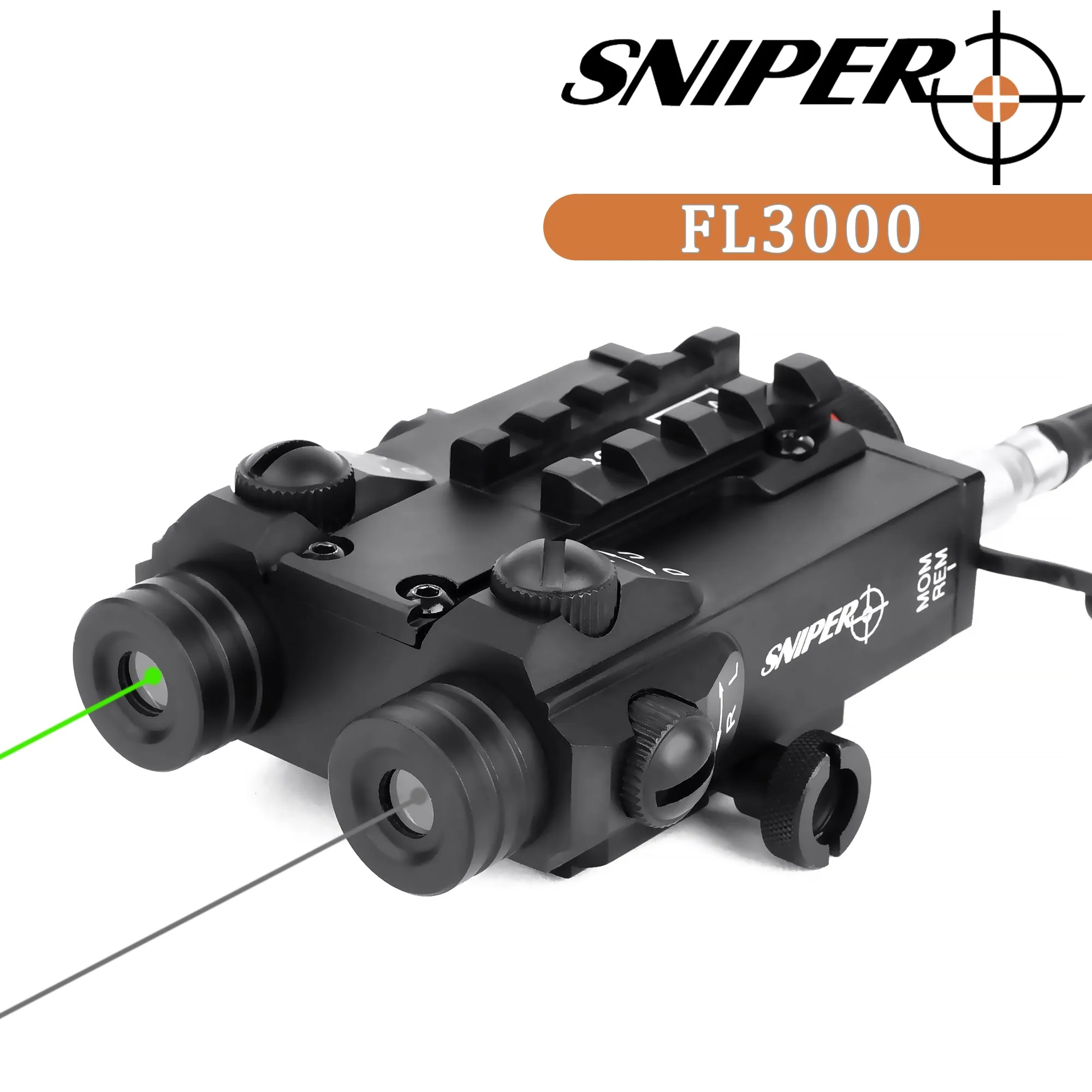
Match the sight's stated battery type. The Sniper FL3000 combo uses a 3 volt CR123A lithium battery, so a spare of that type covers it. Cold weather cuts usable capacity, so swap before a cold hunt rather than during one. Carry one spare battery per outing in cold conditions.
Product facts
- Sniper FL3000 Tactical Green / IR Dot Sight Combo Fits Night Vision: Subzero operating temperature, water resistant, shock and recoil proof, with windage and elevation adjustment and a wire cable remote control pressure pad switch. The subzero rating and recoil resistance suit late-season night hunts, and the remote pressure pad lets you activate the sight without breaking your grip in the dark.
- Sniper FL3000 Tactical Green / IR Dot Sight Combo Fits Night Vision: Durable aerospace aluminum with a water tight design and corrosion resistant coatings; runs on a 3 volt CR123A lithium battery. The sealed aluminum body and CR123A power source mean fewer weather-related failures and a battery type that is easy to stock as a spare.
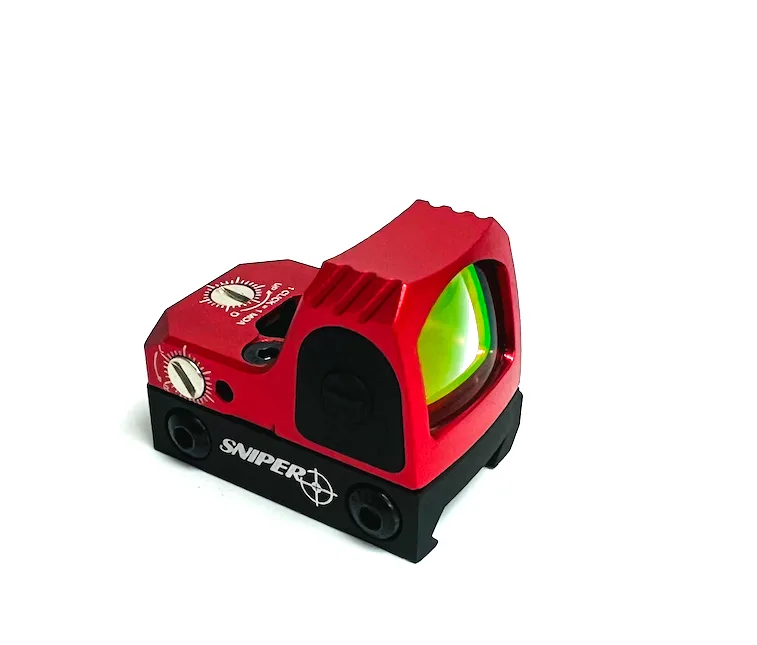
- Sniper TR21 3MOA Reflex Sight Red Dot Sight for Rifles, Shortguns and Pistols Compatible with Picatinny/Weaver Rail, Waterproof, Shockproof (Red): Red illuminated dot reticle with 5 level brightness control, 100% waterproof and shockproof construction, fits standard 20mm Picatinny or Weaver rails, with precision windage and elevation adjustments. The brightness control lets you dial the dot down for low light, and the standard rail fit makes it a simple daytime companion or backup sight on the same rifle.
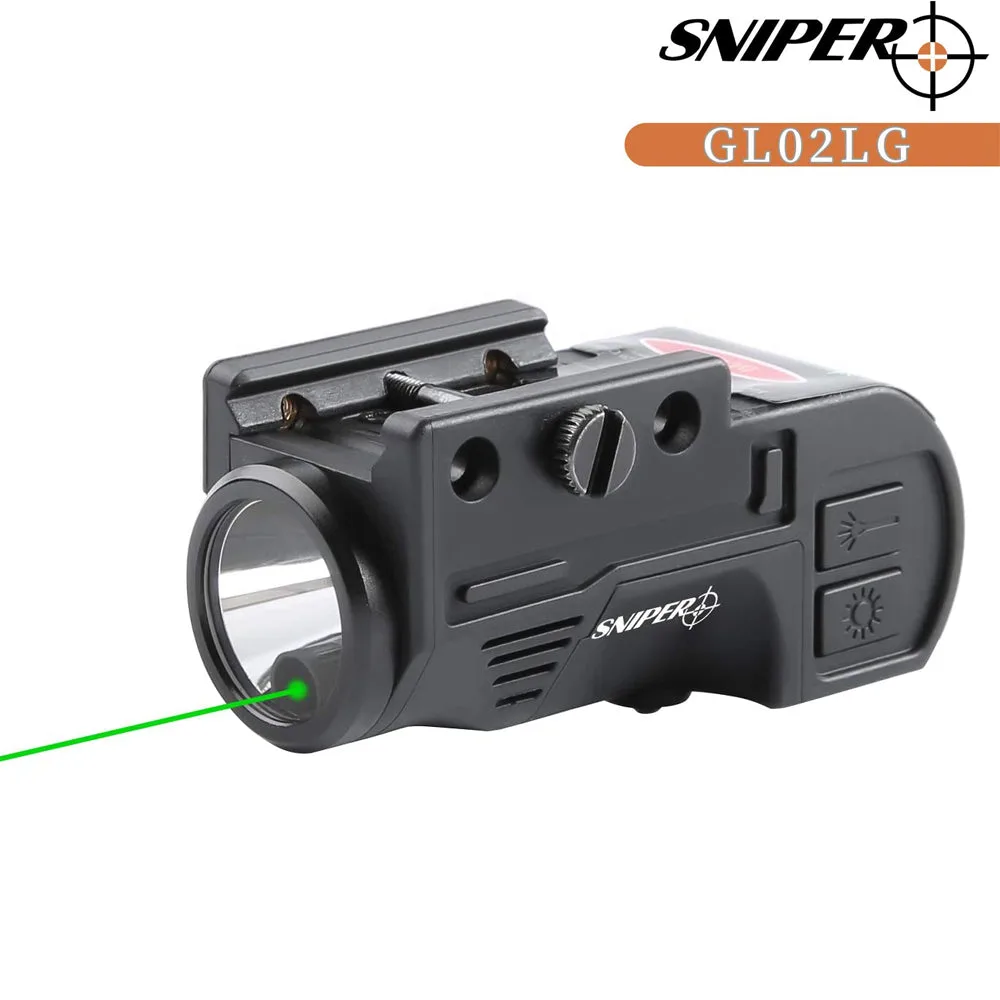
- GL02 Combo Flashlight and Green Laser Magnetic Charging Internal Green Laser Sight & Flashlight Laser Combo with Rechargeable Battery: 220 lumens LED flashlight and green laser combo with magnetic charging, built-in rechargeable battery, and ambidextrous steady ON/OFF switches with a strobe mode; runs about 90 minutes with both active, about 8 hours laser only, and about 2 hours flashlight only. If you want illumination and a visible aiming laser on a 20mm rail without adding a separate light, this covers both jobs, and the runtime figures tell you which mode to expect on a full charge.