Quick answer
Choose the GreenJacket if you need dependable foam buoyancy for kayaking, rafting, or rescue work and want a secure curvy fit. Choose the Airbelt 2.0 if you prefer an inflatable, low-profile option for canoeing, fishing, sailing, or stand-up paddleboarding. The GreenJacket is the heavier-duty standard; the Airbelt 2.0 is the lighter, packable alternative.
Buoyancy and construction: foam vs. inflatable
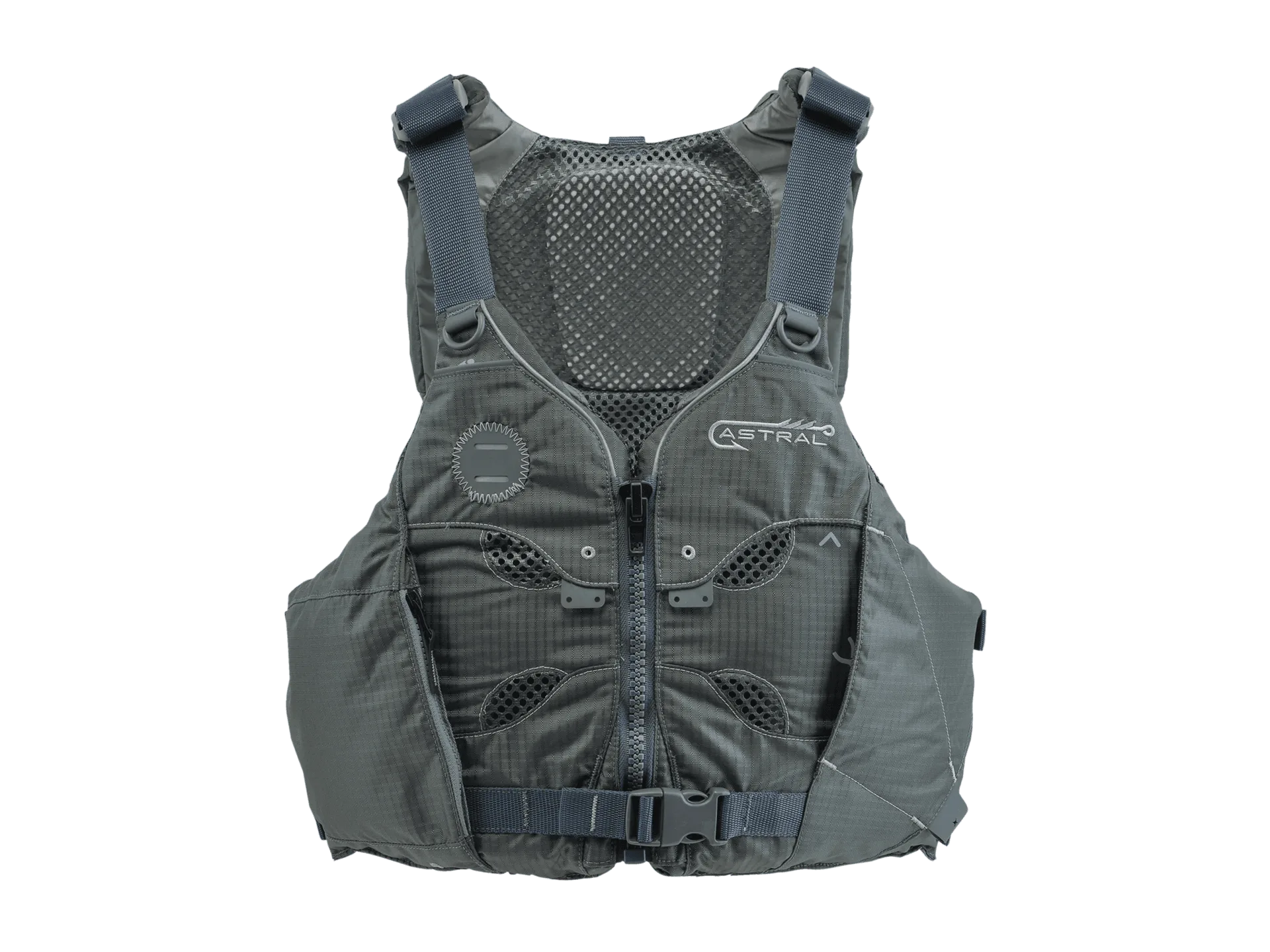
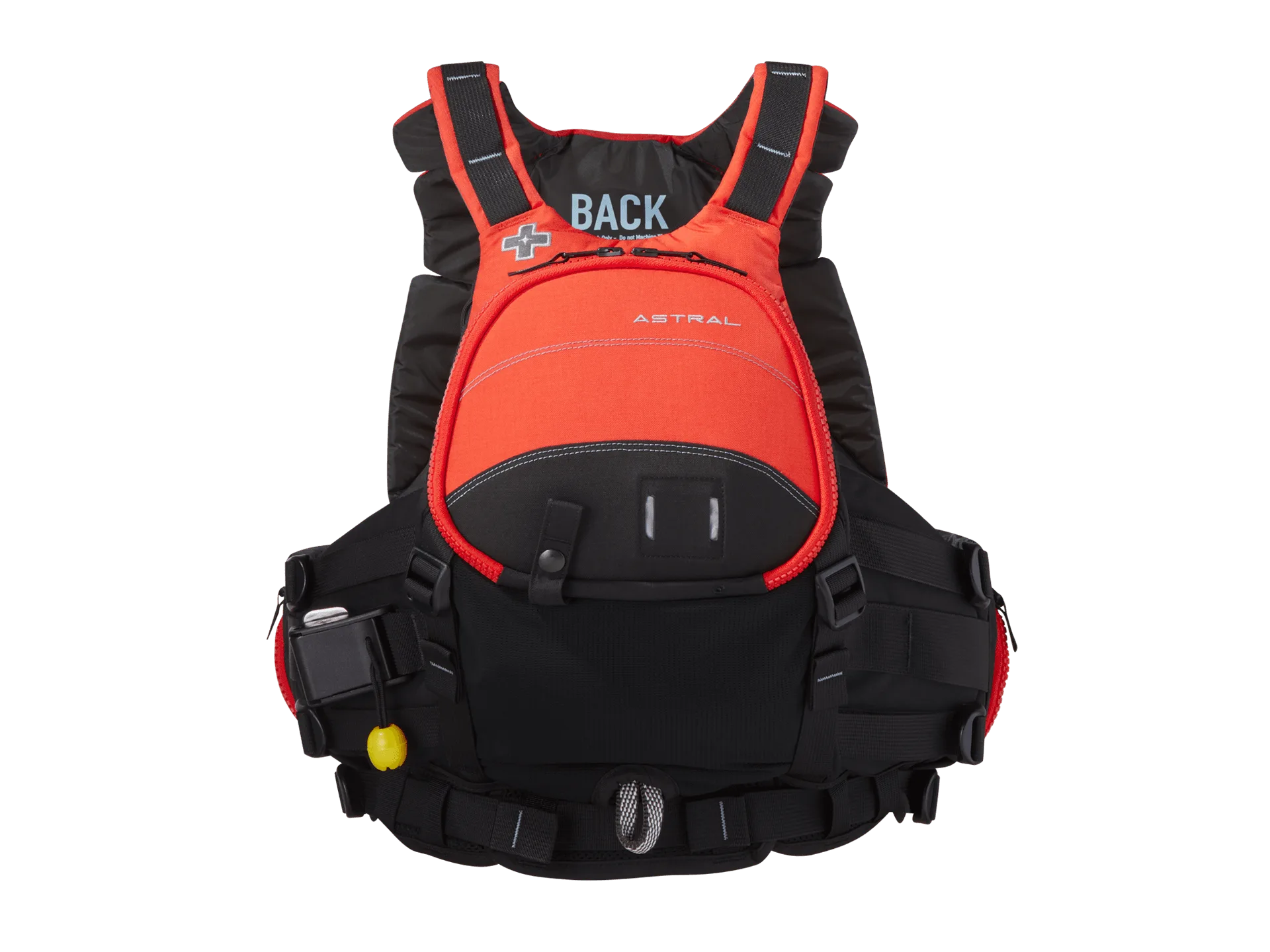
The GreenJacket uses Foam Techtonics construction to provide buoyancy without sacrificing mobility. That means it floats you without any action on your part and keeps working if it gets wet or worn over layers. The Airbelt 2.0 is an inflatable flotation device, so it relies on inflation to provide buoyancy. Inflatables are typically lighter and less bulky when not inflated, but they require you to maintain and inflate them before or during use. If you want set-and-forget safety, the GreenJacket's foam design is the simpler choice. If you prioritize a low-profile feel and are comfortable with inflatable upkeep, the Airbelt 2.0 fits that brief.
Fit and sizing: curvy fit vs. one size
The GreenJacket is offered in Color and Size options and features a curvy fit design intended to ensure a secure, comfortable wear across a range of body types. That makes it easier to dial in a precise fit, which matters for long days on the water. The Airbelt 2.0 comes in Black, One Size, described as fitting most users. One-size designs are convenient but may not suit every body shape as precisely as a sized PFD. If fit is your top priority, the GreenJacket's size range gives you more control. If you want a simple, adjustable option, the Airbelt 2.0's one-size approach reduces guesswork.
Intended use: rescue and whitewater vs. flatwater and touring
The GreenJacket is positioned as the industry standard for water safety and is built for kayaking, rafting, and rescue operations. That makes it the more appropriate choice when you expect rough water, need to assist others, or want a PFD that stays put under load. The Airbelt 2.0 is designed for canoeing, fishing, sailing, and stand-up paddleboarding. Those activities tend to involve calmer conditions and less need for a bulky, high-buoyancy foam vest. Match the PFD to the worst conditions you realistically paddle in, not the average day.
Trade-offs to weigh
- Buoyancy type: GreenJacket: foam (always on). Airbelt 2.0: inflatable (requires inflation). Foam is simpler and more dependable; inflatable is lighter and lower profile.
- Fit options: GreenJacket: multiple sizes with curvy fit. Airbelt 2.0: one size fits most. Sized fit suits more body types; one size is easier to buy but less precise.
- Intended discipline: GreenJacket: kayaking, rafting, rescue. Airbelt 2.0: canoeing, fishing, sailing, SUP. Choose based on the most demanding water you paddle, not the calmest.
Key product facts
- GreenJacket: Foam Techtonics construction provides dependable buoyancy without sacrificing mobility. You get reliable flotation that works immediately and keeps working, with freedom to paddle and move.
- GreenJacket: Curvy fit design ensures a secure, comfortable wear for a range of body types. A closer fit reduces shifting and chafing during long paddles or rescue work.
- Airbelt 2.0: Inflatable flotation device for enhanced safety on the water. Lighter and less bulky than foam when deflated, but requires inflation and maintenance.
- Airbelt 2.0: Suitable for canoeing, fishing, sailing, and SUP activities. Designed for flatwater and touring disciplines rather than whitewater rescue.
Which should you buy?
Best for
- Kayakers, rafters, and rescue paddlers who need dependable foam buoyancy and a secure curvy fit.
- Paddlers who want a sized PFD for long days and rough conditions.
Not for
- Paddlers who prioritize the lightest possible, low-profile inflatable for calm flatwater.
- Those who prefer a one-size-fits-most design and minimal adjustment.