Quick answer
Keep your grip-on weeder hook working like new by wiping the tip after every session, storing it dry and capped, and replacing the hook when it snags or dulls. Most hook problems come from leftover vinyl adhesive, moisture, or a bent tip—not from the handle. A two-minute routine after each use prevents rust, keeps cuts clean, and extends the life of the tool.
Daily wipe-down: the step most people skip
Vinyl weeding leaves a invisible film of adhesive on the hook. Over time, that film attracts dust and makes the tip drag instead of glide. After each session, pinch a lint-free cloth dampened with isopropyl alcohol and pull it along the hook from base to tip. Don’t scrub—just two or three passes. If you see white residue, repeat until the cloth comes away clean. This one habit prevents most of the sticking and skipping that people blame on a dull hook.
Rust prevention starts with storage, not oil
The hook on a grip-on weeder is typically steel, and steel rusts when it sits in humid air. Don’t store the tool loose in a drawer with paper scraps or in a damp garage. Instead, keep it in a dry box or a zippered pouch with a silica gel packet. If you live in a humid climate, a light wipe with a dry cloth before storage is enough—avoid heavy oils that attract dust and gum up the tip. For long-term storage, a thin coat of mineral oil on the hook only (not the handle) adds a barrier without affecting vinyl work.
When and how to sharpen a weeder hook
A hook that still has its shape but cuts sluggishly can sometimes be refreshed. Use a fine diamond file or a ceramic sharpening rod. Hold the hook steady and make three or four light passes along the inside curve at the same angle as the original bevel. Don’t overdo it—two or three strokes per side is plenty. Test on scrap vinyl. If it still drags or snags, stop sharpening; you’ve likely reached the point where the hook geometry is worn out.
Cleaning stubborn adhesive without damaging the tip
For dried adhesive, don’t pick at it with the hook itself or a metal scraper. Soak the hook tip in warm soapy water for two minutes, then wipe with a soft cloth. A wooden toothpick can dislodge residue from the inner curve without scratching the steel. Avoid acetone or harsh solvents, which can degrade the handle coating over time. After cleaning, dry the hook thoroughly before storing.
Diagnosis: match the symptom to the fix
- Hook snags or tears vinyl: Likely cause: a burr or a bent tip from dropping the tool or prying with it. Corrective action: inspect the tip under bright light. If you see a small bend, stop using it—bending it back weakens the steel and can snap. Replace the hook. If the tip is visibly bent, replace rather than repair.
- Hook drags or feels dull: Likely cause: adhesive buildup or gradual wear. Corrective action: clean with isopropyl alcohol first. If it still drags, try two light passes with a fine diamond file. If it still drags after that, the hook is worn out. Clean before you sharpen; sharpen before you replace.
- Rust spots appear: Likely cause: moisture left on the hook or humid storage. Corrective action: remove light rust with a fine abrasive pad and a drop of oil. If rust has pitted the surface or reached the cutting edge, replace the hook—pitting will keep catching vinyl. Surface rust is fixable; pitting means it’s time for a new hook.
The replacement hook that fits your tool
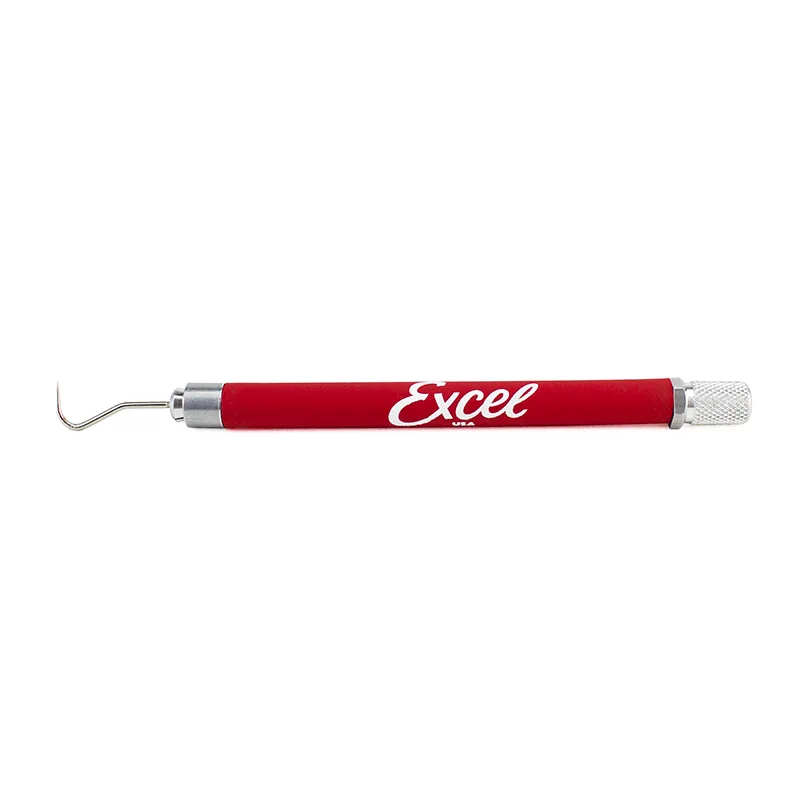
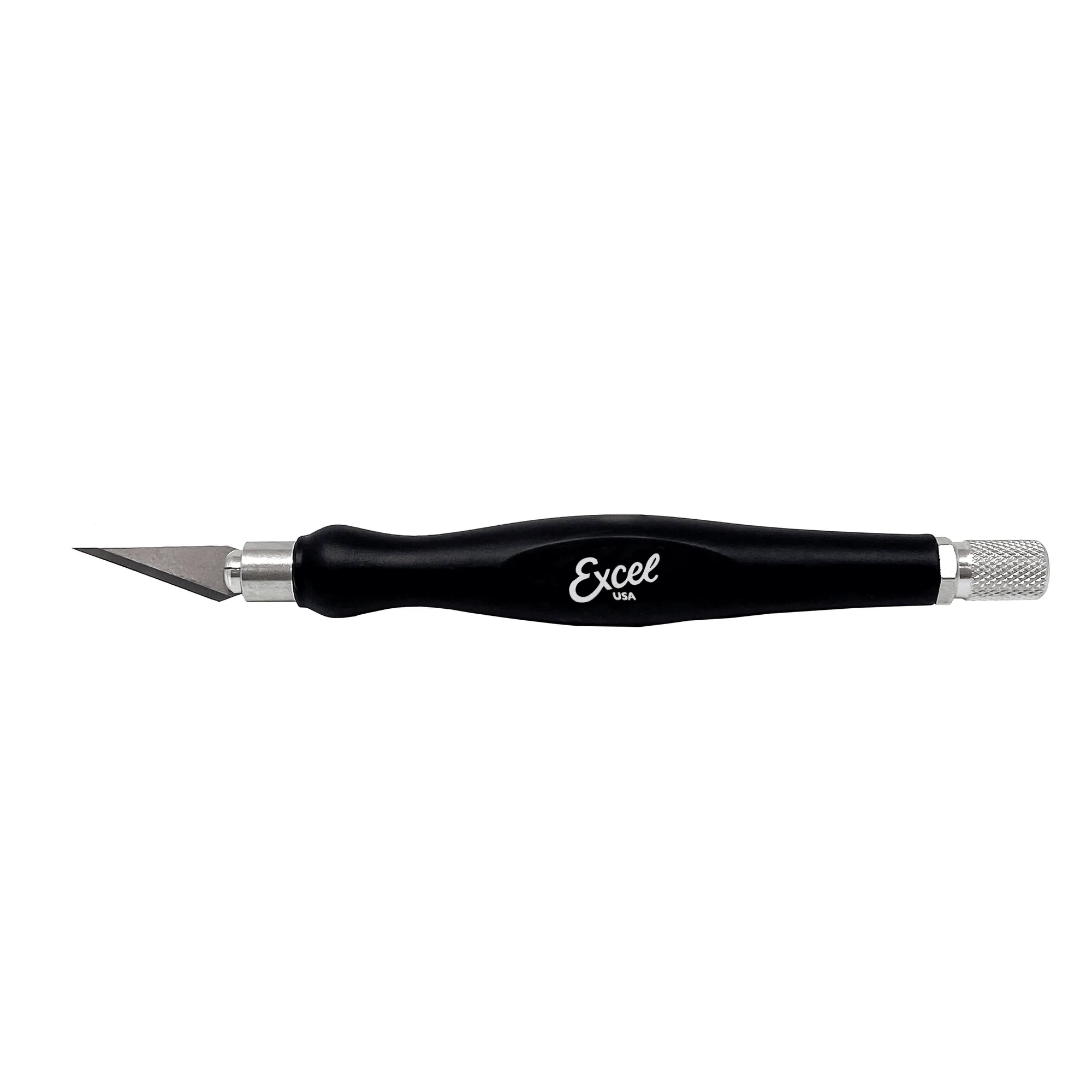
- Grip-on Weeder Hook: Excel Blades 30619 Grip-On Hook Weeder Tool has a 0.58-inch replaceable hook. Because the hook is replaceable, you don’t need to buy a whole new tool when the tip wears out—just swap the hook and keep the handle.