Teething is a challenging milestone for both babies and parents. As your little one's first teeth begin to emerge, you'll notice increased drooling, irritability, and a strong urge to chew. Choosing the right teething product can make a significant difference in your baby's comfort and your peace of mind. Two popular options dominate the market: traditional teethers and the newer baby-led gumline feeders. But what sets them apart, and how do you decide which is best for your baby?
In this comprehensive comparison, we'll explore the design, benefits, and potential drawbacks of both gumline feeders and traditional teethers. By understanding the unique features of each, you'll be equipped to make an informed choice that suits your baby's developmental stage and teething needs.
What Is a Gumline Feeder?
A gumline feeder, also known as a baby-led weaning (BLW) feeder, is a modern teething and feeding tool designed to allow babies to self-feed soft foods while soothing their gums. Unlike traditional teethers that are typically made of solid silicone or rubber, gumline feeders feature a mesh or silicone pouch attached to a handle. Parents fill the pouch with chilled fruits, vegetables, or purees, and the baby chews on the pouch, releasing small amounts of food while massaging sore gums.
These feeders are particularly popular among parents practicing baby-led weaning, as they encourage independent eating and exploration of tastes and textures. The design also helps babies develop fine motor skills and hand-eye coordination as they grasp the handle and guide the pouch to their mouth.
- Encourages self-feeding and independence
- Can be filled with a variety of healthy foods
- Soothing for gums, especially when chilled
What Are Traditional Teethers?
Traditional teethers are the classic, time-tested solution for teething babies. These are typically made from food-grade silicone, rubber, or wood and come in various shapes, such as rings, animals, or textured sticks. They are designed to be held and chewed directly, providing pressure and counter-pressure on the gums to relieve discomfort.
Many traditional teethers can be chilled in the refrigerator to enhance their soothing effect. They are simple, portable, and require no preparation, making them a convenient choice for on-the-go relief. Some models also feature multiple textures to stimulate the gums and promote oral development.
- Ready to use with no preparation
- Portable and easy to clean
- Variety of shapes and textures
Key Differences Between Gumline Feeders and Traditional Teethers
The primary difference lies in their purpose. A gumline feeder serves dual functions: it acts as a teether and a feeding tool. This makes it ideal for babies who are starting solids (around 6 months) and need both gum relief and exposure to new foods. In contrast, traditional teethers are purely for soothing, making them suitable for younger babies who are not yet ready for solids.
Another difference is the cleaning and maintenance. Gumline feeders often have more parts (handle, pouch, and sometimes a lid) that require thorough cleaning to prevent mold. Traditional teethers are usually one-piece and can be easily washed or sterilized. Additionally, gumline feeders may have a shorter lifespan as the mesh or silicone pouch can wear out, whereas traditional teethers can last through multiple children if properly cared for.
- Gumline feeders introduce food; traditional teethers do not
- Gumline feeders require more cleaning effort
- Traditional teethers are more durable and simpler
Which Is Better for Baby-Led Weaning?
If you're practicing baby-led weaning, a gumline feeder can be a valuable addition to your toolkit. It allows your baby to experience new tastes and textures safely, without the risk of choking on large pieces. The feeder gives your baby control over how much food they consume, aligning perfectly with the BLW philosophy of self-feeding and exploration.
For parents looking for a dedicated teething solution, traditional teethers are still the go-to. They are straightforward, effective, and can be used from the very first signs of teething. Many parents find that having both types on hand covers all bases: use a gumline feeder during meal times and a traditional teether for quick relief between meals.
- Gumline feeder supports BLW principles
- Traditional teether is a versatile, everyday soother
- Having both offers flexibility
Safety and Cleaning Considerations
Safety is paramount when choosing any baby product. Both gumline feeders and traditional teethers should be made from BPA-free, food-grade materials. Always inspect products for wear and tear, as damaged silicone or mesh can become a choking hazard. For gumline feeders, ensure the pouch is securely attached to the handle and that the mesh holes are small enough to prevent large chunks from passing through.
Cleaning routines differ. Traditional teethers can be washed with warm soapy water or placed in the dishwasher (if top-rack safe). Gumline feeders require more attention: the pouch should be rinsed immediately after use, and the handle and pouch should be thoroughly cleaned and dried to prevent mold growth. Some models are dishwasher-safe, but always check the manufacturer's instructions.
- Check for BPA-free labels on all products
- Replace gumline feeder pouches if they show signs of wear
- Sterilize traditional teethers regularly, especially for younger babies
How to Choose the Right Product for Your Baby
Consider your baby's age and developmental stage. If your baby is under 6 months and just starting to teethe, a traditional teether is the safest and simplest choice. Once your baby begins solids (around 6 months), a gumline feeder can be introduced to combine feeding and teething relief. For older babies (12 months+), you might find that traditional teethers are no longer needed, but gumline feeders can still be useful for introducing new foods.
Also, think about your lifestyle. If you're often out and about, a traditional teether is easy to toss in a diaper bag. If you're at home and want to encourage self-feeding, a gumline feeder is a great option. Many parents find that having a few different types of teethers and feeders keeps their baby engaged and provides variety.
- Match the product to your baby's age and feeding stage
- Consider ease of cleaning and portability
- Observe your baby's preferences—some babies prefer certain textures
Both gumline feeders and traditional teethers have their place in your baby's teething journey. The right choice depends on your baby's age, your feeding philosophy, and your lifestyle. For a comprehensive solution, consider exploring our range of feeding accessories, including the Baby-Led Weaning Food Cutters and the Mini Mat, which can complement your teething routine. Remember, every baby is unique, so don't be afraid to try both options to see what works best.
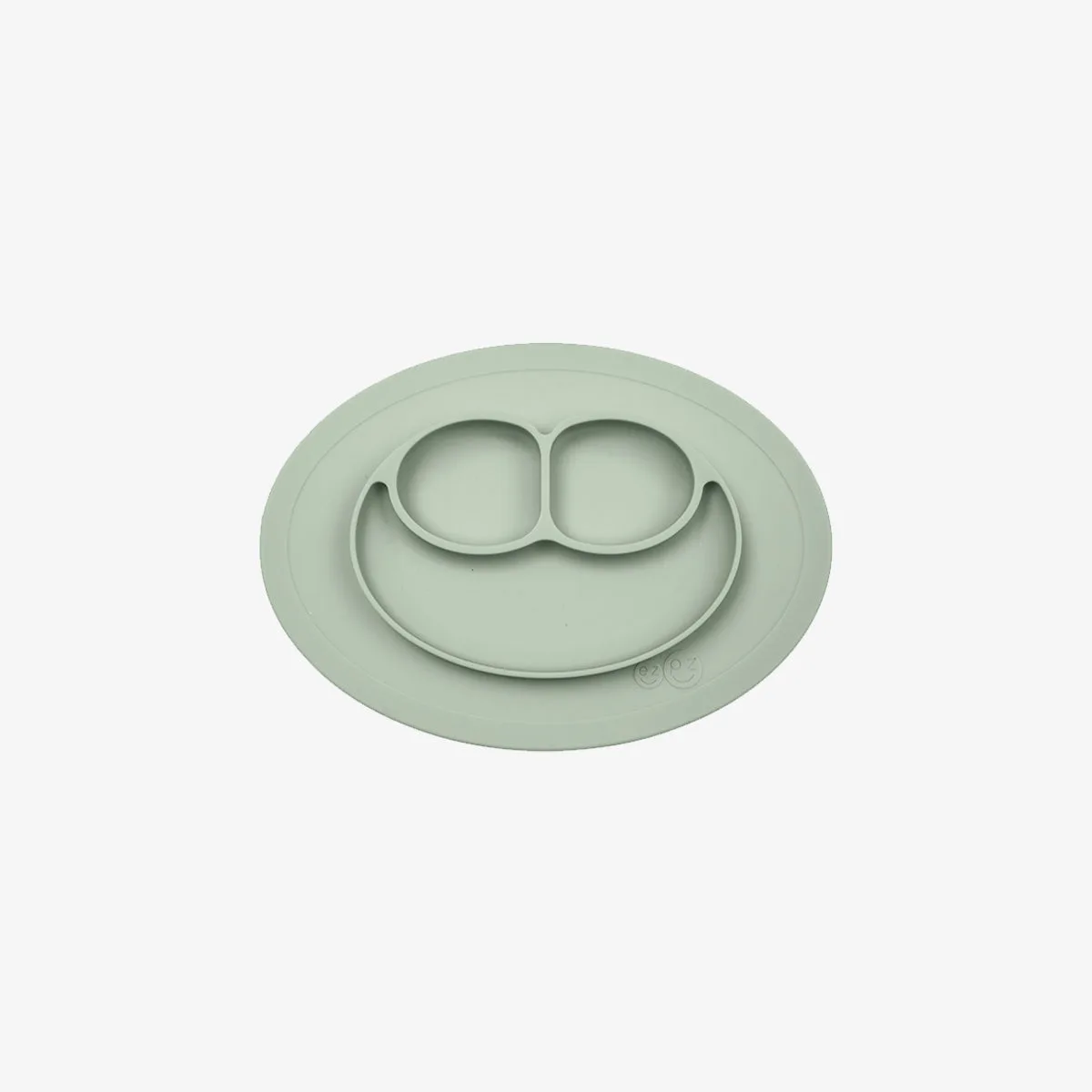
Mini Mat