Quick answer
For most collectors, One Piece and Dragon Ball figures from licensed Japanese makers hold value more predictably than mass-market Gundam figures, because character demand stays steady and edition types are easier to verify. Gundam can still be worth buying, but its resale value depends on kit rarity, condition and whether it was built or sealed. Buy the character you actually want first; treat appreciation as a bonus, not a guarantee.
How licensing and brand shape resale value
The single strongest value signal in anime figures is whether the item is an authentic, licensed release from a known Japanese maker. Bandai, Bandai Banpresto and SEGA produce the figures in this store, and all of them are described as genuine and dispatched from Osaka, Japan. That matters because unlicensed copies flood the market and drag down resale prices even for popular characters. Before comparing characters, confirm the brand on the box and the product listing.
Edition type: why prize figures behave differently
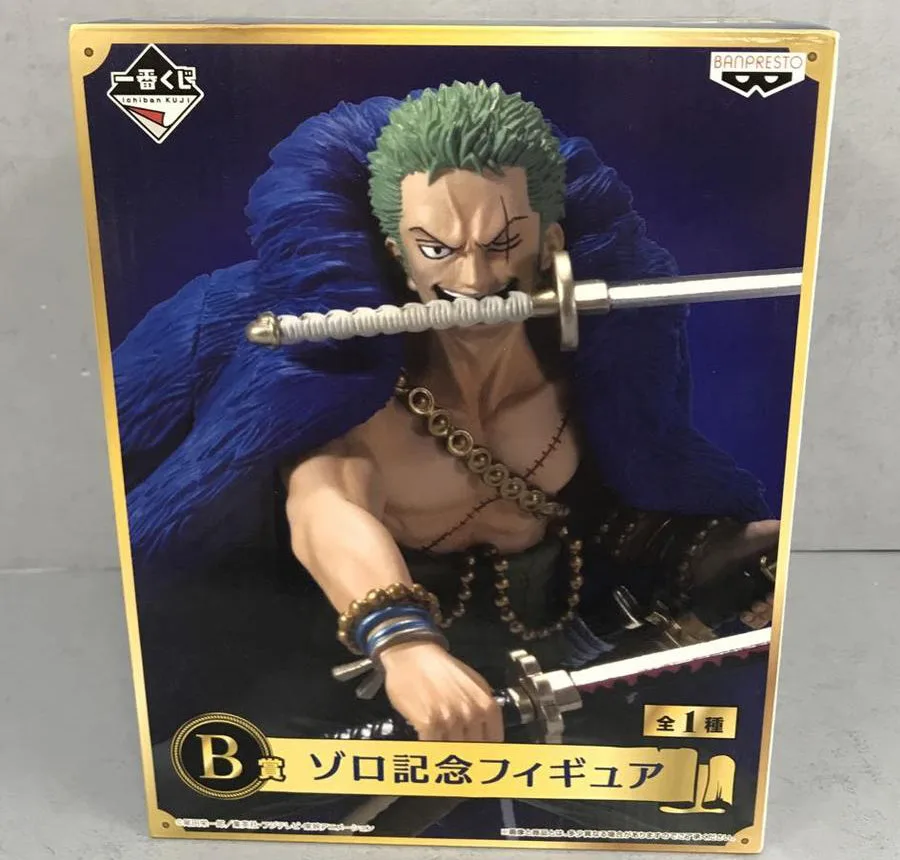
Ichiban Kuji figures are lottery prize items, not open retail stock. That distinction changes value in two ways: supply is limited to the prize run, and specific prize tiers can be harder to find later. A Last One Prize or a specific lettered prize often holds better than a common retail reissue because collectors chasing a full set need that exact piece. The trade-off is that prize figures rarely reach the heights of limited scale statues, so expect steady interest rather than dramatic spikes.
Size, character demand and the value ceiling
Larger figures usually cost more to ship and display, but size alone does not create value. A 25 cm prize figure of a main character can outperform a smaller figure of a niche character simply because more buyers want it. This is why One Piece and Dragon Ball main characters tend to be the safer holds: the audience is large and persistent. Niche or seasonal designs can appreciate too, but they depend on a smaller pool of motivated buyers.
Condition, packaging and what buyers actually check
Resale value collapses fast when a figure is displayed in direct sun, has loose joints, or arrives without its box. Buyers of collectible figures check paint fade, base stability and whether the original packaging is included. If you plan to resell later, keep the box and store the figure away from heat and UV light. A figure kept in good condition with packaging will almost always beat the same figure displayed carelessly.
A practical way to judge a listing before you buy
Start with the brand and series, then check the character, then the edition type, and only then look at price. A low price on an unlicensed figure is not a bargain, and a high price on a common reissue is not an investment. Use the catalog comparison price as a reference point, not a promise of future value. If a listing omits the brand or edition details, treat that as a reason to ask questions before buying.
Trade-offs to weigh before you buy
- One Piece and Dragon Ball main characters: Large, persistent fan bases and frequent licensed releases keep demand steady, but common reissues can limit how much a single figure appreciates. Best for collectors who want a recognizable centerpiece with easier resale.
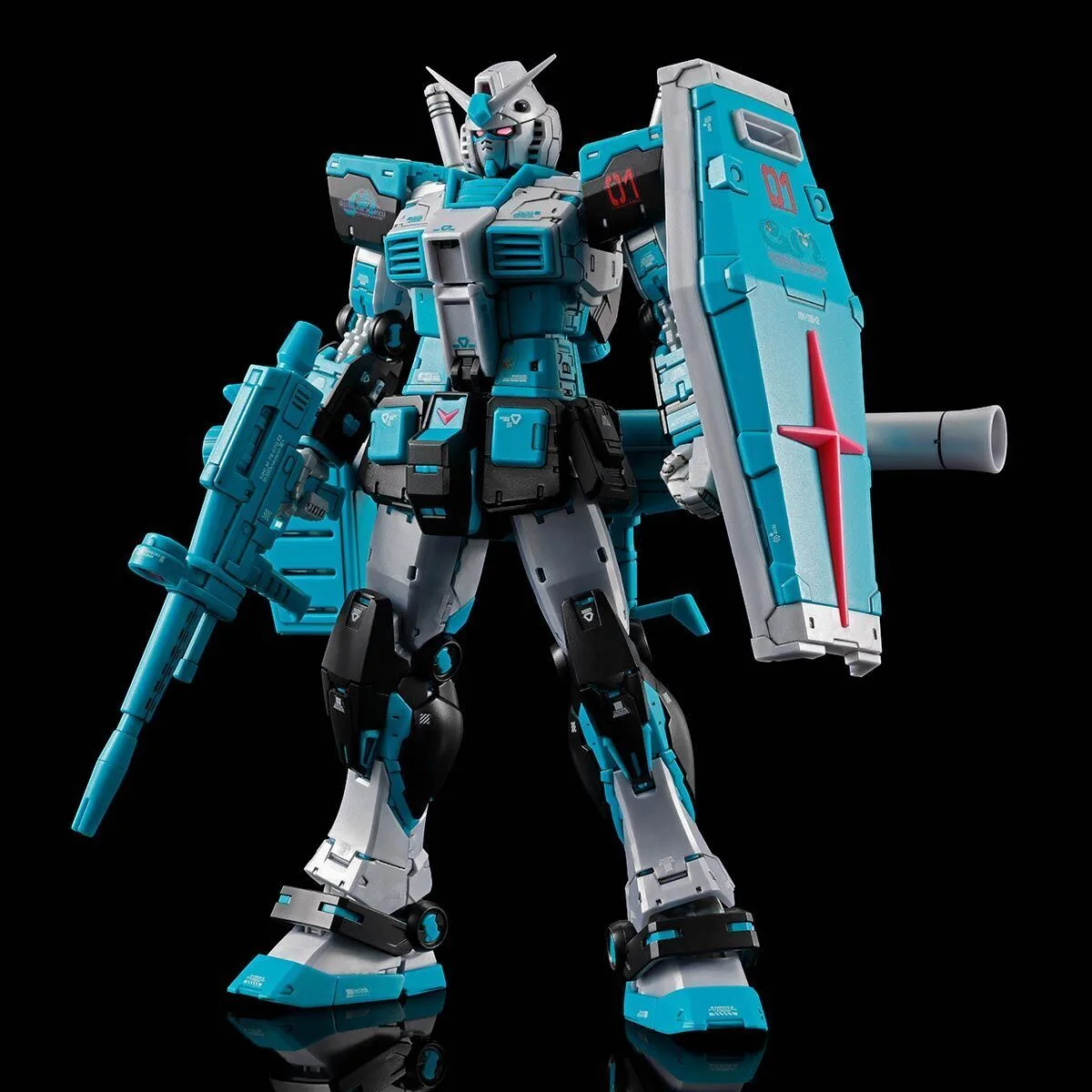
- Gundam kits and figures: Value depends heavily on rarity, condition and whether the kit is sealed or built; a built kit with worn parts is worth far less than a sealed one. Buy Gundam because you enjoy building, not as a short-term investment.
- Ichiban Kuji prize tiers: Specific prize letters and the Last One Prize can be harder to find later, which supports value, but the ceiling stays below limited scale statues. If you are chasing a set, buy the missing tier when you see it rather than waiting.
- Niche and crossover designs: Crossover or seasonal figures like the Miku x Cinnamoroll Summer Ver. can attract two fan bases, but the narrower theme means fewer buyers at resale. Choose these for personal enjoyment first.
Grounded examples from this store
- Ichiban Kuji One Piece MONKEY.D.LUFFY Memories of Adventure and Voyage to the Future Luffy Figure: Ichiban Kuji One Piece MONKEY.D.LUFFY Memories of Adventure and Voyage to the Future Luffy Figure, Bandai, with Prize A at 17 cm, Prize B at 25 cm, Prize C at 20 cm, Prize D at 22 cm and Last One Prize at 24 cm. The lettered prize tiers and the Last One Prize give collectors a clear reason to seek specific versions, which supports steadier resale interest for the exact tier a buyer needs.
- XStellar Hatsune Miku x Cinnamoroll Summer Ver. Figure: XStellar Hatsune Miku x Cinnamoroll Summer Ver. Figure, SEGA, 18 cm, described as rare and dispatched from Osaka, Japan. A crossover character design can appeal to two fan bases at once, but the seasonal theme means demand is narrower than for a main-series character.
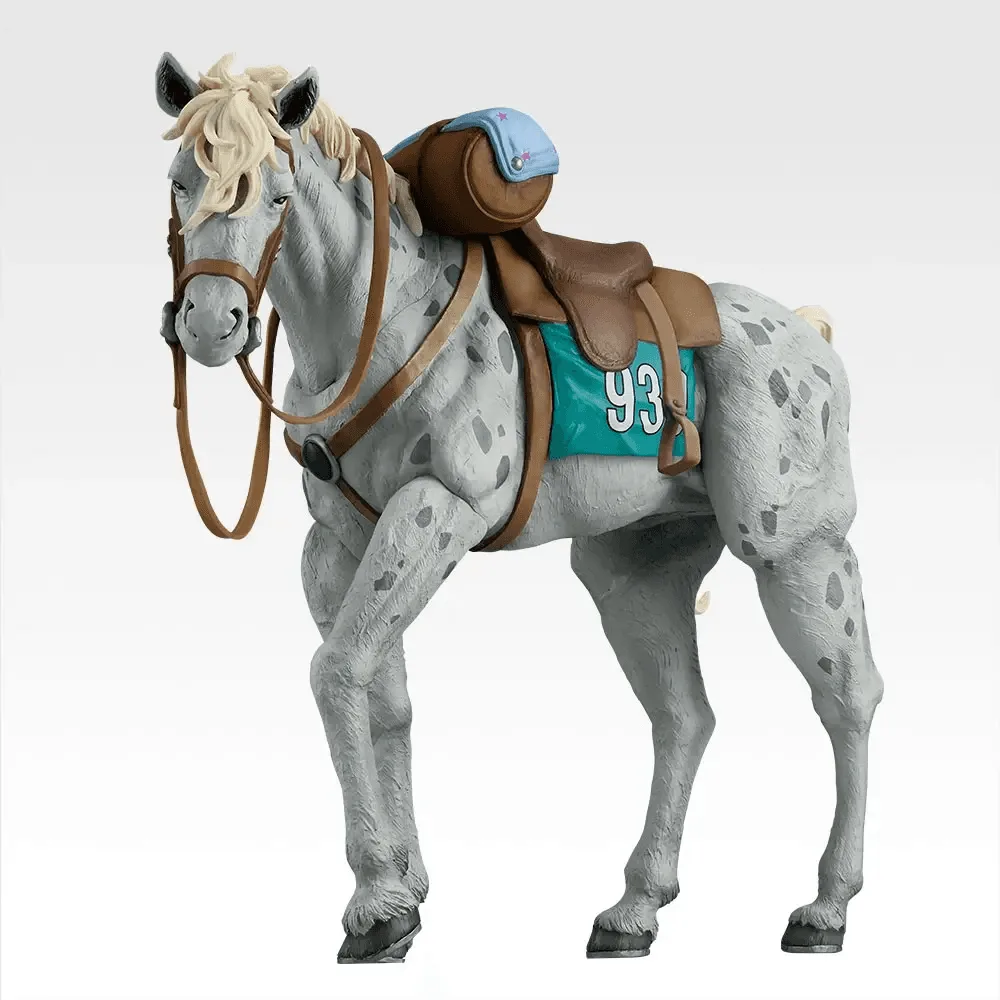
- Banpresto Umamusume: Pretty Derby Curren Chan Figure: Banpresto Umamusume: Pretty Derby Curren Chan Figure, Bandai Banpresto, 17 cm, described as authentic and dispatched from Osaka, Japan. A licensed Banpresto release of a specific character shows how series popularity, not just size, drives which figures collectors pursue.
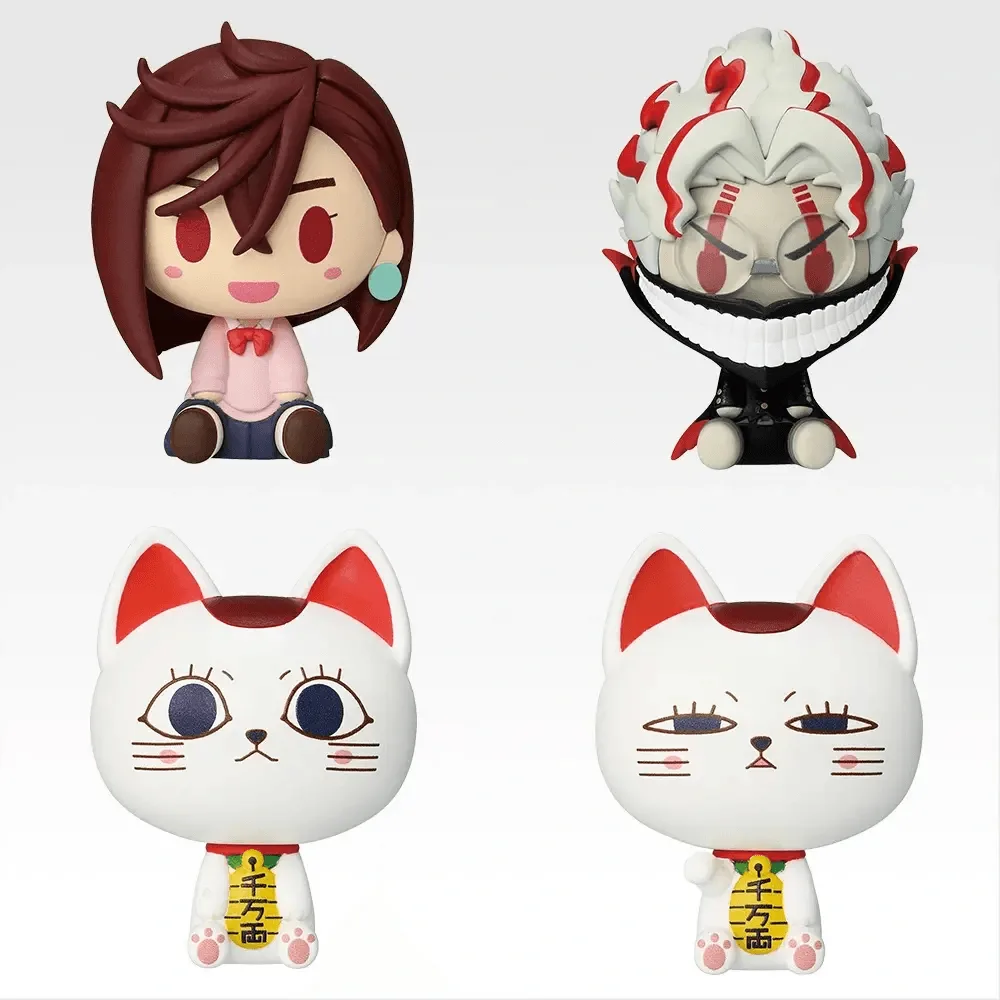
- Ichiban Kuji Hololive Chokonokko Collection 2026 ver. Tsunomaki Watame Chokonokko Figure: Ichiban Kuji Hololive Chokonokko Collection 2026 ver. Tsunomaki Watame Chokonokko Figure, BANDAI, 4.5 cm. Small prize figures can still hold interest when the character and collection are active, but the low height means display impact is limited compared with larger figures.
Who should buy which
Best for
- Collectors who want licensed One Piece or Dragon Ball figures with steady character demand
- Buyers who value specific Ichiban Kuji prize tiers or a Last One Prize
- Shoppers who will keep the box and store figures away from heat and sunlight
Not for
- Buyers expecting guaranteed short-term profit from any anime figure
- Collectors who plan to open and heavily handle figures and still resell at a premium
- Shoppers who only want the cheapest listing and will skip brand or edition checks