Quick answer
Choose Gunshot Wound Training if you want in-depth coverage of gunshot-specific emergencies; pick the M.A.R.C.H. First Aid Video Training Course for a broader tactical medicine foundation covering massive bleeding, airway, respiration, circulation, and head injuries.
Scope and focus: gunshot-specific vs. systematic trauma care
Gunshot Wound Training dives deep into the specifics of gunshot wounds—from ballistics to wound assessment—taught by Special Forces Medic Billy Haley. It is ideal if your primary concern is responding to a shooting incident, whether in a civilian or tactical setting.
The M.A.R.C.H. First Aid Video Training Course follows the military-proven M.A.R.C.H. algorithm (Massive bleeding, Airway, Respiration, Circulation, Head/Hypothermia). It covers a wider range of trauma scenarios, including but not limited to gunshot wounds. This makes it a more versatile choice for general preparedness.
Training depth vs. breadth trade-off
Gunshot Wound Training offers a focused, scenario-driven curriculum that may be more engaging for those who want to master one life-threatening injury type. However, it does not cover other common trauma causes like falls, vehicle accidents, or blast injuries.
The M.A.R.C.H. course provides a systematic framework that applies to many emergencies, but its broader scope means less time on any single injury mechanism. If your main exposure risk is gun violence, the specialized course may feel more directly applicable.
Trade-offs at a glance
- Gunshot Wound Training: Deep dive into gunshot-specific wound management, ballistics, and assessment. Best if your risk profile is heavily weighted toward firearm injuries. Choose this if your primary concern is a shooting incident and you want expert-led, scenario-focused training.
- M.A.R.C.H. First Aid Video Training Course: Comprehensive trauma care using the M.A.R.C.H. algorithm. Covers massive bleeding, airway management, chest seals, circulation control, and hypothermia/head injuries. Choose this if you want a versatile, all-hazards trauma course that works for gunshot wounds, vehicle accidents, falls, and more.
- Key trade-off: Gunshot Wound Training provides specialized depth; M.A.R.C.H. course provides systematic breadth. You cannot get both from a single course. Consider your primary threat environment and whether you need a general trauma framework or a focused gunshot response.
Course product facts
-
Gunshot Wound Training: Over three hundred people receive a gunshot wound a day in the United States alone. Taught by Special Forces Medic Billy Haley. This course is tailored for those who want to be prepared specifically for gunshot injuries, a statistically significant threat.
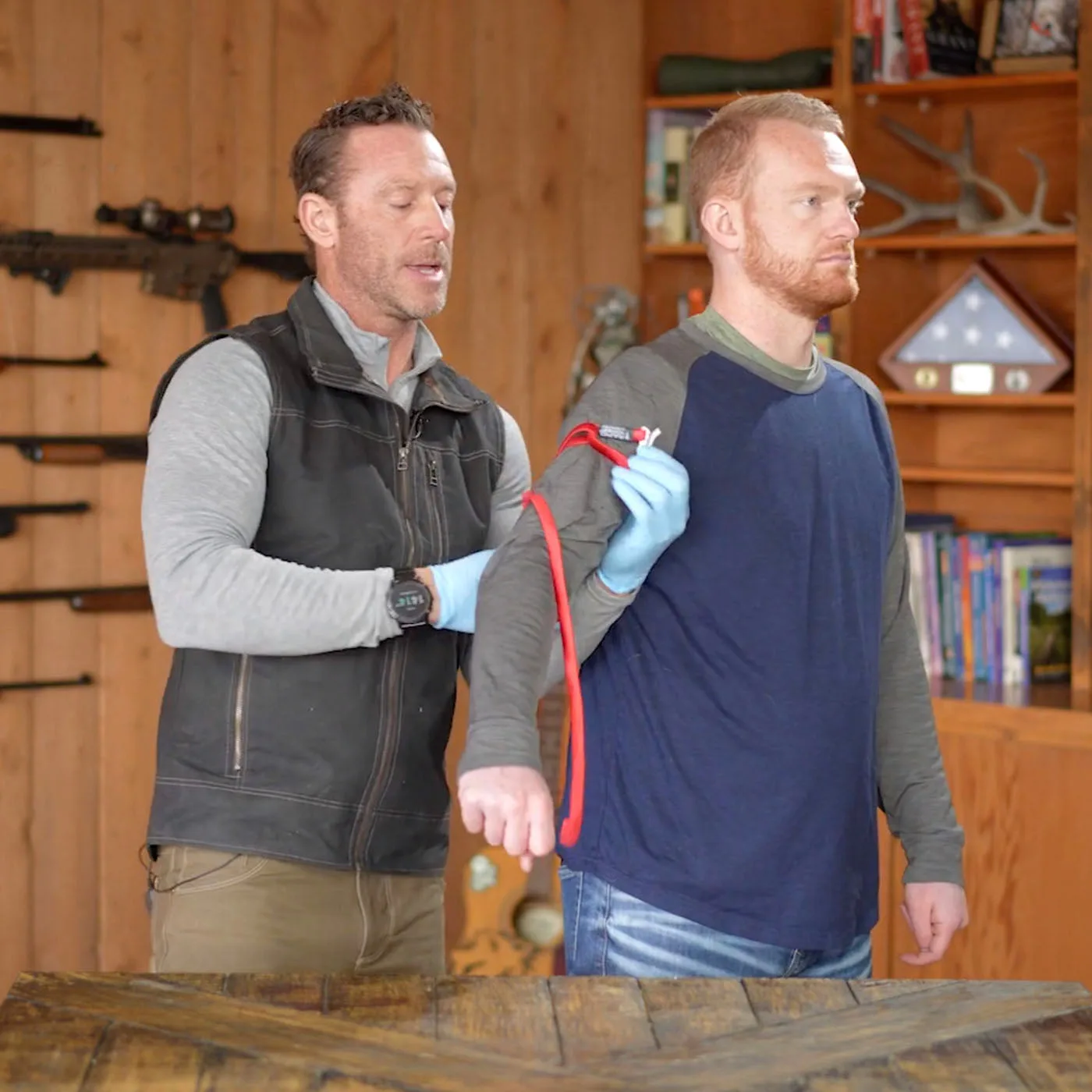
Gunshot Wound Training
-
M.A.R.C.H. First Aid Video Training Course: Covers M - Massive Bleeding/Hemorrhage, A - Airway and Using an NPA, R - Respiration and Applying a Chest Seal, C - Circulation, and H - Head/Hypothermia. The M.A.R.C.H. framework gives you a structured, repeatable approach to the most common preventable causes of death in trauma, not just gunshot wounds.
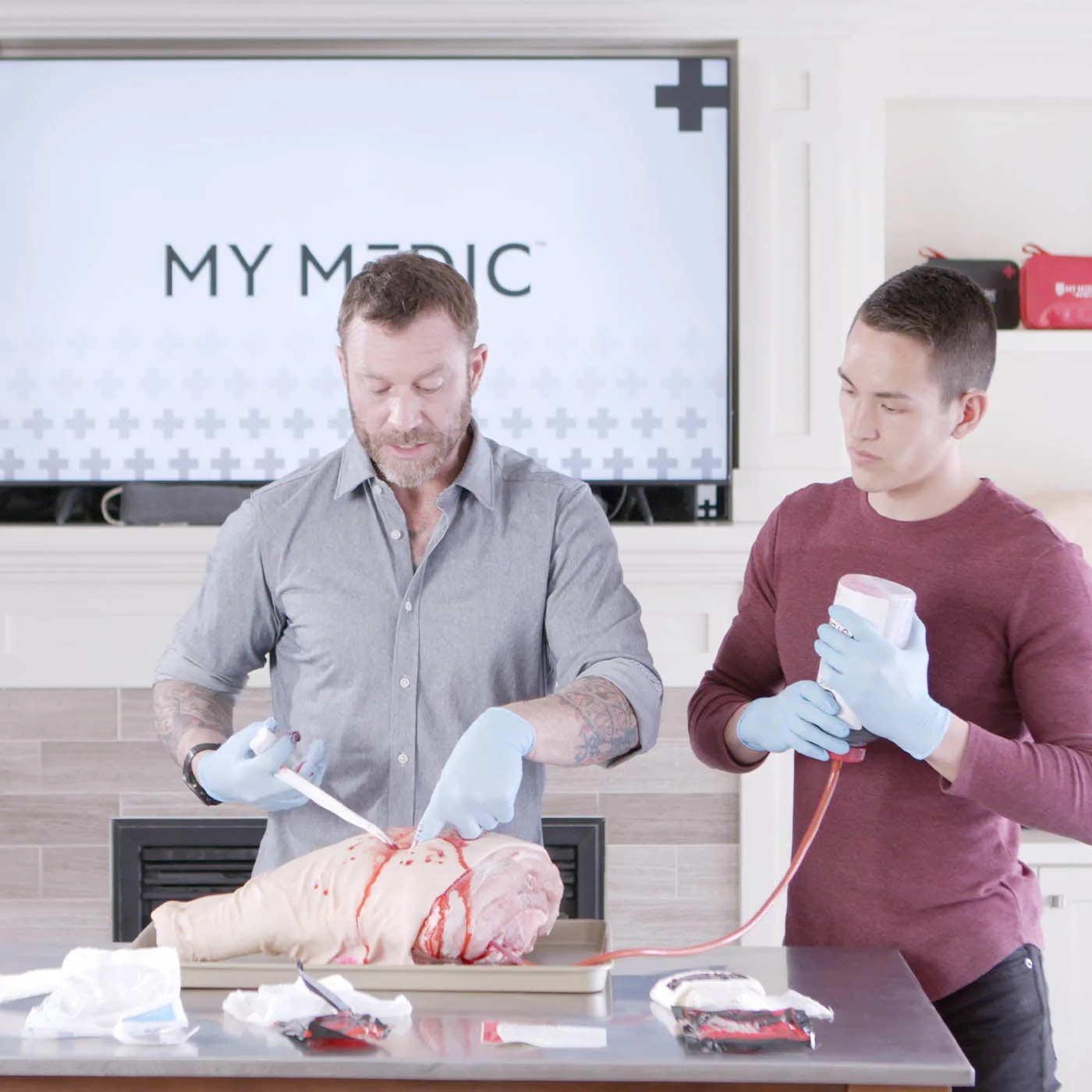
M.A.R.C.H. First Aid Video Training Course
Which course fits you?
Best for
- Individuals who live, work, or travel in areas with elevated gun violence risk and want a deep dive into gunshot wound management.
- First responders, security personnel, or civilians seeking a structured trauma care algorithm that applies to multiple emergency scenarios.
Not for
- Those who need a broad trauma response framework covering many injury types — the Gunshot Wound Training alone may be too narrow.
- Those who only want gunshot-specific training — the M.A.R.C.H. course may feel too general for that single focus.