Quick Answer
Both HABA magnetic toys and traditional wooden toys offer unique benefits, but the best choice depends on your child's age and play preferences. Magnetic toys excel at teaching cause-and-effect and fine motor skills through dynamic play, while wooden toys provide timeless, durable open-ended exploration. For young toddlers, wooden toys like stacking cubes are often safer and simpler, while preschoolers may thrive with magnetic sets that inspire creativity and problem-solving.
When browsing HABA's diverse toy collection, you'll notice two popular categories: magnetic toys and traditional wooden toys. Each has its own charm and developmental benefits, but choosing between them can be tricky. This comparison breaks down the key differences to help you decide which aligns best with your child's needs.
We'll look at play patterns, durability, safety, and educational value, using real HABA products as examples. By the end, you'll have a clear picture of the tradeoffs and practical guidance for making the right purchase.
Understanding Play Patterns: Magnetic vs. Wooden
Magnetic toys, like HABA's Kullerbu track sets, offer dynamic, cause-and-effect play. Children can connect pieces, watch balls roll down ramps, and experiment with magnetic connections. This type of play encourages problem-solving and spatial reasoning as kids figure out how to build stable structures or create exciting marble runs.
Traditional wooden toys, such as stacking cubes or push walkers, provide open-ended play that grows with the child. They invite imagination and storytelling, allowing kids to use the same toy in countless ways over the years. Wooden toys are often simpler, making them ideal for younger children who are still developing basic motor skills.
- Consider your child's attention span: magnetic toys often have a clear goal, while wooden toys are more open-ended.
Durability and Longevity: What Lasts Longer?
Wooden toys are renowned for their durability. HABA's wooden toys, like the Walker Wagon Baby Push Walker, are built to withstand rough play and can even be passed down to younger siblings. Wood doesn't break easily and is less likely to have small parts that come loose, making it a long-term investment.
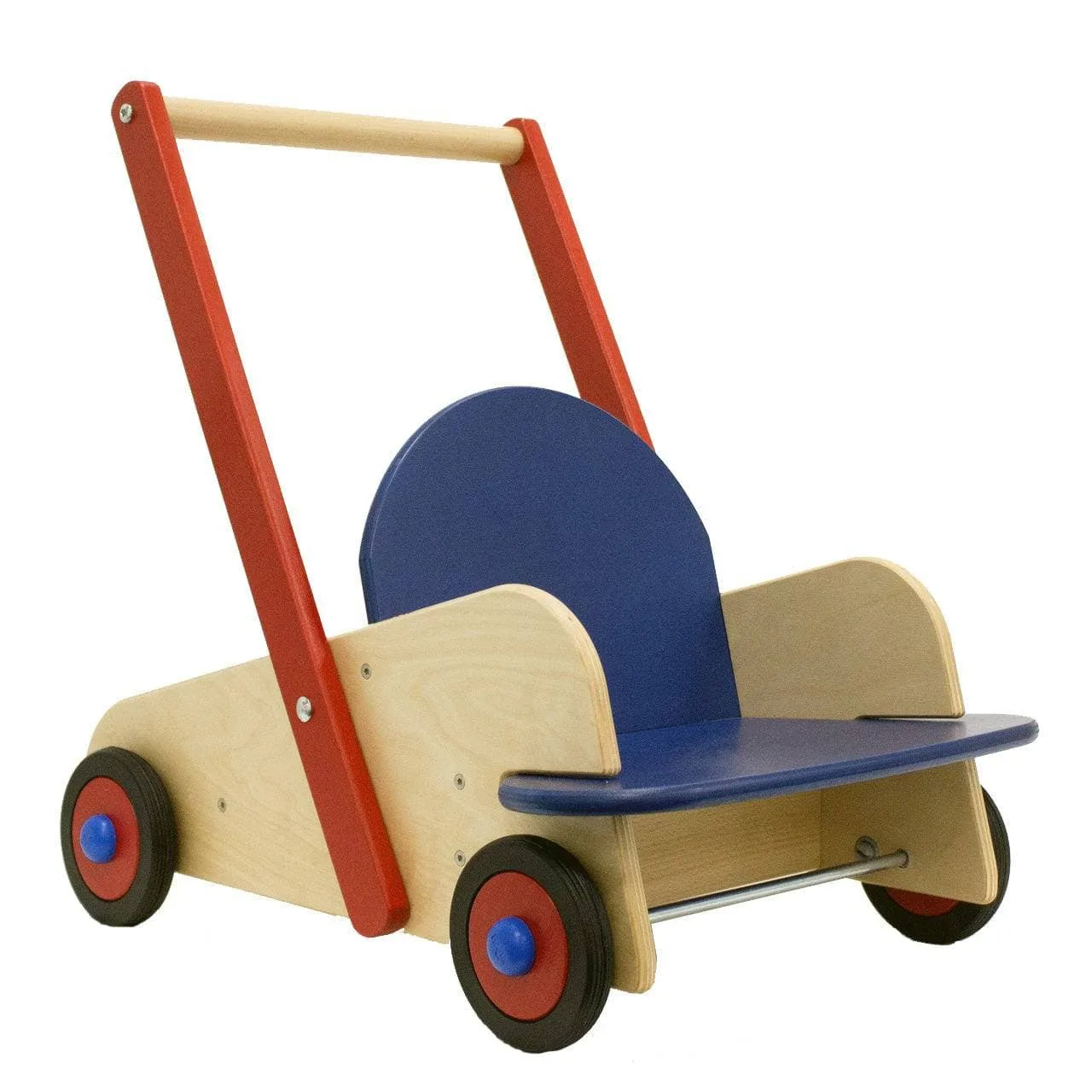
Walker Wagon Baby Push Walker
Magnetic toys, while also well-made, may have more moving parts and small magnets that could wear over time. However, HABA's quality ensures they hold up well with proper care. The Kullerbu Mountain Adventure Track Set, for example, features sturdy plastic and wood components that are designed for repeated use. Still, if you're looking for a toy that lasts through multiple children, traditional wooden toys often have the edge.
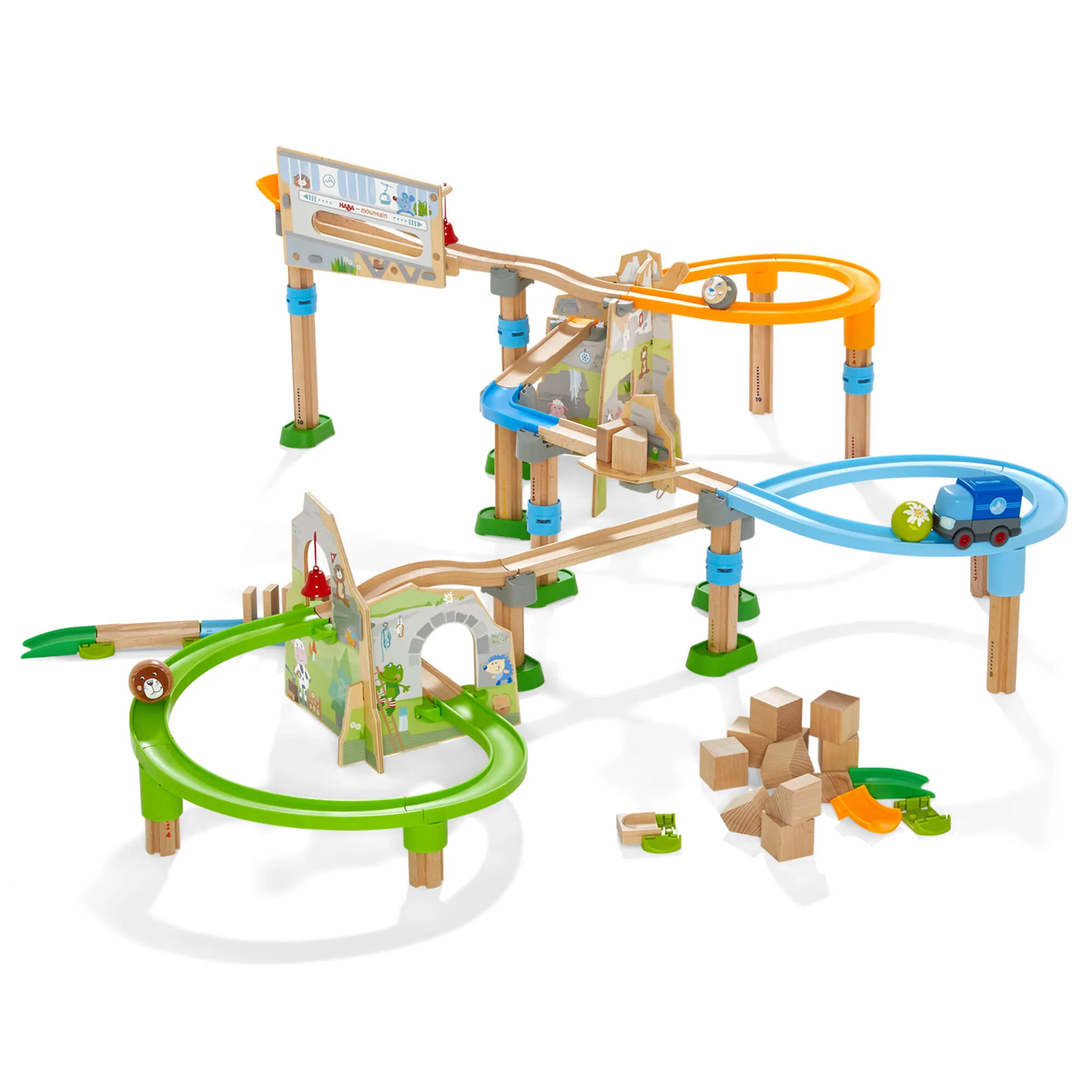
Kullerbu Mountain Adventure Track Set
- For heirloom-quality toys that can be handed down, choose wooden. For engaging, action-packed play, magnetic sets are worth the investment.
Safety Considerations for Different Ages
Safety is paramount when choosing toys. For babies and toddlers under 3, wooden toys without small parts are generally safer. The On the Farm Cardboard Stacking & Nesting Cubes are a great example: they're lightweight, have no small magnets, and are sized just right for little hands. Similarly, the Walker Wagon supports early walkers without choking hazards.
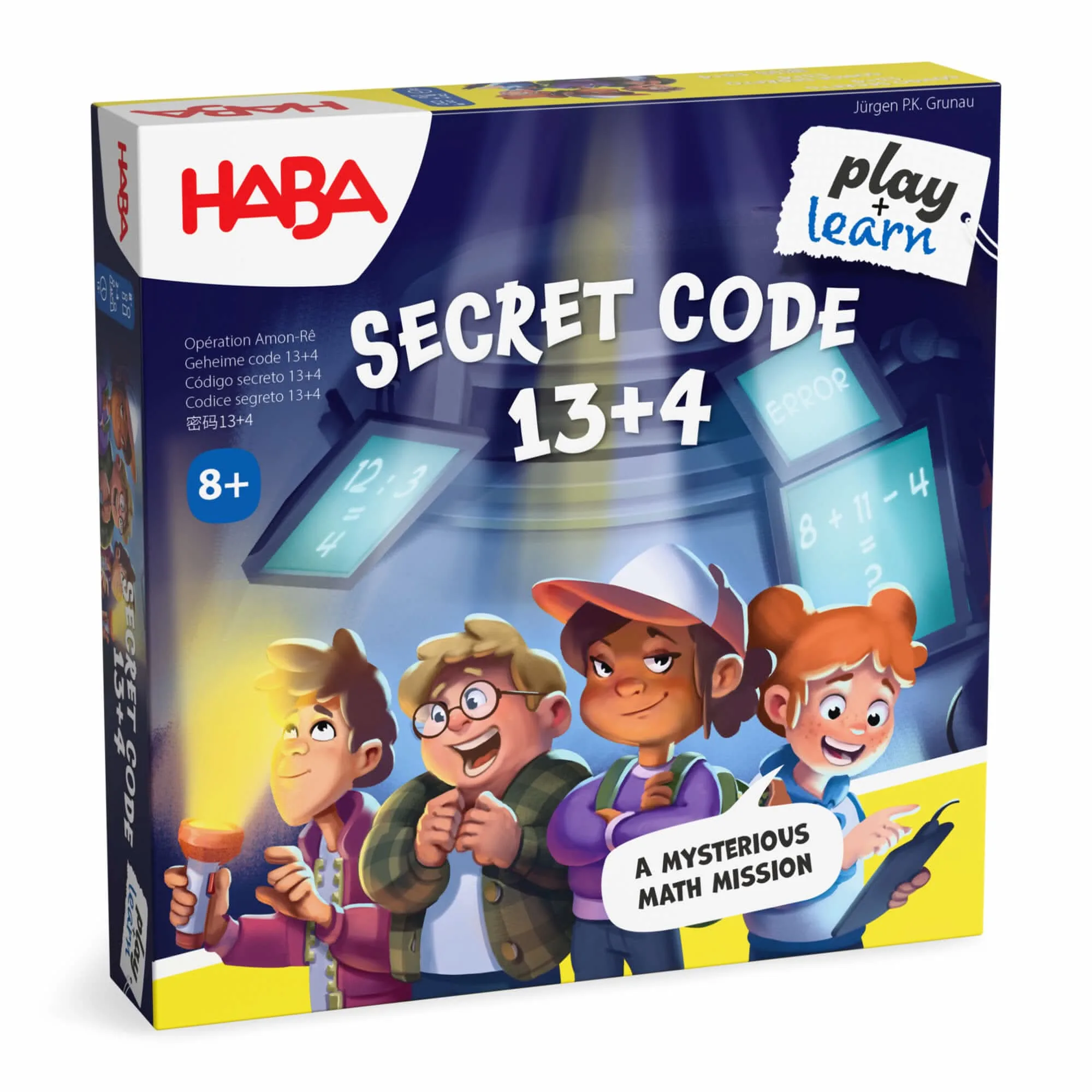
Magnetic toys often contain small magnets that can be hazardous if swallowed. They are typically recommended for older children who understand not to put them in their mouths. The Secret Code 13+4 Math Game, for instance, is designed for school-age kids and includes small pieces that require careful handling. Always check age recommendations and supervise younger children during play.
- Always check the age rating on the product page and consider your child's tendency to mouth objects.
Educational Value: What Skills Do They Build?
Both toy types offer educational benefits, but they target different skills. Magnetic toys like the Kullerbu Mountain Adventure Track Set teach physics concepts like gravity, momentum, and cause-and-effect. They also enhance fine motor skills as children connect pieces and place balls on tracks. This hands-on experimentation fosters problem-solving and critical thinking.
Wooden toys, on the other hand, promote cognitive skills like counting, sorting, and sequencing. The On the Farm stacking cubes help toddlers learn numbers and sizes while encouraging language development through storytelling. Wooden toys also support imaginative play, which is crucial for social and emotional growth. The Walker Wagon doubles as a doll stroller, nurturing empathy and nurturing skills.
- If your goal is STEM learning, magnetic toys are a strong choice. For early math and language skills, wooden toys shine.
Tradeoffs at a Glance
- Play Style: Magnetic toys offer structured, goal-oriented play; wooden toys are open-ended and imaginative. Choose magnetic for kids who love building and experimenting; wooden for kids who enjoy storytelling.
- Durability: Wooden toys are typically more durable and can last for years; magnetic toys may have more parts that can wear out. If you want a toy that lasts through multiple children, wooden is often the safer bet.
- Safety: Wooden toys are safer for younger children, while magnetic toys may have small parts and magnets that require supervision. Always consider age and mouthing behavior; wooden for under 3, magnetic for older kids.
- Educational Focus: Magnetic toys teach physics and problem-solving; wooden toys support early math, language, and social skills. Match the toy to your learning goals: STEM vs. early literacy and numeracy.
Product Highlights
- Kullerbu Mountain Adventure Track Set: Wind through the mountains taking in all the exciting curves and rocky boulders! With the Kullerbü Mountain Adventure Track Set, kids will be ready for fast-paced rolling action that will have them scaling the highest peaks. The edelweiss, marmot and ibex balls roll up and down on the HABA Mountain Adventure master fairway ready to conquer three spiral curves. Next they roll quickly through the bell gate, past... This magnetic-based track set offers dynamic, cause-and-effect play that teaches physics and problem-solving, making it ideal for children who enjoy active experimentation.
- On the Farm Cardboard Stacking & Nesting Cubes: Introduce toddlers to early counting, size sequencing, and storytelling with this charming set of 10 stacking cubes. Decorated with whimsical farm scenes featuring Farmer Tim, his trusty tractor, and cheerful animals, each cube invites open-ended play and discovery. Whether stacking a tall tower or nesting them neatly together, little ones will love exploring every side. Made from sturdy cardboard and sized just... This wooden (cardboard) toy supports early learning in a safe, simple way, perfect for toddlers developing basic cognitive and motor skills.
- Walker Wagon Baby Push Walker: Steady steps and endless adventures! Designed for young explorers to hold on and walk at their own pace, the Walker Wagon Baby Push Walker is more than just a helping hand - it's a little one’s gateway to exploration and play! Designed to grow with your child, it’s perfect for taking those first steps while doubling as a stroller for a favorite doll or teddy. With a spacious rear compartment for extra toys, this... This wooden push walker offers long-term value, supporting both physical development and imaginative play, making it a versatile choice for growing children.
Which Should You Choose?
Best for
- Children who enjoy building and experimenting with cause-and-effect (e.g., Kullerbu track sets).
- Parents seeking STEM-focused toys that develop problem-solving and fine motor skills.
Not for
- Toddlers under 3 who still mouth objects—choose wooden toys without small parts instead.
- Families looking for heirloom-quality toys that can be passed down—wooden toys are more durable.
In the end, both HABA magnetic toys and traditional wooden toys have their place in a child's toy box. Assess your child's age, interests, and your educational priorities, then choose the type that best fits. Remember, you can also combine both to offer a balanced play experience that nurtures different skills.