Quick Answer
For toddlers and young preschoolers, choose chunky wooden puzzles with large pieces, like the Elephant 2-in-1 Wooden Puzzle. For older kids who enjoy imaginative play, consider themed puzzles that double as play props. Always match the puzzle to your child's current fine motor skills and interest level, not just their age.
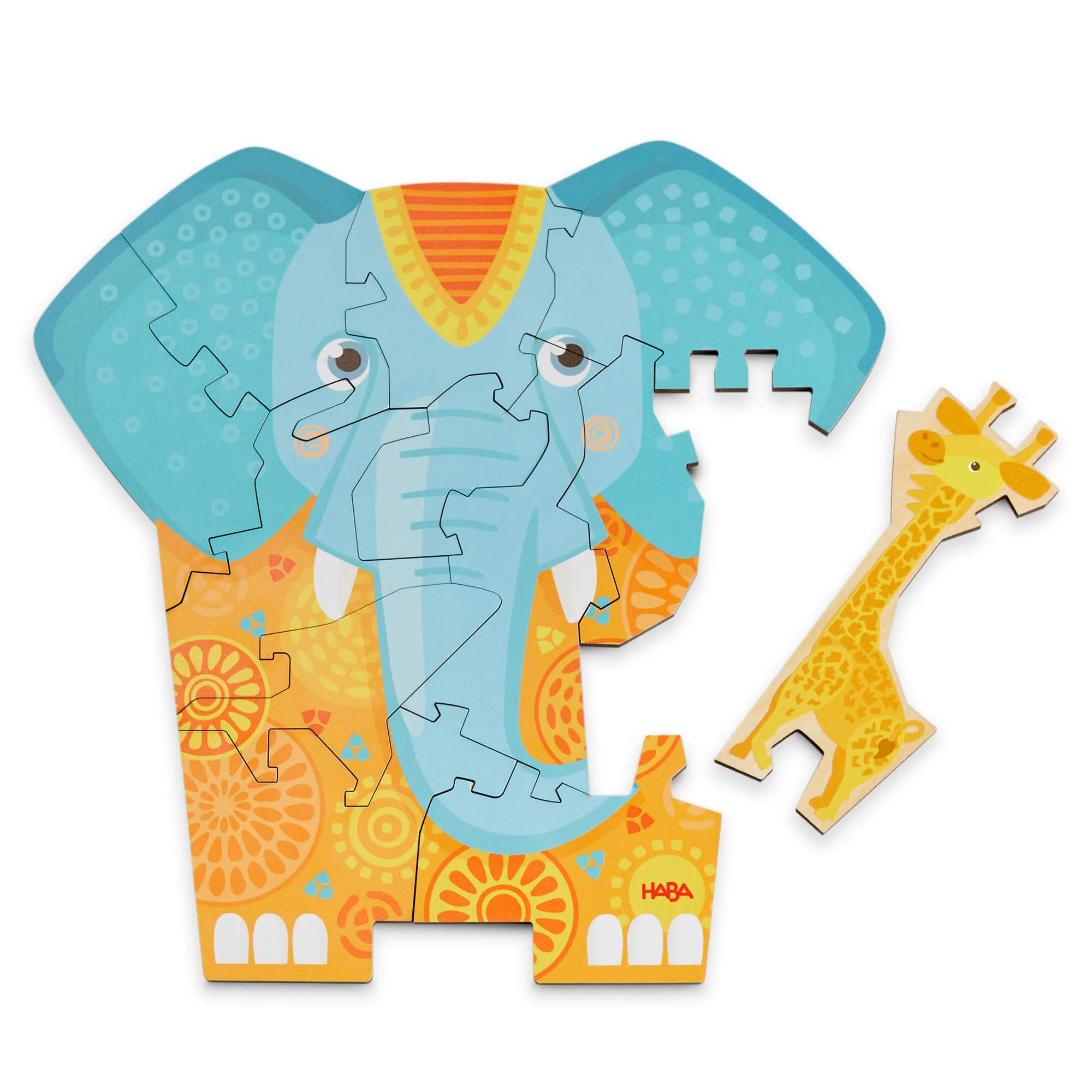
Elephant 2-in-1 Wooden Puzzle
Puzzles are more than just a quiet activity—they build problem-solving skills, hand-eye coordination, and patience. HABA offers a range of wooden puzzles that are durable and beautifully designed, but with so many options, it can be tricky to know which one suits your child. This guide breaks down what to look for by age and skill, so you can choose a puzzle that will be played with, not just stored on a shelf.
We'll cover the key differences between puzzle types, how to assess your child's readiness, and when a puzzle might not be the best choice. You'll also see a few real HABA examples to illustrate the points.
Why Choose Wooden Puzzles?
Wooden puzzles are a classic for good reason. They are sturdy, can withstand rough handling, and often feature smooth, chunky pieces that are easy for small hands to grasp. Unlike cardboard puzzles, wooden pieces don't bend or tear, making them a long-lasting investment. HABA's wooden puzzles are crafted from sustainable materials, so they're also an eco-friendly choice.
However, wooden puzzles can be heavier and sometimes more expensive than cardboard versions. If you're looking for a budget-friendly option or a puzzle with many intricate pieces for an older child, a cardboard puzzle might be more practical. But for toddlers and young children who are still developing fine motor skills, wooden puzzles are often worth the extra cost.
- Check for smooth edges and non-toxic finishes, especially for younger kids who might put pieces in their mouths.
Age-by-Age Puzzle Selection
For toddlers (1-2 years), look for puzzles with few pieces (2-4) and large knobs or chunky pieces. These help develop grip and cause-and-effect understanding. The Elephant 2-in-1 Wooden Puzzle, with its 12 pieces, might be too advanced for this age, but it's perfect for 3-year-olds who are ready for more of a challenge.
Preschoolers (3-4 years) can handle puzzles with 8-20 pieces, especially if the image is engaging. A 2-in-1 puzzle like the Elephant offers double the value—two different pictures to solve, which extends playtime. By ages 5-6, children can tackle 20-50 piece puzzles and enjoy themes like animals, vehicles, or scenes from their favorite stories. Always consider your child's individual interest: a puzzle with a beloved character will hold attention longer than a generic scene.
- Observe your child's current puzzle skills: do they still put pieces in their mouth? Do they get frustrated easily? Choose accordingly.
Beyond the Classic: Puzzles That Double as Play
Some puzzles offer more than just fitting pieces together. For example, the Elephant 2-in-1 Wooden Puzzle encourages creativity and problem-solving, but it's still a traditional puzzle. Other HABA products, like play food sets, can also involve puzzle-like assembly. The Creative Play – Wooden Eggs Play Food Set, for instance, includes an egg that can be 'cracked' open to reveal a removable yolk—this adds a puzzle element to pretend play.
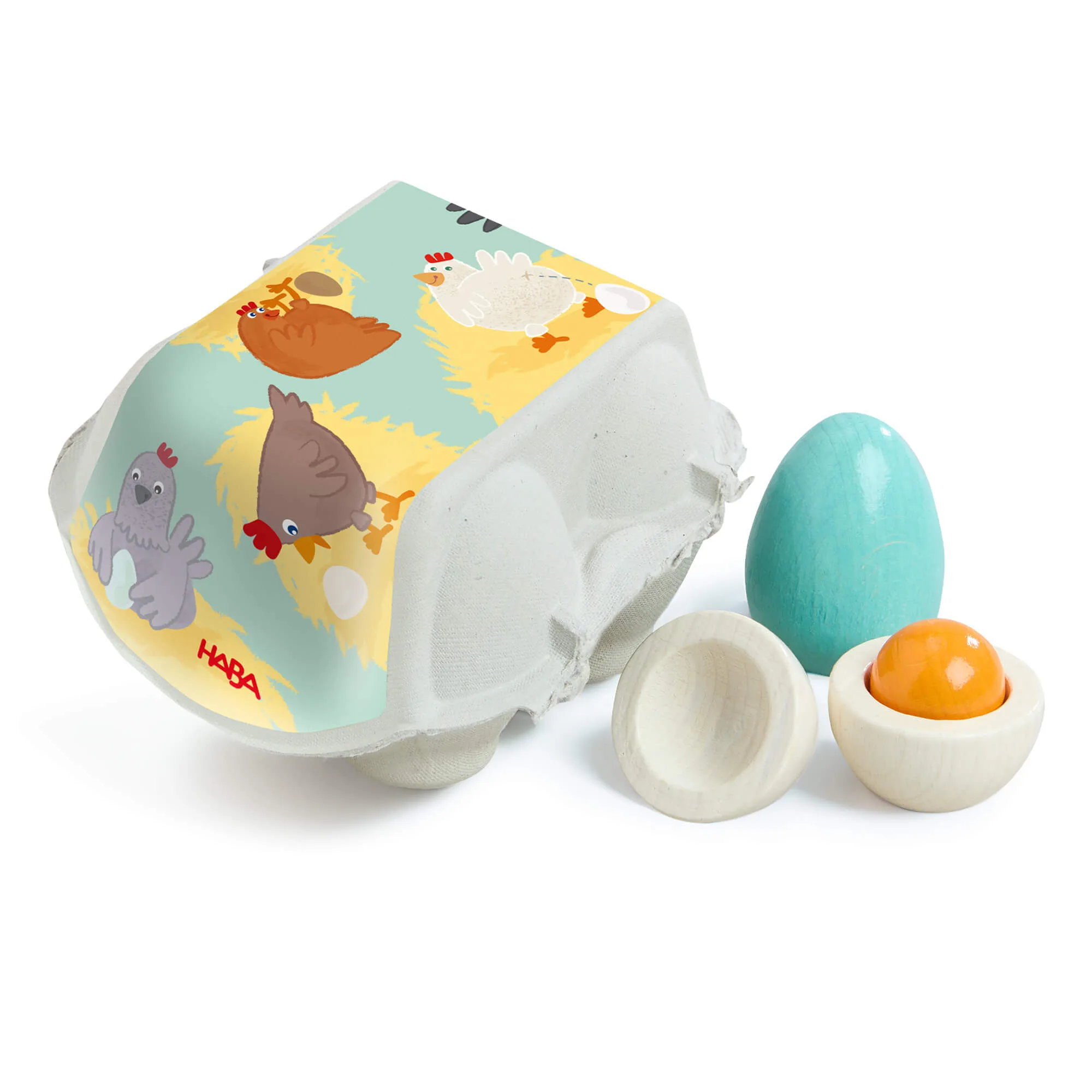
Creative Play – Wooden Eggs Play Food Set
If your child loves imaginative play, consider puzzles that integrate with other toys. A puzzle that becomes a scene for dolls or cars can be a huge hit. But remember, if the puzzle pieces are too small or intricate, they might get lost or become a choking hazard. Always supervise young children.
Material and Safety Considerations
HABA wooden puzzles are made from sturdy wood and finished with child-safe paints. When choosing any puzzle, check for potential choking hazards—pieces should be large enough that they can't be swallowed. For babies and toddlers, avoid puzzles with small knobs or detachable parts.
Also consider the puzzle's surface. A smooth, splinter-free finish is essential. HABA's wooden puzzles are known for their quality, but always inspect any puzzle for rough edges before giving it to a child.
Decision Rules for Choosing a HABA Puzzle
- Age 1-2: Choose puzzles with 2-4 large, chunky pieces that are easy to grasp. Look for knobs or handles. Avoid small pieces. Start with simple shape sorters or knob puzzles.
- Age 3-4: Look for puzzles with 8-20 pieces with engaging images. Consider 2-in-1 puzzles for extra value. The Elephant 2-in-1 Wooden Puzzle is a great fit for this age.
- Age 5+: Opt for puzzles with 20-50+ pieces or themed puzzles that match interests like dinosaurs, space, or fairy tales. Encourage independent puzzling but be ready to help if frustration mounts.
Key HABA Puzzles to Consider
- Elephant 2-in-1 Wooden Puzzle: This unique 12 piece puzzle set offers double the fun with different pictures on each side of the puzzle pieces. Two puzzles in one means twice the play value and a longer-lasting challenge for young problem-solvers.
- Creative Play – Wooden Eggs Play Food Set: Includes four wooden eggs, three multi-colored whole ones and one that can be 'cracked' open to reveal removable yolk. This set adds a puzzle-like element to pretend play, helping kids understand concepts of inside/outside and whole/parts.
Is a Puzzle Right for Your Child?
Best for
- Children who enjoy quiet, focused activities and show patience
- Kids who like problem-solving and feel a sense of accomplishment
Not for
- Very active children who prefer gross motor play and might get frustrated with sitting still
- Kids who are not yet interested in puzzles—try other toys first and revisit later
Choosing the right HABA puzzle comes down to your child's age, skills, and interests. Wooden puzzles like the Elephant 2-in-1 offer durability and double the fun, while options like the Wooden Eggs set blend puzzle play with imagination. Trust your knowledge of your child, and don't be afraid to start simpler than you think—success builds confidence. Happy puzzling!