Quick Answer
The hair growth ingredients with the most consistent evidence are iron (if you are deficient), vitamin D, zinc, and biotin (mainly if you are deficient). B-complex vitamins, collagen, and omega-3s may support hair and skin generally, but they are not proven hair-growth miracles. Choose a supplement that matches your likely gap, not the longest ingredient list.
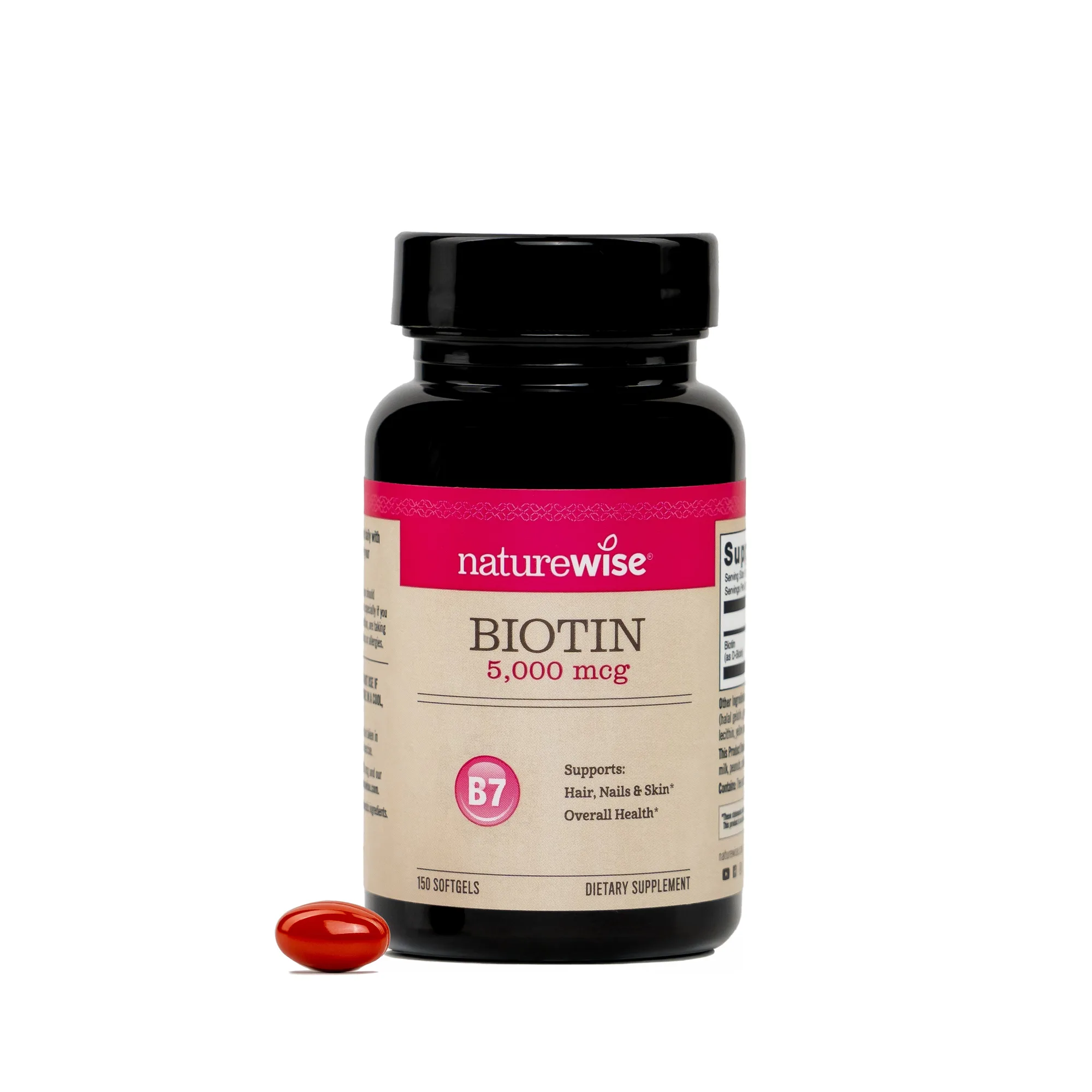
biotin
If you are shopping for hair growth supplements, you have probably seen labels promising thicker, faster-growing hair. The reality is more nuanced: some ingredients have solid evidence behind them, while others are mostly marketing. This guide cuts through the noise so you can pick a formula that actually fits your situation.
We will cover which hair growth ingredients are worth your money, how to read a label without getting fooled, and when a simple, targeted supplement beats a kitchen-sink blend. You will also see how specific NatureWise products fit into real routines, with honest trade-offs.
Which Hair Growth Ingredients Have Real Evidence?
The strongest evidence for hair growth supplements is in correcting deficiencies. Iron, vitamin D, and zinc are essential for normal hair follicle function, and if you are low in any of them, replenishing can help restore growth. Biotin is similar: it helps when you are deficient, but if your levels are normal, extra biotin is unlikely to speed up growth. That is why a blood test before you buy is more useful than any label claim.
Beyond deficiencies, some ingredients have moderate support. Collagen provides amino acids used in hair structure, and while it is not a direct growth trigger, it can support skin and hair strength over time. Omega-3 fatty acids, particularly DHA and EPA, support scalp health and may reduce inflammation. B-complex vitamins, especially B12 and folate, are needed for cell division in the follicle, but again, they mainly help if you are low.
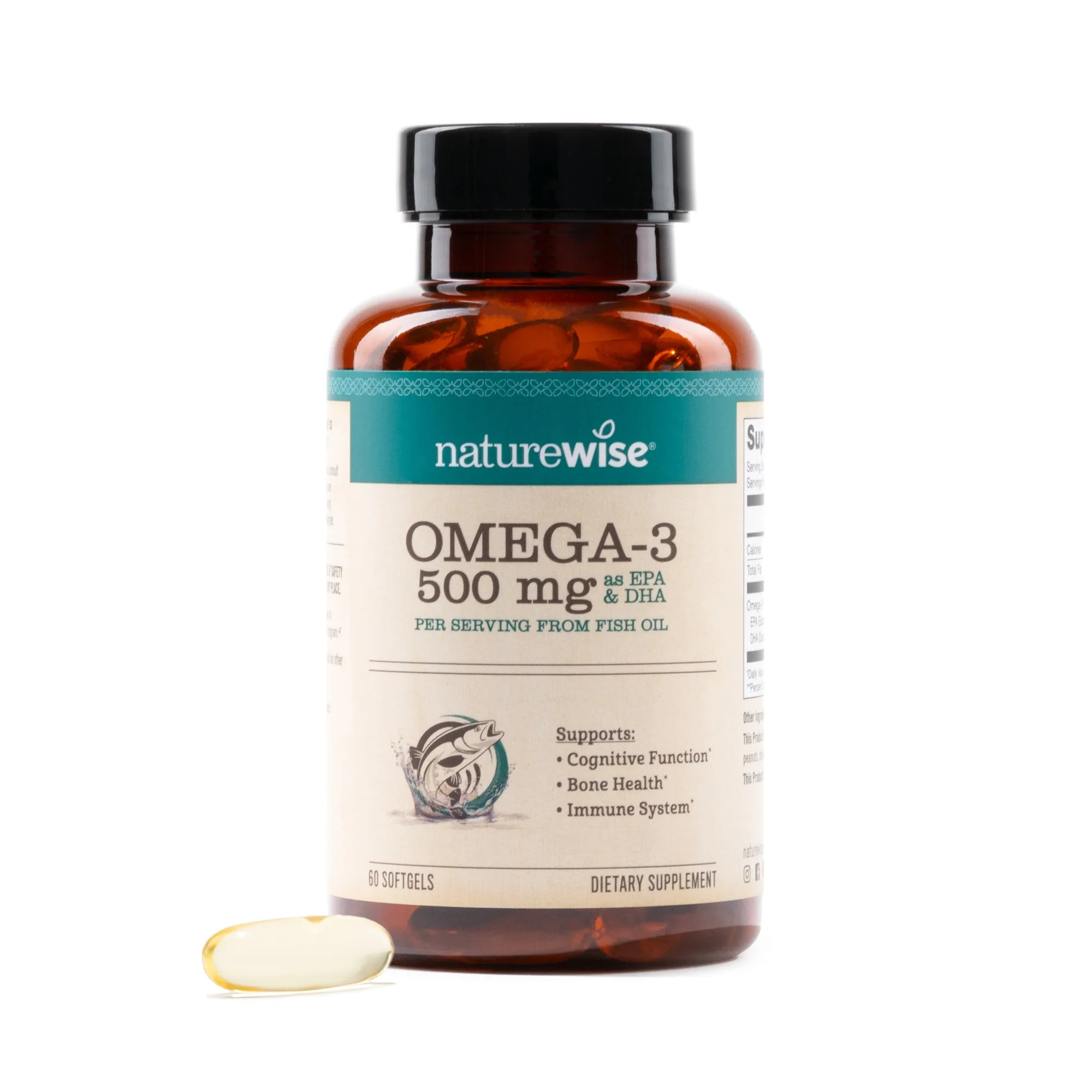
Omega-3
- Get tested for iron, vitamin D, zinc, and B12 before assuming you need a supplement.
- If you are deficient, choose a targeted product rather than a mega-blend.
- If you are not deficient, focus on overall nutrition and scalp care first.
How to Read a Hair Supplement Label
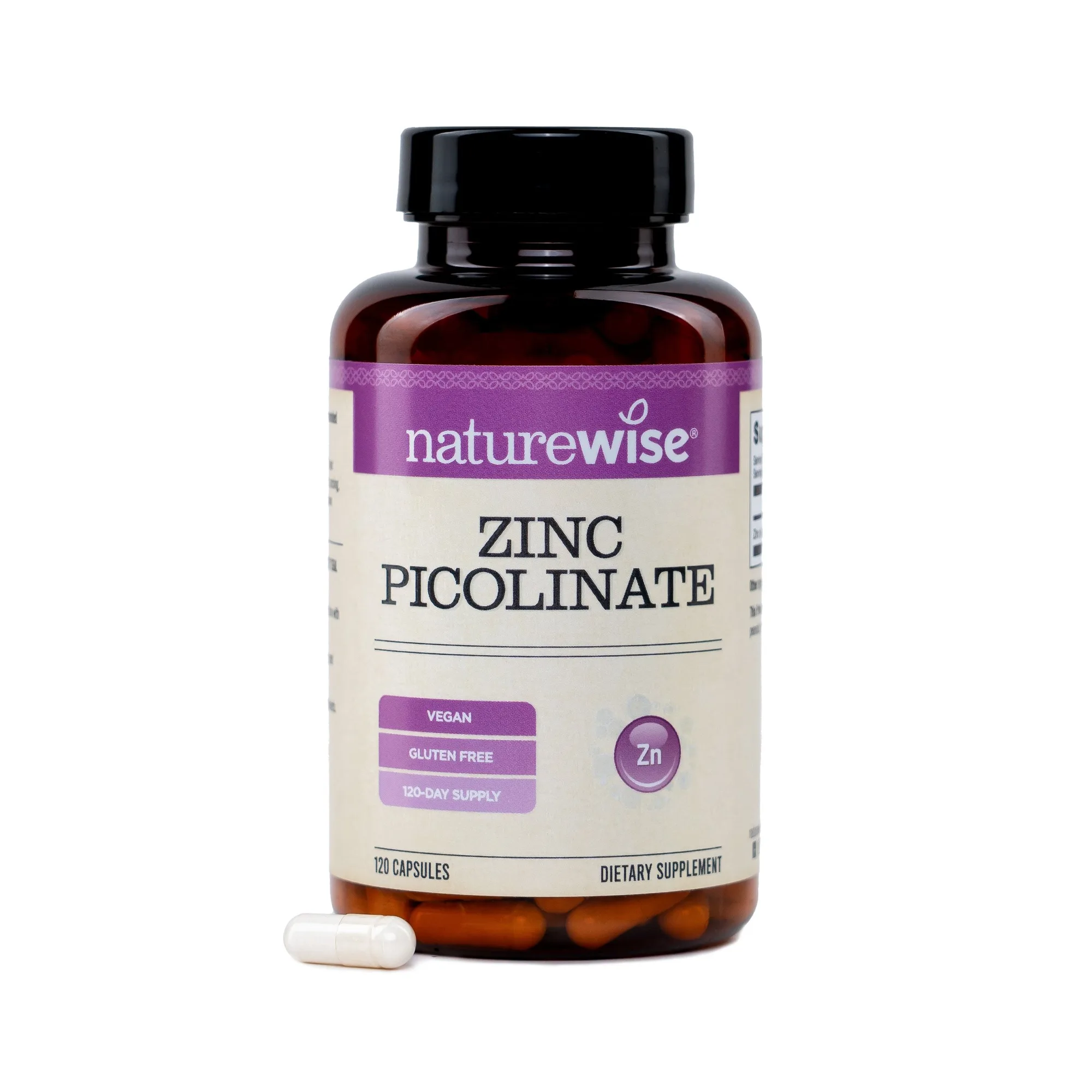
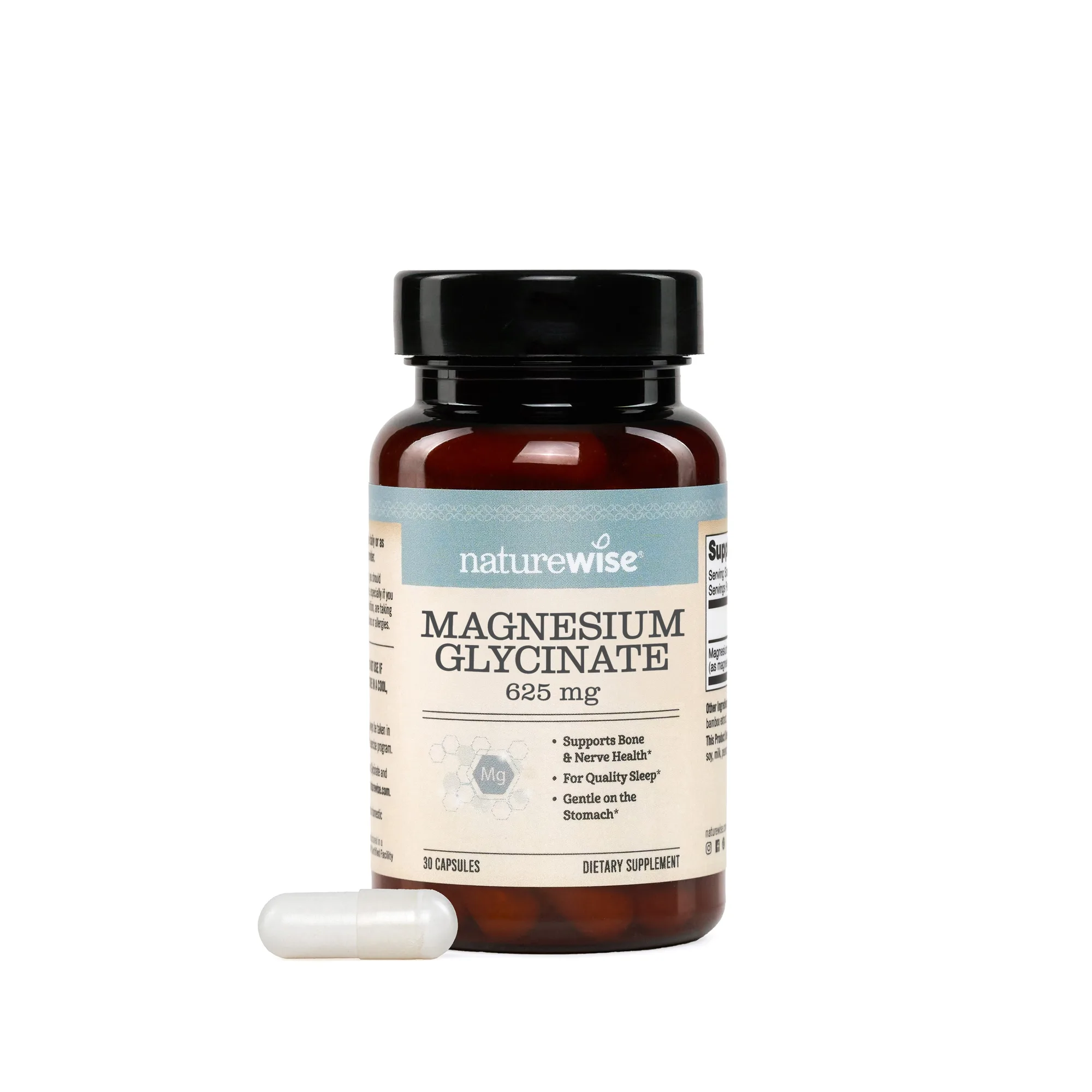
Start with the serving size and the amount per serving, not the front of the bottle. A product may list biotin, but if the dose is 500 mcg, it is far below what is used in studies for deficiency (often 2.5 mg or more). Look for forms that are well absorbed: magnesium glycinate over oxide, methylated B12 over cyanocobalamin if you have MTHFR variants, and chelated minerals like zinc picolinate or citrate.
Next, check for third-party testing. Supplements are loosely regulated, so a seal from NSF, USP, or a clear statement of third-party testing matters. NatureWise, for example, emphasizes clean, third-party tested supplements, which reduces the risk of contaminants. Also scan for unnecessary fillers, added sugars, and artificial colors, especially in gummies and liquids.
- Compare the elemental dose, not the compound weight (e.g., 50 mg zinc picolinate provides about 10 mg elemental zinc).
- Look for a certificate of analysis or third-party seal on the brand website.
- Avoid proprietary blends that hide individual ingredient amounts.
Targeted vs. All-in-One Hair Formulas
Targeted supplements are best when you know your gap. For example, if you are vegan or get little sun, a vegan vitamin D3 can be a smart, low-cost addition. If you are low in iron, an iron supplement with vitamin C for absorption is more effective than a hair blend with a token amount of iron. Targeted products also let you adjust doses independently and avoid unnecessary ingredients.
All-in-one hair formulas can be convenient, but they often underdose the ingredients that matter and overdose the ones that do not. They may include biotin at 5000 mcg (far beyond need) while providing only 2 mg of zinc. If you prefer one bottle, choose a formula that discloses every amount and includes a meaningful dose of at least two evidence-backed nutrients. Otherwise, build your own stack with two or three targeted products.
- Use a targeted supplement if you have a known deficiency or dietary restriction.
- Choose an all-in-one only if it lists full amounts and avoids mega-doses of biotin.
- Do not stack multiple hair blends; you risk doubling up on the same ingredients.
Biotin for Hair: What You Need to Know
Biotin is the most hyped hair growth ingredient, but the evidence is narrow. It helps when you have a true biotin deficiency, which is rare and often linked to pregnancy, long-term antibiotic use, or certain genetic conditions. If you are not deficient, biotin is unlikely to make your hair grow faster, though it may improve nail strength in some people. The typical dose in studies for deficiency is 2.5 to 10 mg per day.
One practical caution: high-dose biotin can interfere with lab tests, including thyroid and cardiac troponin tests. If you take biotin, tell your doctor before any blood work. For most people, a B-complex that includes a modest amount of biotin (300–1000 mcg) is a safer daily choice than a standalone 10,000 mcg capsule, unless a doctor recommends otherwise.
- Only expect hair benefits from biotin if you are actually deficient.
- Stop biotin at least 3 days before lab tests to avoid interference.
- A B-complex with biotin may be more balanced than a high-dose biotin solo.
Supporting Nutrients: Collagen, Omega-3s, and More
Collagen and omega-3s are not direct hair growth stimulants, but they support the environment hair grows in. Collagen provides glycine and proline, amino acids used in keratin structure, and may improve skin elasticity. Omega-3s, especially DHA, support scalp health and can reduce inflammation that may contribute to shedding. If your diet is low in these, a supplement can fill the gap.
Other nutrients like vitamin C, vitamin E, and selenium act as antioxidants that protect follicles from oxidative stress. However, more is not better: high-dose selenium can cause hair loss, and excessive vitamin E may increase bleeding risk. Stick to daily values unless a healthcare provider advises otherwise. A multivitamin with minerals can cover these bases without megadoses.
- Choose collagen if you want skin and hair strength support, not rapid growth.
- Pick a lemon-scented algae omega-3 if you dislike fishy aftertaste.
- Avoid selenium above 400 mcg per day; it can backfire.
When to See a Professional
Hair loss has many causes: genetics, hormonal shifts, thyroid disorders, autoimmune conditions, and telogen effluvium after stress or illness. Supplements will not fix a thyroid problem or reverse pattern baldness. If you notice sudden shedding, patchy loss, or scalp inflammation, see a dermatologist or doctor before spending on supplements. They can test for deficiencies and rule out medical causes.
Even with supplements, give them at least three to six months before judging results, since hair grows slowly. Take photos monthly under the same lighting to track changes objectively. If you see no improvement after six months and your levels are normal, the issue is likely not nutritional, and you should explore other treatments.
- Sudden or patchy hair loss warrants a medical evaluation, not a supplement.
- Track progress with monthly photos and note any side effects.
- Re-test levels after 3 months if you are correcting a deficiency.
Decision Rules for Choosing a Hair Growth Supplement
- If you have a diagnosed deficiency: Choose a targeted supplement that provides the correct dose of that single nutrient, such as iron bisglycinate for low ferritin or vegan vitamin D3 for low vitamin D. Avoid blends that underdose the nutrient you actually need. Targeted beats all-in-one when you know your gap.
- If you are vegan or vegetarian: Prioritize vegan-certified D3, algae omega-3, and B12. Check that the formula uses plant-based softgels or capsules and does not contain gelatin. Liquid multivitamins can be easier to absorb if you have digestive issues. Look for vegan seals and avoid animal-derived capsules.
- If you want one convenient product: Pick an all-in-one that discloses every ingredient amount and includes at least 2 evidence-backed nutrients at meaningful doses. Skip formulas with more than 5000 mcg biotin unless your doctor recommends it, and avoid proprietary blends. Transparency and dose matter more than the number of ingredients.
- If you have sudden or patchy hair loss: See a dermatologist before buying supplements. Sudden shedding can signal thyroid issues, autoimmune conditions, or telogen effluvium, which supplements will not fix. A professional can test for deficiencies and recommend appropriate treatment. Medical evaluation first, supplements second.
Product Facts
- Liquid Multivitamin + Hair Growth: With TocoGaia®; sugar free; vegan; peach mango flavored; serving size of 2 tbsp; supports hair growth, skin elasticity, and overall wellness. A convenient liquid option for people who dislike pills and want a blend that includes hair and skin support. The sugar-free, vegan formula fits many diets, but check the biotin amount if you are targeting a specific deficiency.
- Vegan Vitamin D3: Contents certified by NSF; vegan; soy free; made with extra virgin olive oil; serving size of 1 vegan softgel; supports immune health, bone health, and muscle function; D3 is the most bioavailable form of vitamin D. Vitamin D deficiency is linked to hair shedding, and this vegan D3 is third-party certified and affordable. It is a smart targeted pick if you get little sun or follow a plant-based diet, but it does not contain hair-specific ingredients like biotin.
- Magnesium Glycinate with D3 + K2: 550 mg non-buffered Magnesium Glycinate; 2,000 IU, 4,000 IU, and 10,000 IU vitamin D3 options; 100 mcg Vitamin K2 as MK-7; supports immune health, bone health, quality sleep, and relaxation. Magnesium supports sleep and relaxation, which indirectly affect stress-related shedding. The combo with D3 and K2 covers bone and immune health, but it is not a hair-growth formula on its own. Choose this if you want to address sleep and vitamin D together.
Who Should Buy Hair Growth Supplements
Best for
- People with a confirmed deficiency in iron, vitamin D, zinc, or biotin who want to correct it
- Vegans and vegetarians who need reliable B12, D3, or omega-3 support
- Anyone who wants a simple, low-cost addition to a healthy diet and scalp care routine
Not for
- People with sudden, patchy, or severe hair loss without a diagnosis—see a doctor first
- Those expecting overnight results; hair growth takes months
- Anyone who has not checked their levels and is guessing at what they need
The best hair growth supplement is the one that fills your specific gap, not the one with the longest ingredient list. Start with testing, choose targeted nutrients when you can, and give any formula at least three to six months. If you are unsure, a third-party tested multivitamin with minerals is a reasonable baseline while you investigate further.